Exam Stress in Older Children: How to Help
As children get older, tests and exams arrive — and with them, stress. A little is normal and even useful; too much gets in the way. Here is how to help your child prepare, manage the pressure, and keep it all in perspective.
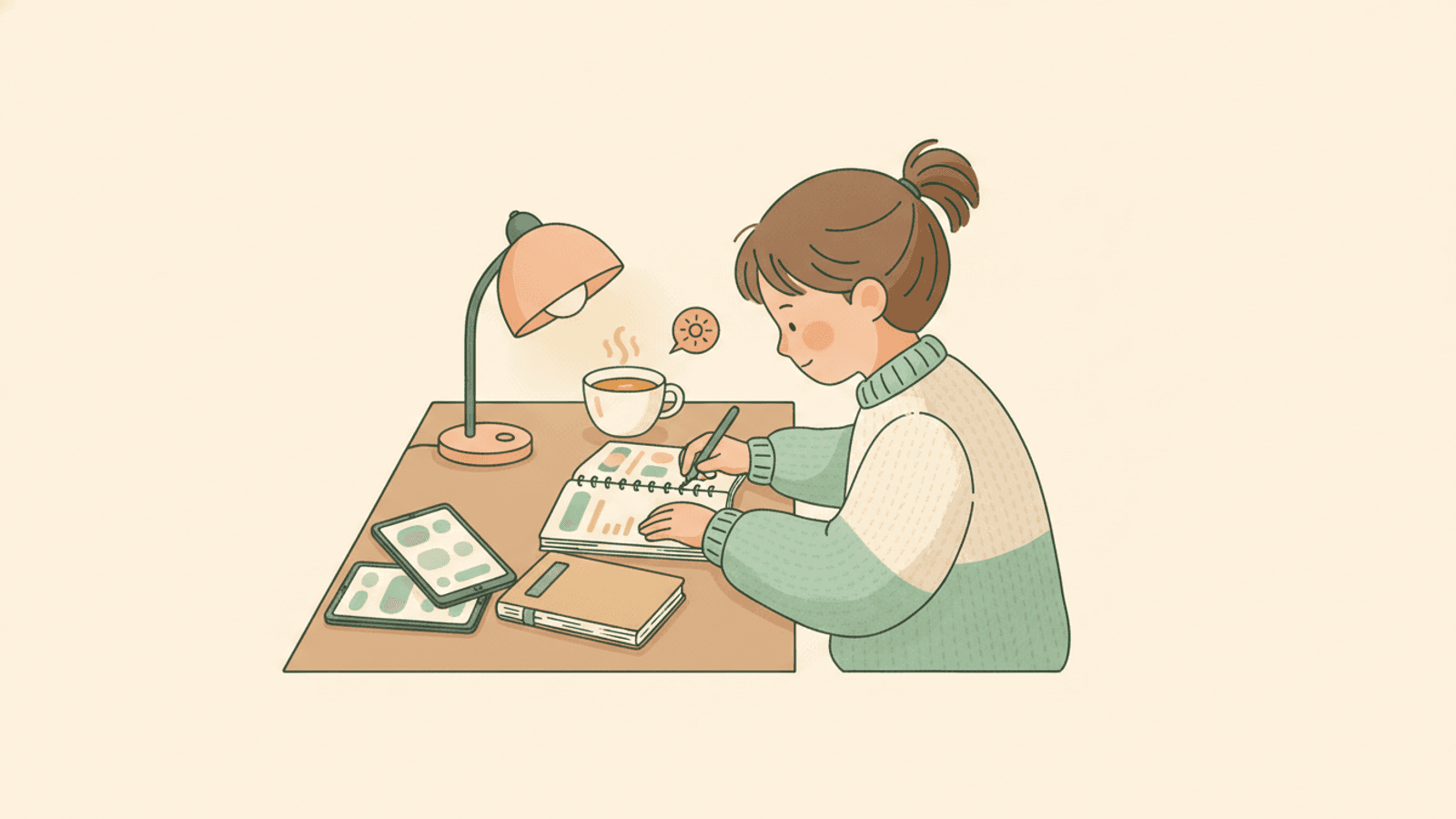
As children get older, tests and exams become a bigger part of school — and with them comes stress. A little is normal and even useful; too much gets in the way of both sleep and performance. The good news is that exam stress responds well to a few practical habits. Here is how to help your child prepare, manage the pressure, and keep it all in perspective.
A little stress is normal
Some nerves before a test are normal and even helpful — a bit of pressure sharpens focus and motivates revision. The aim isn’t zero stress, it’s keeping it in a helpful range. It becomes a problem when it’s so intense that it disrupts sleep, makes a child avoid studying altogether, causes panic or blanking, or lingers long after the exam is over.
Signs exam stress has tipped too far
- Trouble sleeping, or stomach aches and headaches before tests.
- Panic, going blank, or tears around exams.
- Avoiding revision entirely, or heavy procrastination.
- Harsh self-talk — “I’m going to fail,” “I’m stupid.”
- Irritability, withdrawal, or losing interest in things they enjoy.
Why it builds up
Exam stress usually comes from a mix: fear of failing or letting people down, perfectionism, comparison with classmates, pressure — real or perceived — from school or home, and simply feeling unprepared. Disorganised, last-minute cramming makes all of this worse, while a realistic plan eases it. A lot of exam stress is really preparation stress in disguise.
Helping with preparation
- Break revision into small chunks across several days, not one panicked night — a written timetable helps.
- Favour active recall and practice questions over passively re-reading notes; testing yourself is what sticks.
- Study in short focused blocks with real breaks — for example, 25 minutes on, 5 minutes off.
- Set up a calm, distraction-free spot, with the phone in another room.
- Start early; spreading revision out beats cramming, both for memory and for nerves.
Managing the stress itself
- Protect sleep — it’s when learning consolidates, and tired brains recall less.
- Build in movement and genuine breaks, not just more screens.
- Teach simple calming for spikes — slow breathing, a short walk, a few minutes away from the desk.
- Keep perspective — one test does not define them or their future.
- Eat and hydrate properly; revision on an empty stomach is harder than it needs to be.
Your role as a parent
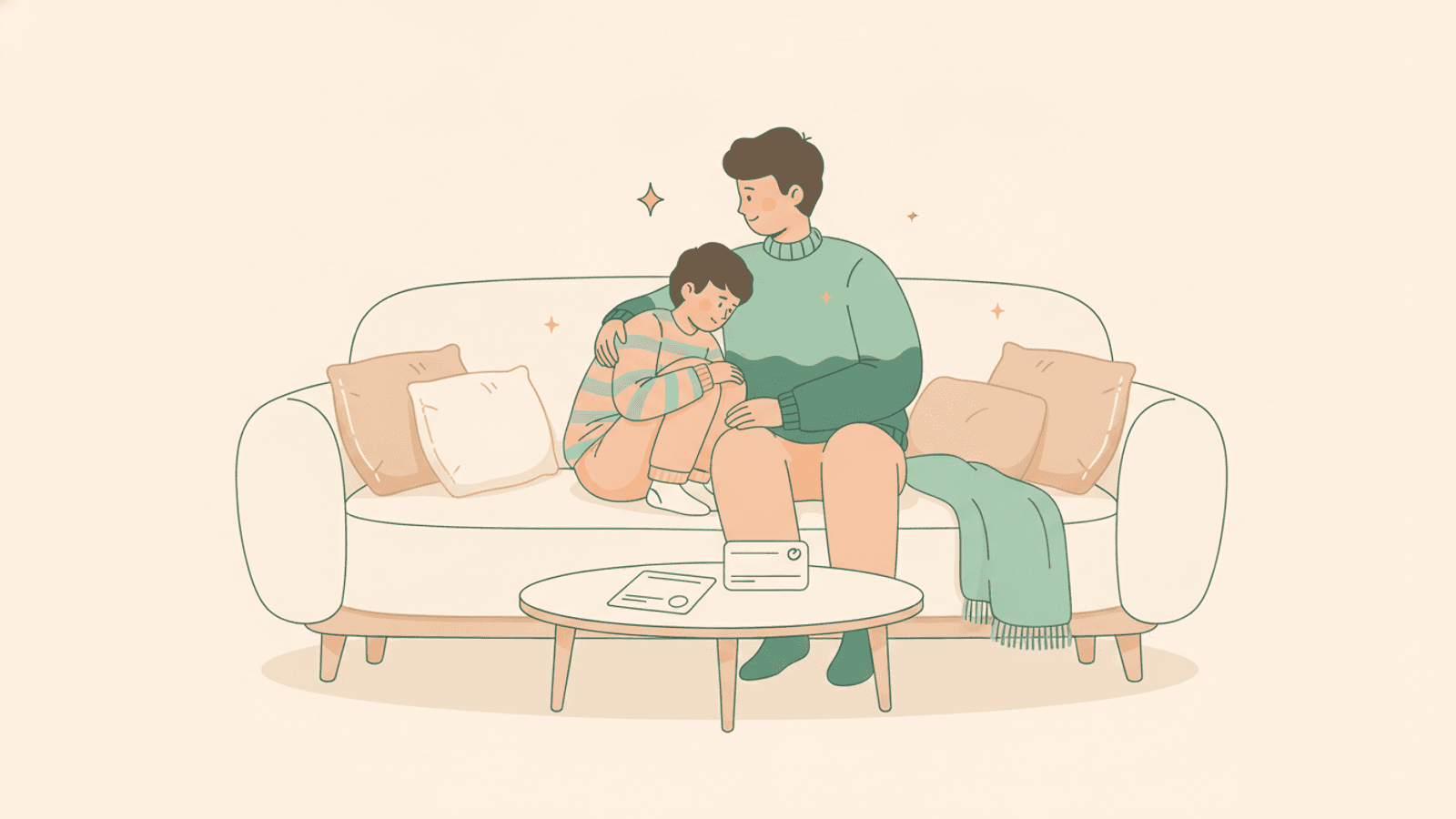
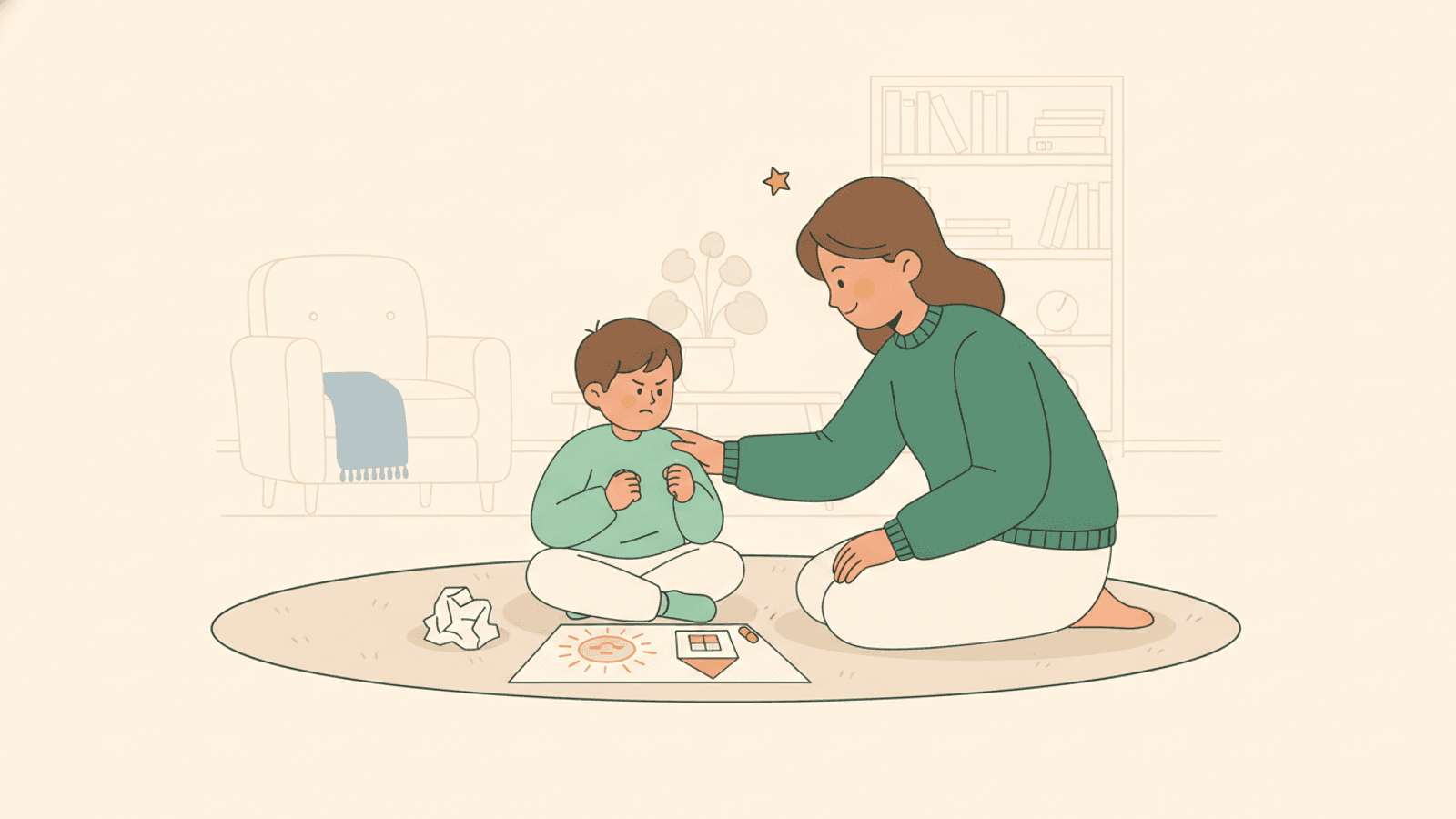
Your calm matters more than your reminders. Avoid adding pressure or talking only about grades; praise effort and preparation rather than outcomes, and make clear your love isn’t tied to results. Listen when they vent, help practically — quiz them, protect their study time, keep the house a bit calmer — and resist comparing them to siblings or classmates. A child who feels supported copes far better than one who feels judged.
The night before and the day of
The night before, stop revising at a reasonable hour, do something relaxing, and prioritise sleep over last-minute cramming — a rested brain recalls more than an exhausted one. On the day, a proper breakfast, arriving with time to spare, and a few slow breaths beforehand all help. Afterwards, resist the post-mortem: let them decompress, and praise the effort regardless of how it felt.
When it’s more than exam nerves
If anxiety is intense, near-constant, spreads well beyond exams, or seriously affects sleep, eating or mood, it may be more than ordinary exam stress. Talk to the school, and consider your doctor or a psychologist. Persistent anxiety responds well to support, and getting help early makes a real difference. This article is general information, not medical advice.
Read more
Frequently asked questions
Is some exam stress normal?
Yes. A little pressure before a test is normal and can even sharpen focus and motivate revision. The goal is to keep it in a helpful range, not eliminate it. It’s a problem when it disrupts sleep, causes panic, or makes a child avoid studying.
How can I help my child prepare for exams?
Help them break revision into small chunks across several days, use active recall and practice questions rather than just re-reading, study in short focused blocks with breaks, and set up a calm, distraction-free spot. Starting early beats cramming.
What helps with exam stress on the day?
A good night’s sleep beforehand, a proper breakfast, arriving with time to spare, and a few slow breaths. Afterwards, let them decompress and avoid the post-mortem, and praise the effort regardless of the result.
How do I support my child without adding pressure?
Stay calm, praise effort and preparation rather than grades, and make clear your love isn’t tied to results. Listen, help practically, and avoid comparing them to siblings or classmates. Feeling supported helps far more than feeling judged.
When is exam stress more than nerves?
If anxiety is intense, near-constant, spreads beyond exams, or seriously affects sleep, eating or mood, it may be more than ordinary stress. Talk to the school and consider your doctor or a psychologist. Getting help early makes a difference.