Worry and Anxiety in Children: What Helps (and What Quietly Makes It Worse)
Worries are part of childhood — the dark, dogs, school, being away from you. For most children they come and go. But anxiety can grow when we handle it in the well-meaning ways that accidentally feed it. Here is what actually helps.
Worries are a normal part of childhood — the dark, dogs, school, thunderstorms, being away from you. For most children they come and go with age. But anxiety can grow when we respond in the kind, well-meaning ways that accidentally feed it, and shrink when we know what actually helps. The good news is that childhood anxiety is one of the most understandable and most treatable things there is.
Worry is normal — and common
Most children go through phases of worry; it is part of normal development and a sign of a brain doing its job of spotting possible danger. The specific worries shift with age — separation in toddlers, the dark and monsters in preschoolers, social and performance worries in the school years. Feeling anxious sometimes is healthy, not a disorder, and a child who never worried at all would be the unusual one.
The trap: how avoidance feeds anxiety
Here is the single most important thing to understand. Avoiding the feared thing brings instant relief, and that relief teaches the brain that the thing really was dangerous and that avoidance is the answer — so the worry grows. Letting your child skip the party, sleep in your bed, or never answer in class feels kind in the moment, but it quietly strengthens the anxiety. Facing fears in small, supported steps is what shrinks them.
Validate the feeling, show confidence
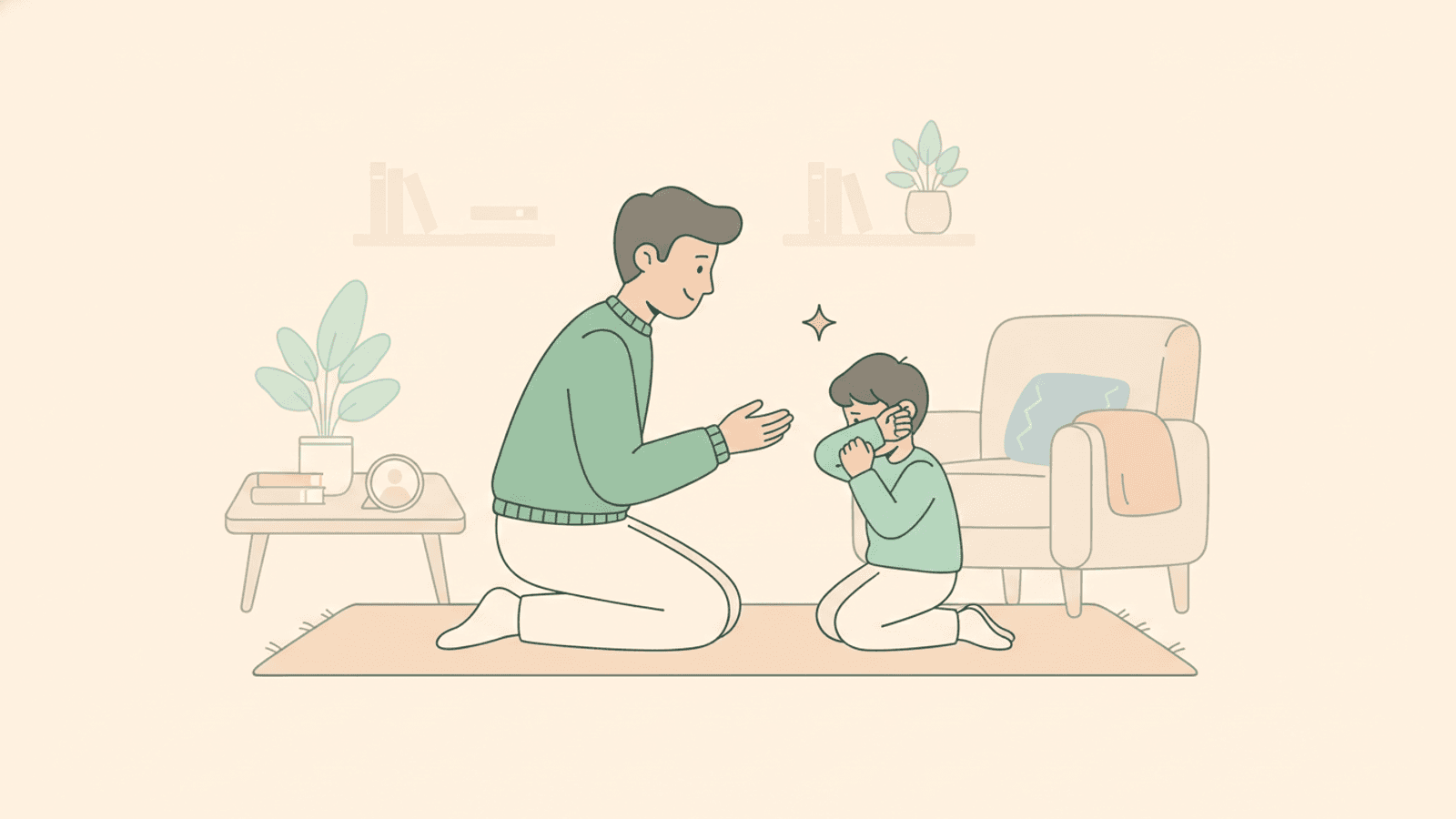
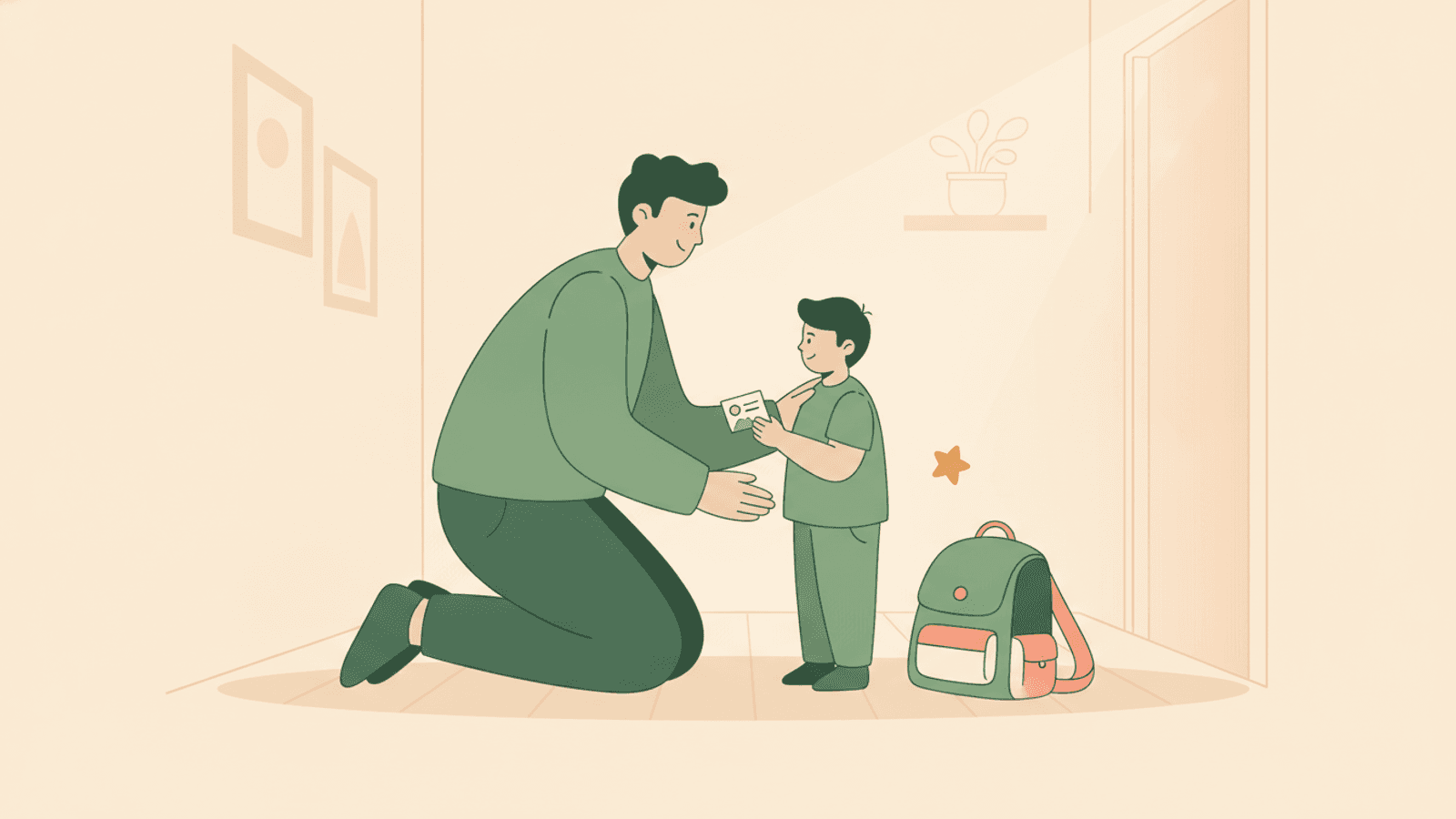
The balance to aim for is taking the worry seriously while showing you believe your child can cope. Not “there is nothing to be scared of,” which feels dismissive, and not endless reassurance, which feeds it — but something like “I can see this feels really scary, and I know you can handle it.” Both over-reassuring and over-protecting quietly send the message that the feared thing genuinely is dangerous.
Build a brave ladder
Pick one worry and break facing it into small steps, from easiest to hardest — a “brave ladder.” Practise each step until it feels manageable, then climb to the next. For a fear of dogs, that might run: look at pictures of dogs, then watch a dog across the street, then stand near a calm dog on a lead, then gently pat it. Celebrate each rung. Gradual, repeated, supported exposure is the proven path out of a fear, not a single big push.
Everyday tools that help
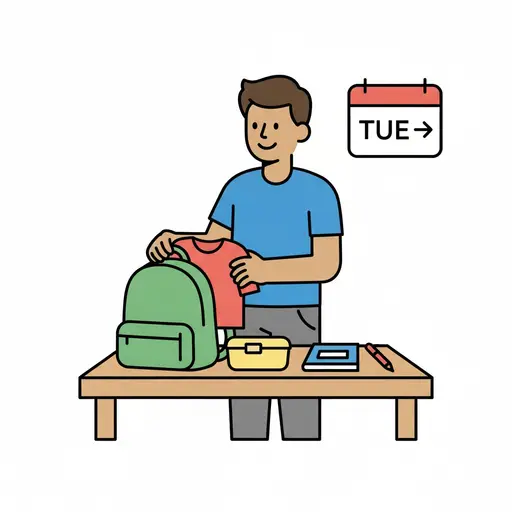
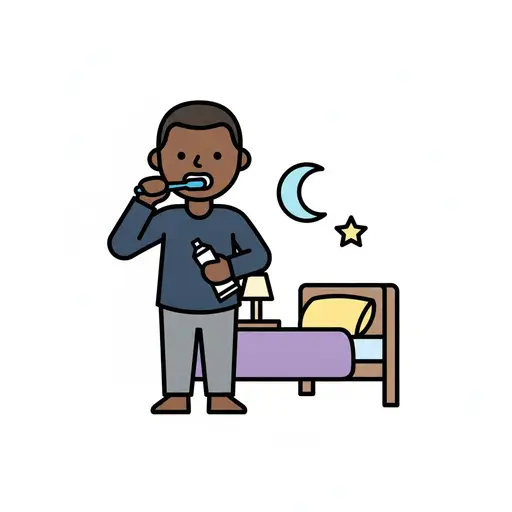
- Keep routines predictable — anxiety thrives on uncertainty, so a known daily structure is genuinely calming.
- Teach calming-body tools like slow breathing and grounding in calm moments, so they are ready when worry strikes.
- Name and externalise the worry — “the worry brain is being noisy again” — so it feels separate from who your child is.
- Do not get pulled into answering the same reassurance question on repeat — answer once, kindly, then gently move on.
- Model handling your own everyday worries calmly and out loud, so your child sees coping in action.
When to seek help
It is worth speaking to a professional if anxiety is intense, lasts a long time, stops your child doing normal things like school, sleep, friendships or eating, or causes real distress. That can point to an anxiety disorder, which is very treatable — often with approaches built on exactly the gradual, supported facing of fears described here. Asking for help early is wise, not an overreaction. This article is general information, not medical advice.
For children with ADHD or autism
Anxiety is more common in neurodivergent children and often looks different — meltdowns, rigidity, tummy aches and other physical complaints, or shutting down rather than saying “I am worried.” Predictability, preparing in advance for any change, and visual structure remove a great deal of it. The brave-ladder approach still works, but go slower and smaller. This article is general information, not medical advice.
Read more
Frequently asked questions
Is it normal for my child to be anxious?
Yes. Most children go through phases of worry, and the specific fears change with age. Feeling anxious sometimes is part of normal development. It becomes a concern only when it is intense, lasting, and stops your child doing everyday things.
How do I help an anxious child?
Take the worry seriously while showing you believe they can cope, keep routines predictable, teach calming tools in calm moments, and help them face fears gradually in small steps rather than avoiding them. Avoidance feels kind but feeds anxiety over time.
Does reassuring my anxious child help?
A little reassurance is fine, but endless repeated reassurance backfires — it teaches the brain that the feared thing really is dangerous. Answer the question once, kindly, then help your child tolerate the uncertainty rather than seeking reassurance again and again.
What is a brave ladder or gradual exposure?
It is breaking a fear into small steps from easiest to hardest, then practising each step until it feels manageable before moving up. Gradual, repeated, supported facing of the feared thing is the proven way to shrink a fear, far better than a single big confrontation.
When should I worry about my child's anxiety?
Seek professional help if the anxiety is intense, long-lasting, stops your child doing normal things like going to school, sleeping, seeing friends or eating, or causes real distress. That can indicate an anxiety disorder, which is very treatable, and early help is sensible.