Helping Your Child Manage Anger: From Big Feelings to Calmer Responses
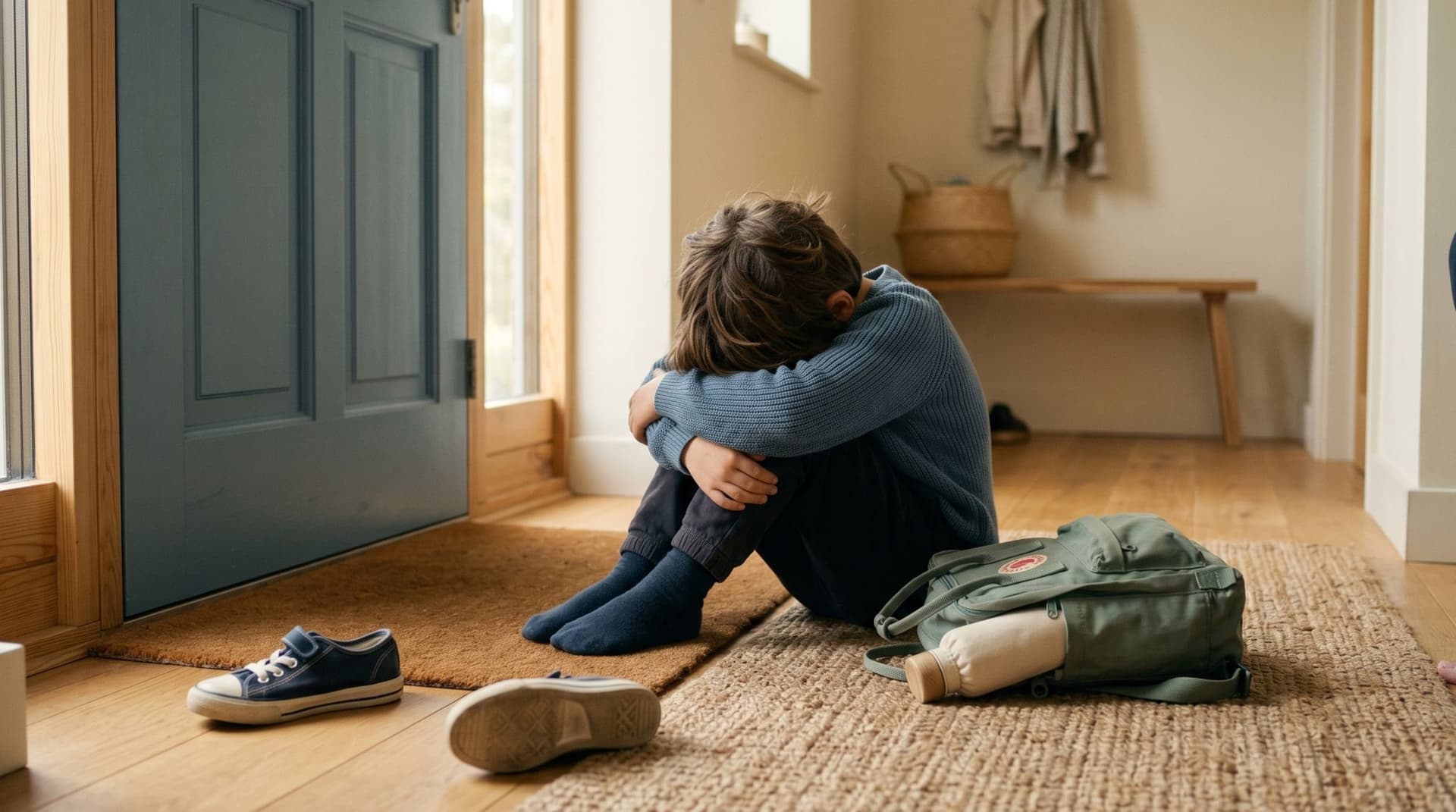
Anger frightens parents — the shouting, the hitting, the slammed doors. But anger itself is a normal, healthy emotion. The job is not to stop your child feeling it, but to help them handle it without hurting themselves, others or things.
Anger frightens a lot of parents — the sudden shouting, the hitting, the slammed doors, the way a small child can seem to detonate over nothing. But anger itself is a completely normal, healthy emotion, as valid as joy or sadness. The job is not to stop your child feeling angry; it is to help them handle that anger without hurting themselves, other people or things. That is a skill, and it can be taught.
Anger is normal — aggression is the issue
The most useful thing you can do is separate the feeling from the behaviour. Feeling angry is healthy and allowed; hitting, throwing or hurting is not. “It is okay to be angry, it is not okay to hit” is the message, repeated calmly and often. Punishing the feeling itself teaches children to hide their anger, not handle it. Setting firm limits on the behaviour while fully accepting the feeling is what actually teaches regulation.
Why kids can't "just calm down"
When anger floods in, the thinking part of the brain effectively goes offline. Telling a furious child to calm down, or reasoning with them, simply does not land, because the part that could reason is temporarily unavailable. They need to feel the wave pass, with your help, before they can use any strategy at all. Self-control is a skill built up over years on top of this, not something a young child can summon on demand.
Co-regulate first
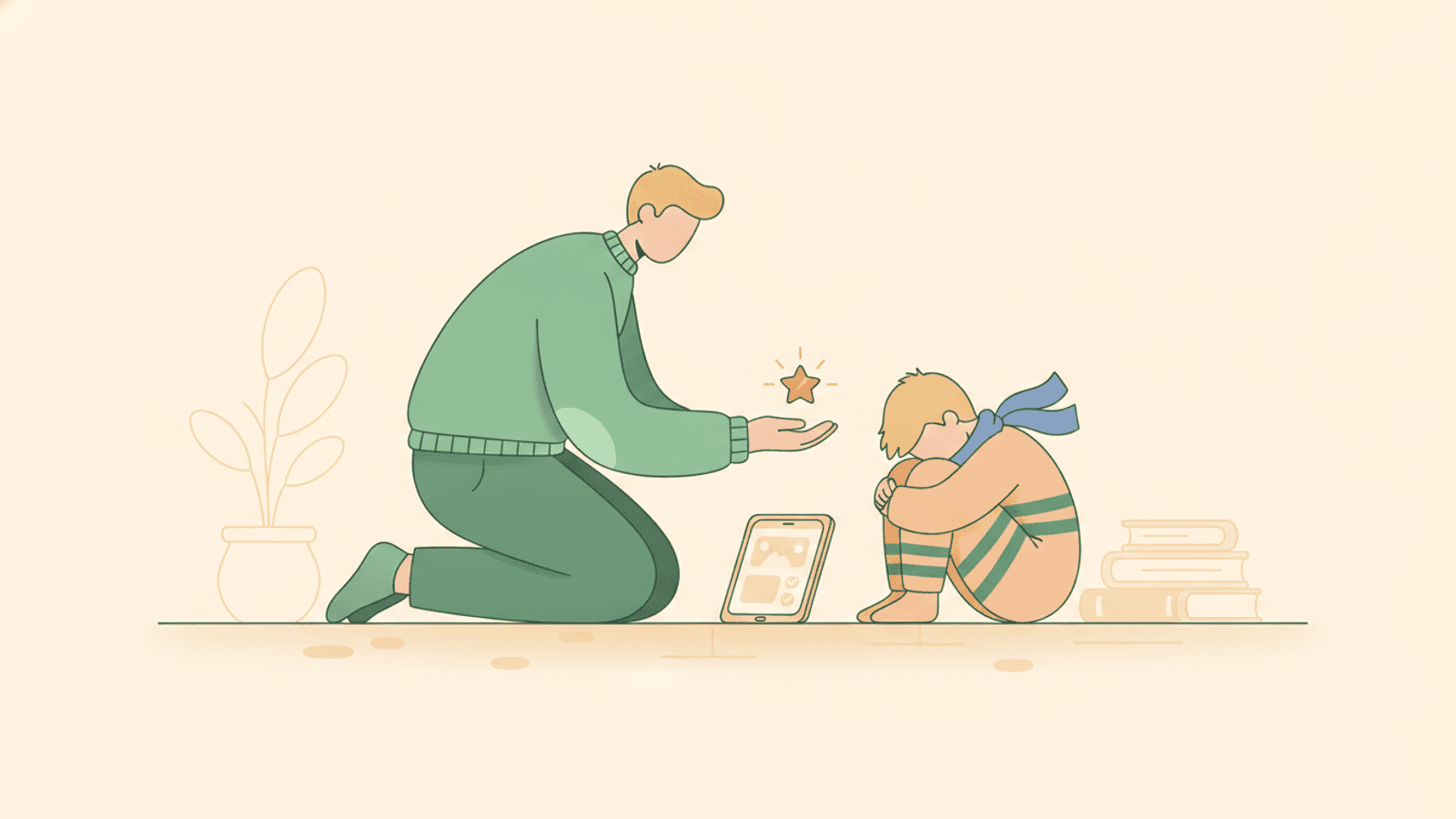
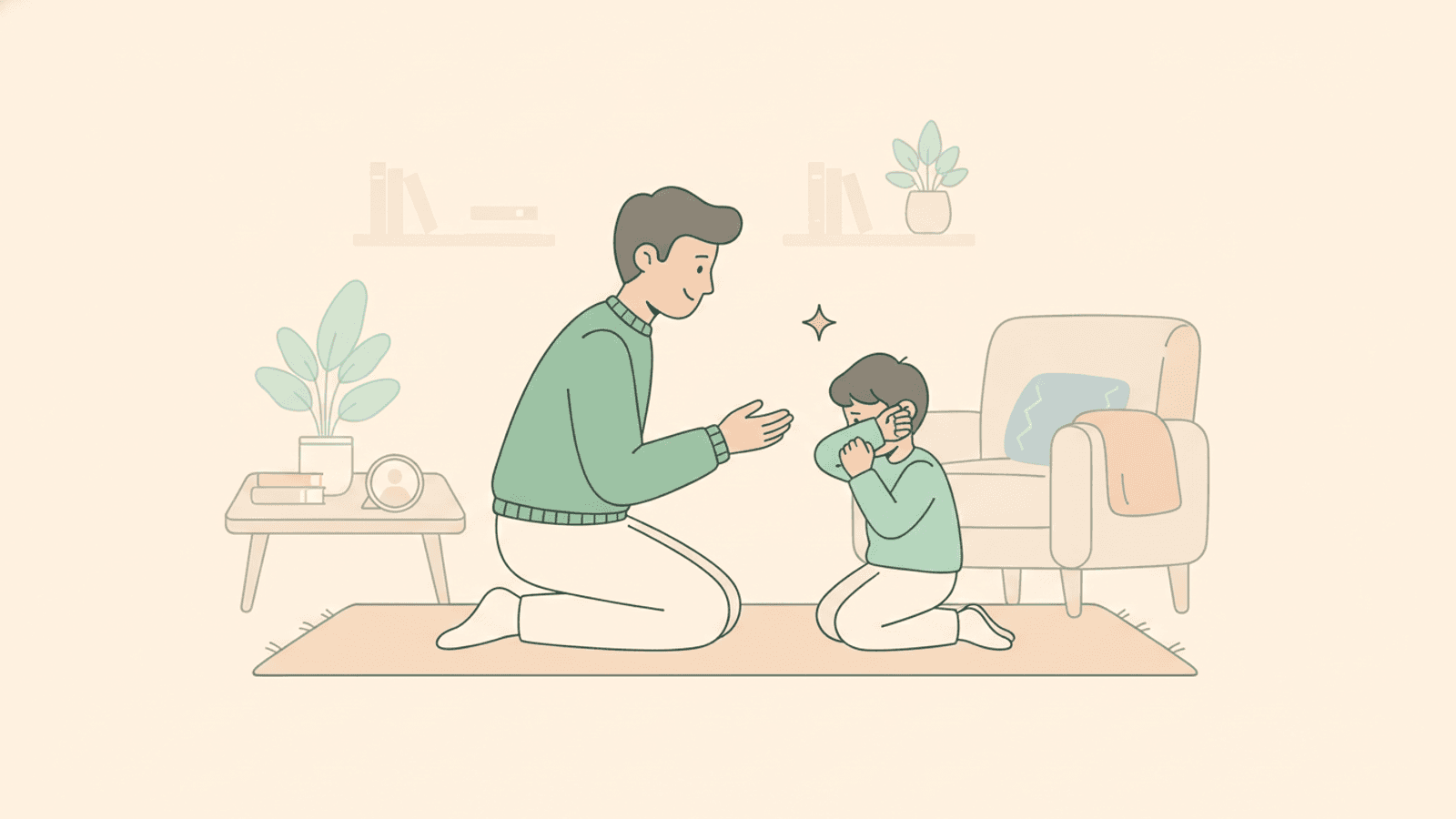
Your calm is what your child borrows when they have none of their own. Stay steady, lower your voice, keep yourself regulated, make sure no one is getting hurt, and be a calm presence rather than another source of heat. Only once the storm has passed can you connect and talk about it. You cannot teach anything useful in the middle of a meltdown — the lesson comes afterwards, when they can hear it.
Build an anger toolkit in calm moments
- Name feelings together when everyone is calm — “you look really frustrated” — so your child slowly learns the words for what they feel.
- Practise calming strategies when they are NOT angry: slow “smell the flower, blow out the candle” breaths, a calm-down corner, squeezing a pillow, counting, or moving their body.
- Make a simple visual “what I can do when I’m angry” with a few options your child has chosen, so there is a plan ready before the next flare-up.
- Teach that anger is a signal — “your body is telling you something feels wrong” — rather than a bad or shameful thing.
Catch it early
Anger almost always has warning signs — clenched fists, a raised voice, a flushed face, a tightening body. Help your child notice their own early signs so you can both step in before the explosion, while calming tools still have a chance of working. A simple “feelings thermometer” or scale on the wall helps children see their anger building and learn to act on it sooner.
Repair afterwards
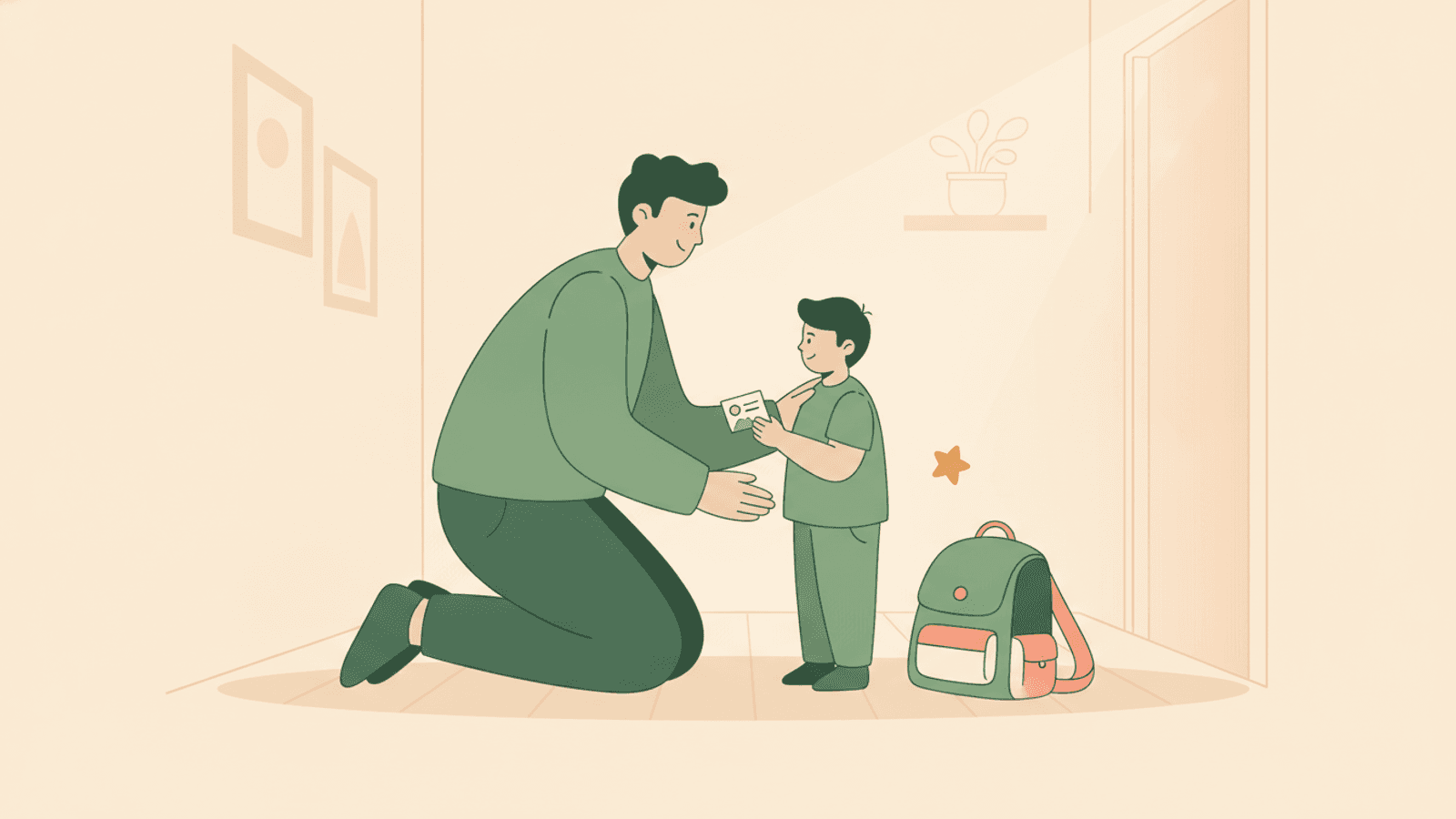
Once everyone is calm, reconnect without shaming. Briefly name what happened, talk about what they could try next time, and if they hurt someone, help them put it right. The goal is always learning, not punishment. And model it yourself: let your child see you get frustrated and handle it calmly out loud, because watching you is one of the most powerful ways they learn.
For children with ADHD or autism
Emotional regulation is genuinely harder, and reactions are often bigger and faster. Impulsivity, a low frustration tolerance and — for autistic children — sensory overwhelm mean anger can erupt with very little runway. Lean hard on co-regulation, predictability, catching the early signs, and explicit, visual tools rather than expecting talk to work in the moment. This is a developmental skill that arrives later, not a behaviour problem. This article is general guidance, not medical advice.
Read more
Frequently asked questions
Is it normal for my child to get so angry?
Yes. Anger is a normal, healthy emotion, and young children feel it intensely while their ability to control it is still developing. The intensity is not the problem; what matters is helping them express it without hurting themselves, others or things.
How do I help my child control their anger?
Stay calm and co-regulate in the moment, then teach calming tools when your child is not angry — breathing, a calm-down corner, naming the feeling. Catch the early warning signs together, and repair and reflect afterwards rather than punishing.
What should I do when my child is hitting in anger?
Calmly stop the hitting and keep everyone safe — “it is okay to be angry, it is not okay to hit.” Do not lecture mid-meltdown; wait for calm, then talk about what they could do with the anger instead, and help them make any repair.
Should I punish my child for getting angry?
Punishing the feeling teaches children to hide their anger rather than handle it. Set firm limits on harmful behaviour, but accept the feeling itself. Teaching tools and repairing afterwards builds regulation far better than punishment.
How do I teach calming strategies?
Practise them when your child is calm, not in the heat of the moment. Try slow breathing, a calm-down corner, squeezing something, counting or movement, and make a small visual menu of options your child picks, so there is a ready plan for next time.