Meltdowns in Public: How to Stay Calm When Everyone Is Watching
A meltdown in a shop or at the beach, with strangers staring, is every parent’s dread. The strategies that work are almost the opposite of what onlookers expect.
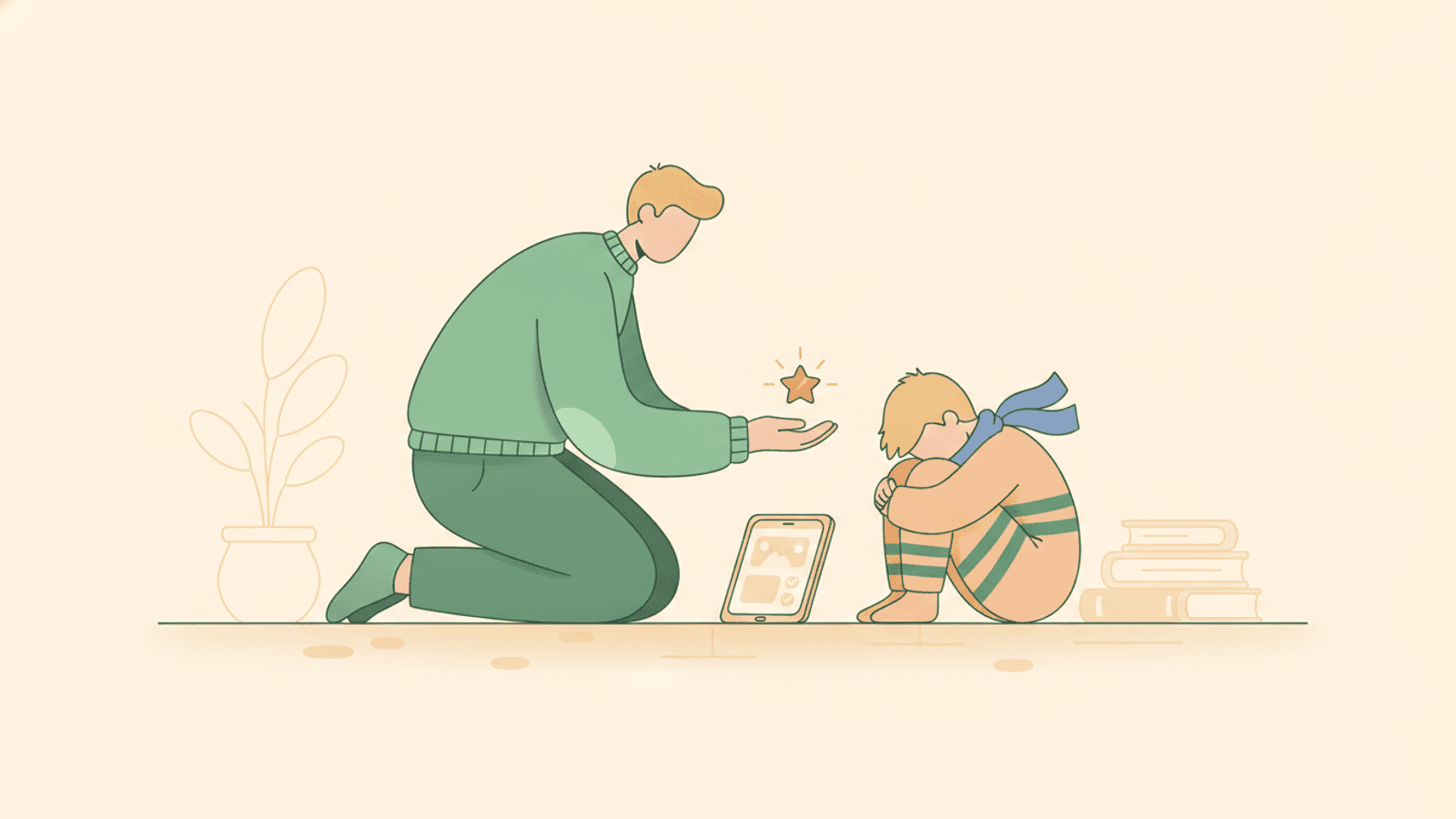
When a child has a meltdown in public, the best approach is to first prioritize their safety and needs by lowering demands, then focus on co-regulating with calm presence and minimal words, while consciously choosing to disregard the judgment of onlookers. Remaining calm yourself is crucial, as your composure helps your child navigate their overwhelming emotions. It's about creating a safe space for them amidst the chaos, both internal and external.
A Meltdown Is Not a Tantrum and Not for Show
This is a critical distinction, especially for parents of neurodivergent children. A tantrum is often goal-oriented; a child might cry or stomp their feet to get a toy or avoid a task. While intense, there's usually a degree of control and a specific outcome in mind. It's a protest, a form of communication.
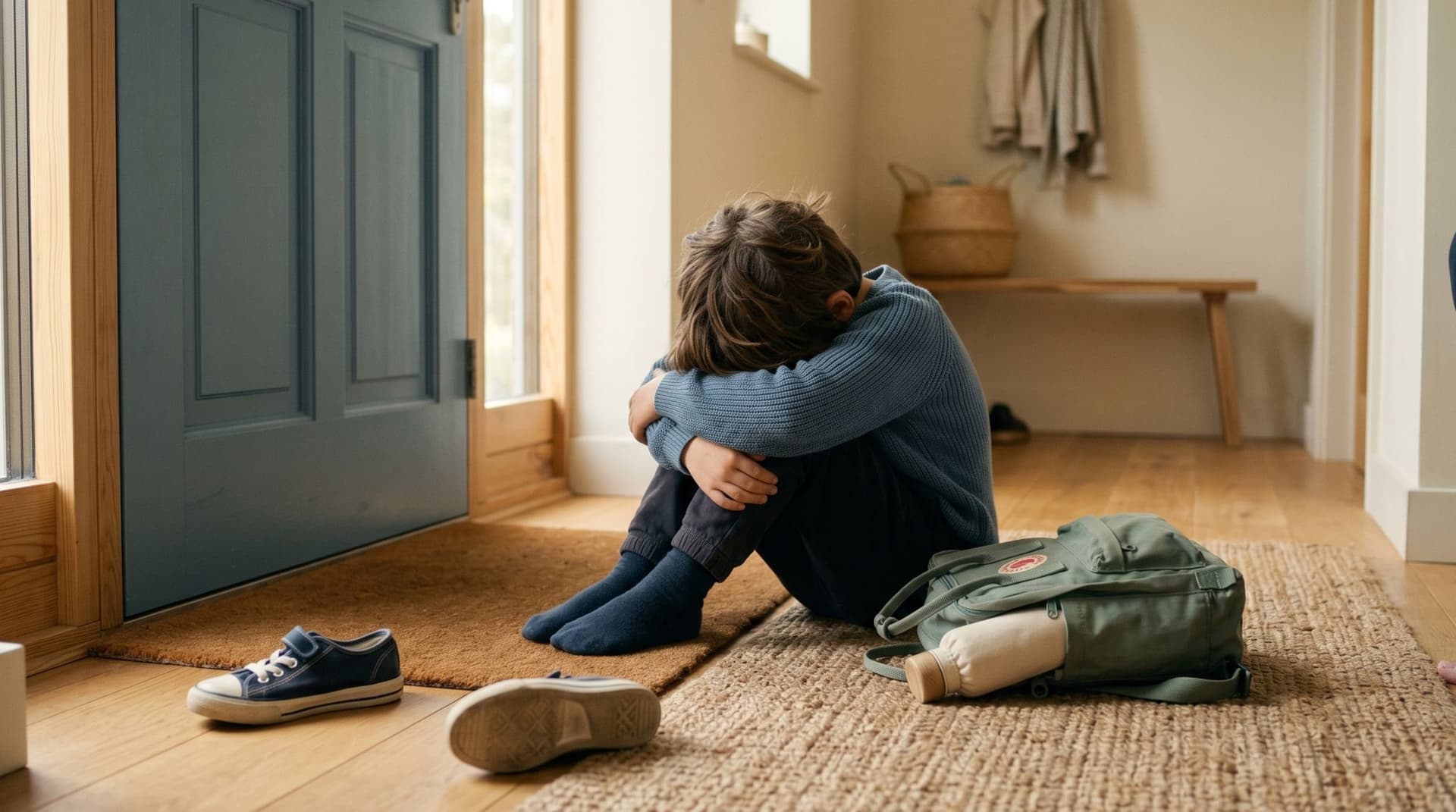
A meltdown, however, is fundamentally different. It signifies a complete loss of control, an overwhelming response to internal or external stressors when a child's coping mechanisms have been entirely depleted. For many children, particularly those with ADHD or autism, their nervous systems can become overloaded very quickly. Sensory input—bright lights, loud noises, strong smells, crowded spaces—or even internal feelings like hunger or fatigue can push them past their capacity to regulate emotions.
During a meltdown, a child isn't manipulating; they are suffering. Their brain has essentially gone offline in terms of executive function. They cannot "just stop" any more than someone having a panic attack can simply choose to calm down. The behaviours we see—screaming, crying, hitting, kicking, or shutting down—are involuntary expressions of immense distress. Understanding this distinction allows us to respond with empathy instead of frustration, seeing beyond the behaviour to the genuine distress beneath.
In the Moment: Lower the Demands, Get Low, Fewer Words, Safety First
When you’re in the thick of a public meltdown, your immediate priority is safety and de-escalation.
1. **Safety First:** Ensure your child, yourself, and others are physically safe. If possible, gently guide your child to a quieter, less stimulating area, like a deserted aisle, outside the store, or back to the car. If moving isn't an option, create a small bubble of safety around them.
2. **Get Low and Connect:** Drop to your child's eye level. This non-threatening posture communicates presence and support. If they are open to it, offer a hand, a hug, or a gentle touch, but gauge their response carefully as touch can be overstimulating for some.
3. **Lower the Demands:** This is paramount. Stop asking "What's wrong?" or "Why are you doing this?" Stop reasoning or negotiating. Their brain cannot process complex language or logic in this state. Any demands, even well-intentioned ones, will only add to their overwhelm.
4. **Fewer Words, Calmer Tone:** Use minimal, simple, and soothing language. Think short phrases like "I'm here," "You're safe," or "Take a breath." Your tone of voice is more important than the words; keep it low, slow, and even. Sometimes, no words at all are best, just your calm presence.
5. **Offer a Regulation Tool:** If you know your child benefits from a specific sensory input (e.g., a fidget toy, noise-canceling headphones), offer it without pressure. They might reject it, and that's okay. The goal is to help them find their way back to regulation.
6. **Focus on Co-Regulation:** Your own calm is your most powerful tool. Take slow, deep breaths yourself. Your nervous system can help co-regulate theirs. Remember, you're not trying to stop the meltdown immediately; you're helping them ride the wave and eventually find emotional balance.
Ignore the Audience
This is arguably one of the hardest parts of navigating a child meltdown in public. The feeling of being watched, judged, and perhaps even criticized can trigger our own stress responses. It's natural to feel embarrassed or defensive when strangers are staring. However, during these moments, your child's needs must take absolute precedence over the opinions of passersby.
Remind yourself that most strangers don't understand the nuances of a meltdown, especially when it involves neurodivergent children. Their stares or comments often come from a place of ignorance, not malice. Even if it is malice, their fleeting opinion holds no weight against your child's well-being. Your primary job is to support your child, not to manage public perception.
Develop a mental shield. Focus your entire attention on your child. If someone approaches you with unsolicited advice or criticism, you have a few options: a calm, brief deflection like "We're managing this, thank you," or simply don't engage. Your energy is needed elsewhere.
Remember, the vast majority of people will either ignore you, offer a sympathetic glance, or move on quickly. Those who judge harshly are not worth your mental energy. Your strength and focus on your child will be far more impactful than any need to justify yourself. You are a good parent, doing your best for your child, and that's all that matters.
Prevent the Predictable Ones
While not all meltdowns can be prevented, many are predictable once you understand your child's unique triggers and early warning signs. Proactive planning is your superpower in reducing the frequency and intensity of public meltdowns.
1. **Identify Triggers:** Keep a mental log of what typically precedes a meltdown. Is it hunger, fatigue, overstimulation (loud places, bright lights, too many people), specific transitions, or unexpected changes? Recognizing these patterns allows you to anticipate and prepare.
2. **Plan Ahead with Precision:**
- **Snacks and Drinks:** Always carry easily accessible, preferred snacks and water.
- **Comfort Items:** Does your child have a special toy or sensory item? Make sure it's always with you.
- **Sensory Tools:** For sensory sensitivities, noise-canceling headphones, sunglasses, or fidget toys can be invaluable.
- **Visual Supports:** A visual schedule or "first/then" board can help them understand what's coming next and reduce anxiety during transitions.
3. **Know Your Exits and Safe Spaces:** Before entering a new environment, mentally scout for potential quiet zones or less crowded corners where you could retreat.
4. **Timing is Everything:**
- **Shorten Outings:** Don't push beyond your child's typical tolerance for public places.
- **Avoid Peak Times:** Shop at off-peak hours when stores are less crowded and noisy.
- **Schedule Around Needs:** Plan outings around your child's natural rhythm for sleep, meals, and quiet time.
5. **Prepare and Practice (When Calm):**
- **Talk About It:** Discuss upcoming plans and potential challenges when your child is calm.
- **Practice Skills:** Practice deep breathing or other calming techniques at home.
Being proactive doesn't mean you'll prevent every meltdown, but it significantly reduces the likelihood and gives you a greater sense of control and preparedness.
Repair Afterwards, No Lecture
Once the storm has passed and your child has returned to a state of calm, the next crucial step is repair. This is a time for connection, understanding, and gentle processing, not for lectures or punishment.
1. **Reconnect and Reassure:** Start by simply being present. Offer a hug, sit close, or engage in a quiet, preferred activity together. Reassure them of your love and acceptance, letting them know you understand it was a difficult moment.
2. **Validate Feelings, Don't Judge:** Use empathetic language like, "That was really hard, wasn't it?" or "It seemed like you felt really overwhelmed." Focus on the underlying emotion and the experience, not the behavior.
3. **Brief, Gentle Discussion:** Once truly settled, have a very short, simple discussion. "Next time, if the store feels too loud, what could we do? Could we try putting on your headphones?" Frame it as problem-solving for future success, not as a post-mortem of their failings. Keep it brief.
4. **No Punishment:** Punishing a child for a meltdown is counterproductive and harmful. A meltdown is an involuntary response, not a deliberate act of defiance. Punishment teaches them to suppress emotions and damages your relationship. Instead, focus on support and teaching strategies.
This repair phase reinforces your bond, helps your child process the event, and empowers them with strategies for better managing similar situations. For more in-depth guidance, consider exploring our comprehensive meltdown guide.
Read more
- Meltdowns in Children: What to Do in the Moment (and What to Do the Day After)
- The After-School Crash: Why Your Child Falls Apart at Pickup (and the First 30 Minutes That Fix It)
- Sibling Fights: Why They Get Worse on School Breaks (and 5 Things That Actually Help)
- NDD and Visual Support
Tip: Download our ready-made visual schedule Calm down – my calm routine (free printable PDF), or browse all ready-made visual schedules.
Frequently asked questions
What is the difference between a meltdown and a tantrum?
A tantrum is often purposeful, a child's attempt to communicate a want or avoid something, usually with some control. A meltdown, however, is an involuntary loss of emotional and behavioural control due to overwhelming stress or sensory input, where the child is truly beyond their capacity to cope. It's a physiological response of distress, not manipulation.
What should I do during a meltdown in public?
First, ensure safety for everyone. Gently try to move to a quieter area if possible. Get to your child's eye level, lower all demands, and use minimal, calm words or just your presence to co-regulate. Your goal is to help them feel safe and supported, not to stop the display immediately.
How do I deal with people staring or judging?
Remind yourself that your child's needs are the priority, not others' opinions. Most people don't understand meltdowns. Focus your attention entirely on your child, and if approached, use a calm, brief statement like, "My child is overwhelmed right now, we're managing it," or choose to ignore them.
How can I prevent meltdowns when out and about?
Prevention involves proactive planning: identify triggers like hunger or overstimulation, and prepare with snacks, comfort items, or sensory tools. Plan outings during off-peak times, keep them short, and always have an exit strategy to a calmer space. Discuss plans and practice coping skills when your child is calm.
Should I punish a child for a public meltdown?
No, punishing a child for a meltdown is counterproductive and harmful. Meltdowns are involuntary stress responses, not intentional misbehavior, and the child is already suffering. Instead, focus on comfort, validation, and later, a gentle, brief discussion to problem-solve for future situations, reinforcing your supportive relationship.