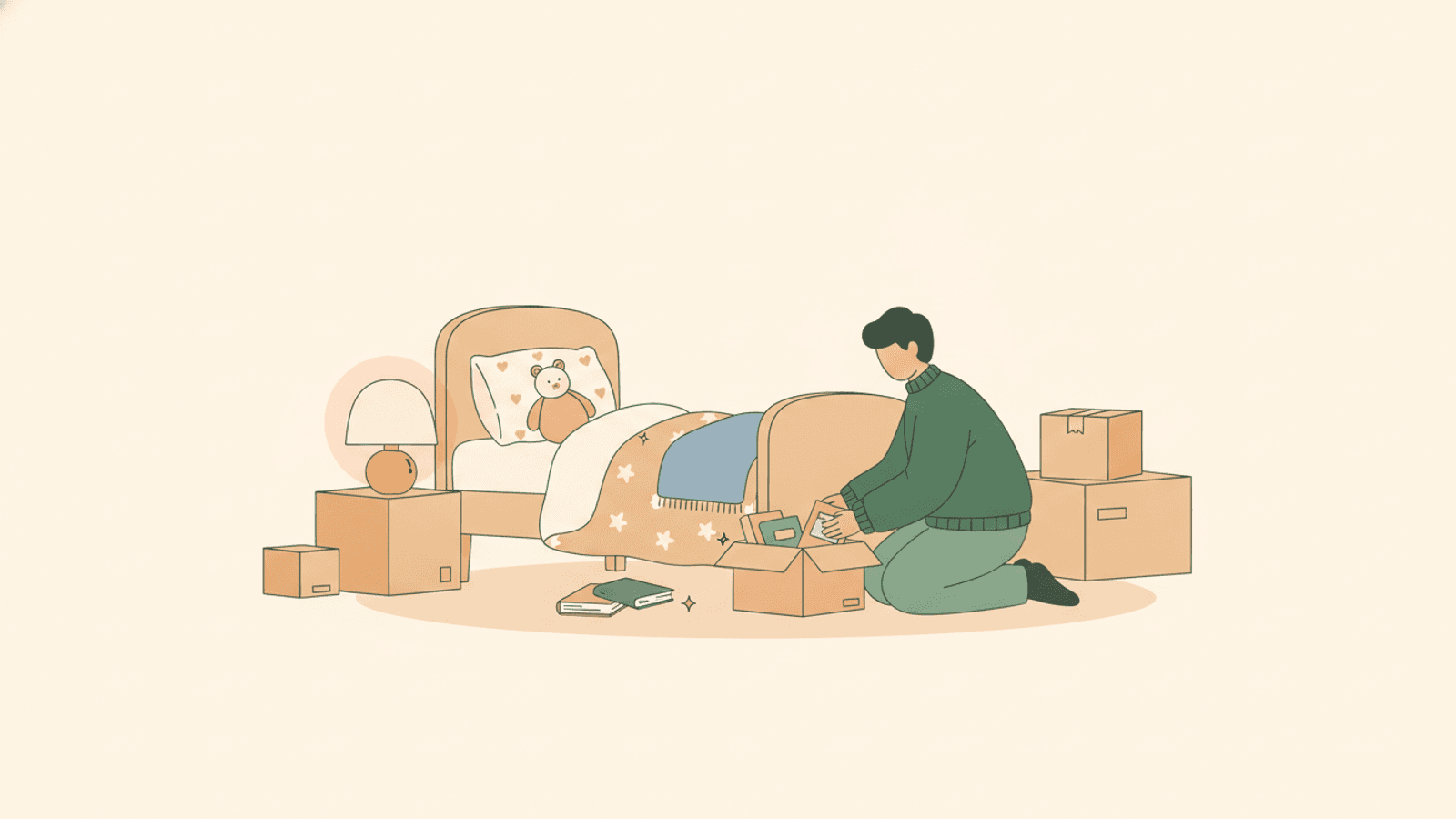
Moving House With Children: Keeping the Routine Through the Chaos
Everything about the house changes at once. Here is how to keep the one thing that should not change, and what to expect afterwards.
Articles on the challenges and joys of parenting. Our focus is on reducing parental stress, improving family communication, and helping you stay calm in challenging situations. Expertise and support for parents who want to grow in their role and find more balance.
Everything about the house changes at once. Here is how to keep the one thing that should not change, and what to expect afterwards.
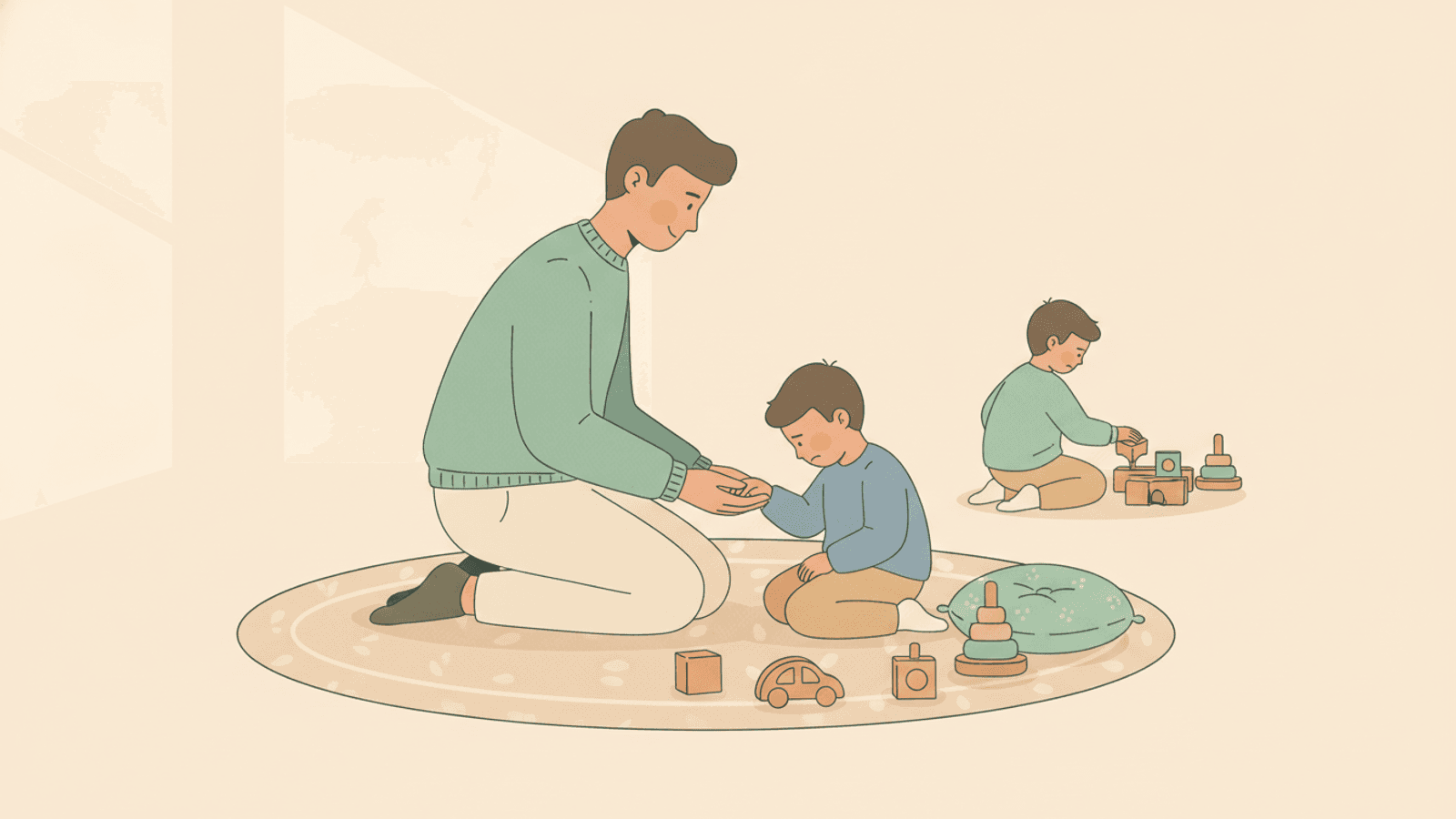
Hitting almost never means what parents fear it means. Here is what is actually going on, and the three-part response that works.
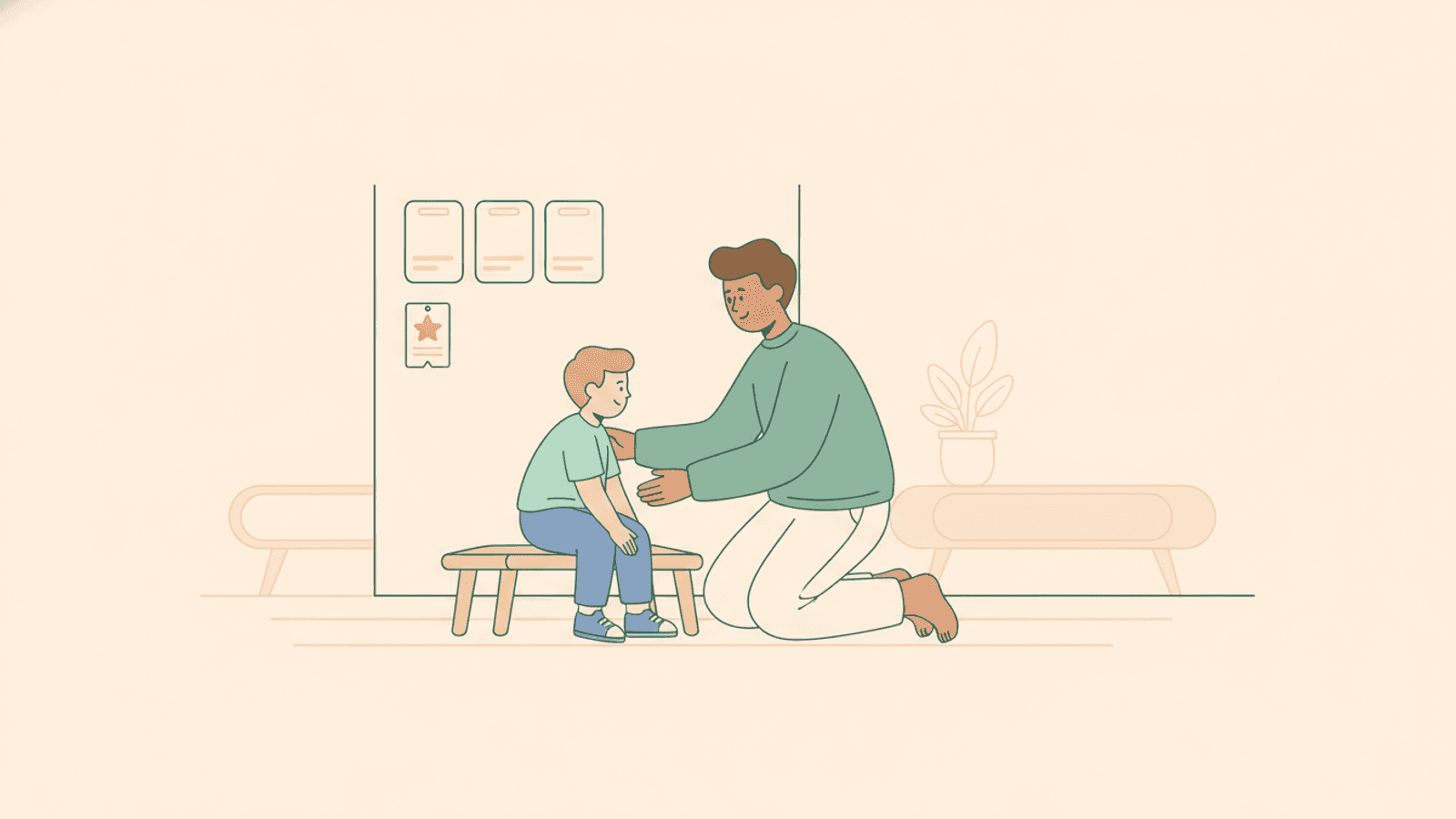
You promised yourself you would not do it again, and then Tuesday happened. Here is how to interrupt the pattern earlier, and how to repair it well.
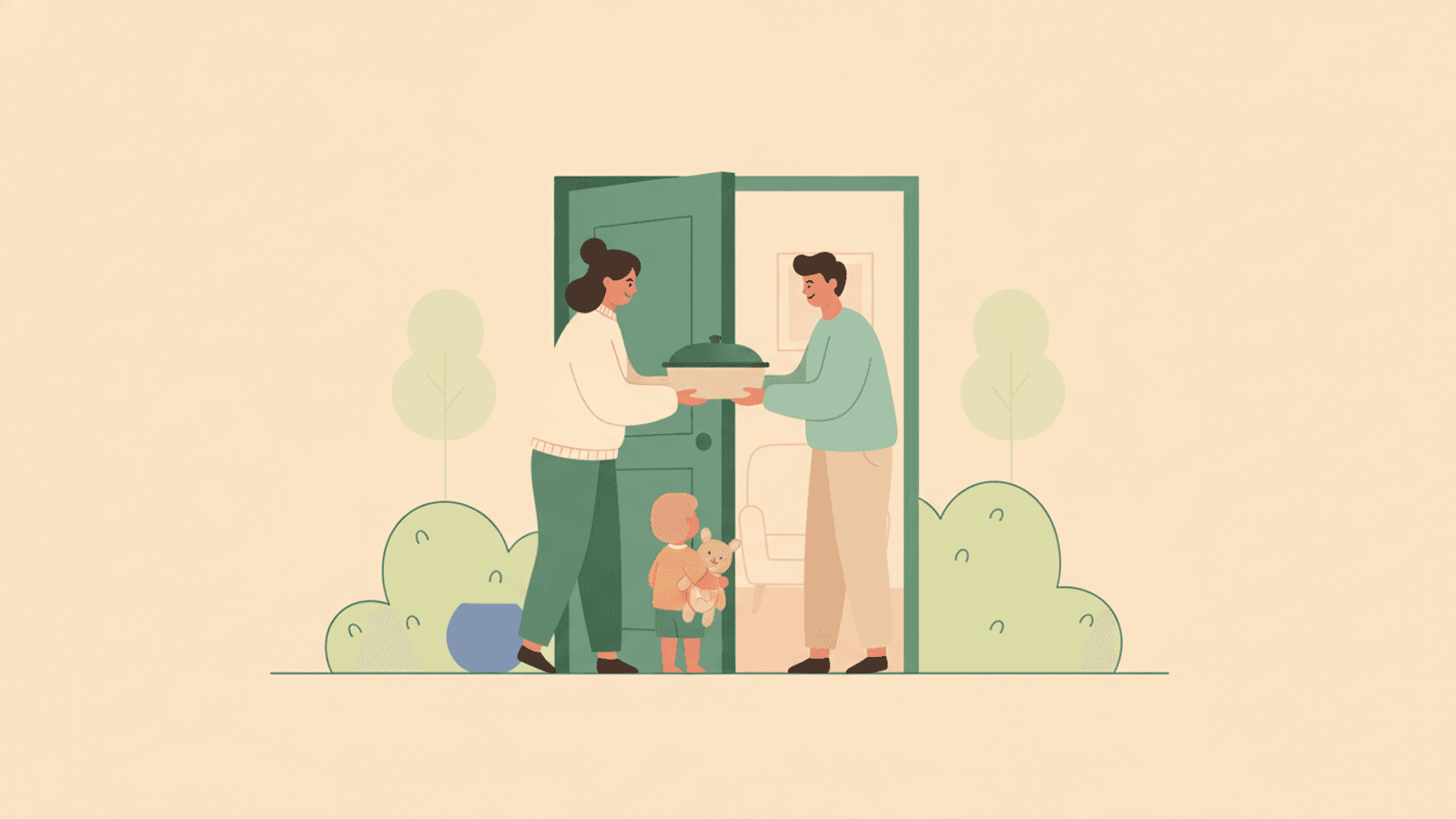
People say "let me know if I can help" and mean it. The problem is the ask, not their willingness. Here is how to make one that gets a yes.
Take a long bath, book a weekend away. None of it fits a household like yours. Here is the smaller, more boring version that actually works.
The nagging feeling that you are falling short is almost universal, and almost never accurate. Here is how to tell useful guilt from the useless kind.
One of you says yes, the other says no, and the child learns which parent to ask. Here is how two adults find common ground on rules and routines.
When a child is escalating, matching their intensity pours fuel on the fire. The low-arousal approach does the opposite, and it can change the whole day.
Parent burnout is chronic depletion, not a character flaw. Here is how it looks in families with ADHD or autism, the warning signs worth taking seriously, and what genuinely reduces the load.
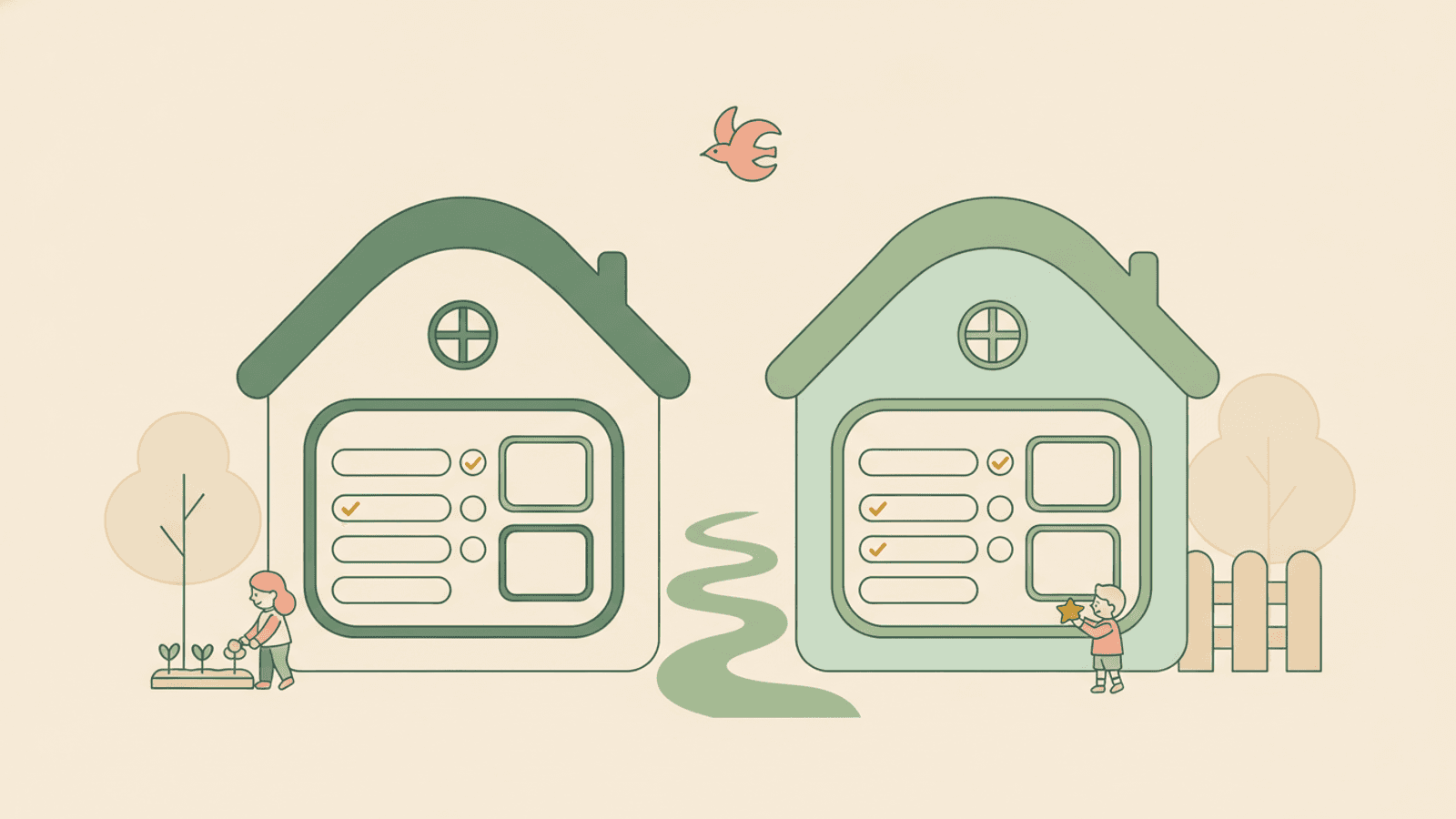
In a blended family the hard part is not the schedule, it is that two homes have two sets of unwritten rules. One small shared routine can carry the child across the gap.
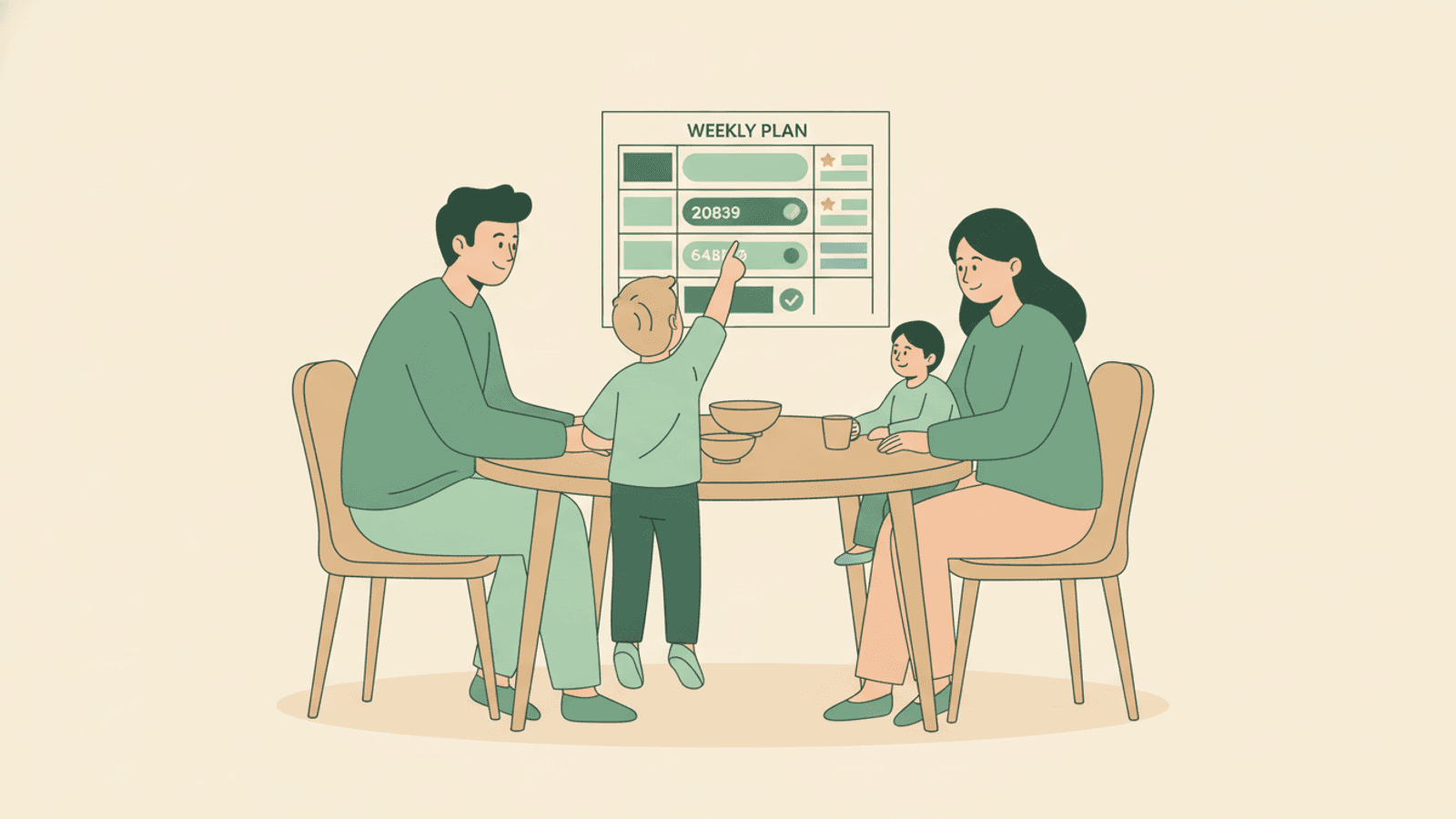
A family meeting only works if it stays short and predictable. Here is a four-point agenda that fits in 15 minutes, how to adapt it from age 4 to 14, and what to do when it turns into blaming.
Fair does not mean identical. Learn why treating siblings as individuals, meeting different needs openly, and answering that's not fair with confidence builds a calmer, more secure family.

The brother or sister of a child with ADHD or autism can quietly feel overlooked. Here is how to notice the glass sibling, welcome their feelings, and know when to seek support.

A warm, practical guide to preparing your older child for a new sibling: normal feelings, how and when to tell them, keeping routines stable, protecting one-on-one time, and giving children with ADHD or autism the extra predictability they need.
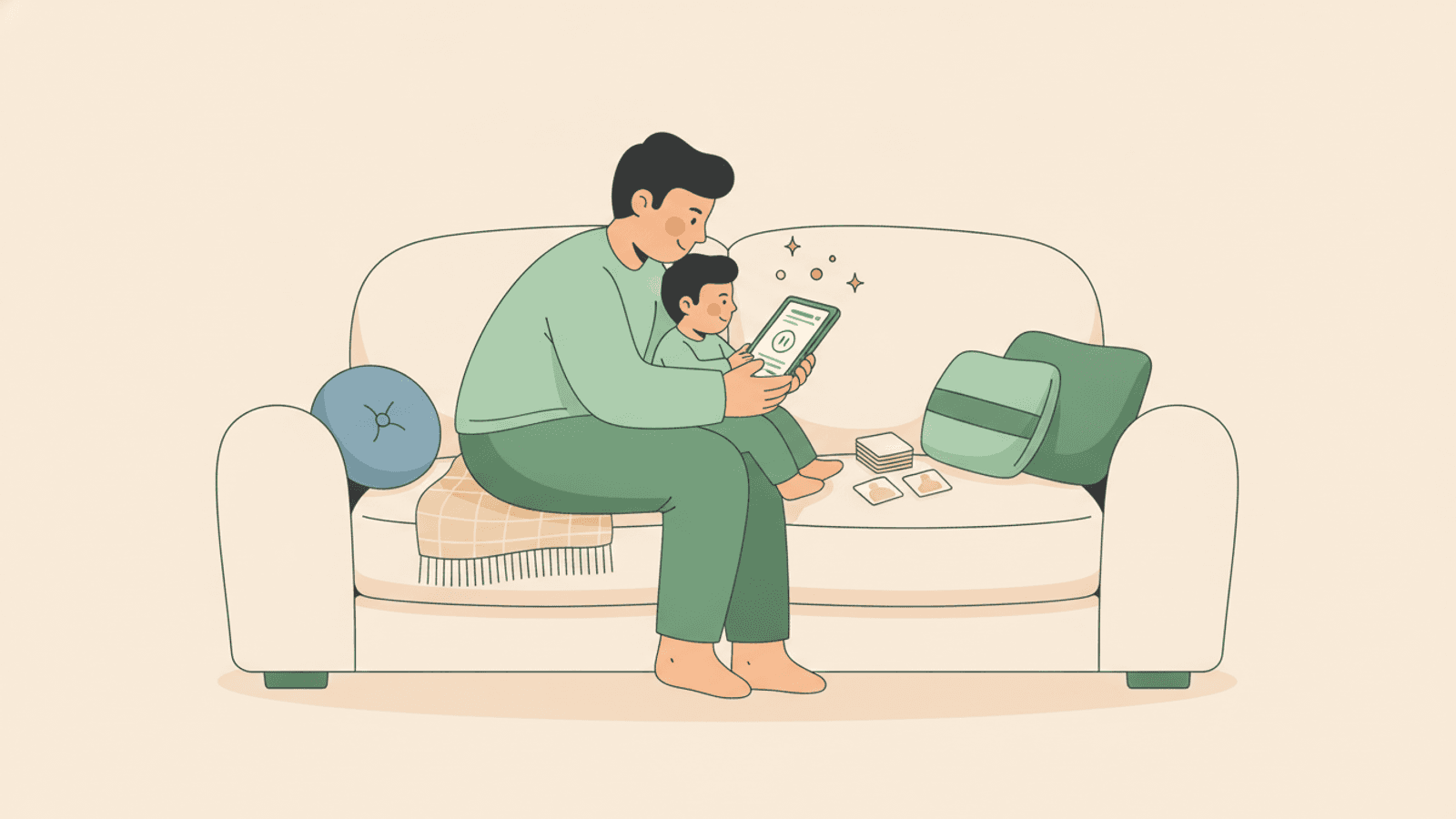
The YouTube algorithm is built to keep children watching, not to protect them. Here is how it works, why it is so hard to leave (especially with ADHD), and calm, practical ways to set limits.
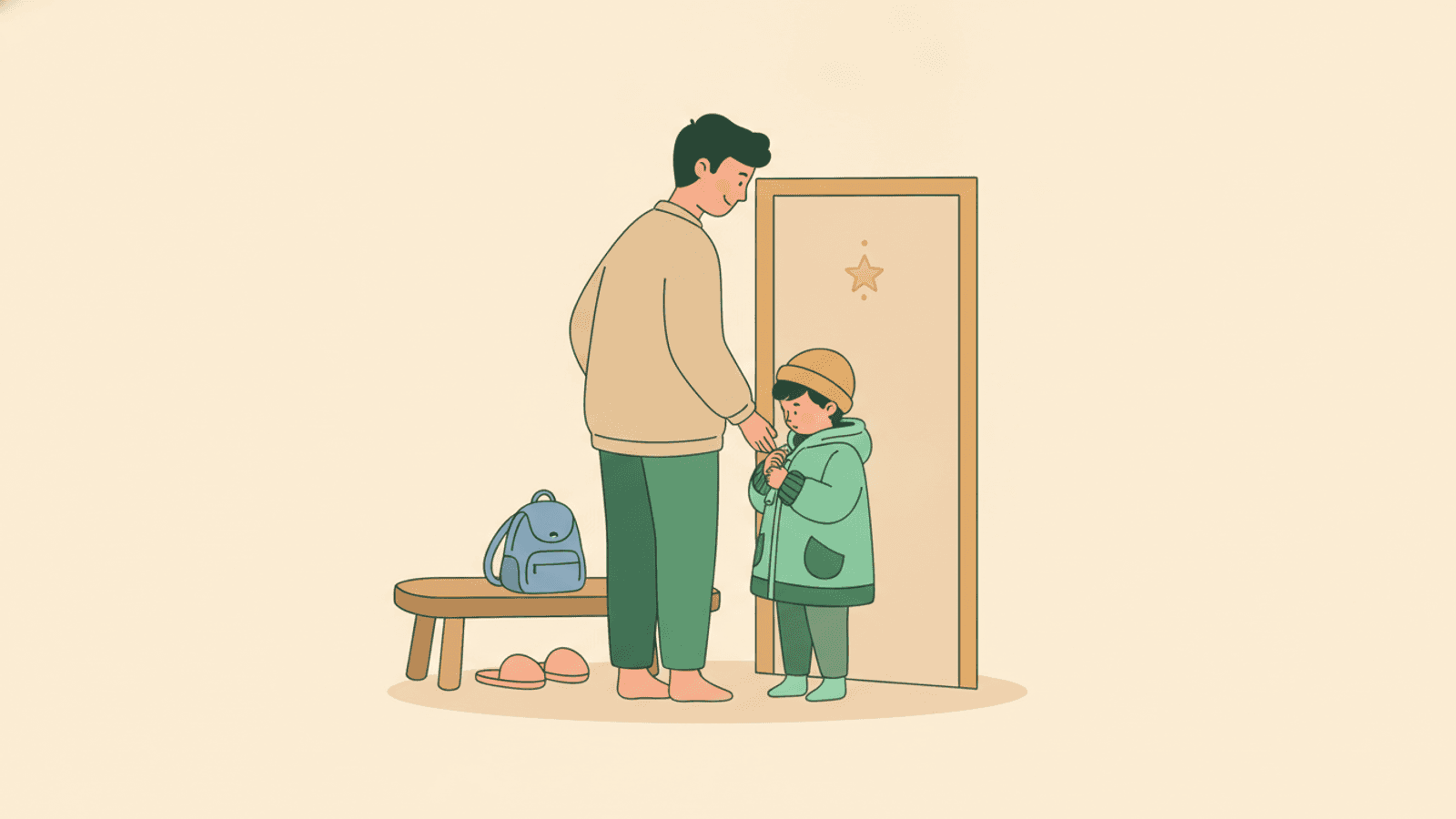
Rescuing your child from every struggle feels loving, but stepping back is often what builds real competence. Here is how to let your child do hard things without leaving them stranded.
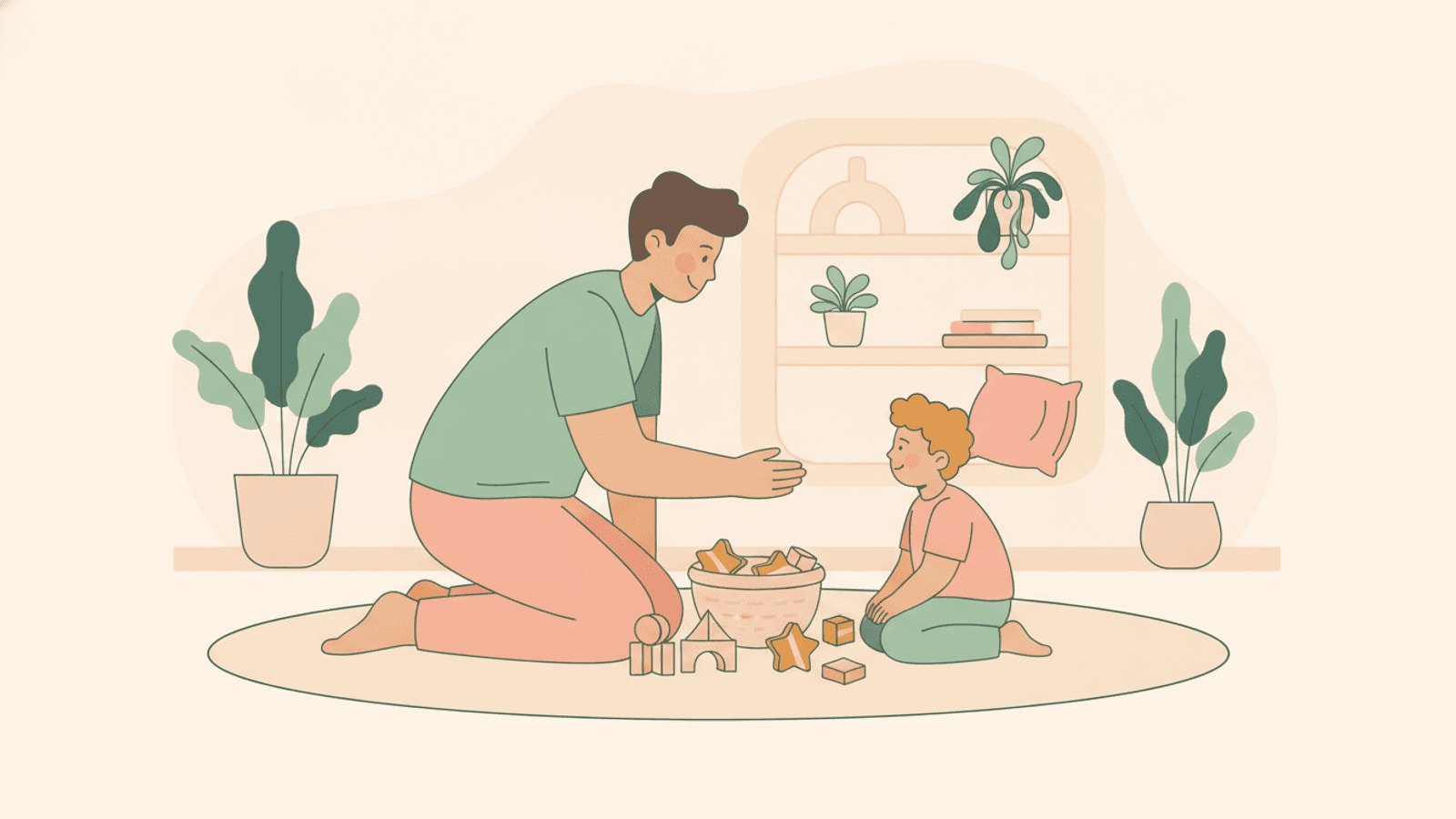
Natural consequences let the outcome do the teaching, so your child links action to result without fear or nagging. Here is how they differ from punishment, when to use a logical consequence instead, and how to stay calm.
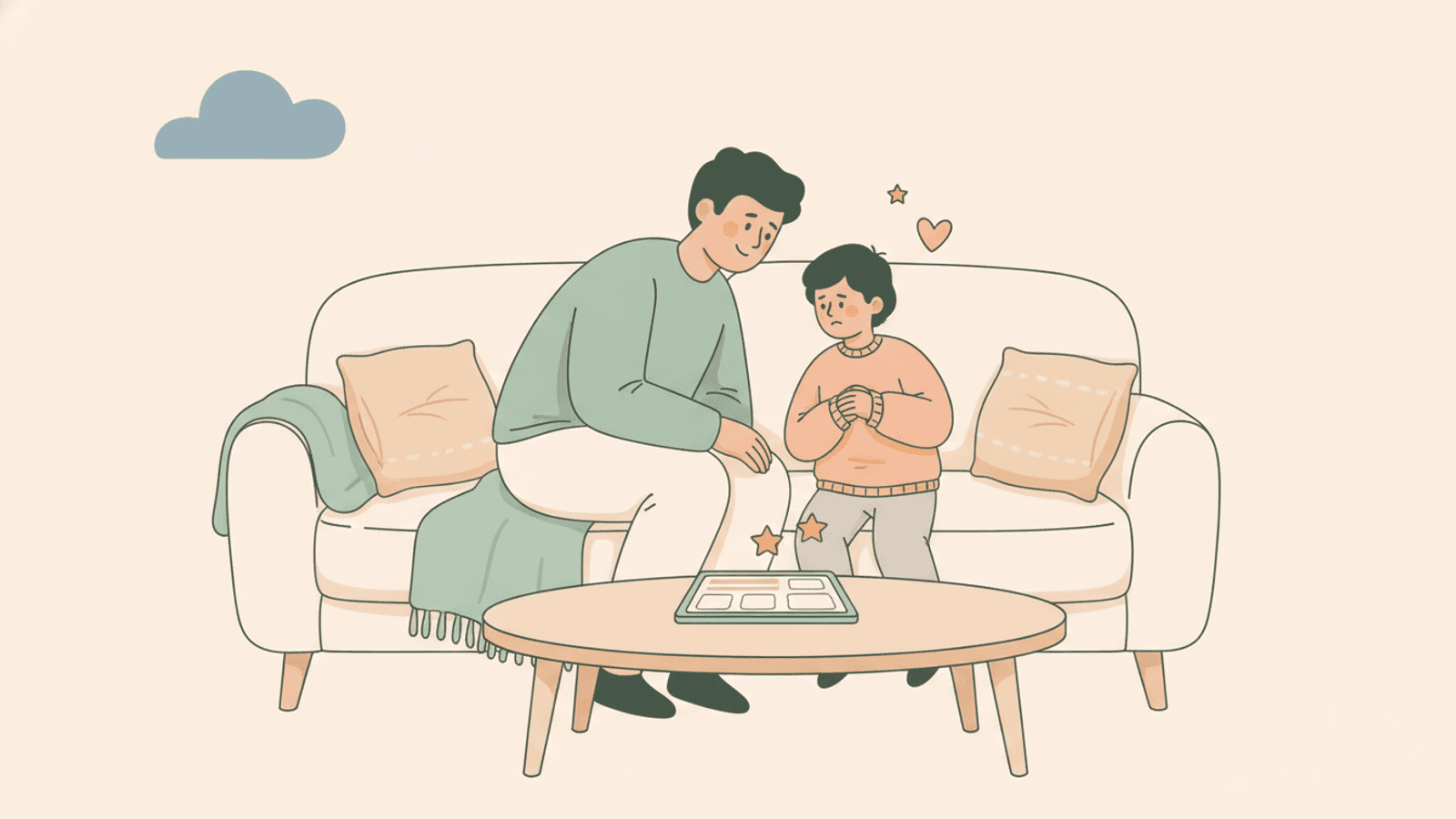
Few things frighten a parent more than suspecting their child is being bullied. It can be hard to spot, hard to talk about, and hard to know what to do. Knowing the signs and how to respond — calmly and effectively — makes a real difference.
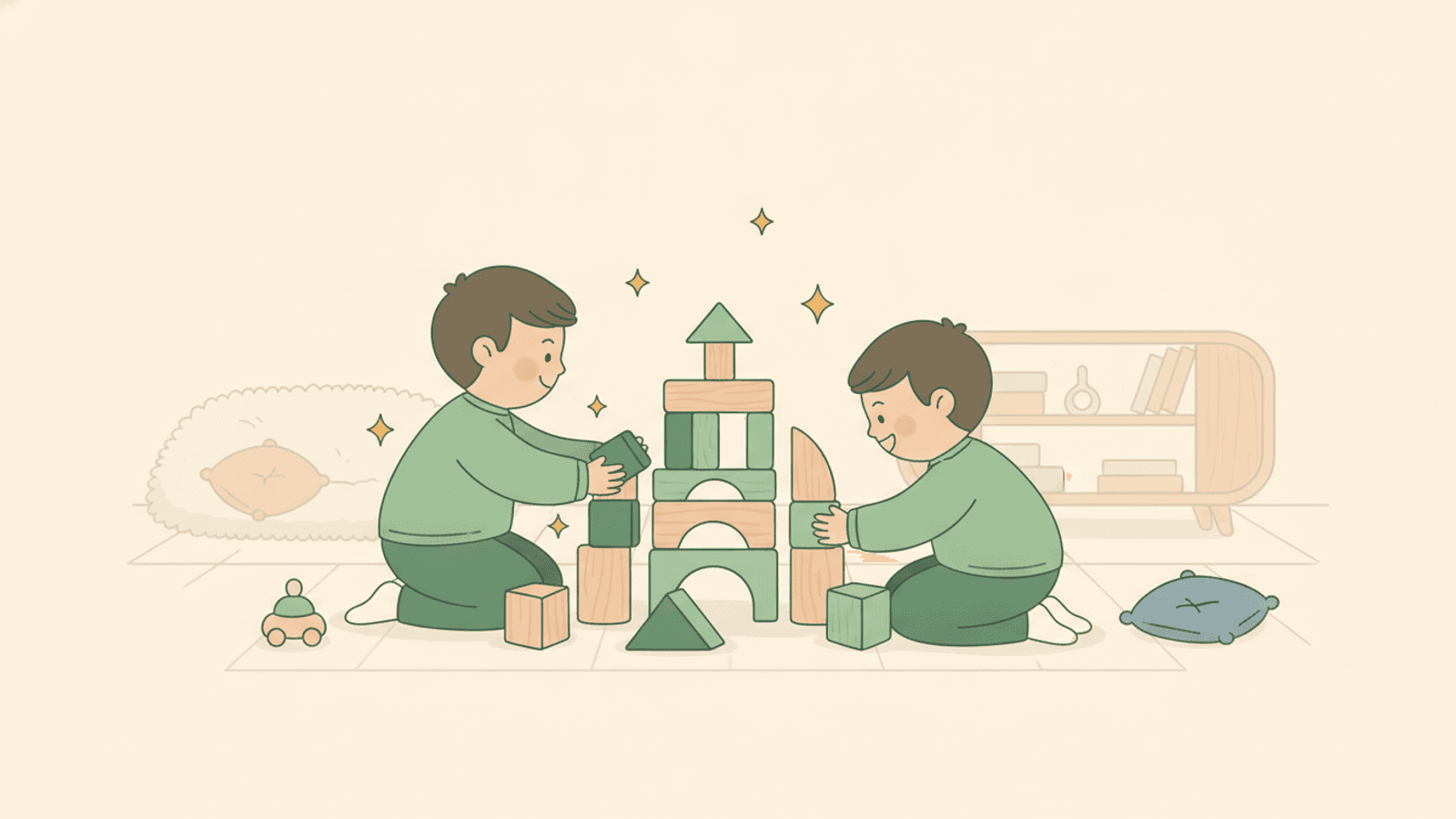
Watching your child struggle to make or keep friends is one of the hardest parts of parenting. But making friends is a skill that can be learned and supported, and “struggling socially” looks different for every child. Here is how to help.
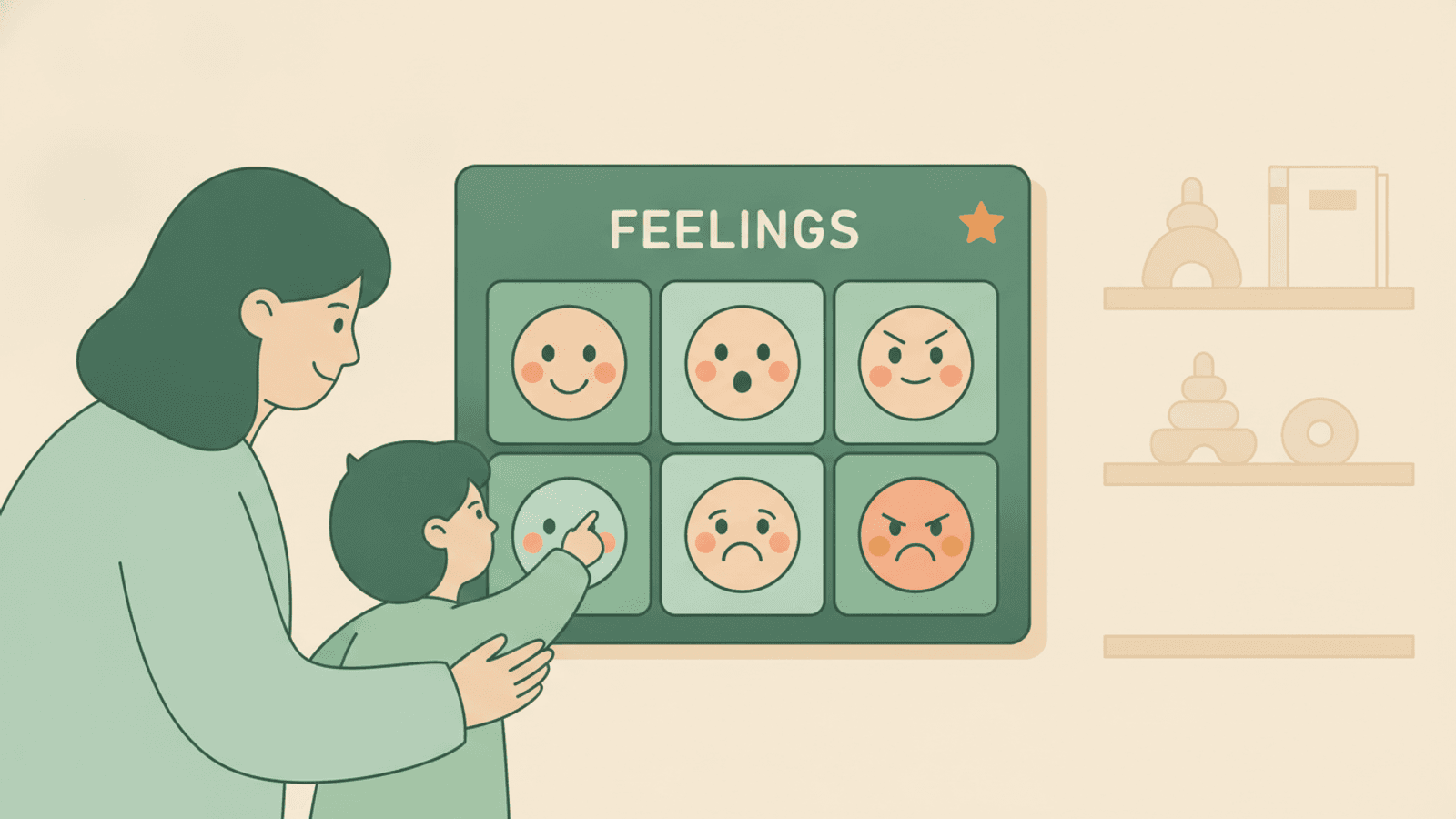
A child who can say “I’m frustrated” is doing something powerful — turning a storm into words. Emotional vocabulary underpins everything from self-regulation to friendships, and it is one of the most useful things you can teach. Here is how to build it.
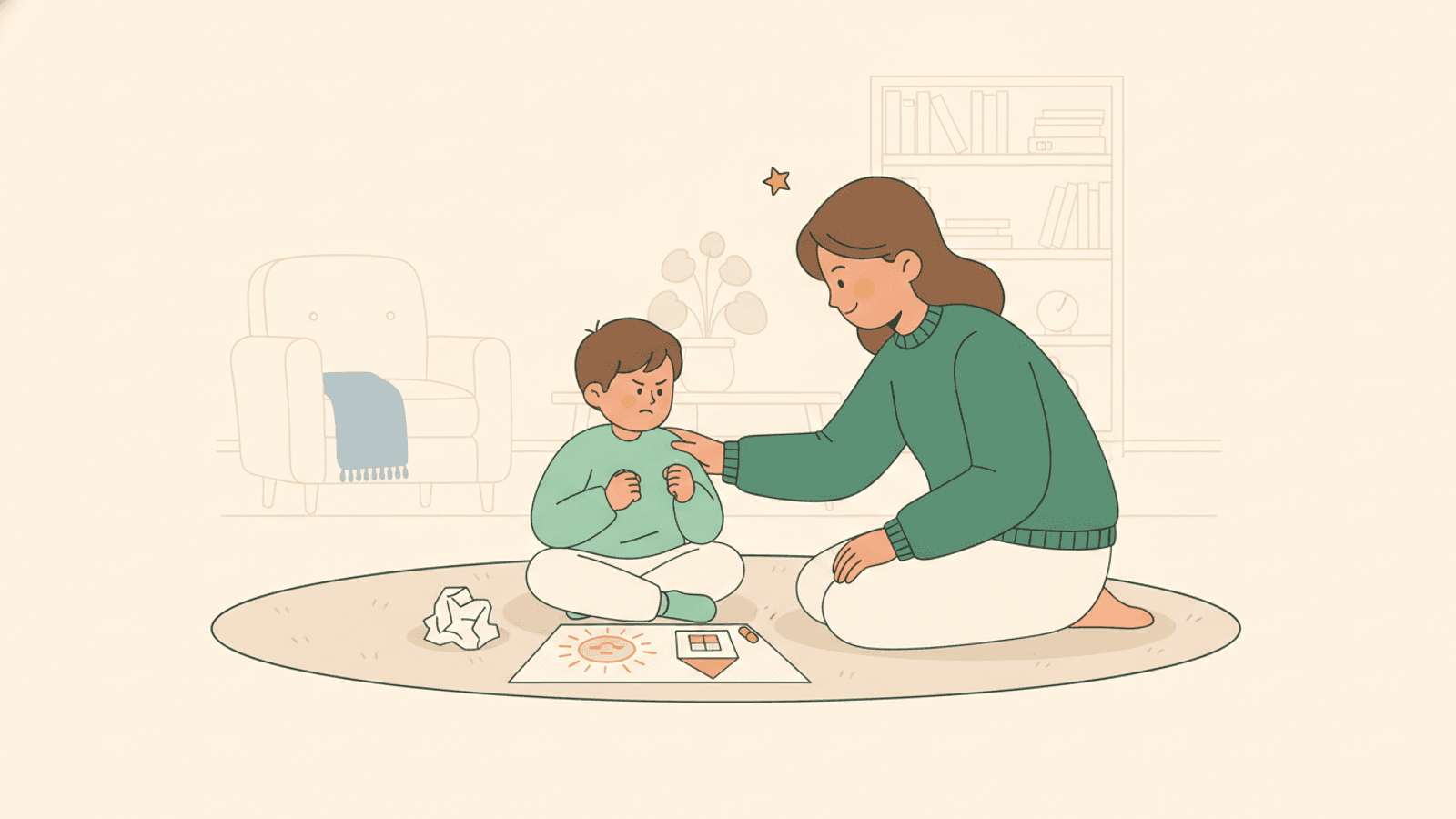
A child who crumples a drawing over one wrong line, who will not try unless they are sure they will win, who calls themselves stupid over a small mistake — perfectionism can be heartbreaking to watch. It is not about high standards; it is usually fear.
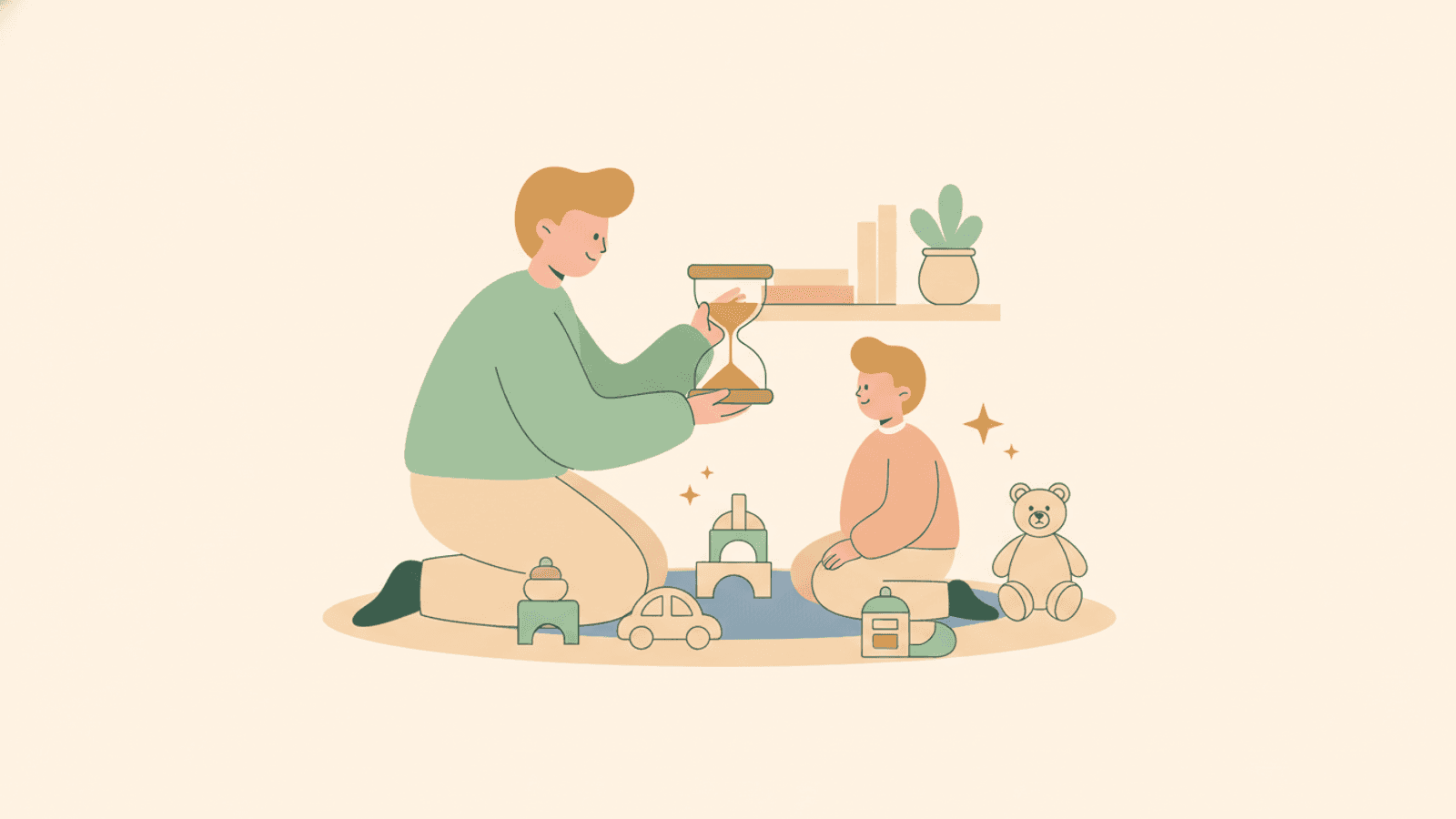
“Time to go!” “Turn it off now!” — and the meltdown begins. Transitions, the moments between one activity and the next, are one of the most common flashpoints in family life. A few simple habits, led by the humble forewarning, make them dramatically smoother.
Few sounds fray a parent faster than a whine — it can feel designed to. But whining is communication: usually a child telling you a need is not met, in the only way they have right now. Here is how to respond so it works less and fades faster.
Catching your child in a lie can feel alarming — is this a character problem? Almost always, no. Lying is a normal part of development, and how we respond decides whether it fades or grows. Here is why children lie and what helps.
“Use your words.” “Just calm down.” We say these things, but emotion regulation is not something children simply have — it is a skill, built slowly, with our help. Here is a practical toolkit of what actually helps.

Worries are part of childhood — the dark, dogs, school, being away from you. For most children they come and go. But anxiety can grow when we handle it in the well-meaning ways that accidentally feed it. Here is what actually helps.
Anger frightens parents — the shouting, the hitting, the slammed doors. But anger itself is a normal, healthy emotion. The job is not to stop your child feeling it, but to help them handle it without hurting themselves, others or things.
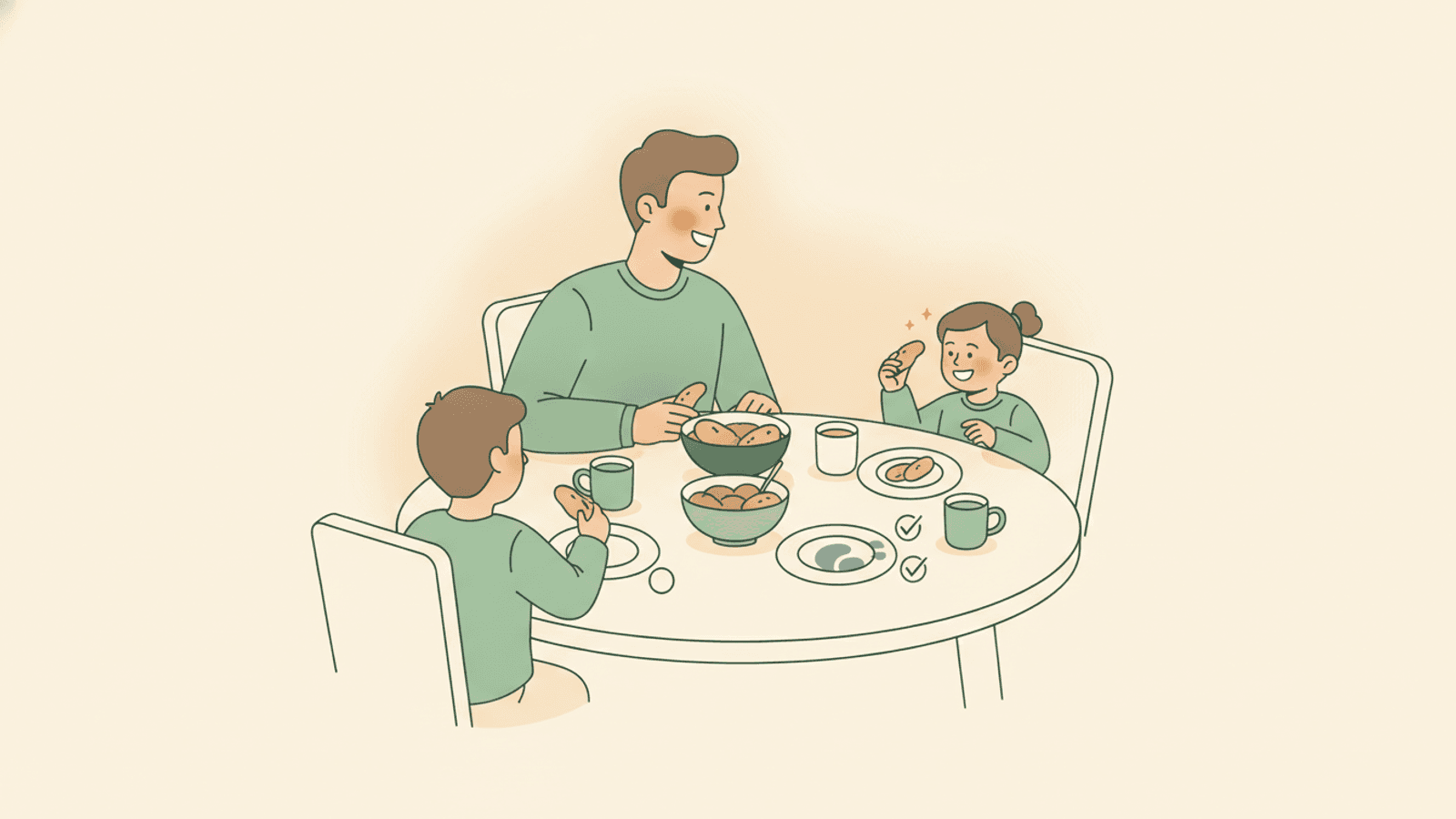
Family dinner is sold as a warm ritual, and then reality is one child refusing everything, another bouncing off the chair, and you negotiating bites. Dinners do not have to be battles — most of the fighting comes from a few fixable patterns.
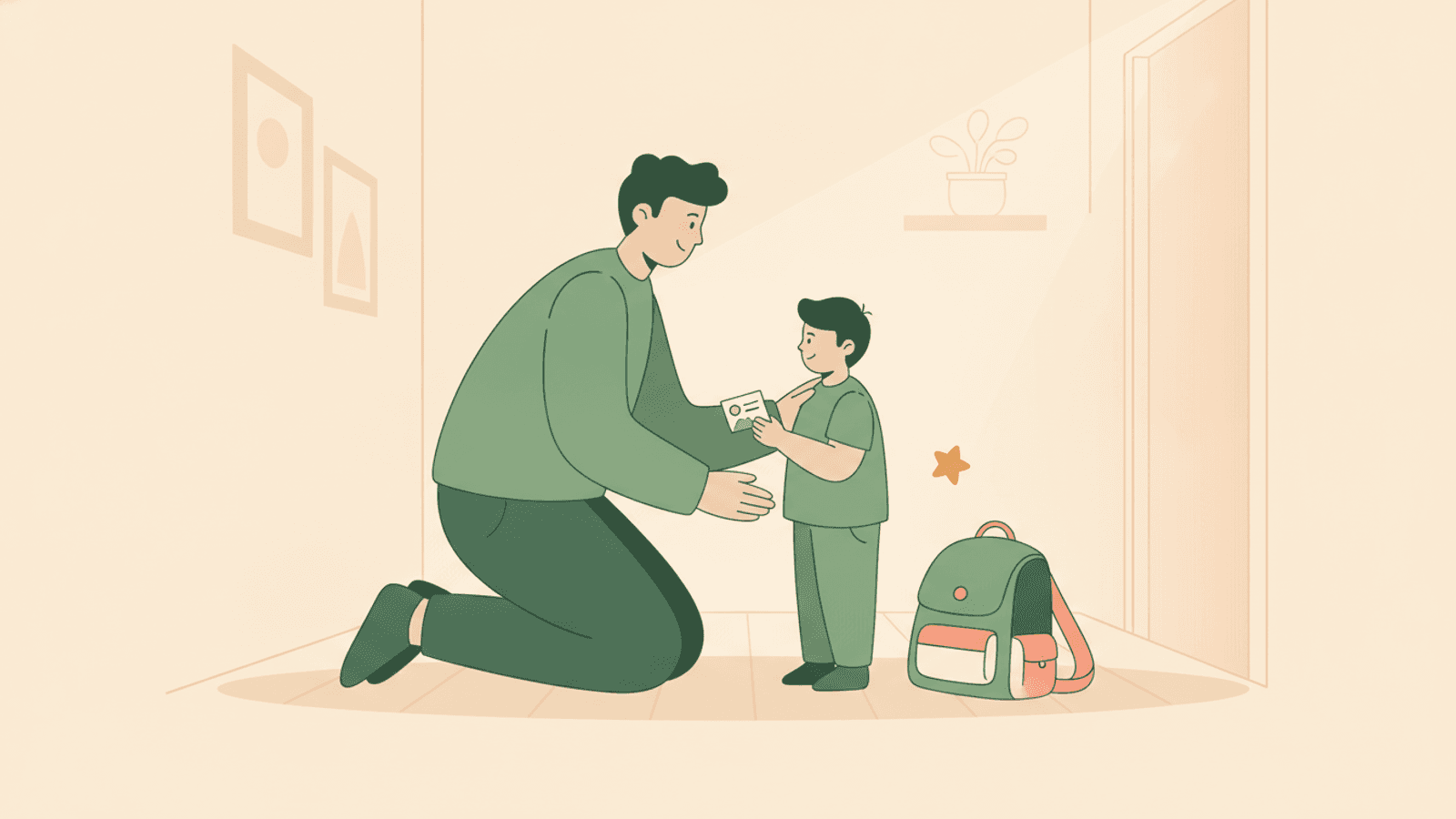
The clock is ticking, you need to leave in ten minutes, and your child is on the floor in tears over a sock. Morning meltdowns are exhausting and they make everyone late. Understanding why they happen makes them rarer and shorter.
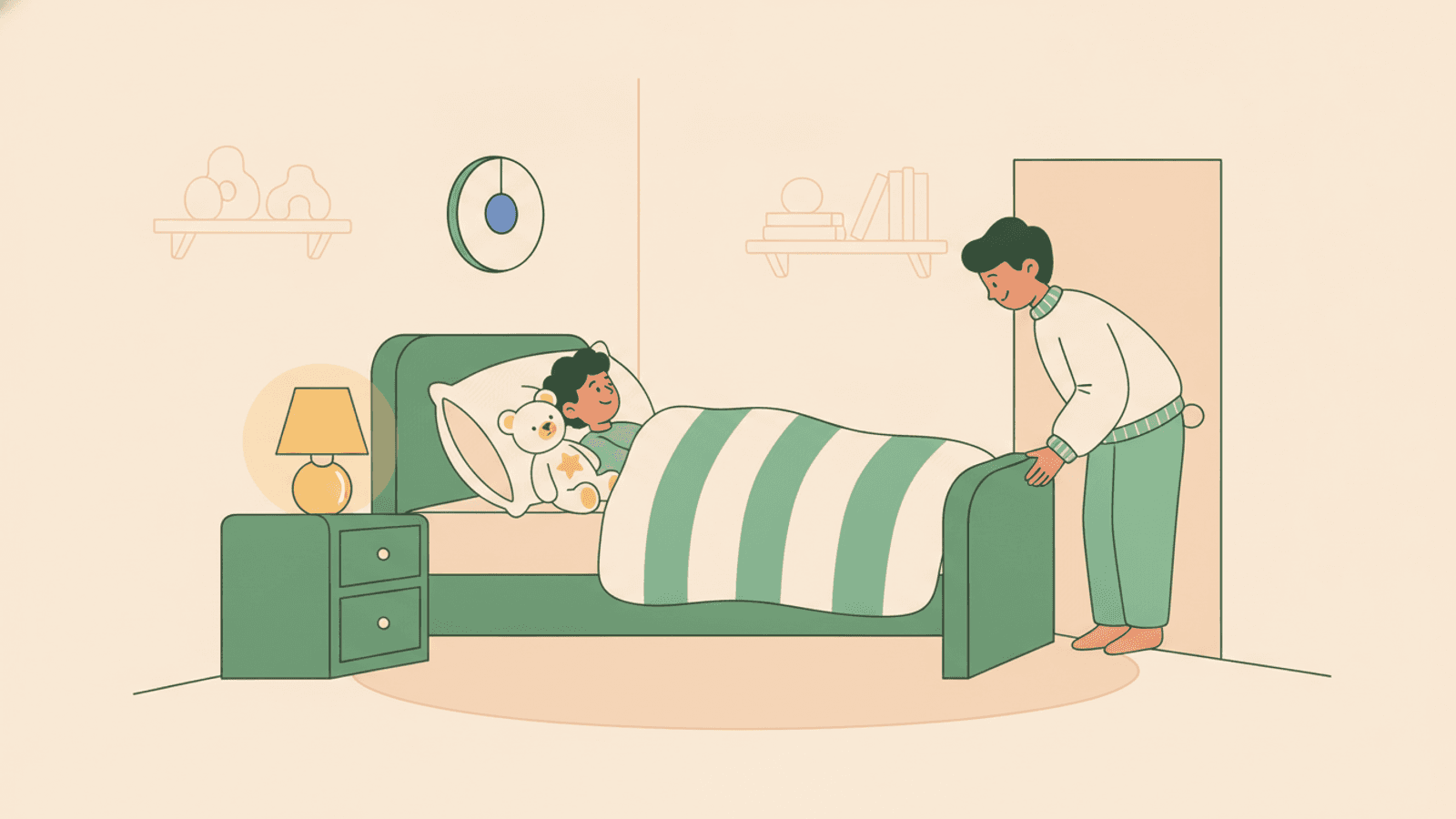
Whether co-sleeping was a choice or just how you survived, moving your child to their own bed can feel daunting. Done gradually and kindly, it works — here's a step-by-step way that protects everyone's sleep and your child's sense of security.
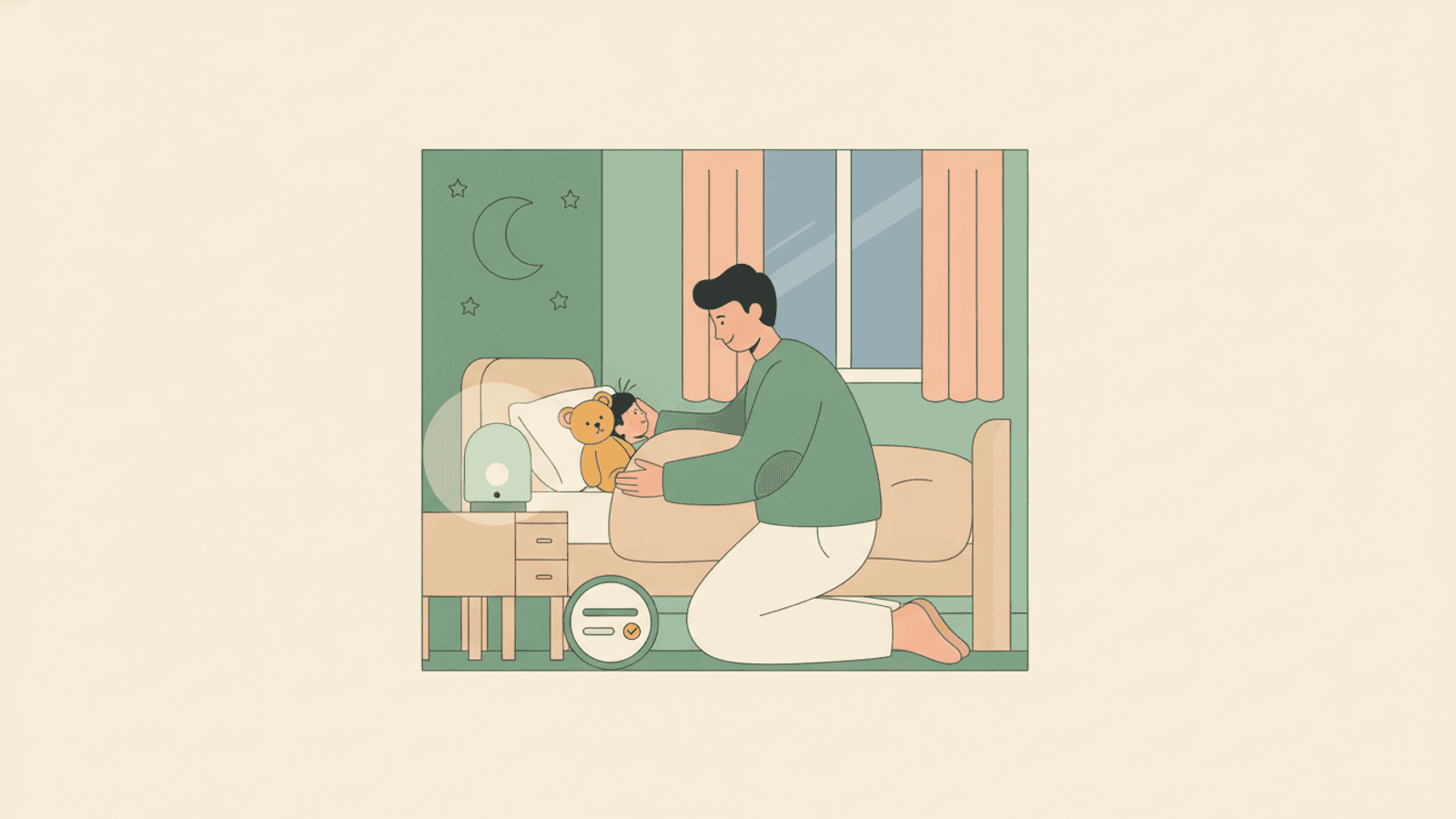
A child screaming and inconsolable in the night is frightening — but nightmares and night terrors are two very different things, and they need almost opposite responses. Here's how to tell them apart and what actually helps.
A meltdown in a shop or at the beach, with strangers staring, is every parent’s dread. The strategies that work are almost the opposite of what onlookers expect.
Long summer swaps between two homes can unsettle even an easy-going child. A shared routine that travels between homes gives them stability when everything else changes.
By mid-July the “I’m bored” chorus starts. Boredom isn’t a problem to solve for your child — it’s a skill to build. Here’s how to step back without the day descending into chaos.

Eleven hours together, no school, no schedule — and by 10 AM they're at each other's throats. Sibling conflict on school breaks isn't bad luck; it's the predictable result of lost structure and overlapping territory. Five fixes that move the needle.

Most picky eating is a phase that ends. Some isn't — and the difference matters. A practical guide to telling them apart, the mealtime structure that helps both, and when to talk to a doctor about ARFID or sensory-based food avoidance.

A meltdown isn't bad behavior — it's a brain that ran out of capacity. The three-phase framework most parents miss: prevent before, low-arousal approach during, repair and adjust the day after. Plus what to never say in the middle of one.

Held it together all day at school — and explodes the moment you say hello at pickup. It has a name: restraint collapse. Why "the good kid at school" comes apart at home, and the 30-minute decompression protocol that prevents the daily disaster.
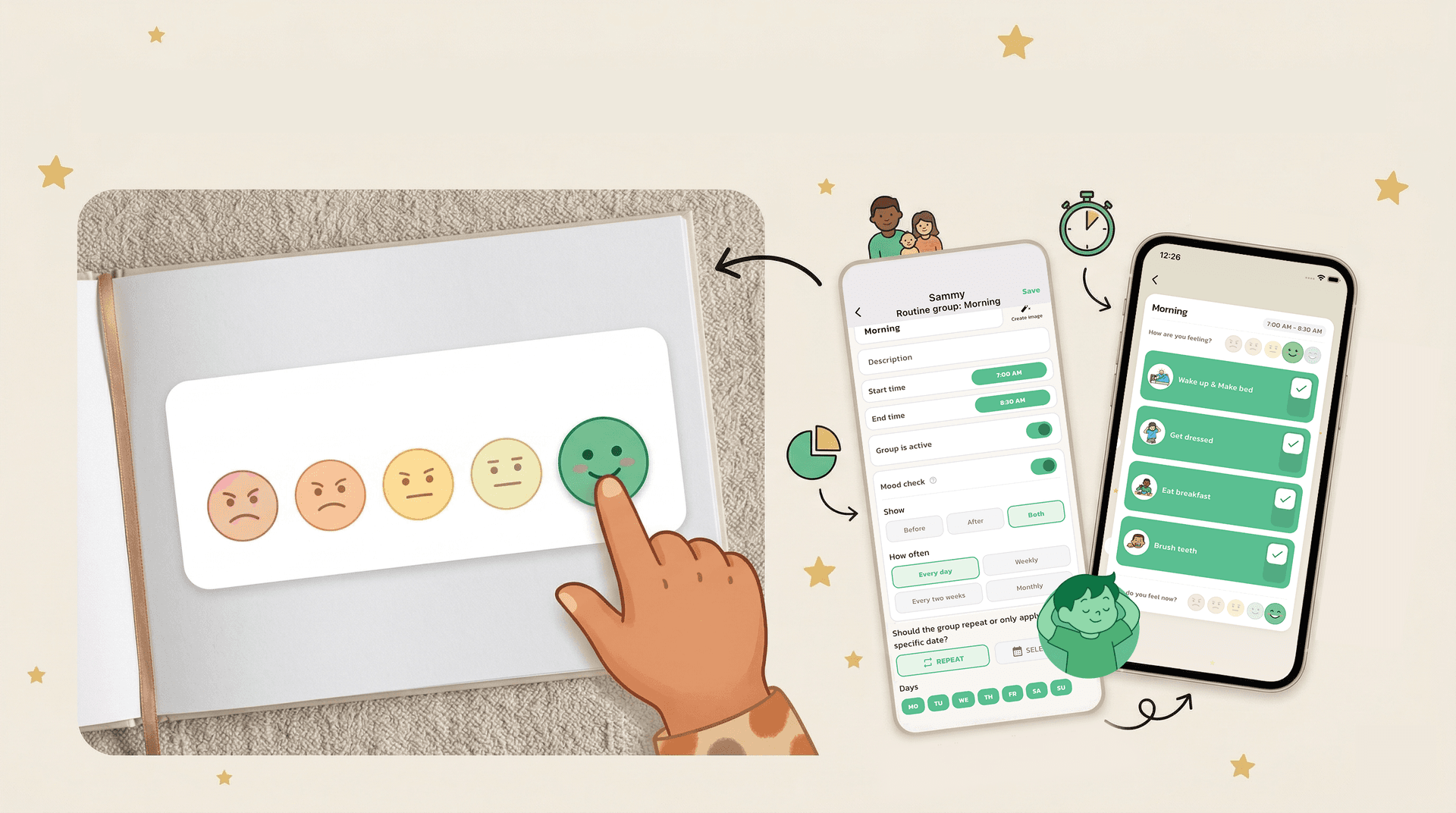
How is your child really feeling before the evening routine starts? And how do they feel afterwards? With Humörkoll in Routined, you get answers – without having to ask.

Many parents describe everyday life as a constant mental puzzle: remembering schedules, giving reminders, staying one step ahead, and anticipating emotional reactions. For parents of children with ADHD or autism, this is often even more pronounced. But what actually happens when a parent unintentionally becomes the project manager of a child’s entire day – and how can we step out of that role without losing structure?