Nightmares and Night Terrors: The Difference and How to Help
A child screaming and inconsolable in the night is frightening — but nightmares and night terrors are two very different things, and they need almost opposite responses. Here's how to tell them apart and what actually helps.
A child sitting up screaming in the dark, inconsolable, is one of the most frightening things to witness as a parent. But nightmares and night terrors are two very different things — and, crucially, they call for almost opposite responses. Knowing which one you are dealing with makes the night far less alarming.
The key difference
A nightmare is a bad dream. It happens in light, dreaming sleep, usually in the second half of the night, and the child wakes up, remembers it, and wants comfort. A night terror is something else entirely: a partial waking from very deep sleep, usually in the first few hours after falling asleep. The child may scream, thrash and look terrified with their eyes open — but they are still asleep, will not respond to you, and will remember nothing in the morning.
Night terrors: what to do
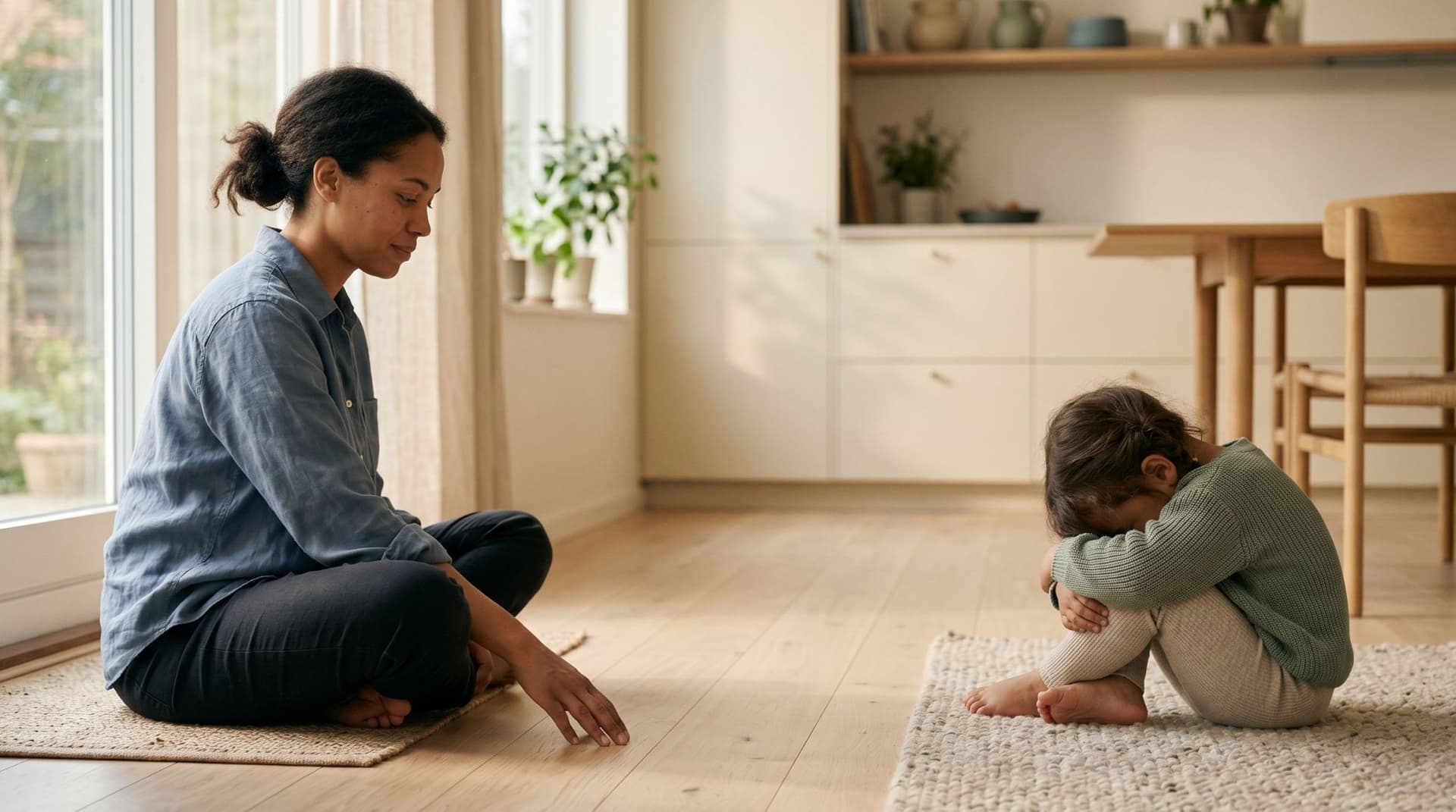
Night terrors look dramatic but are harmless. They are most common between about three and seven years, and they happen when the brain gets briefly stuck between deep sleep and waking. The child is not actually awake, even though it looks like it.
- Keep them safe. Do not try to wake, hold down or shake them — it can make the terror last longer. Just make sure they cannot fall or hurt themselves.
- Stay calm and wait. Dim the light, speak softly if at all, and let it pass. Most terrors end within a few minutes and the child settles straight back to sleep.
- Do not bring it up in the morning. They will not remember it, and asking can worry them about something they never experienced.
The single biggest trigger is being overtired, so the best prevention is enough sleep and an earlier, calmer bedtime. If terrors happen at roughly the same time each night, gently rousing your child just enough to stir them about 15 minutes beforehand, for a week or so, can break the cycle.
Nightmares: what to do
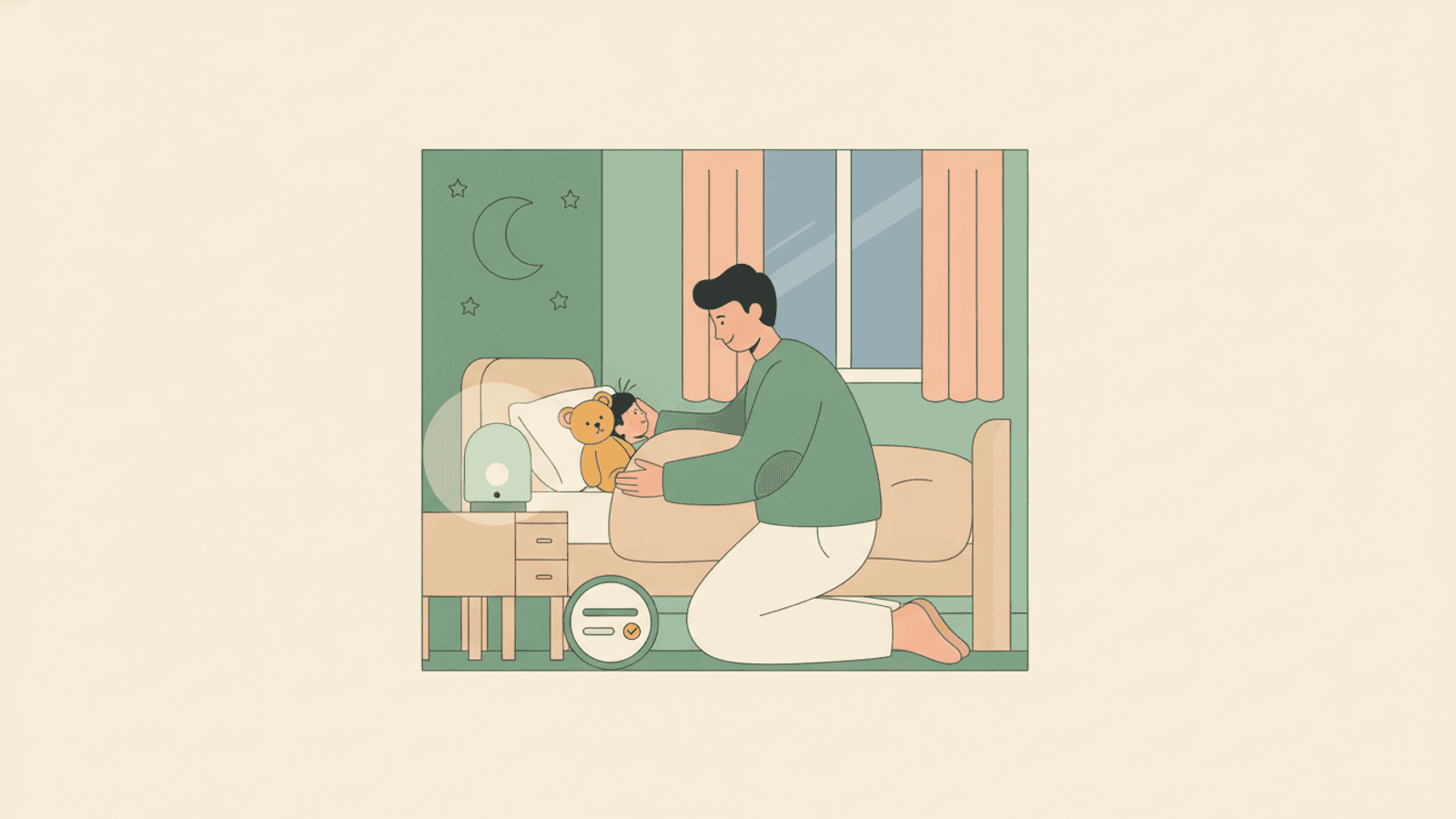
Nightmares need the opposite approach. Here the child is genuinely awake, frightened and reaching for you — so go to them, comfort them, and reassure them that they are safe. Keep it calm and fairly brief, then settle them back to sleep. During the day it helps to talk about the dream, name the fear, and add something reassuring at bedtime: a nightlight, a favourite soft toy, or a "guardian" by the bed.
Reducing both
Both nightmares and night terrors get worse with too little sleep, a chaotic evening, and scary input close to bedtime. A predictable wind-down, enough hours of sleep, no frightening screens or stories late on, and a calm response to daytime worries all help bring them down over time.
When to seek help
Occasional nightmares and night terrors are a normal part of childhood. Check in with your doctor if they are very frequent, if your child hurts themselves, if there is loud snoring or pauses in breathing, or if your child is exhausted during the day. This article is general guidance, not medical advice.
Read more
Frequently asked questions
What is the main difference between a nightmare and a night terror?
A nightmare is a bad dream the child wakes from and remembers, and they want comforting. A night terror is a partial waking from deep sleep where the child screams and looks awake but is still asleep, does not respond, and will not remember it.
Should I wake my child during a night terror?
No. Trying to wake or restrain a child during a night terror can prolong it and confuse them. Keep them safe, stay calm, and let it pass — they usually settle back to sleep on their own.
Why does my child not remember screaming in the night?
Because during a night terror they were never truly awake. Terrors come out of deep, dreamless sleep, so there is nothing to remember — which is why it is best not to mention it the next day.
What triggers night terrors?
Overtiredness is the biggest trigger, along with irregular sleep, illness or fever, and sometimes a too-full bladder. More sleep and a consistent, calmer bedtime usually reduce them.
When should I see a doctor?
If nightmares or night terrors are very frequent, your child is hurting themselves, there is loud snoring or pauses in breathing, or your child is very tired by day, talk to your doctor.