Reading at Home With a Reluctant Reader: How to Bring Back the Joy
“Do I have to?” For some children, the nightly reading task is a daily battle, and pushing harder usually backfires. The goal is not to force reading but to help a child want to read, and that comes from making it enjoyable rather than a chore.
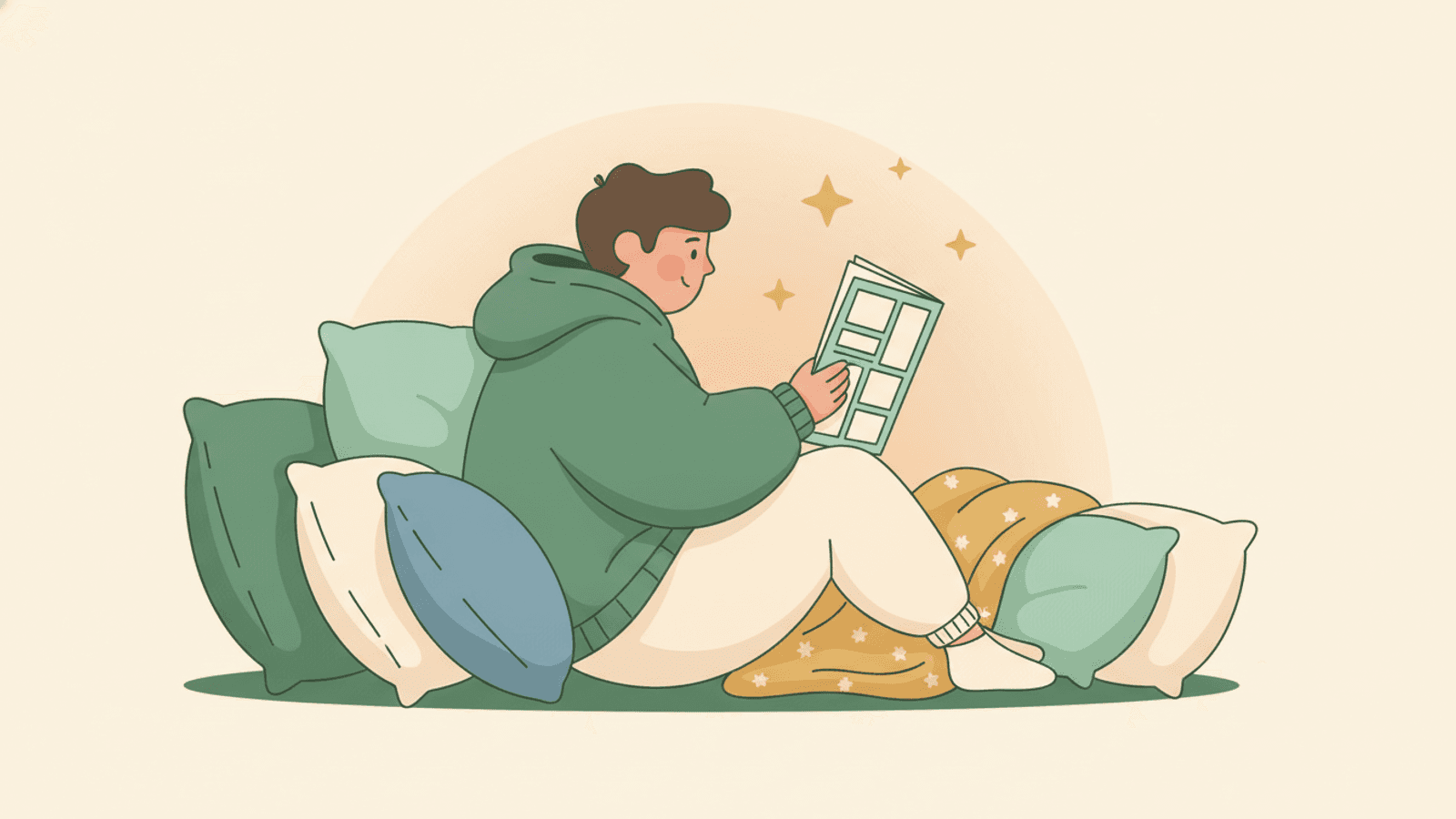
“Do I have to?” For a lot of children, the nightly reading task is a daily battle of sighs, slumping and stalling, and pushing harder almost always backfires. The good news is that the goal was never really to force reading at all. It is to help a child want to read, and that comes not from pressure but from making reading enjoyable rather than a chore. Here is how to bring the pleasure back.
Why children resist reading
Reading is genuinely effortful for a developing or struggling reader, so it can feel like hard work, or even like failure, when the words do not come easily. Add pressure, the wrong books — too hard, or just boring — and a nightly power struggle, and “reading” becomes a thing to avoid. For some children, persistent resistance and difficulty can hint at an underlying reading difficulty such as dyslexia, which is worth keeping in mind. But for most, reluctance is about enjoyment and pressure, not ability.
Let them choose — anything counts
The single biggest shift is letting your child pick what they read, and counting far more than you might instinctively want to. Comics, graphic novels, joke books, football annuals, non-fiction about their current obsession, magazines, even the back of the cereal box — it all builds reading. A “low-status” book your child genuinely loves does far more for them than a “proper” book they resent. Reading for pleasure, in any form at all, is the real goal.
Take the pressure off
- Read to them and with them, not just listen to them perform — sharing a story keeps the love of it alive.
- Keep it short: ten minutes of enjoyable reading beats thirty stressful ones every time.
- Make it cosy — a snuggle, a quiet moment, a bedtime story — rather than a test to be passed.
- Do not correct every word or quiz them on the meaning; let small mistakes go.
Audiobooks and being read to count
Listening to audiobooks and being read to are real reading experiences: they build vocabulary, comprehension and a love of story, especially for a child who finds decoding the words hard. They are not cheating. They keep a struggling or reluctant child connected to books and stories while the mechanics of reading catch up. For a child working on decoding, pairing an audiobook with the printed version can be a powerful combination.
Make reading part of life
- Model it — let your child see you reading for your own pleasure.
- Link books to their interests, hobbies and favourite shows or games.
- Keep books around the house and visit the library; let choosing be the exciting part.
- Build a short, cosy daily reading time into the routine, kept genuinely low-pressure.
When to look closer
If your child finds reading extremely hard, avoids it intensely, is not making progress, or shows signs like guessing words, constantly losing their place, or real distress around reading, talk to their teacher. It may point to dyslexia or another reading difficulty, which is very supportable once it is identified. Spotting it early and getting the right help protects both their reading and their confidence.
For children with ADHD or dyslexia
Sitting still and focusing on text is genuinely harder with ADHD, and for a dyslexic reader the decoding itself is exhausting. Keep sessions short, use audiobooks generously, choose high-interest material, strip out the pressure, and celebrate effort over accuracy. The aim is to protect your child’s relationship with stories and reading while their skills develop with the right support in place. This article is general guidance, not medical advice.
Read more
Frequently asked questions
How do I get my reluctant child to read?
Let them choose what they read, including comics and non-fiction, keep sessions short and cosy, read to and with them, and take away the pressure and correction. Reluctance usually comes from reading feeling like a chore, so making it enjoyable matters far more than pushing.
Do comics and graphic novels count as reading?
Absolutely. Comics, graphic novels, joke books and magazines all build vocabulary, fluency and a love of reading. A book a child genuinely enjoys does more for their reading than a “proper” book they resist, so let them count.
Do audiobooks count as reading?
Yes. Audiobooks and being read to build vocabulary, comprehension and a love of story, and are especially valuable for children who find decoding hard. They are not cheating; they keep a reluctant or struggling reader connected to books while their decoding skills develop.
Should I make my child read every night?
A short, cosy daily reading time is great, but forcing a stressful nightly battle backfires. Aim for ten enjoyable minutes rather than thirty tense ones, let your child choose, and include being read to and audiobooks. Pleasure keeps the habit alive.
When should I worry my child isn't reading well?
If reading is extremely hard, intensely avoided, not progressing, or comes with guessing, losing their place or distress, talk to their teacher. It may indicate dyslexia or another reading difficulty, which is very supportable once identified, so early help is wise.