Movement Breaks for Focus: Helping a Restless Child Through Homework
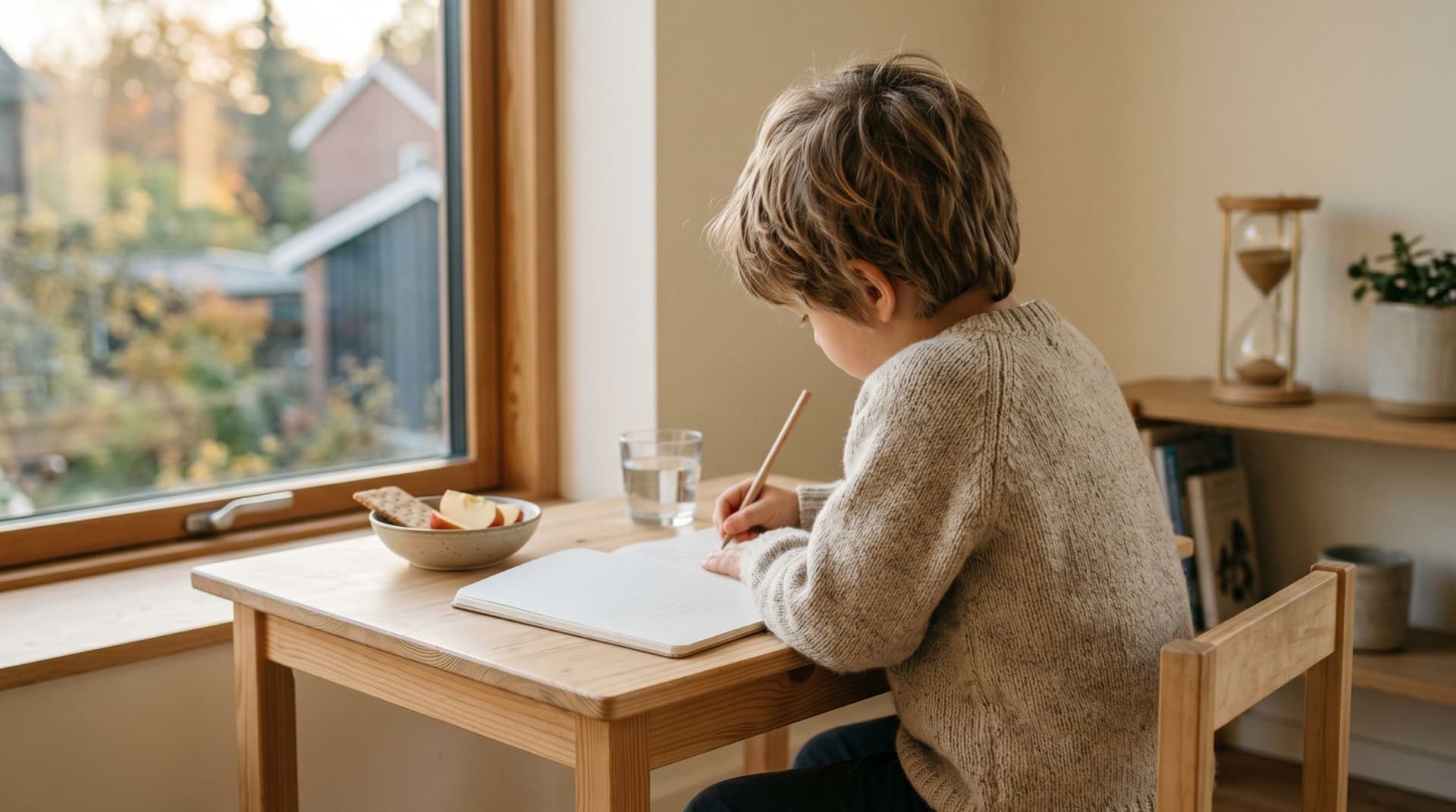
Asking a child to sit still and concentrate for long stretches goes against how young bodies and brains actually work — especially after a whole day at school. Short movement breaks aren’t a distraction from homework; for many children, they’re what makes it possible.
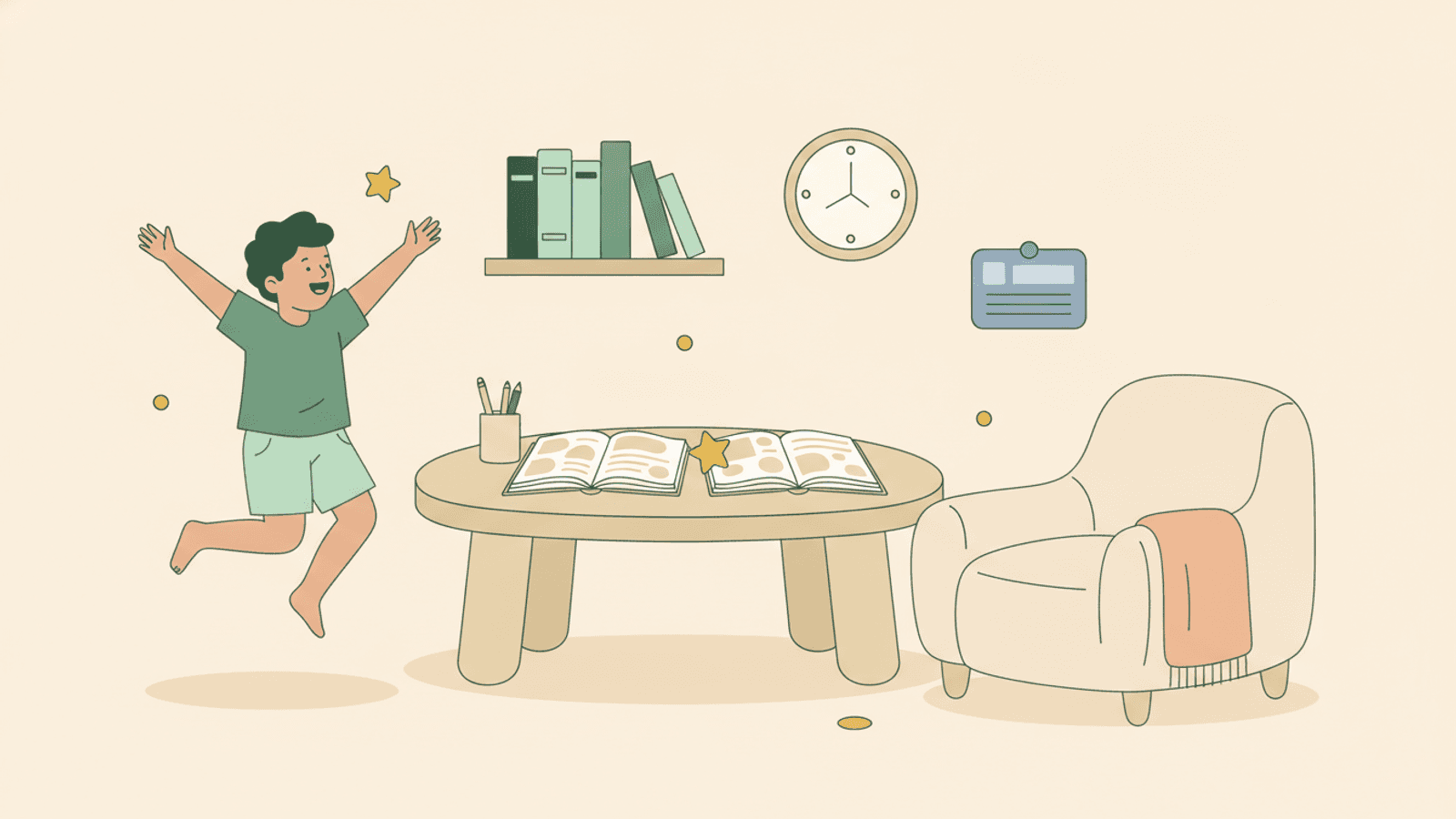
Asking a child to sit still and concentrate for long stretches goes against how young bodies and brains actually work — especially after a whole day of sitting at school. Short movement breaks aren’t a distraction from homework; for many children, they’re exactly what makes homework possible. Here is why they work and how to use them.
Why movement helps focus
Children aren’t built to sit still for long. Movement increases blood flow and releases brain chemicals that support attention, and it discharges the restless energy that otherwise comes out as fidgeting, wriggling and “I can’t concentrate.” A short, active break resets a tired, twitchy brain so the next stretch of work is sharper. This is true for all children, and even more so for those with ADHD, whose need to move is wired in — not a behaviour problem to be corrected.
The basic rhythm: work, break, work
The simplest approach is to alternate short focused work blocks with short movement breaks. For younger children that might be ten minutes of work, then a break; for older ones, twenty to twenty-five. Keep the breaks short — a few minutes — and active, rather than drifting onto a screen, which rarely re-energises and is hard to come back from. End each break with a clear cue to return to the table.
Movement breaks that work
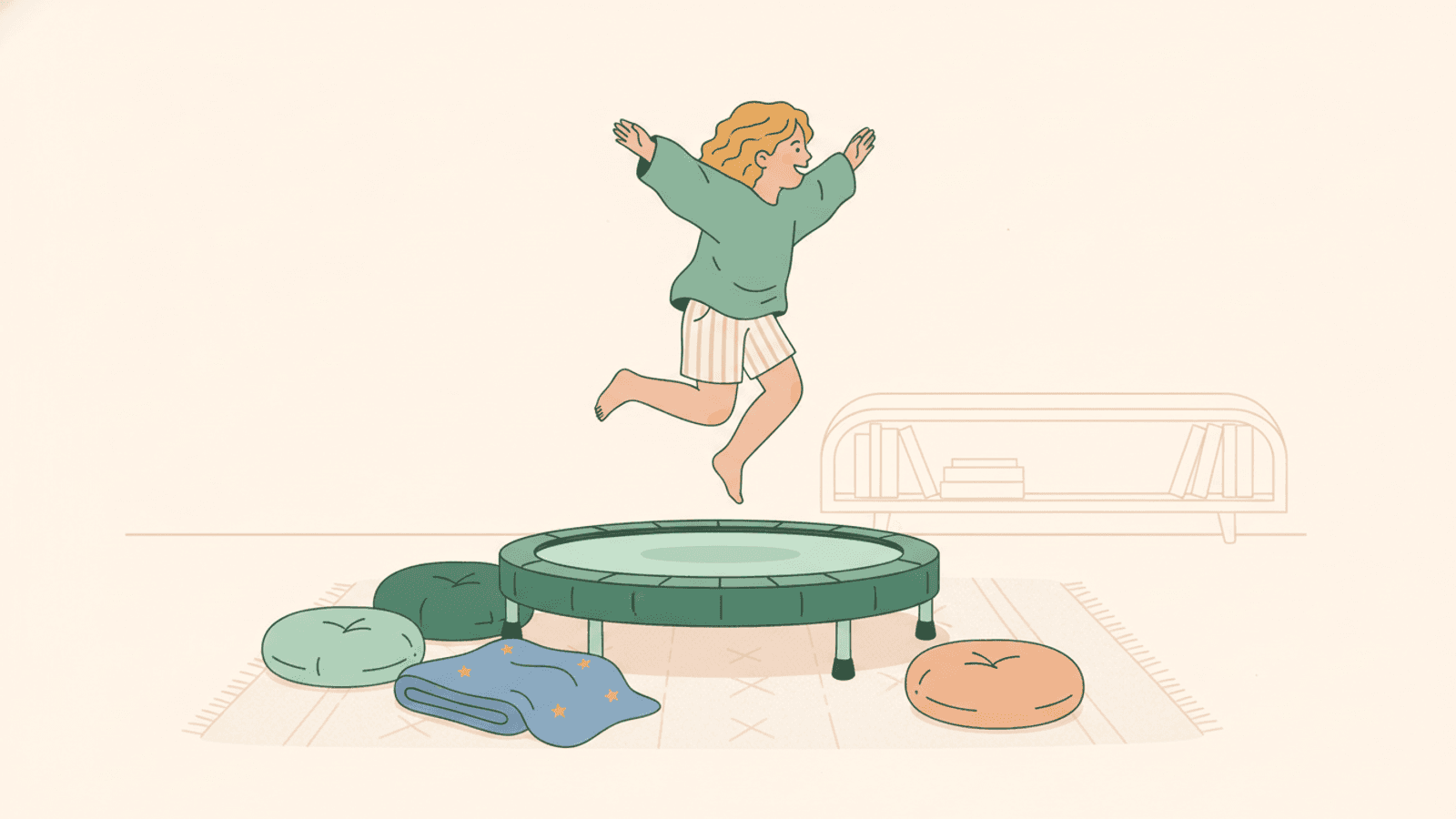
- Jump — star jumps, jumping on the spot, or a few minutes on a trampoline.
- Push and pull — wall push-ups, carrying something heavy, an animal walk across the room. This “heavy work” is especially calming.
- Dance or shake — one song to dance or wiggle along to.
- Stretch and balance — a few stretches, balancing on one leg, simple yoga-style poses.
- A quick errand — run upstairs and back, or take something to another room.
Movement during work, not just between
Some children focus better while moving a little the whole time. A wobble cushion, standing to work, a foot fidget under the desk, chewing gum, or doodling can all help a busy body stay at the table. If your child concentrates better standing up or jiggling a leg, let them — focus is the goal, not stillness. What looks like fidgeting is often the very thing keeping them on task.
Make it part of the routine
Movement breaks work best when they’re planned, not a reward you grant or a battle you have. Build them into the homework routine from the start: agree how long a work block is, what the break will be, and how many blocks before you’re done. A visual schedule or a timer takes you out of the role of nag — the plan says when to work and when to move, not you.
Children with ADHD or autism
For neurodivergent children, movement isn’t optional — it’s regulation. Fidgeting and the need to move are how their nervous system stays in a workable state, and forcing stillness usually makes focus worse, not better. Build in more frequent breaks, allow movement during work, and lean on heavy-muscle activities — pushing, carrying, jumping — which many find especially organising. Watch your own child and follow what actually helps them settle.
The takeaway
A child who can’t sit still isn’t being difficult — they’re telling you their body needs to move. Worked into the routine, short movement breaks turn homework from a battle of wills into something a restless brain can actually manage. Less sitting still, more getting done.
Read more
Frequently asked questions
Do movement breaks really help with homework?
Yes. Movement boosts blood flow and attention chemicals and discharges restless energy, so a short active break resets a tired brain and the next work block is sharper. It helps all children and especially those with ADHD.
How often should my child take a movement break?
Roughly match the work block to their age — around ten minutes for younger children, twenty to twenty-five for older ones — then a short, active few-minute break. Adjust to your own child; the right rhythm is the one that keeps them able to focus.
What are good movement break activities?
Active ones that use the big muscles: jumping, star jumps, wall push-ups, carrying something heavy, an animal walk, dancing to a song, stretching, or a quick errand. Avoid screens, which rarely re-energise and are hard to come back from.
My child can’t sit still to do homework — what helps?
Try letting them move while working — a wobble cushion, standing, a foot fidget — and build in regular movement breaks. A child who can’t sit still usually needs to move, not to be told off; work with that rather than against it.
Why do children with ADHD need to move so much?
For ADHD brains, movement is regulation, not misbehaviour — fidgeting and moving help the nervous system stay in a workable state. Forcing stillness usually makes focus worse. More frequent breaks and heavy-muscle activity often help most.