A Sensory Diet at Home: Helping Your Child Stay Regulated
Some children climb the walls and crash into everything; others cover their ears and shrink from mess. Both are chasing the right amount of sensory input. A “sensory diet” — a planned menu of sensory activities through the day — can keep a child calm and regulated.
Some children seem to climb the walls — crashing into furniture, never sitting still, always on the move. Others cover their ears in busy places, hate the tags in their clothes and shrink from anything messy. As different as they look, both kinds of child are really doing the same thing: chasing the right amount of sensory input. A “sensory diet” — a planned menu of sensory activities spread through the day — can help a child stay calm and regulated, and you can build a lot of it at home.
What a sensory diet is (and isn't)
Despite the name, a sensory diet has nothing to do with food. It is a planned set of sensory activities spread through the day to give a child the input their nervous system needs to stay regulated — calm, focused and comfortable in their body. The term comes from occupational therapy, and ideally an OT designs one for a particular child, but parents can build genuinely helpful sensory habits at home too.
Why some children need it
Every nervous system needs a certain amount of sensory input to feel “just right.” Sensory seekers crave more of it — movement, pressure, crashing — and become dysregulated without it. Sensory avoiders are easily overwhelmed and need input reduced or made calmer. Most children are a mix, seeking some sensations and avoiding others. The right sensory activities work like snacks that keep a child inside their window of tolerance through the day.
The senses, including the hidden ones
Beyond the familiar five senses, two “hidden” ones matter most for regulation. Proprioception is the sense of where your body is in space, fed by pushing, pulling, carrying and squeezing — often called “heavy work.” The vestibular sense governs balance and movement, fed by swinging, spinning and rocking. These two are the engines behind most sensory-diet activities, because they can powerfully either calm or alert the body.
A menu of sensory "snacks"
- Heavy work — carrying, pushing, animal walks, helping move furniture, squeezing playdough or a stress ball.
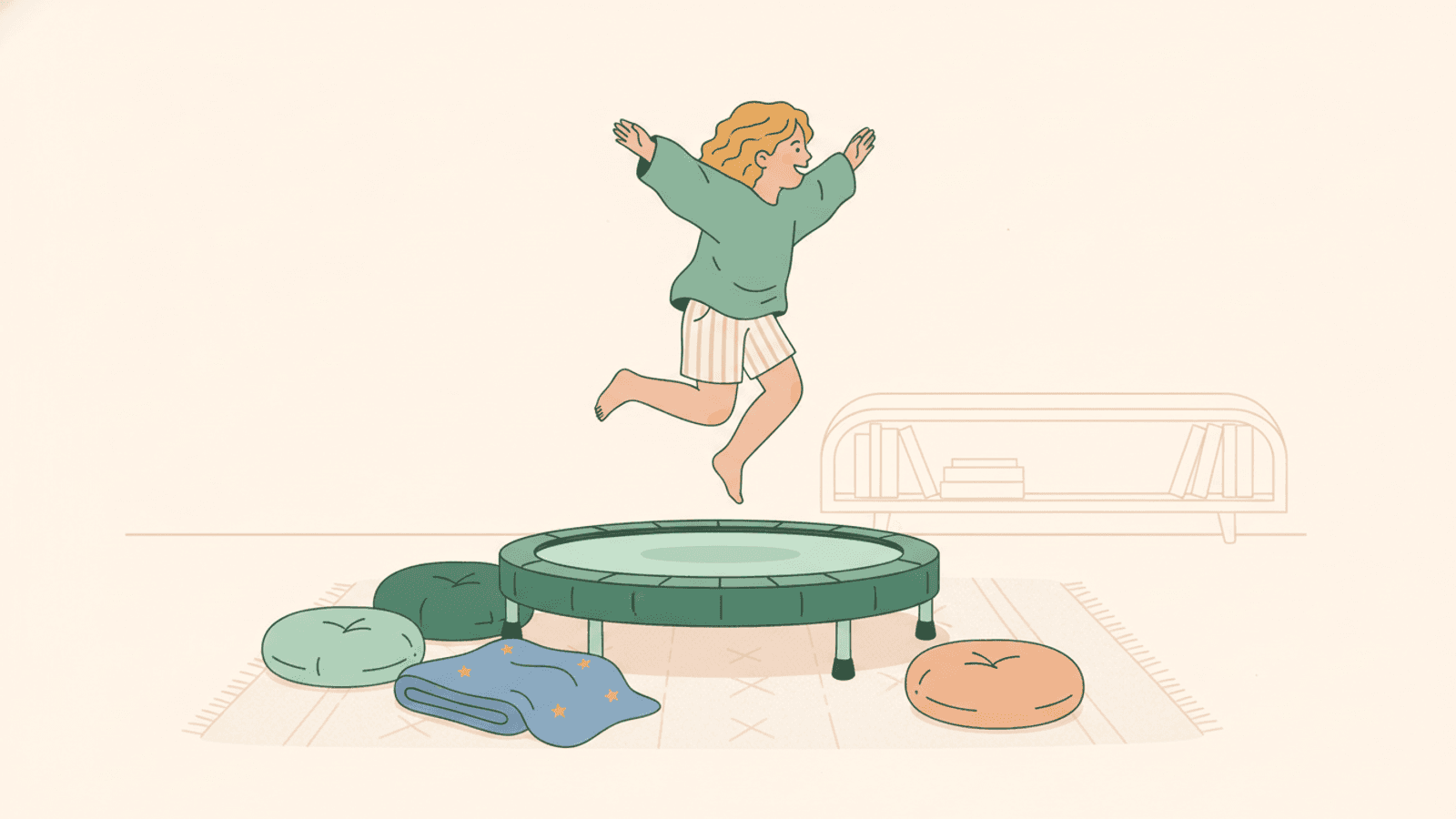
- Movement — swinging, jumping on a trampoline, spinning, rocking, dancing.
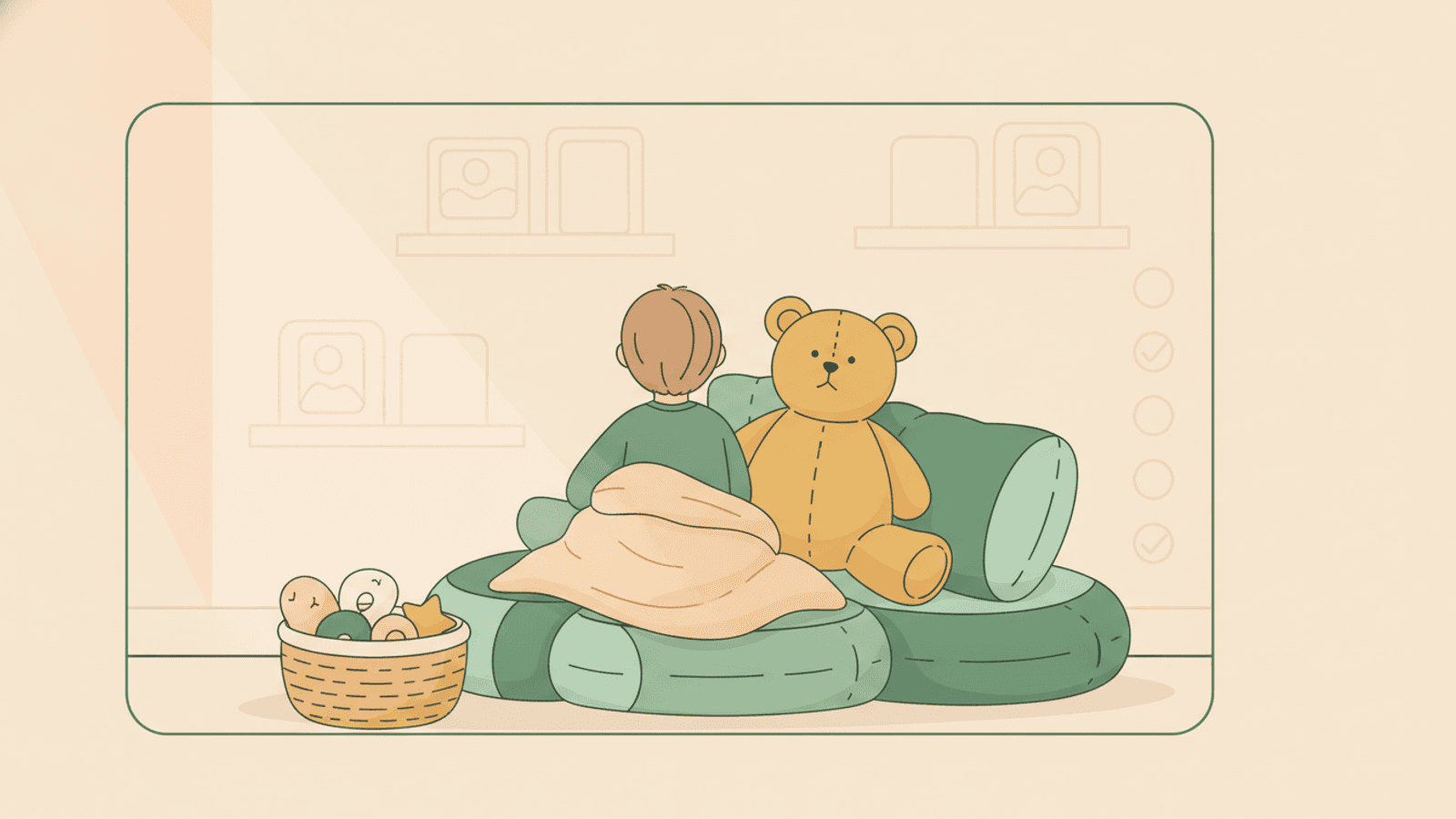
- Deep pressure — big firm hugs, a weighted blanket, being gently “squished” between cushions.
- Calming input — dim lights, a quiet space, slow rocking, chewy or sucky snacks.
- Alerting input — cold water, crunchy snacks, upbeat music or fast movement, for a sluggish or under-aroused child.
Build it into the day, proactively
The key shift is to offer sensory input before your child falls apart, not just to calm a meltdown after it. Build small doses into the daily routine — heavy work before sitting tasks, movement before something that needs focus, calming input before bed. A visual schedule can include sensory breaks as their own steps. Over time you learn your child’s patterns and which kind of input helps at which point in the day.
Read your child and tailor it
Watch closely what your child seeks and avoids: a child who crashes and climbs needs more input; one who melts down in noisy, busy places needs less. Offer something, watch its effect, and adjust — there is no fixed recipe, just the input that helps your particular child feel regulated. If you want expert guidance, an occupational therapist can assess your child’s sensory profile and design a tailored plan.
For children with ADHD or autism
Sensory differences are very common in both ADHD and autism, and a sensory diet is one of the most practical tools there is for everyday regulation. Watch what your child seeks and avoids, build proactive doses into the routine, and consider seeing an occupational therapist for an individual assessment and plan. This article is general information, not medical advice.
Read more
Frequently asked questions
What is a sensory diet?
A sensory diet is a planned set of sensory activities spread through the day to help a child get the input their nervous system needs to stay regulated. Despite the name it is not about food; it is about movement, pressure and other sensory input, ideally tailored by an occupational therapist.
Does my child need a sensory diet?
It can help any child who is a strong sensory seeker (constantly moving, crashing, craving pressure) or sensory avoider (easily overwhelmed by noise, textures or mess). Sensory differences are common in ADHD and autism, and planned sensory activities often help these children stay regulated.
What is heavy work and how does it help?
Heavy work is activity that pushes, pulls, carries or squeezes — like carrying shopping, animal walks or squeezing playdough. It feeds the proprioceptive sense and is strongly calming and organising for the nervous system, which is why it features in most sensory diets.
What are examples of sensory activities at home?
Heavy work like carrying or pushing, movement like jumping and swinging, deep pressure like firm hugs or a weighted blanket, calming input like dim lights and slow rocking, and alerting input like cold water or crunchy snacks. Mix to suit whether your child needs calming or waking up.
Do I need an occupational therapist for a sensory diet?
Not to get started — parents can build helpful sensory habits at home. But an occupational therapist can assess your child’s specific sensory profile and design a tailored, well-judged plan, which is especially worthwhile if sensory issues are significantly affecting daily life.