Sensory Overload on Summer Outings: Festivals, Markets and Crowds
Summer is full of festivals, markets and busy beaches — and full of sensory triggers. Here’s how to prevent overload, spot the early signs, and recover when it tips over.

Sensory Overload on Summer Outings: Festivals, Markets and Crowds
Summer outings like festivals and markets are wonderful experiences, but for many children, especially those with ADHD or autism, the sheer volume of sights, sounds, and smells can quickly lead to sensory overload. To manage sensory overload in child crowds effectively, the key is proactive preparation, recognizing early warning signs, and having a compassionate recovery plan. With thoughtful strategies, families can still enjoy these vibrant events, ensuring sensitive children feel safe and supported amidst the bustling activity.
Why Crowds Overload Sensitive Children
Crowded environments are a feast for the senses, but for a child who processes information differently, this "feast" can become an overwhelming assault. Imagine a concert where every instrument plays at once, all at maximum volume, with no discernible melody – that's often what a busy market feels like to a sensory-sensitive child.
- Too Much Input: From the cacophony of conversations, music, and vendor calls to the visual clutter of stalls, people, and bright lights, the sheer volume of sensory data can be paralyzing. Smells from food trucks, perfumes, and even exhaust fumes add another layer of intense input.
- No Easy Escape: Unlike a familiar home environment, public crowds offer limited control over one's surroundings. The physical sensation of being jostled, the difficulty of moving freely, and the lack of a quiet, personal space can heighten feelings of anxiety and entrapment.
- Unpredictability: Crowds are inherently unpredictable. A sudden loud cheer, an unexpected bump, or a change in lighting can instantly trigger discomfort or distress. The inability to anticipate what will happen next robs a child of a sense of safety and control, which is crucial for self-regulation.
For children with ADHD, the constant stimulation can make it incredibly difficult to focus, leading to agitation and restlessness. For autistic children, the disruption of routines and the overwhelming sensory input can be particularly disorienting, often resulting in meltdowns as a protective response to an environment they cannot process. Understanding these challenges is the first step toward creating more inclusive and enjoyable experiences for everyone.
Prepare Before You Go: Laying the Groundwork for Success
Preparation is your superpower when heading into potentially overwhelming environments. A little planning goes a long way in turning a challenging outing into a manageable adventure.
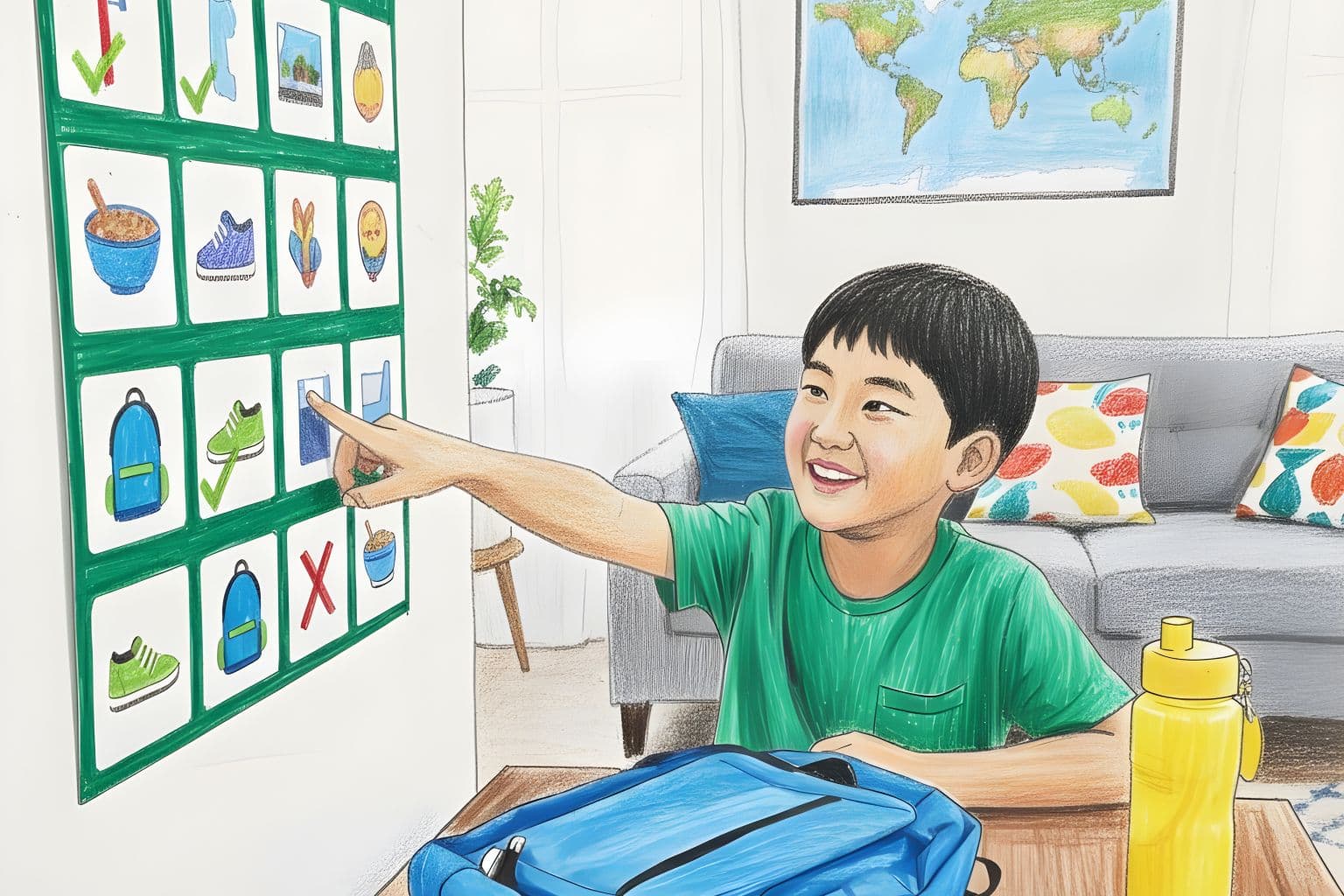
- Talk It Through: Before you even leave the house, discuss the outing with your child. Use simple language or visual aids to explain what they can expect to see, hear, smell, and feel. Describe the number of people, the noise levels, and any specific activities. Empower them by asking what they are excited about and what concerns they might have.
- Plan an Exit Strategy and Identify Safe Zones: Knowing how and where to retreat is essential. Before you arrive, look at a map of the venue online. Identify potential quiet spots – a less crowded corner, a nearby park bench, or even the family car. Discuss a clear signal your child can use when they need a break, such as a specific word or hand gesture. Reassure them that it's okay to take a break or leave if it becomes too much.
- Pick Your Moments: Whenever possible, choose less busy times for your visit. Early mornings, late afternoons, or weekdays often offer a calmer atmosphere than peak hours. Check event schedules for specific activities that might draw larger crowds and plan to avoid those times or sections. Sometimes, even visiting a venue during a less popular event can offer a quieter experience.
Pack a Regulation Kit: Your Portable Sanctuary
Think of this as your child’s personal toolkit for navigating sensory challenges. Having these items readily available can make a huge difference in preventing or de-escalating overload.
- Ear Defenders or Noise-Cancelling Headphones: These are often the single most effective tool for managing auditory overload. They provide a protective barrier against overwhelming sounds, creating a calmer soundscape and allowing your child to process other inputs more effectively. Let your child try them on at home first, so they are comfortable wearing them.
- Sunglasses or a Wide-Brimmed Hat: Bright lights, flashing signs, and the sheer visual chaos of a crowd can be intensely stimulating. Sunglasses can dim the visual input, while a hat provides a comforting sense of enclosure and reduces peripheral distractions.
- Water Bottle: Hydration is key, but the act of sipping water can also be a calming, rhythmic activity that helps regulate the nervous system. It provides a focal point and a break from the overwhelming environment.
- Comforting Snack: Low blood sugar can exacerbate irritability and make it harder for children to cope with sensory challenges. Pack a familiar, preferred snack that is easy to eat and provides sustained energy. The act of eating can also be grounding.
- Fidget Toy or Comfort Item: A small, familiar fidget toy (like a spinner, squishy ball, or tangle toy) can provide a safe, predictable sensory input that helps channel restless energy and focus. A beloved comfort item – a small blanket, a soft toy, or a scarf – can offer a sense of security and familiarity in an unfamiliar environment.
Spot the Early Signs: Before the Meltdown
Learning your child's early warning signs is crucial for proactive intervention. Every child is unique, but common indicators suggest they're nearing their sensory limit.
Look for subtle shifts in behavior that tell you your child is starting to struggle before they reach a full meltdown. This could manifest as increased stimming (rocking, hand-flapping), covering their ears or eyes, becoming more withdrawn or quiet, or conversely, becoming unusually agitated, irritable, or restless. They might start complaining about small things, seem overly sensitive to touch, or begin to wander aimlessly. Verbal protests ("It's too loud!" "I don't like it here!") are clear indicators, but often, non-verbal cues appear first. If you spot these signs, it's time to gently offer a break, deploy a tool from your regulation kit, or move to your planned quiet spot. Intervening early can prevent the situation from escalating into a full-blown meltdown, allowing your child to regain composure and potentially re-engage with the outing.
Recover Without Shame: Compassion and Connection
When sensory overload leads to a meltdown, it's a distress response, not misbehavior. Your child isn't giving you a hard time; they're having a hard time. How you respond in these moments profoundly impacts their ability to recover and their willingness to try new experiences in the future.
- Seek a Quiet Corner: Your absolute first priority is to remove your child from the overwhelming environment. Find the nearest quiet space – this might be your car, a quiet corner of a park, or even a less busy restroom. The goal is to reduce sensory input immediately.
- Low Demands, High Empathy: During and immediately after a meltdown, your child’s capacity for complex thought or conversation is severely limited. Avoid asking "Why did you do that?" or trying to reason with them. Instead, focus on providing comfort and validation.
- No Lectures, No Shame: This is not the time for teaching moments or guilt trips. Your child already feels overwhelmed and possibly embarrassed. Lectures about behavior will only add to their distress and break down trust. Reassure them that it's okay to feel overwhelmed and that you love them.
- Allow for Decompression: Give your child space and time to regulate themselves. This might involve quiet time, a preferred sensory input (like their fidget toy), or simply holding them close if that's what they need. Don't rush them back into the activity. Recovery is not a race.
- Reconnect and Reassure: Once they are calmer, offer gentle reassurance. Talk about what happened in simple terms, validating their experience. "It got very noisy, didn't it? That can feel overwhelming." Remind them of your strategies and their ability to cope. This builds resilience and helps them understand their own needs.
Summer outings should be joyful, not stressful. By understanding the unique sensory needs of children with ADHD and autism, preparing thoughtfully, and responding with compassion, we can create more inclusive and positive experiences for the entire family. Every small step we take to support our children in navigating the world strengthens their confidence and connection.
Read more
Frequently asked questions
What are the early signs of sensory overload in a child?
Early signs often include increased agitation, restlessness, or withdrawal, changes in stimming behaviors, or covering ears/eyes. They might become unusually irritable, complain about small things, or seem disoriented before a full meltdown occurs.
What should go in a sensory regulation kit?
A regulation kit should include items like ear defenders or noise-cancelling headphones, sunglasses, a water bottle, and a comforting snack. Also, pack a preferred fidget toy or a small comfort item to provide familiar and calming sensory input.
Are ear defenders helpful for kids in crowds?
Absolutely. Ear defenders or noise-cancelling headphones are incredibly helpful in crowded environments. They significantly reduce overwhelming auditory input, allowing a child to feel more secure, regulate their nervous system, and process other sensory information more calmly.
Should I avoid busy places altogether with a sensitive child?
Not necessarily. While it's wise to limit exposure, avoiding busy places entirely might restrict family experiences. Instead, prepare thoroughly, choose off-peak times, plan quiet escape routes, and use sensory regulation tools to gently introduce and manage these environments.
How do I help my child recover after a sensory meltdown?
First, move your child to a quiet, less stimulating space. Offer comfort and validation without lecturing or shame, allowing them time and space to decompress. Provide low demands and reassure them that you understand their struggle, focusing on connection rather than immediate re-engagement.