A Toolkit for Emotion Regulation: Helping Kids Handle Big Feelings
“Use your words.” “Just calm down.” We say these things, but emotion regulation is not something children simply have — it is a skill, built slowly, with our help. Here is a practical toolkit of what actually helps.
“Use your words.” “Just calm down.” We say these things to upset children all the time, but emotion regulation is not something they simply have and choose whether to use. It is a skill, built slowly over years, with a great deal of help from us. The good news is that it can absolutely be taught, and there is a practical toolkit that genuinely helps a child learn to handle big feelings.
Co-regulation comes first
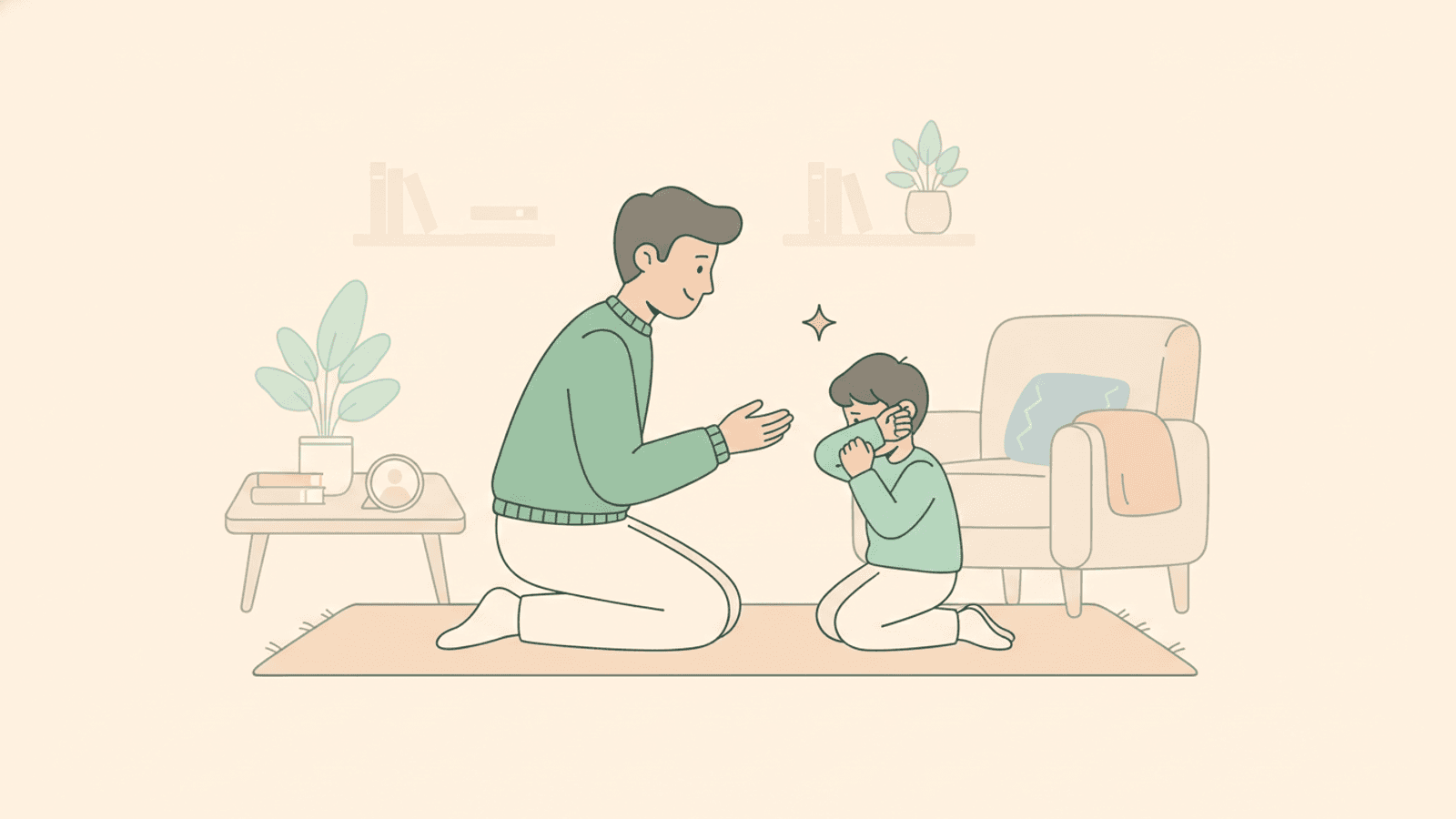
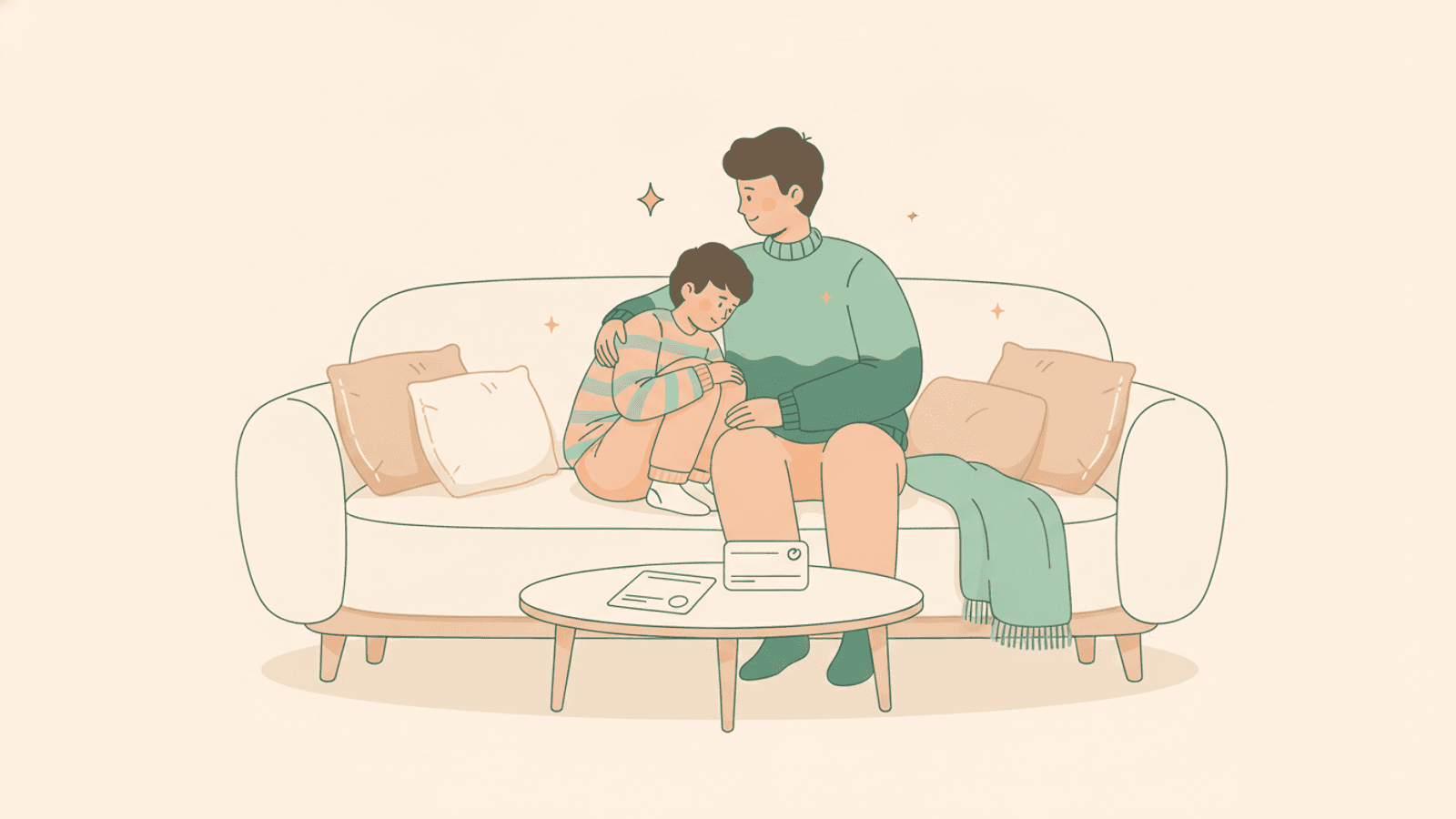
Children learn to regulate by borrowing our calm, thousands of times over. Self-regulation grows directly out of being co-regulated — a steady adult helping them through the storm again and again until they can do more of it themselves. You cannot skip ahead to “do it yourself,” because the early years are about being the calm they do not yet have inside them. This is the foundation everything else sits on.
The window of tolerance
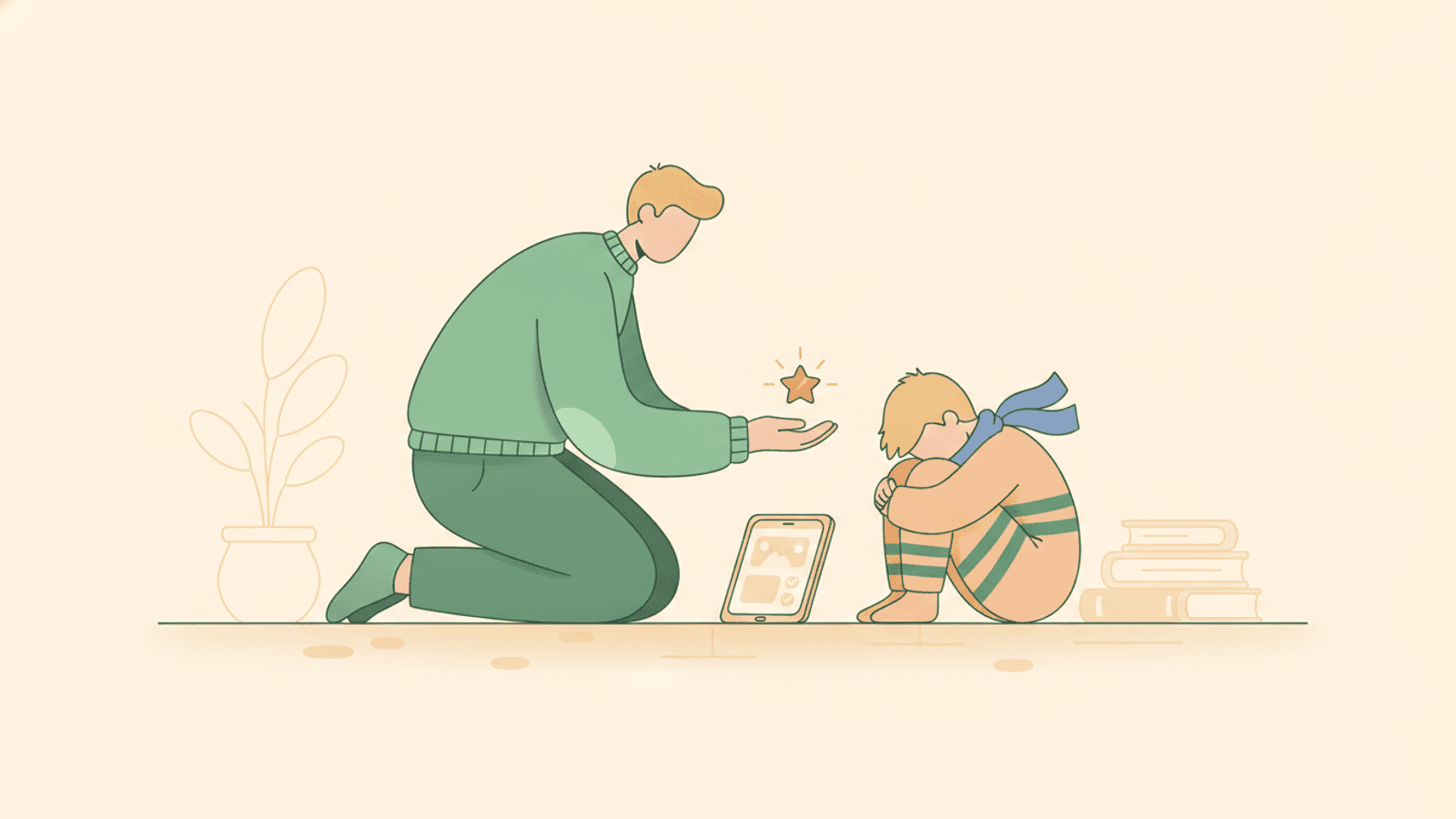
Picture a “window” in which a child can think, learn and cope. Too much stress pushes them up and out into meltdown; too little engagement, or feeling overwhelmed and helpless, can drop them down into shutdown. Every tool below either keeps a child inside that window or brings them back into it. The key insight is that you cannot teach or reason with a child who is outside their window — your first job is always to help them back in.
Name it to tame it
Putting words to a feeling actually calms the emotional brain — simply labelling “you look really frustrated” helps a child regulate it. Build an emotion vocabulary in calm moments, name your own feelings out loud, and reflect theirs back without judgement. A child who can say “I am angry” is far closer to handling that anger than one who can only act it out, because the naming itself takes some of the heat out.
Body-based tools
- Breathing — slow out-breaths, like smelling a flower and blowing out a candle, or breathing into a “balloon belly.”
- Movement — jumping, pushing against a wall, a quick run; big-muscle activity helps discharge stress fast.
- Calming sensory input — a tight hug, a weighted blanket, a drink of water, a fidget to hold.
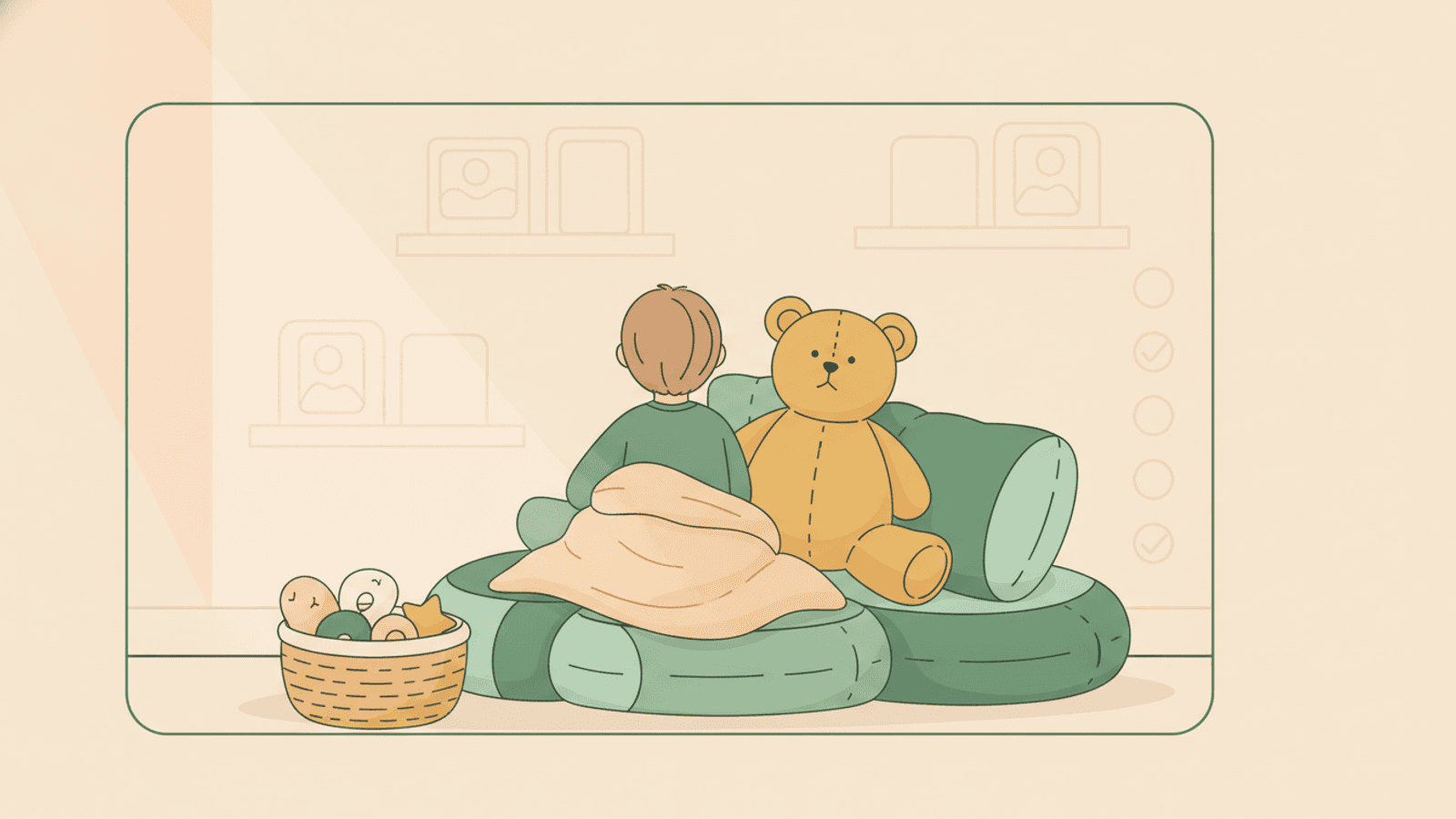
- A calm-down corner or kit — a cosy spot with chosen comfort items a child can go to, offered as a refuge, never as a punishment.
Practise when calm, not in the storm
You cannot teach a new tool in the middle of a meltdown. Practise breathing, using the calm corner and naming feelings when everyone is calm — through a game, a routine or a story — so the tools are familiar and within reach when the big feelings actually hit. A simple visual “feelings menu” of go-to options helps a child choose what to try, rather than having to invent a plan while overwhelmed.
Connection and routine underpin it all
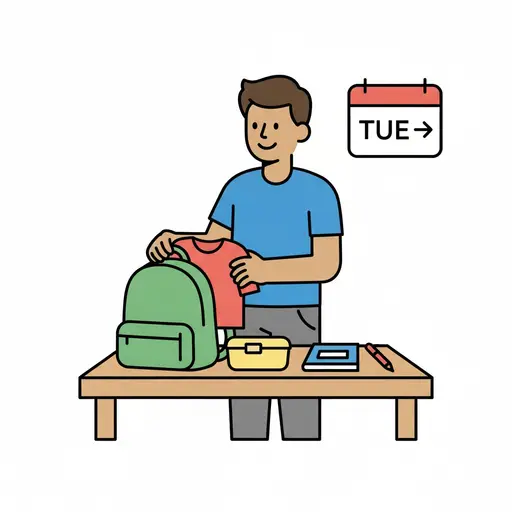
A regulated child is built on feeling safe and connected. Predictable routines lower baseline stress so there is more room in the window, daily one-on-one time fills the emotional tank, and warm repair after conflict rebuilds safety. These are not extras on top of the tools — they are what makes the in-the-moment tools actually work. A depleted, disconnected child cannot regulate, however good the techniques.
For children with ADHD or autism
Emotional regulation develops later, and the window of tolerance is often narrower, so neurodivergent children tip out faster and need more co-regulation for longer. Lean hard on predictability, sensory tools, visual supports and catching dysregulation early, before the window slams shut. Expect this to be a years-long build rather than a quick fix, and measure progress against your own child over time, not against peers. This article is general guidance, not medical advice.
Read more
Frequently asked questions
What is emotion regulation?
Emotion regulation is the ability to notice, understand and manage feelings so they do not overwhelm you — staying able to think and cope rather than tipping into meltdown or shutdown. In children it is a developing skill, built slowly over years with adult support.
How do I teach my child to regulate their emotions?
Co-regulate first by staying calm and helping them through, name feelings together in calm moments, teach body-based tools like breathing and movement, set up a calm-down corner, and underpin it all with predictable routines and connection. Practise the tools when calm, not mid-meltdown.
What is co-regulation?
Co-regulation is a calm adult helping a child through a strong emotion — lending them your steadiness until the wave passes. Children learn self-regulation by being co-regulated thousands of times; it is the foundation that all later self-control is built on.
What is a calm-down corner?
A calm-down corner is a cosy, inviting spot with comforting items — cushions, a soft toy, fidgets, a blanket — that a child can go to when feelings get big. It is offered as a refuge to help them settle, never as a punishment or time-out.
Why can't my child calm down when they're upset?
When a child is overwhelmed, the thinking part of the brain goes offline, so they genuinely cannot reason or “just calm down” on command. They need co-regulation and a familiar tool to come back into their window of tolerance first; the talking can only come afterwards.