Words
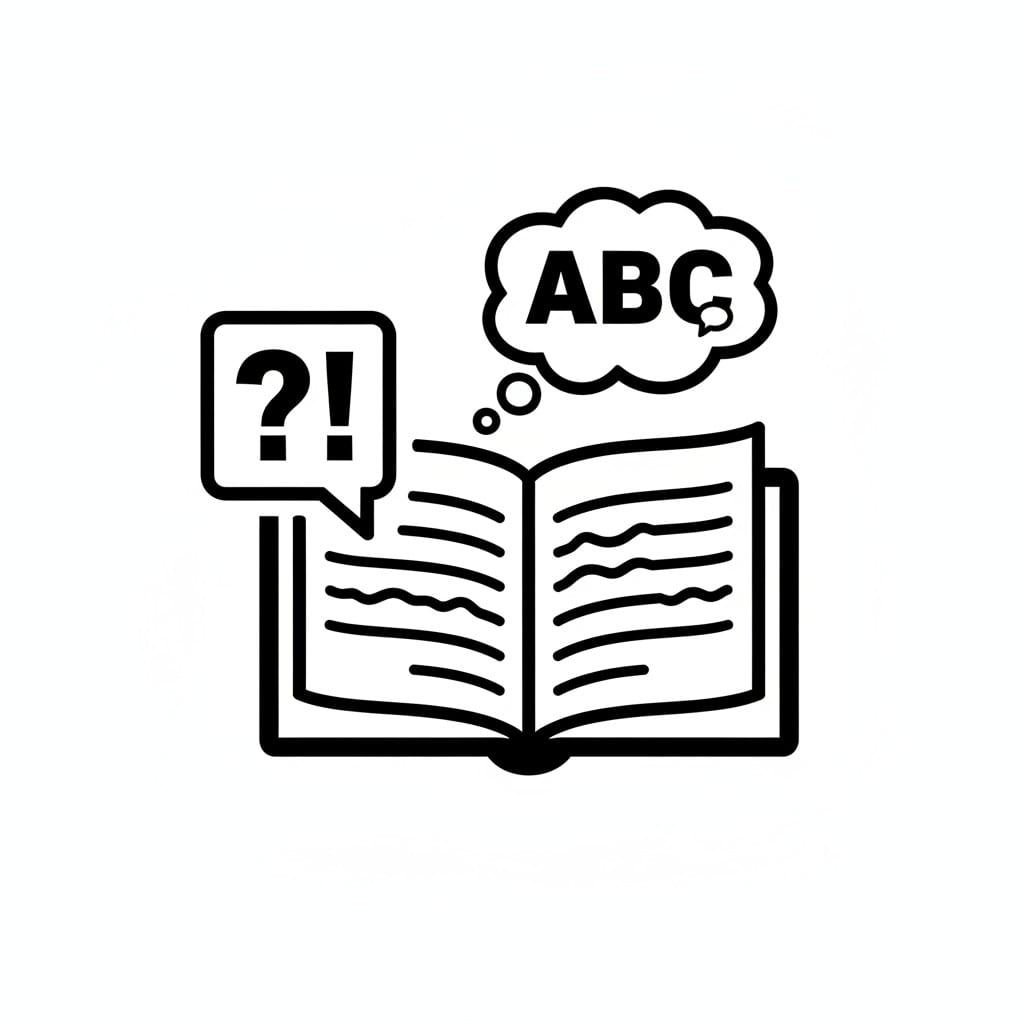
Reading a new word is three things at once: hearing the sound, recognising the letter, finding the meaning. The image below keeps one track visible while working memory handles the rest.
Words
An open book with a thought bubble containing ABC and a speech bubble with ?!
About this visual support
For a new reader, a word is never just a word. The brain has to summon the sound behind the letter, hold on to the previous letters, and finally let the linked sounds become meaning. That is a heavy load on working memory, and it is where reading often stalls.
Visual support for words moves part of the load out of the head and onto the table. When the card shows both the letter and something the child already knows — sun, dog, apple — the picture becomes a hook while the sound settles. There is less guessing and more landing, which builds the confidence to try the next line.
One practical tip: work with three words at a time, not ten. Lay the cards in a row, point and stretch the sound, and let the child echo it back. Then turn one card over and see if the picture of the word stays in memory. If you want to combine reading practice with a short break and a reward in sequence, you can build the flow inside Routined.
Use this image in a schedule
Build your own visual schedule with this image and download it as a print-ready PDF. Completely free.

More similar visual supports

Bible
A closed book with a brown cover and a gold cross on the front.
Learn words
A girl reads a book of letters with speech bubbles around her.
Look
A girl holds her hands to her glasses and looks ahead, with a magnifying glass b...
Math and reading
A child sits at a desk with an open letter book, a calculator and number blocks.

Do dictation
A person's head speaks into a microphone, with a speech bubble showing waves. Ne...

English Class
An illustration symbolizing an English class with an open book displaying letter...
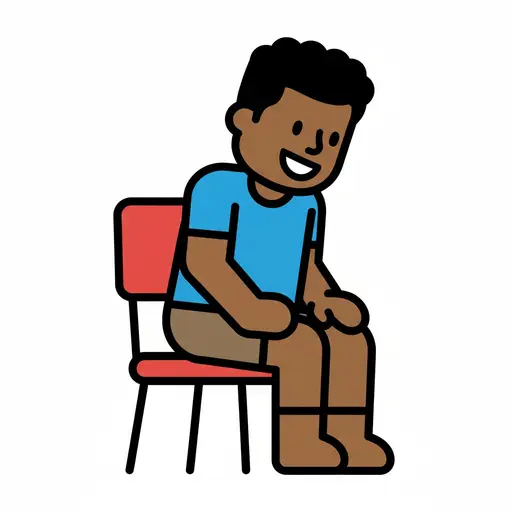
Sit down
A smiling boy in a blue shirt and brown shorts sits on a red chair, looking forw...
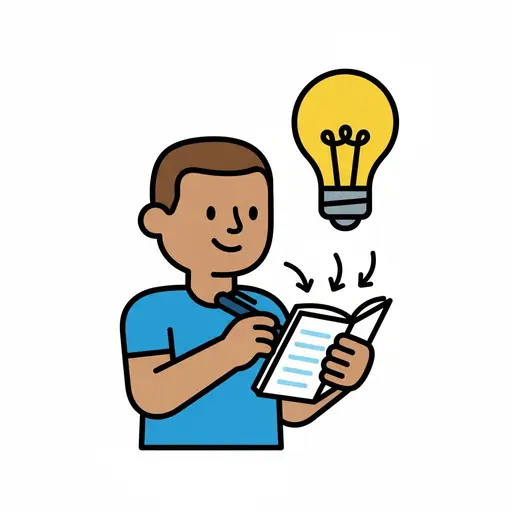
Take note
A boy holding a pen and writing in a notebook. A glowing lightbulb floats above ...
Take the visual supports with you
In Routined you build schedules from these pictures, add timers and voice instructions, and your child follows the day on their own.


* 14-day free trial, then $2.39 a month or $20.99 a year (US pricing). Cancel anytime.