 Routined
Clean your ears
Many children find it ticklish, itchy or noisy when someone touches their ears. The visual support below shows exactly where to wipe, so your child knows what is happening and can gradually do it alone.
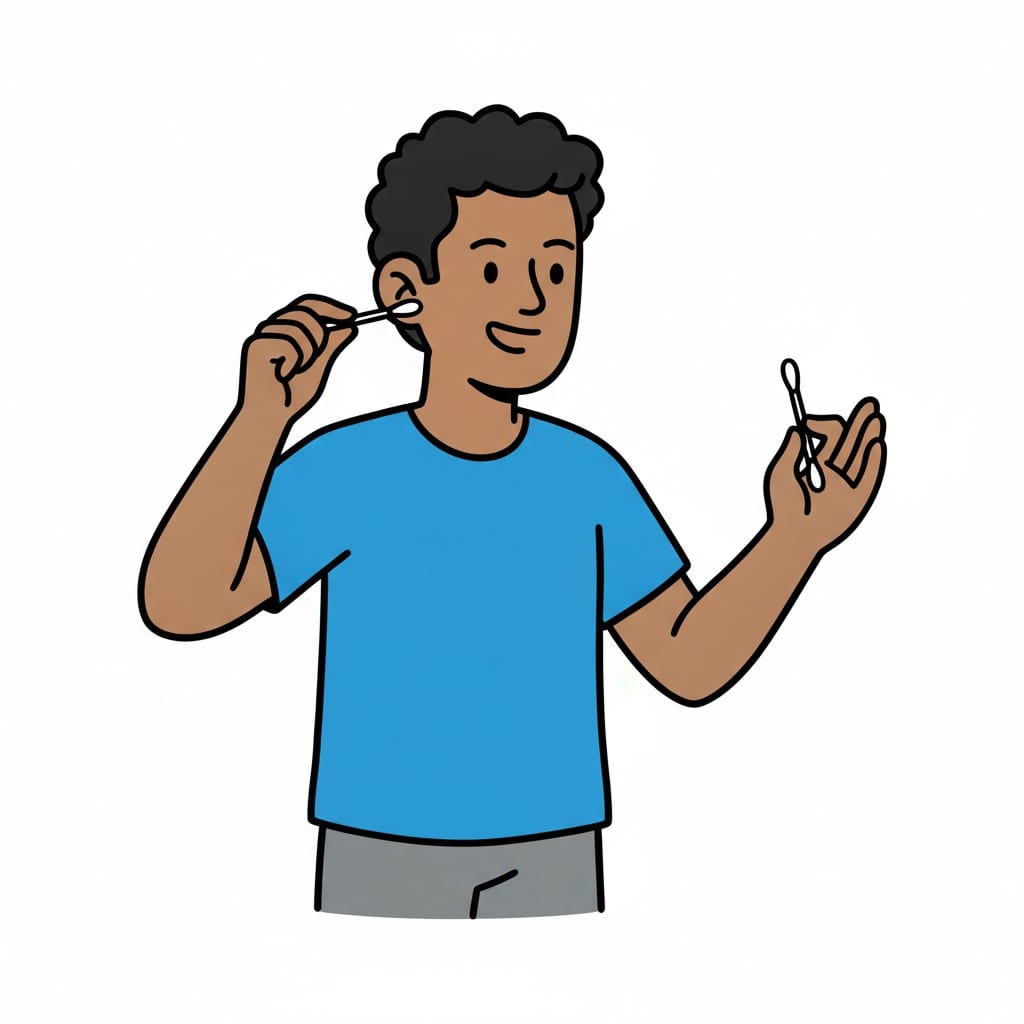 ♂
Clean ears
A man cleans his ear with a cotton swab and holds another one in his other hand.
 ♂
Clean ears
A happy boy cleans his ear with a cotton swab and holds up his other hand.
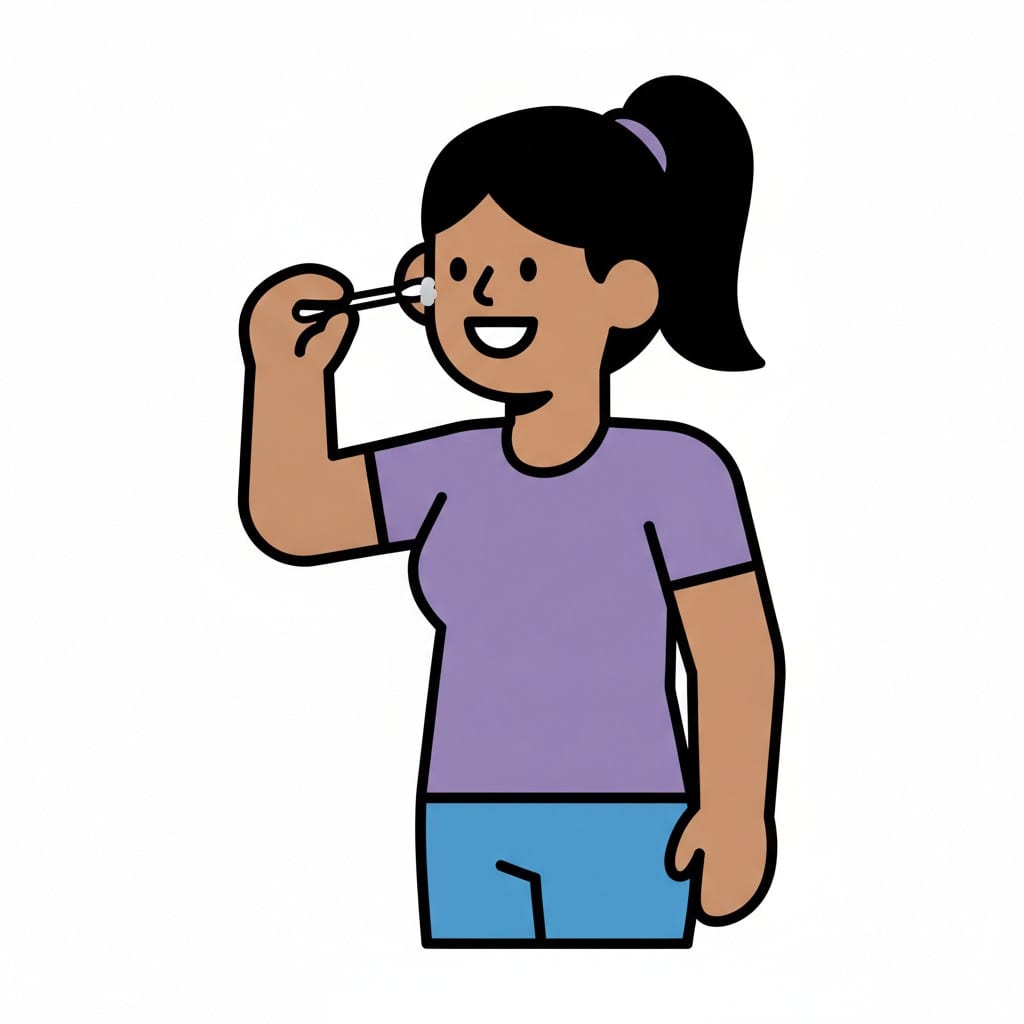 ♀
Clean ears
A woman with a ponytail cleans her ear with a cotton swab.
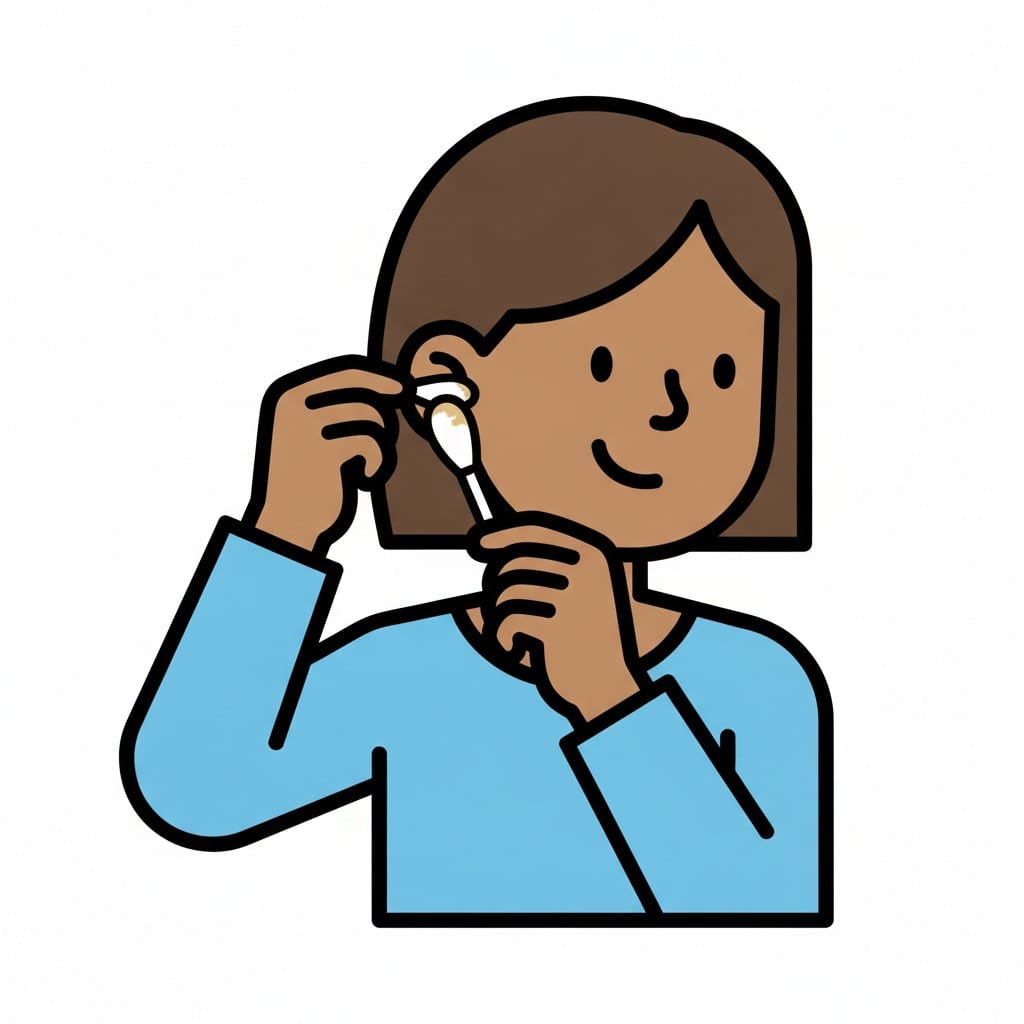 ♀
Clean ears
A close-up of a woman gently cleaning her ear with a cotton swab.
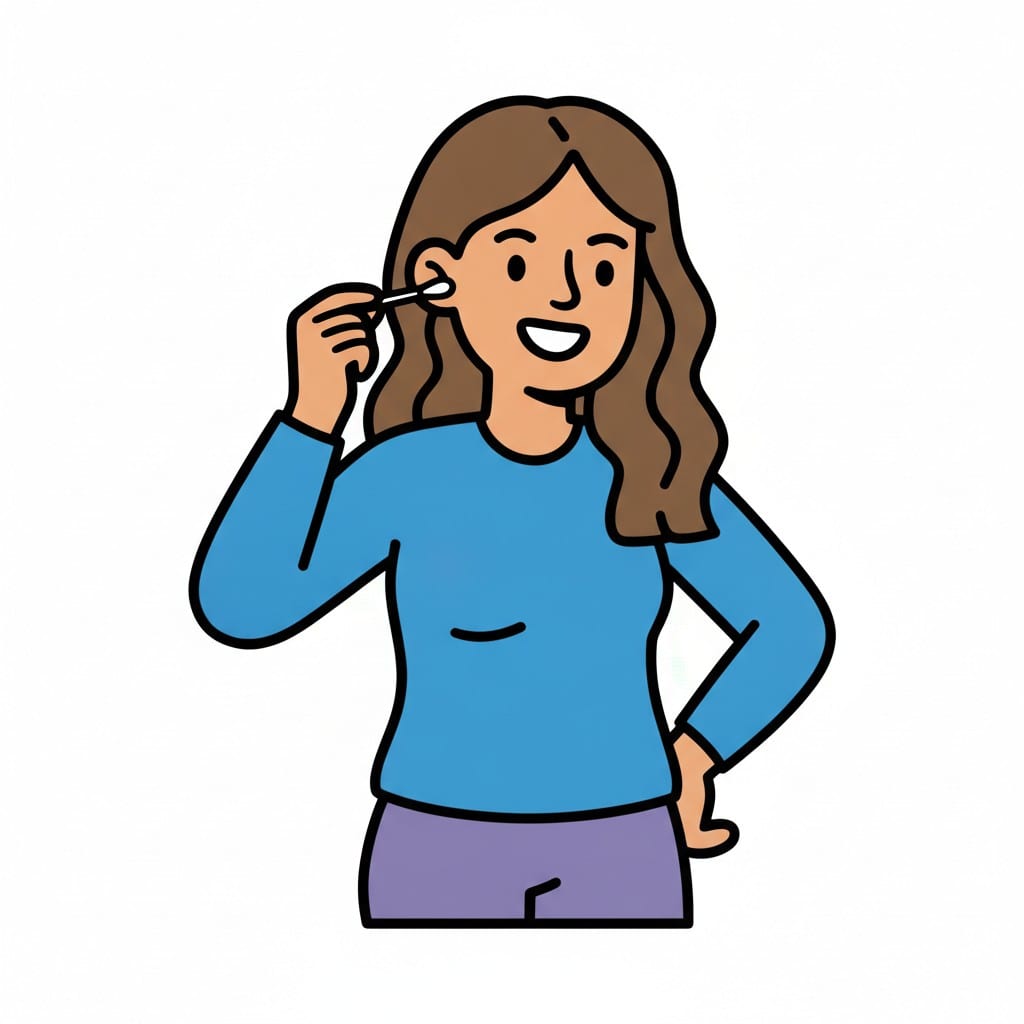 ♀
Clean ears
A woman with long wavy hair cleans her ear with a cotton swab, her other hand on her hip.
About this visual support
The ear is one of the most sensitive parts of the body. The sound of a flannel or cotton swab against the ear is loud and close, and a touch behind the earlobe can tickle so much that a child pulls away. At the same time, ears need a little care, especially behind them, where dirt and grease collect after a day in a hat or helmet.
The visual support shows where the line is: wipe around the outer ear, in the folds and behind the ear, but never push anything into the ear canal. The ear cleans itself on the inside, and a swab pushed further in can press wax deeper. Let your child hold the flannel and follow the picture while you count slowly to five for each ear, so it is clear when it is done. A mirror helps your child see what they are doing.
In the Routined app you can add cleaning the ears as a step after the shower or bath, for example once a week. You can try the app for 14 days at no cost.
Use this image in a schedule
Build your own visual schedule with this image and download it as a print-ready PDF. Completely free.
More similar visual supports
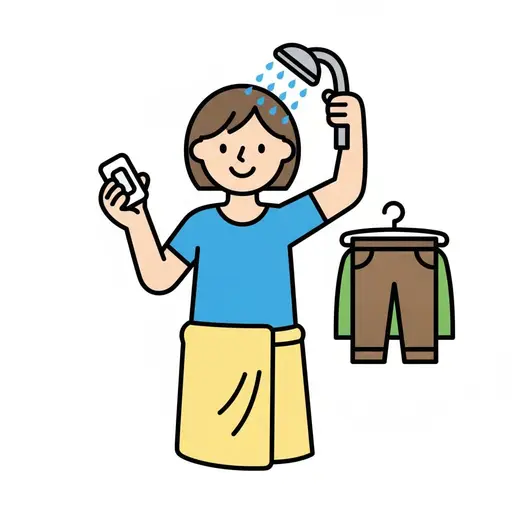
Shower
A woman in a towel holds a bar of soap under the shower. Clothes hang on a hange...
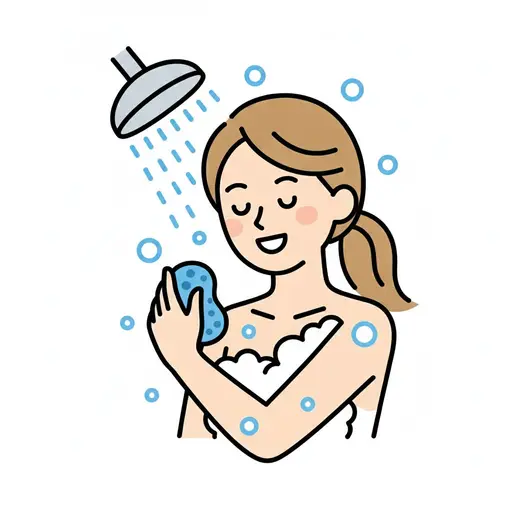
Wash body
Under a running shower head, a woman with a ponytail scrubs her shoulder with a ...
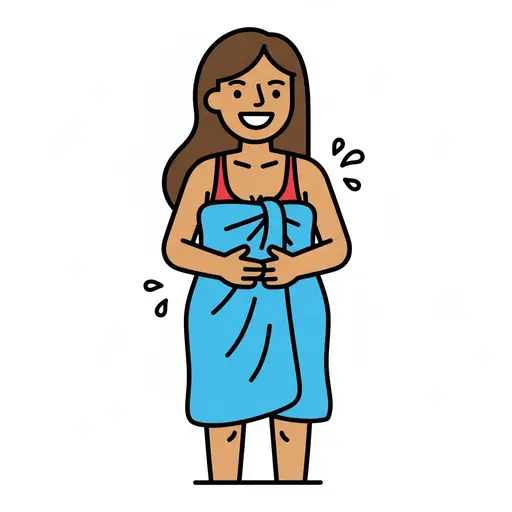
Dry your body
A woman has a towel wrapped around her body after a shower.
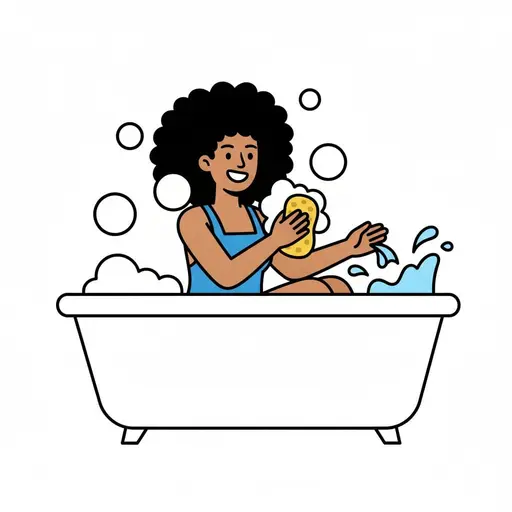
Bathe
A smiling woman with curly hair sits in a bubbly bathtub, washing her arm with a...

Use towel
A woman pats her face dry with a light blue towel.
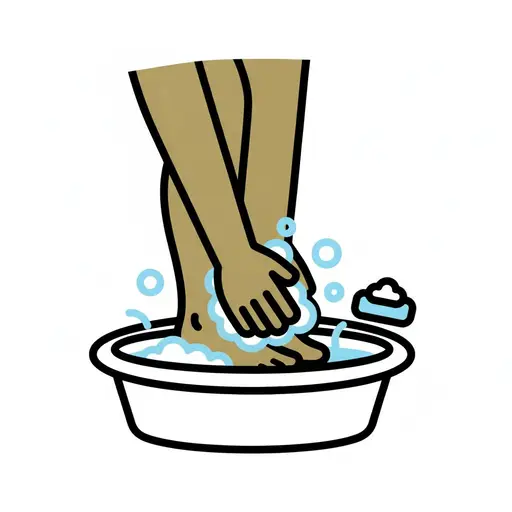
Wash your feet
Feet are rinsed by hands in a basin with bubbles.

Get clean
Two hands are washed with soap and suds under a running tap.

Sit on the potty
A child sits on a potty with another potty beside it.
This visual support in other languages
Take the visual supports with you
In Routined you build schedules from these pictures, add timers and voice instructions, and your child follows the day on their own.


* 14-day free trial, then $2.39 a month or $20.99 a year (US pricing). Cancel anytime.