Dry your body
The feeling of dampness lingers even where the towel has already been, which is why drying off so often stops halfway and leaves wet legs behind. The steps below move through the body part by part, so your child can see what remains instead of guessing.
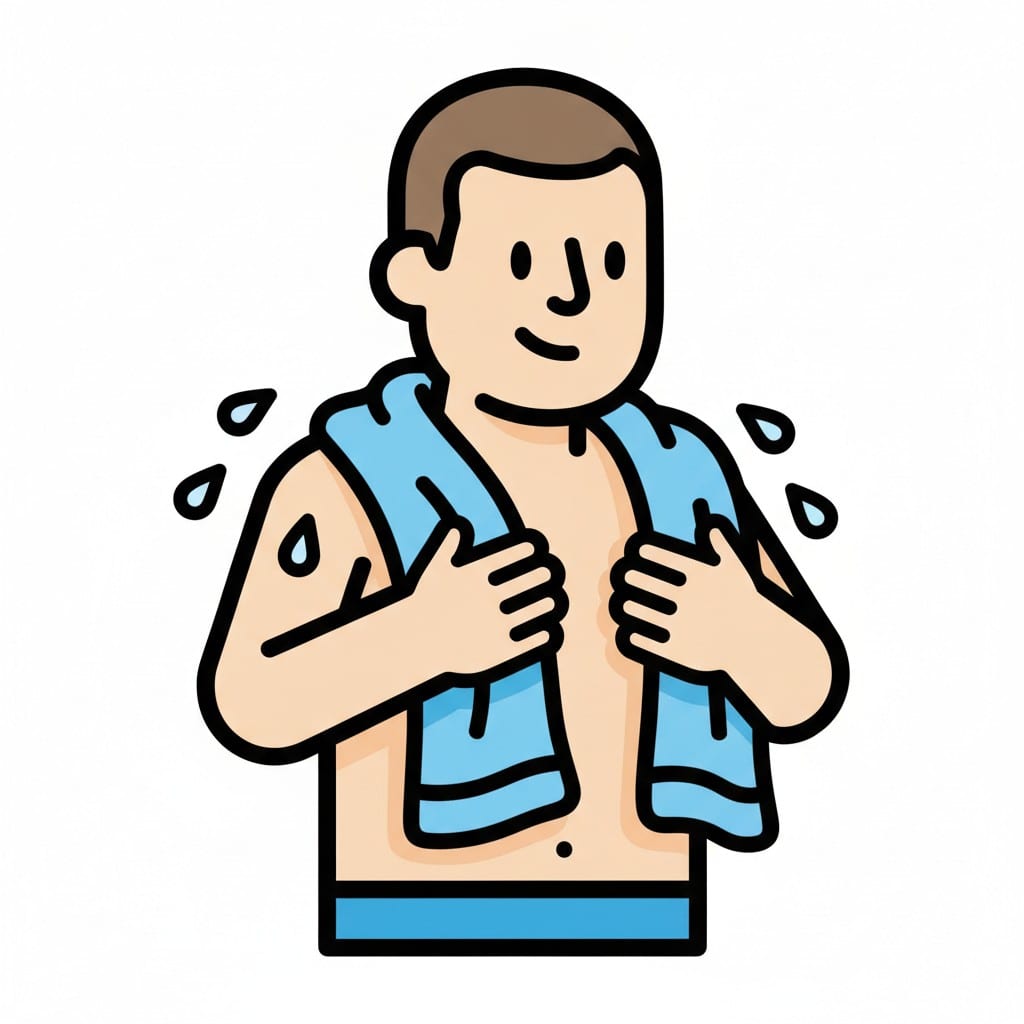 ♂
♂Man drying off
A man dries himself with a towel around his shoulders after a shower.
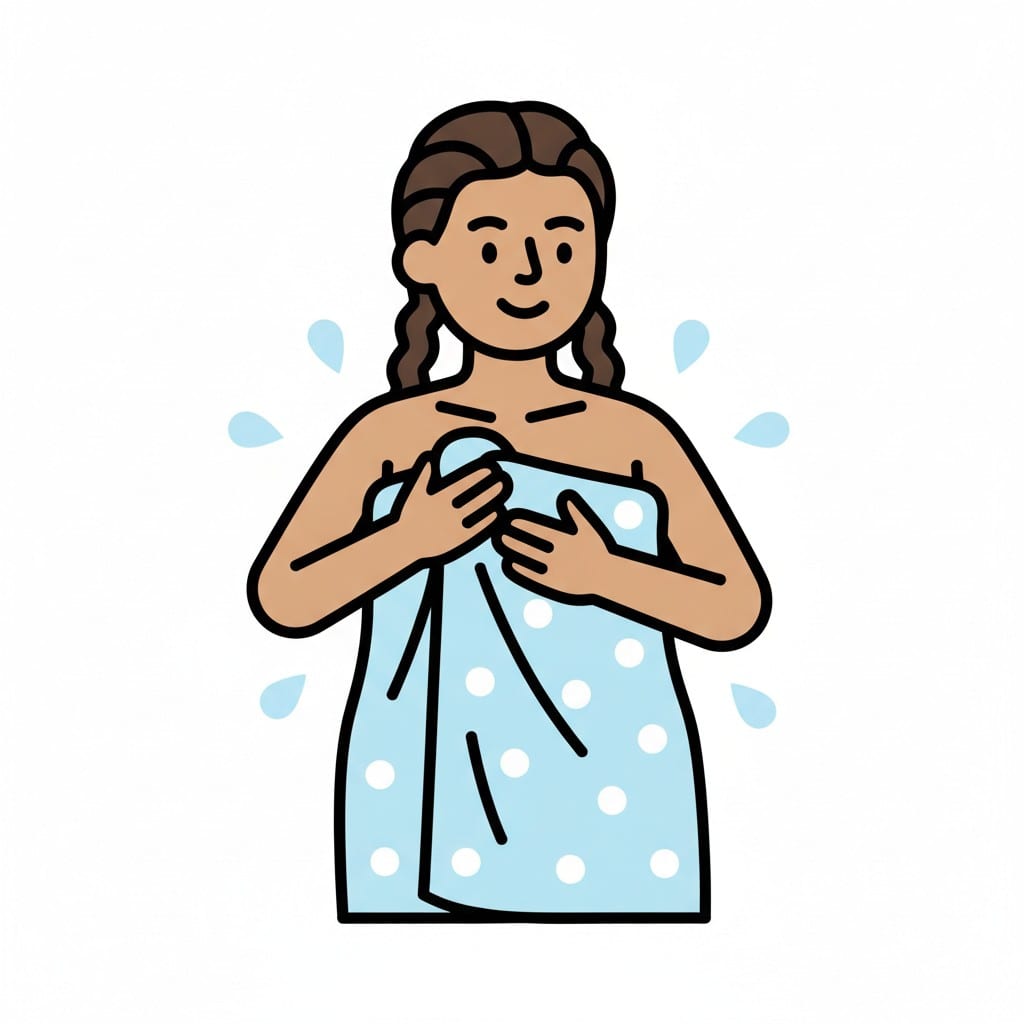 ♀
♀Dry your body
A girl stands wrapped in a dotted towel and dries her body after the shower.
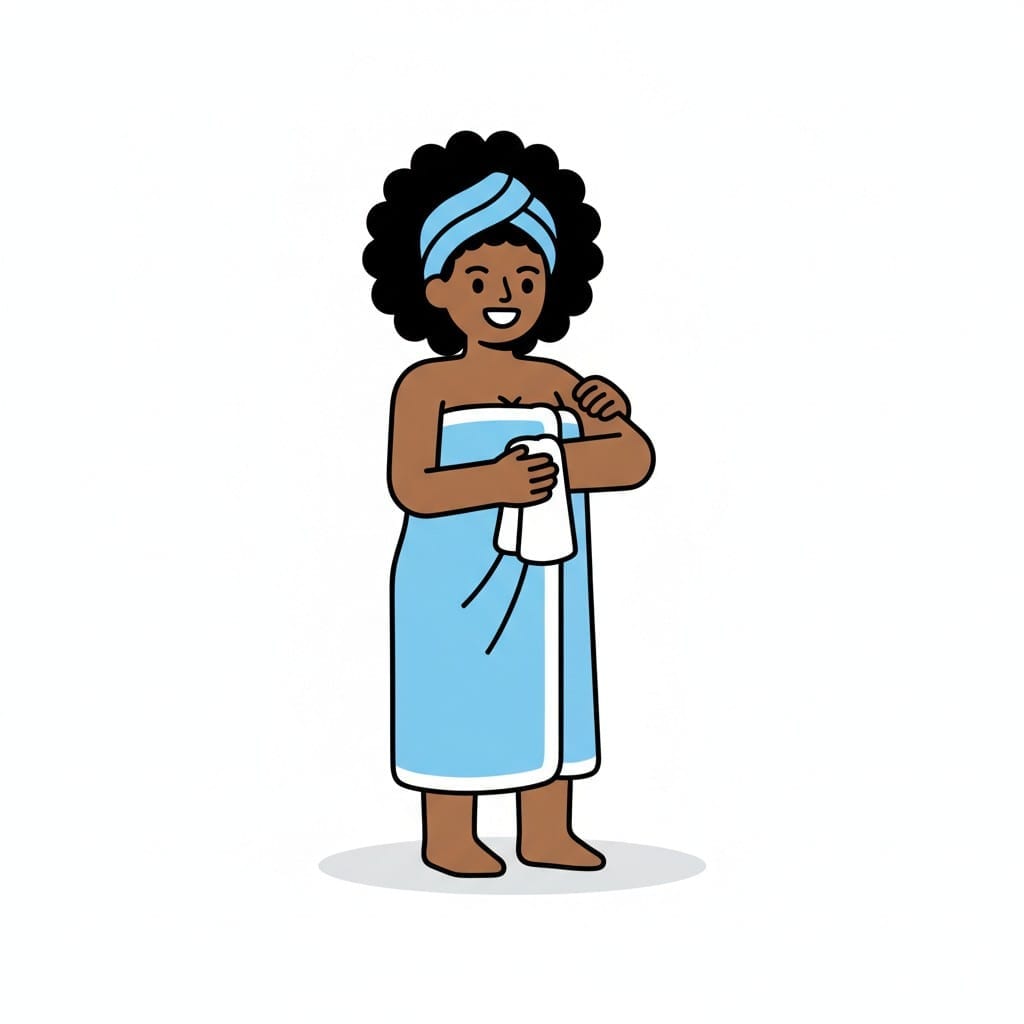 ♀
♀Person drying their arm with a towel
A smiling person stands wrapped in a light blue towel with a towel around their hair and dries their arm with a white towel.
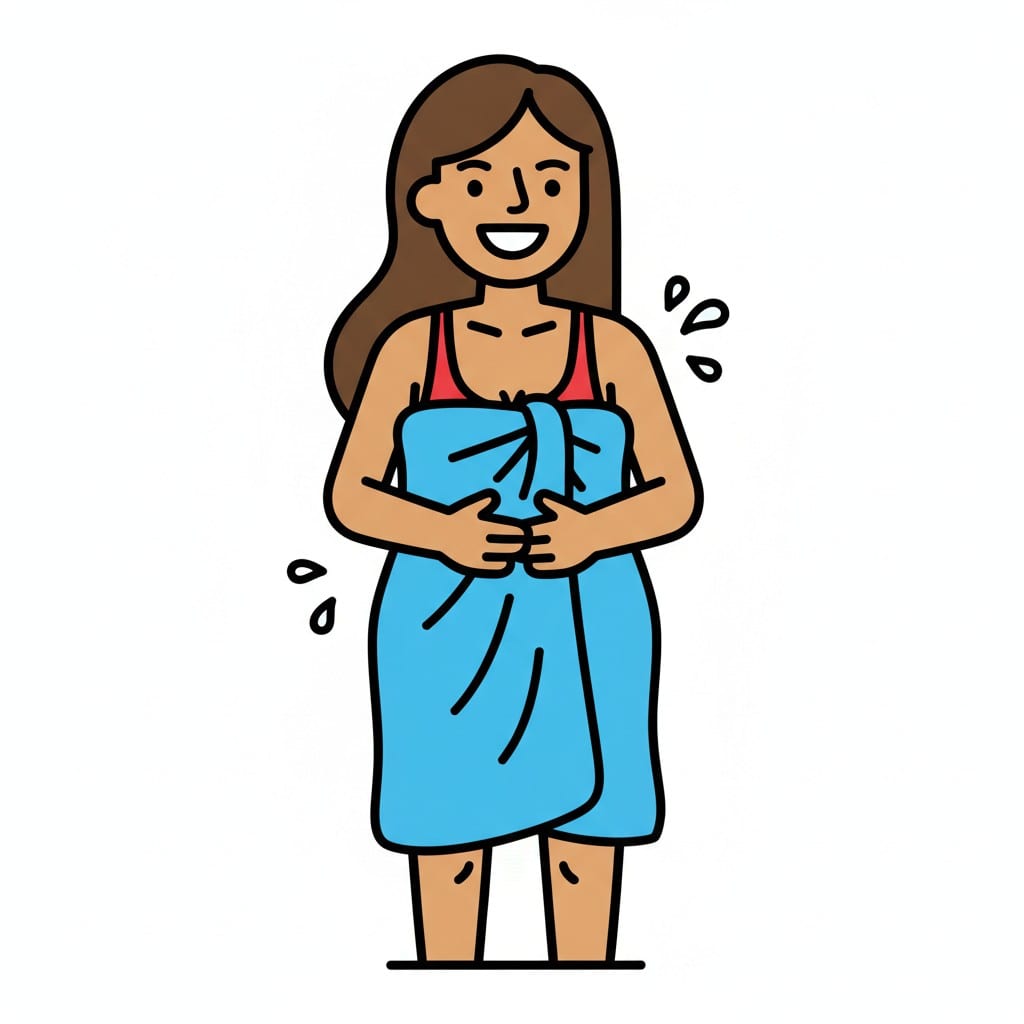 ♀
♀Woman drying off
A woman has a towel wrapped around her body after a shower.
About this visual support
Knowing when the body is dry is harder than it sounds. The sense of dampness lingers even in places the towel has already covered, and terry cloth drags against skin that is still wet, especially across the back and inside the elbows. The usual outcome is a child who stops halfway, walks into the room with wet legs, leaves the towel on the floor and has cold feet ten minutes later.
Visual support gives drying an order that does not have to be felt out: head, arms, tummy, back, legs, feet. A child with tactile sensitivity gets something to follow instead of a bodily impression that is unreliable at exactly that moment. A tip specific to the towel is to press rather than rub. Lay the towel against the skin and push, which causes less scraping and at the same time gives clearer information about where you are in the sequence.
If you want the steps on your phone, you can assemble them in the Routined app and try it for fourteen days at no cost. The pictures on this page are free to download.
This image is part of these ready-made schedules
Use this image in a schedule
Build your own visual schedule with this image and download it as a print-ready PDF. Completely free.
More similar visual supports

Towel
Two folded light blue towels stacked on top of each other.
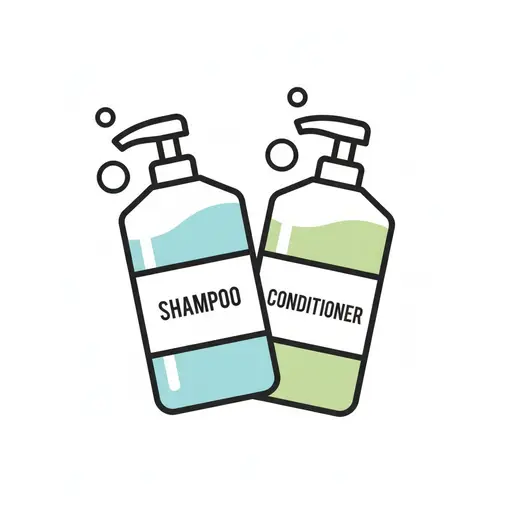
Shampoo
A bottle of shampoo and a bottle of conditioner.
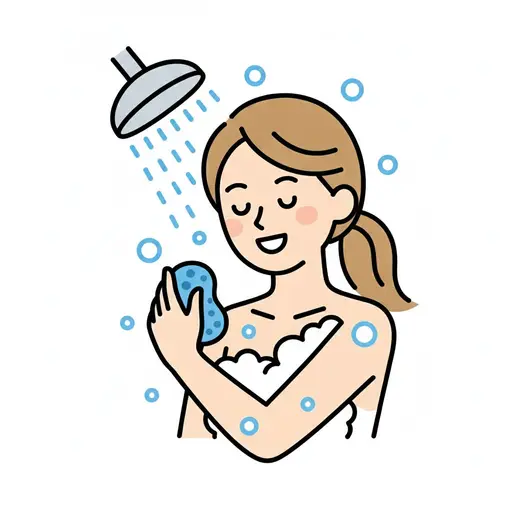
Wash body
Under a running shower head, a woman with a ponytail scrubs her shoulder with a ...

Dry yourself
A child dries off with a blue towel after a bath or shower.
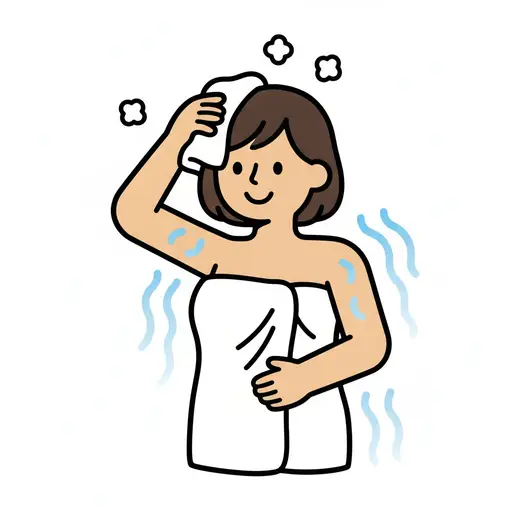
Dry body and hair
A girl wrapped in a towel dries her hair with a small towel after the shower.

Bath towel
A rolled-up blue bath towel.
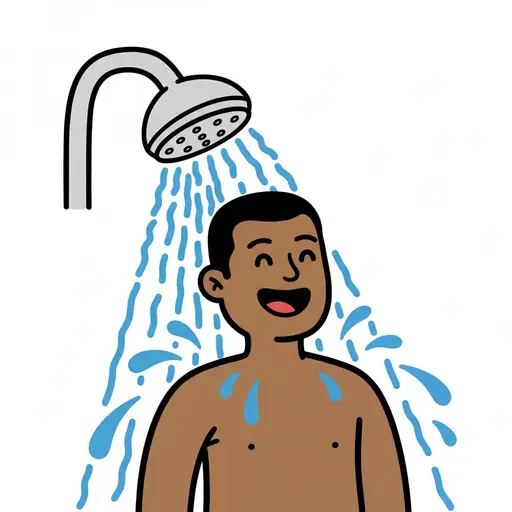
Shower child
An illustration of a boy with soap on his body, holding a sponge and a towel, st...
Bath or shower
An illustration of a bathtub with a shower head spraying water and a blue shower...
This visual support in other languages
Take the visual supports with you
In Routined you build schedules from these pictures, add timers and voice instructions, and your child follows the day on their own.


* 14-day free trial, then $2.39 a month or $20.99 a year (US pricing). Cancel anytime.