Get clean
Water on skin, soap with a smell, a towel that should feel dry but not scratchy – washing up is more input than it looks. The visuals below set the order from first step to last.
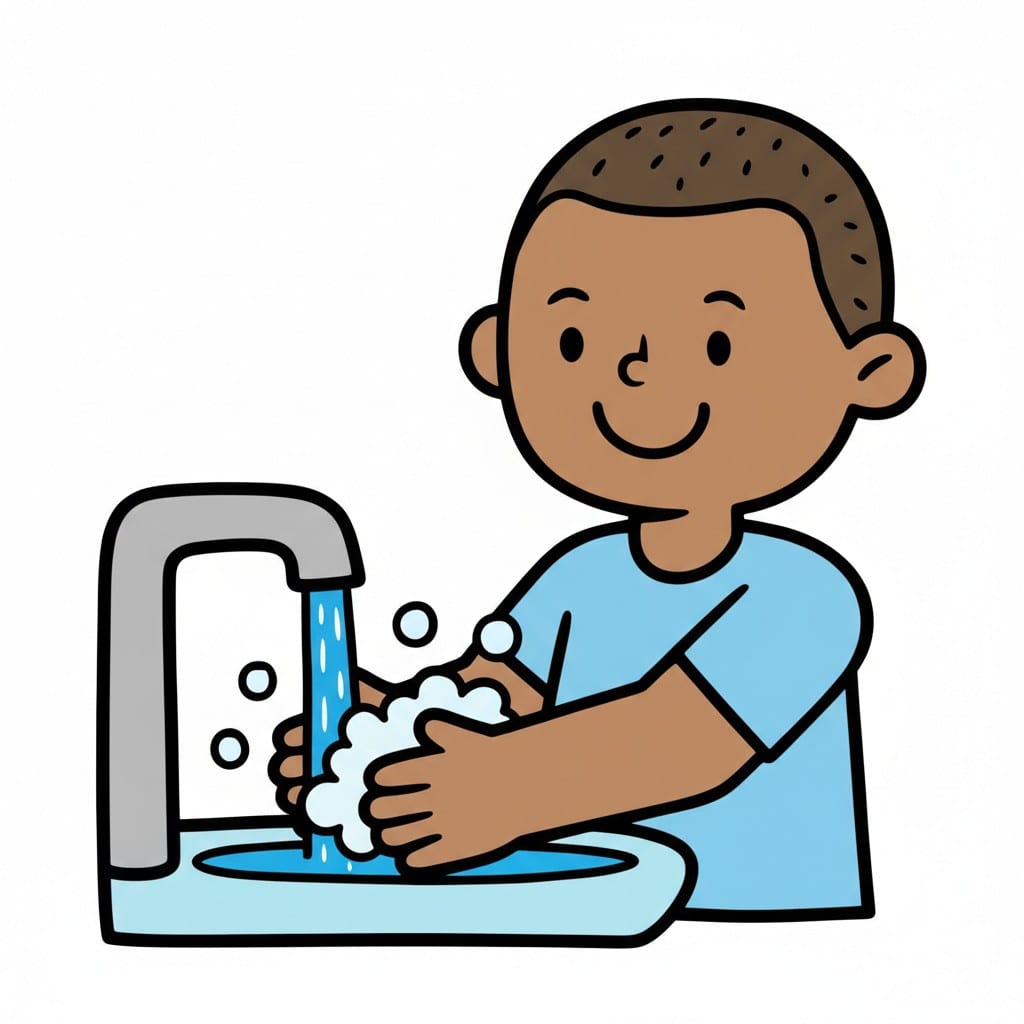 ♂
♂Wash
A boy washes his hands in a sink with soap and water.
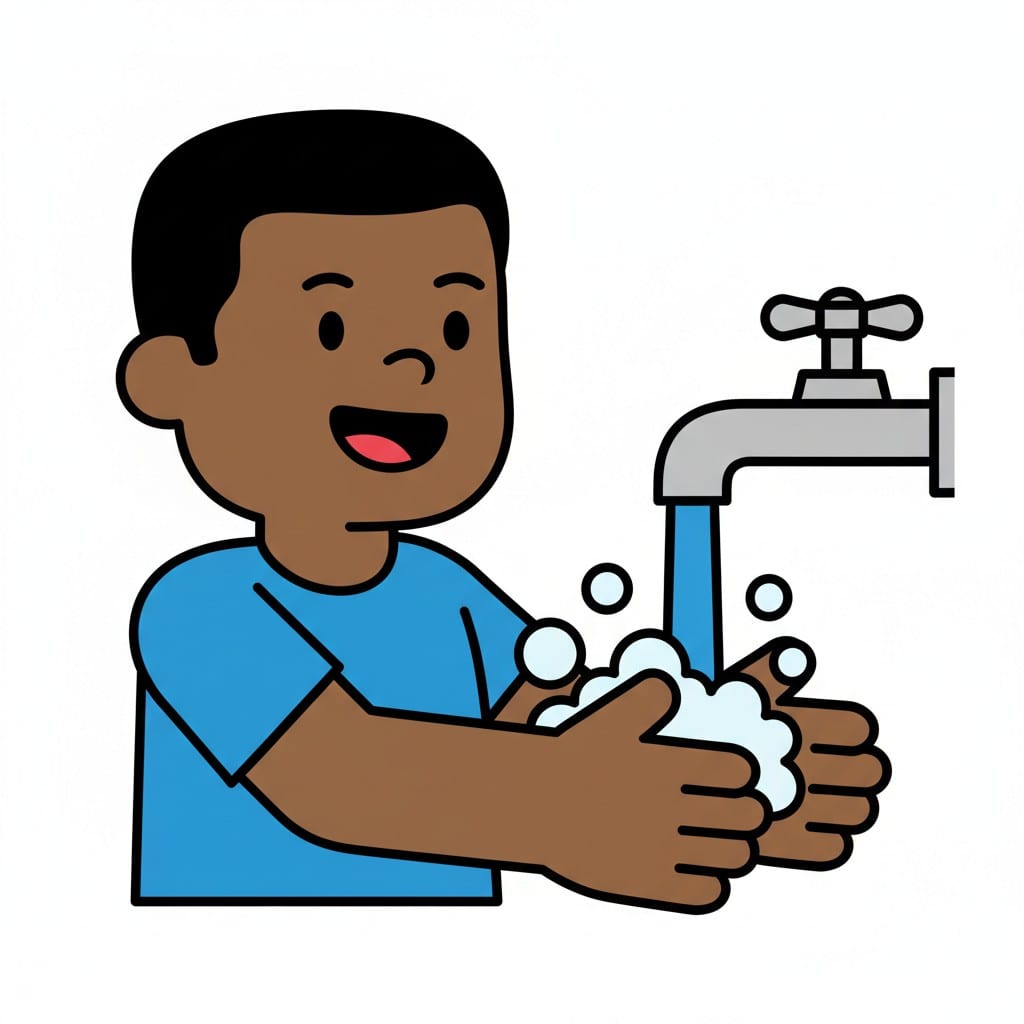 ♂
♂Wash hands
A boy washing his hands with soap under running water from a faucet.
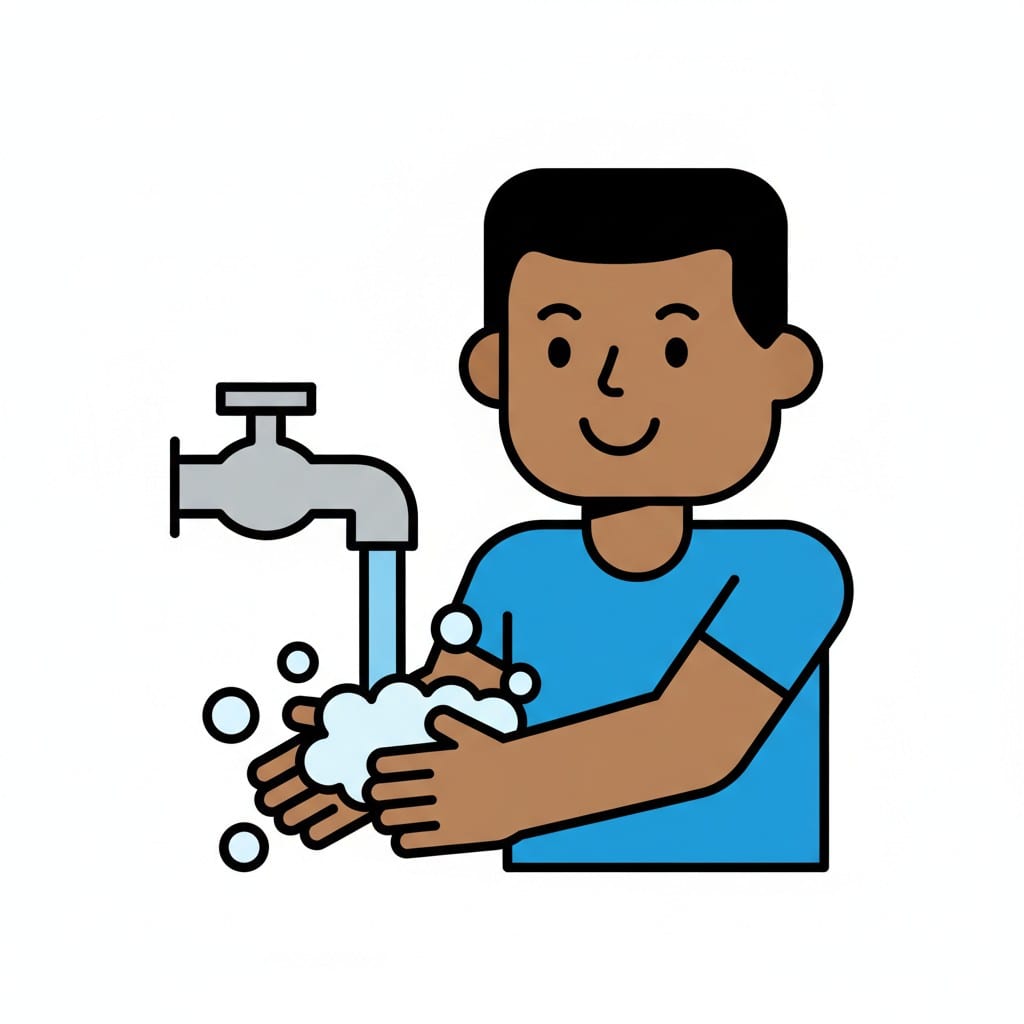 ♂
♂Boy lathering his hands
A boy rubs a thick lather of soap over his hands under a running tap.
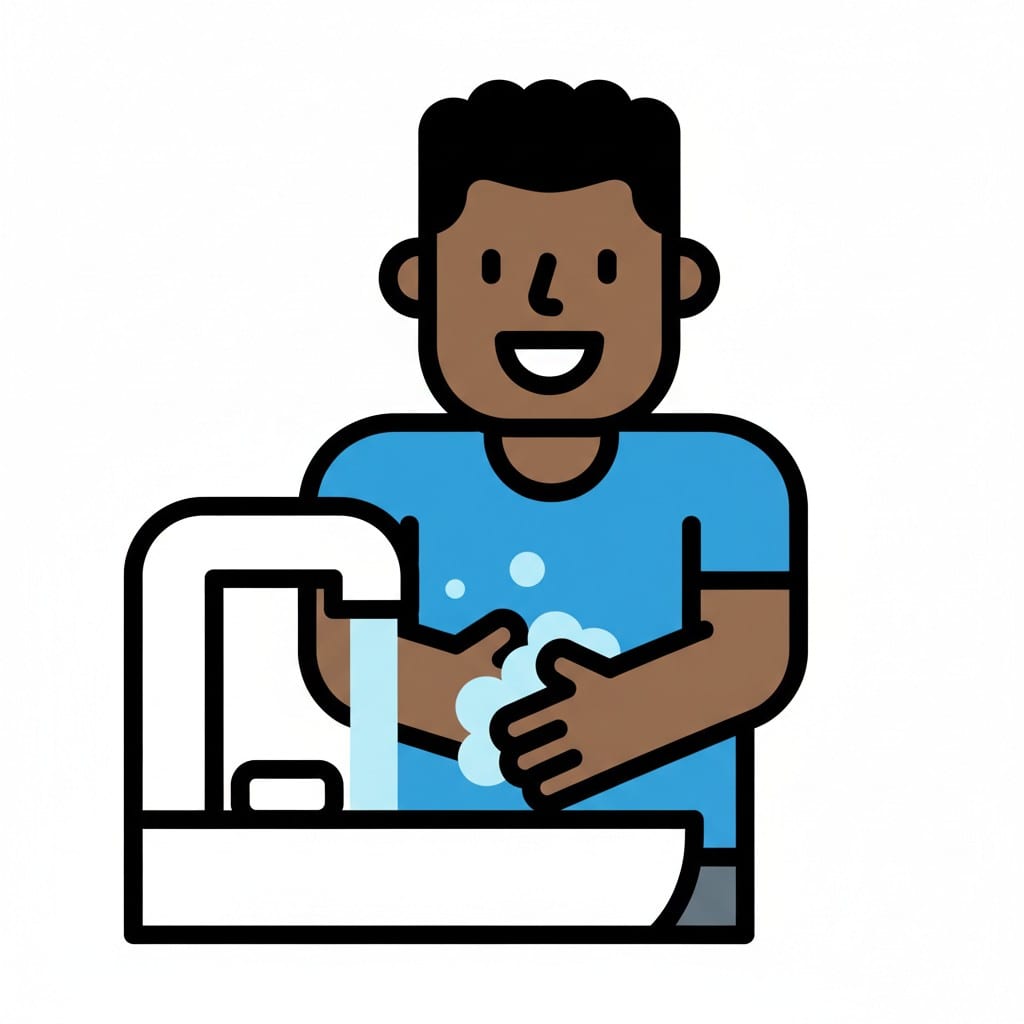 ♂
♂Boy washing hands at the sink
Smiling in a blue shirt, a boy scrubs his foamy hands over a white sink while the water runs.
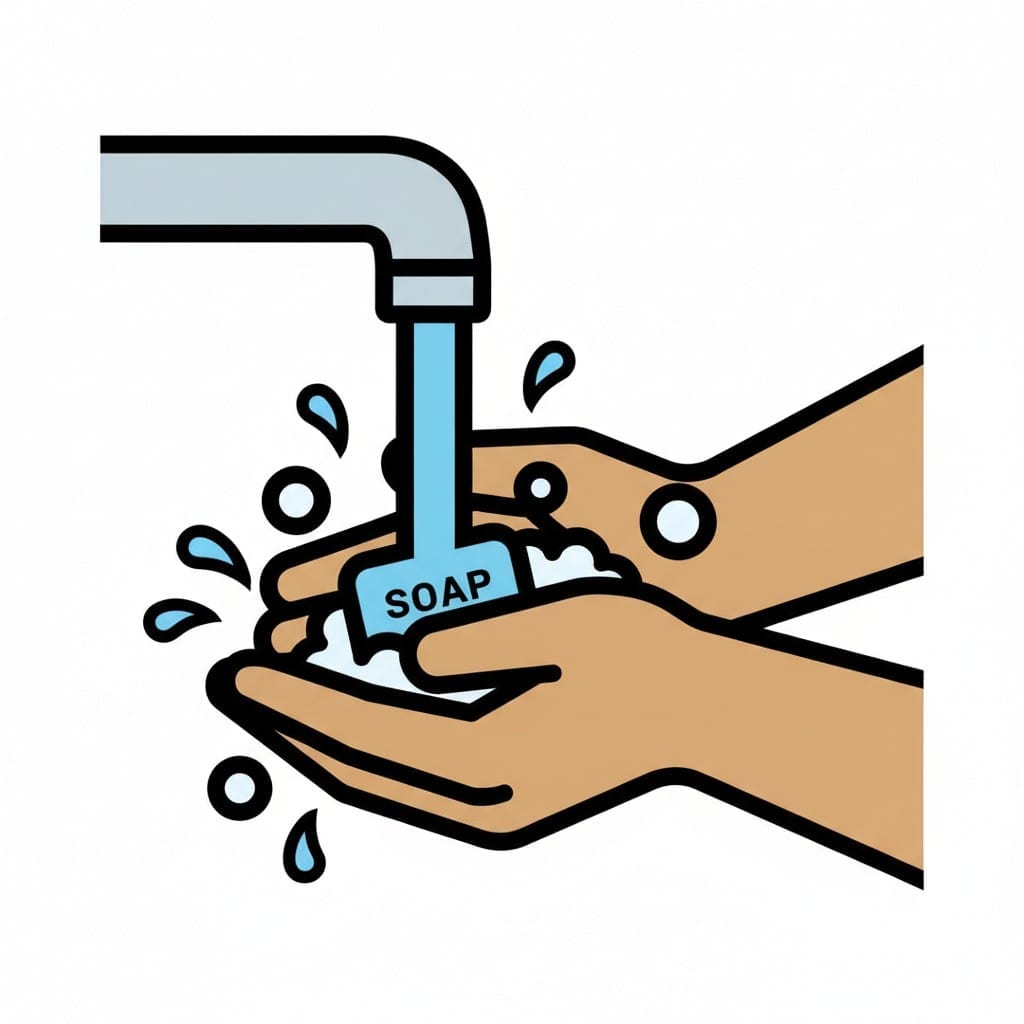 ♀
♀Wash hands
Two hands being washed under a water tap with soap and suds.
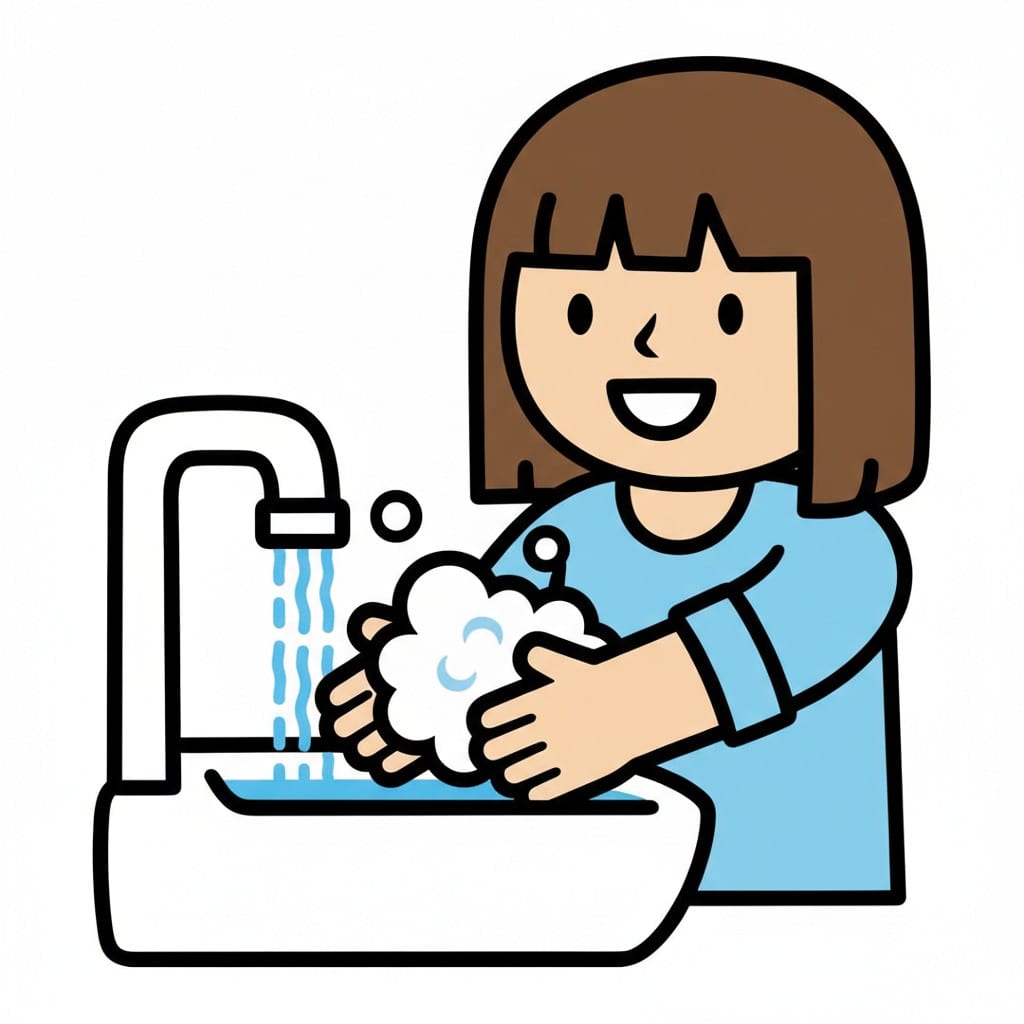 ♀
♀Girl washing her hands
A cheerful girl with a bob haircut scrubs her hands in soap suds at a sink with the water running.
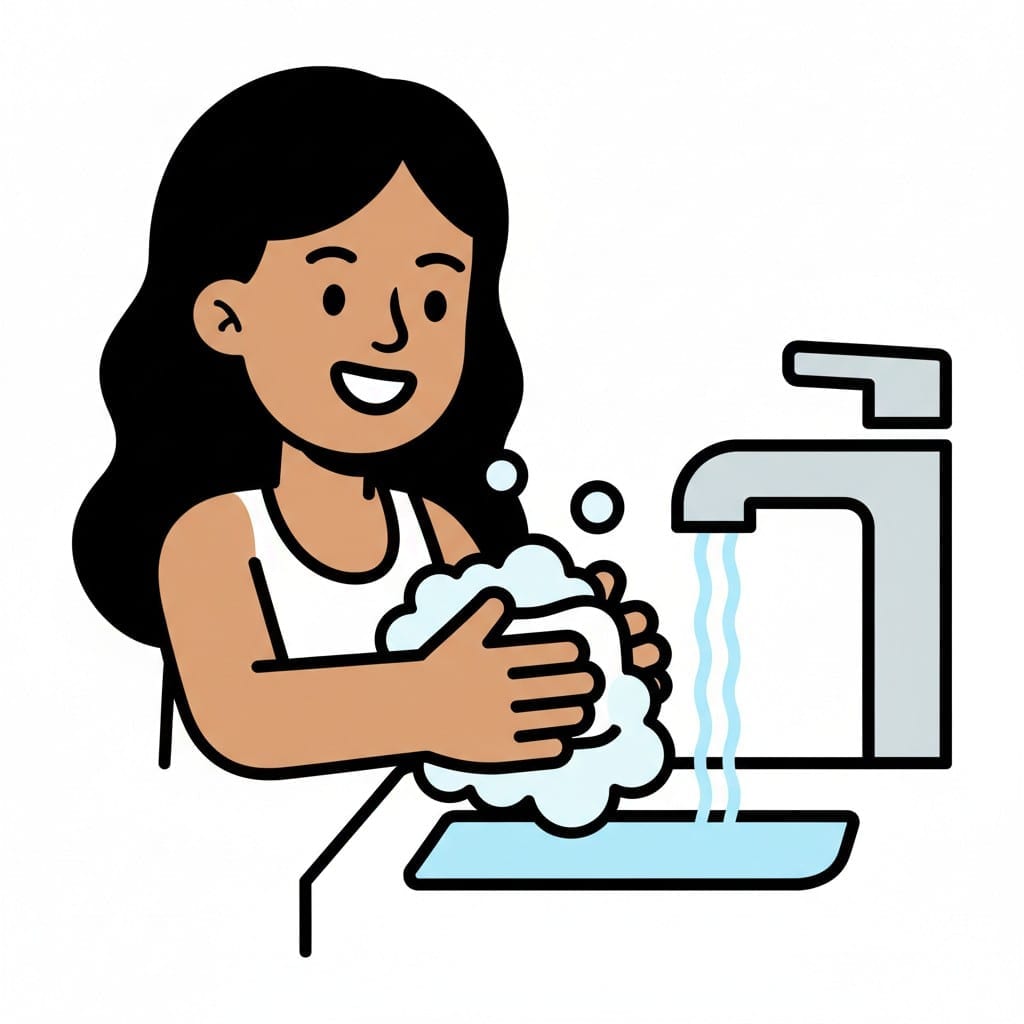 ♀
♀Woman washing hands under the tap
Long hair falling loose, a woman works up a lather on her hands under a modern tap.
About this visual support
What looks like a simple act is really a string of sensory decisions. Is the water too hot? Is this the soap with the strong scent or the mild one? Is one rub enough or do the hands need more? For a child who registers every input, washing quickly becomes a moment where small signals all want attention at once.
Pictures take over part of the decision load. When the order is already set – tap on, wet hands, soap, rub, rinse, tap off, towel – the brain doesn't have to reinvent each step. It just follows the row, and can put its attention on the feeling itself instead of on what comes next.
Let the child pick which soap to use for the week, so smell and texture aren't a fresh surprise every time. That removes one layer of unpredictability. In Routined you can pair a timer with the washing step itself, so the child knows exactly when it's finished without you having to count out loud.
Use this image in a schedule
Build your own visual schedule with this image and download it as a print-ready PDF. Completely free.

More similar visual supports
Bathe
A smiling girl sits in a bathtub full of foam and washes her arm with a yellow s...
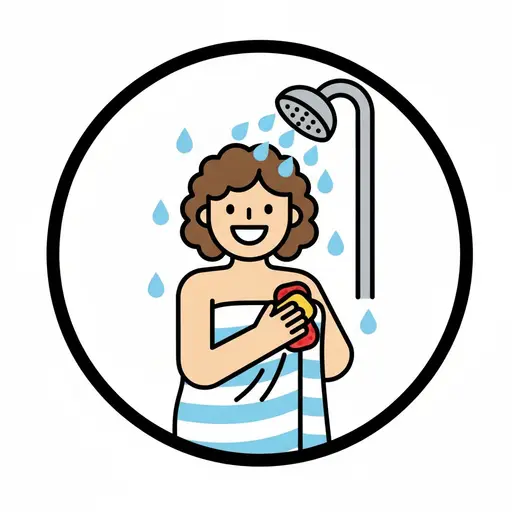
have a shower
A circular icon with a smiling person wrapped in a striped towel washing their a...
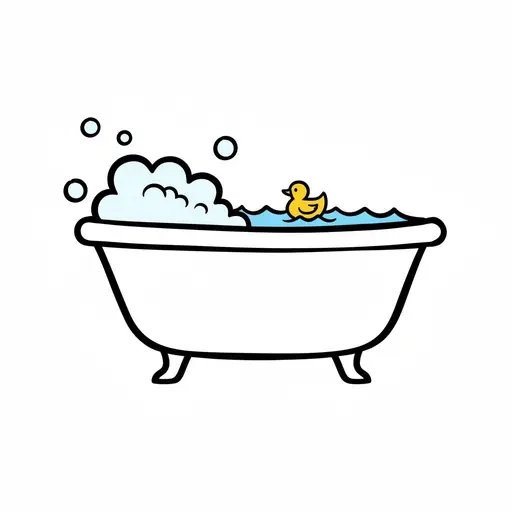
Bath
A white bathtub holds blue water and a big mound of foam, with a small yellow du...
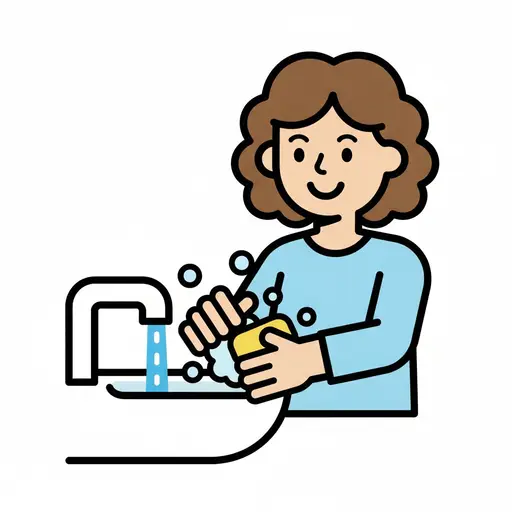
Freshen up
Holding a yellow bar of soap, a woman works up a lather in her hands while water...
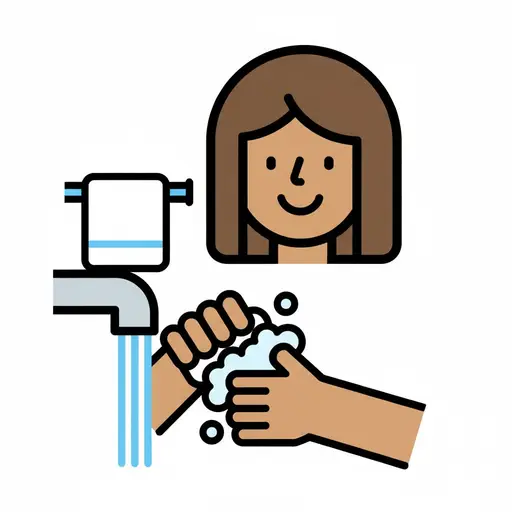
Hygiene
A girl washes her hands with lather under a tap with a towel hanging nearby.
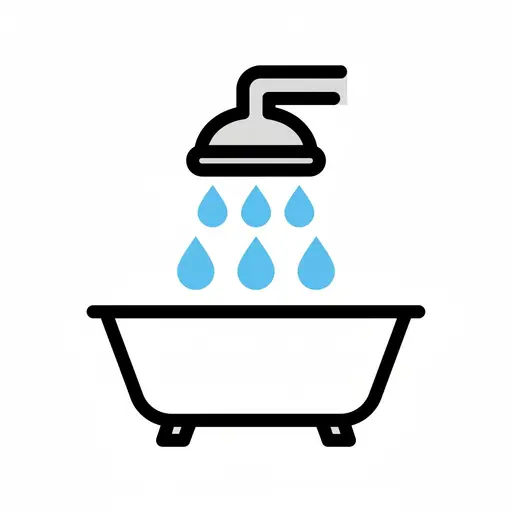
Shower
A shower head sprays water into a bathtub.
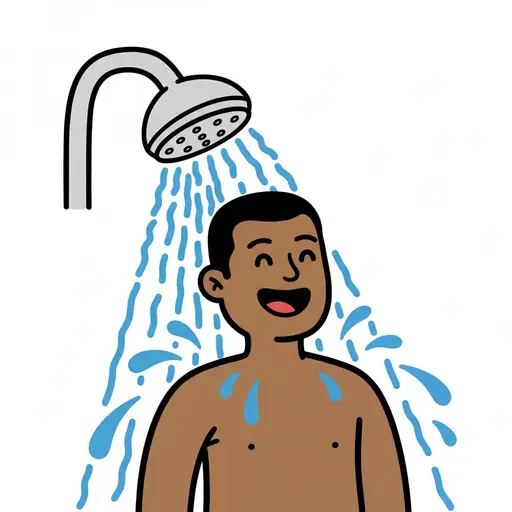
Shower child
An illustration of a boy with soap on his body, holding a sponge and a towel, st...

Soap the Body
A child soaps their body with lather and bubbles.
Take the visual supports with you
In Routined you build schedules from these pictures, add timers and voice instructions, and your child follows the day on their own.


* 14-day free trial included for new users.