Eating Out With a Neurodivergent Child: A Calm, Practical Guide
Eating out with a child who has ADHD or autism can feel like more trouble than it is worth: the waiting, the noise, the unfamiliar food, the sitting still. With a little preparation, though, restaurants can become manageable, even enjoyable.
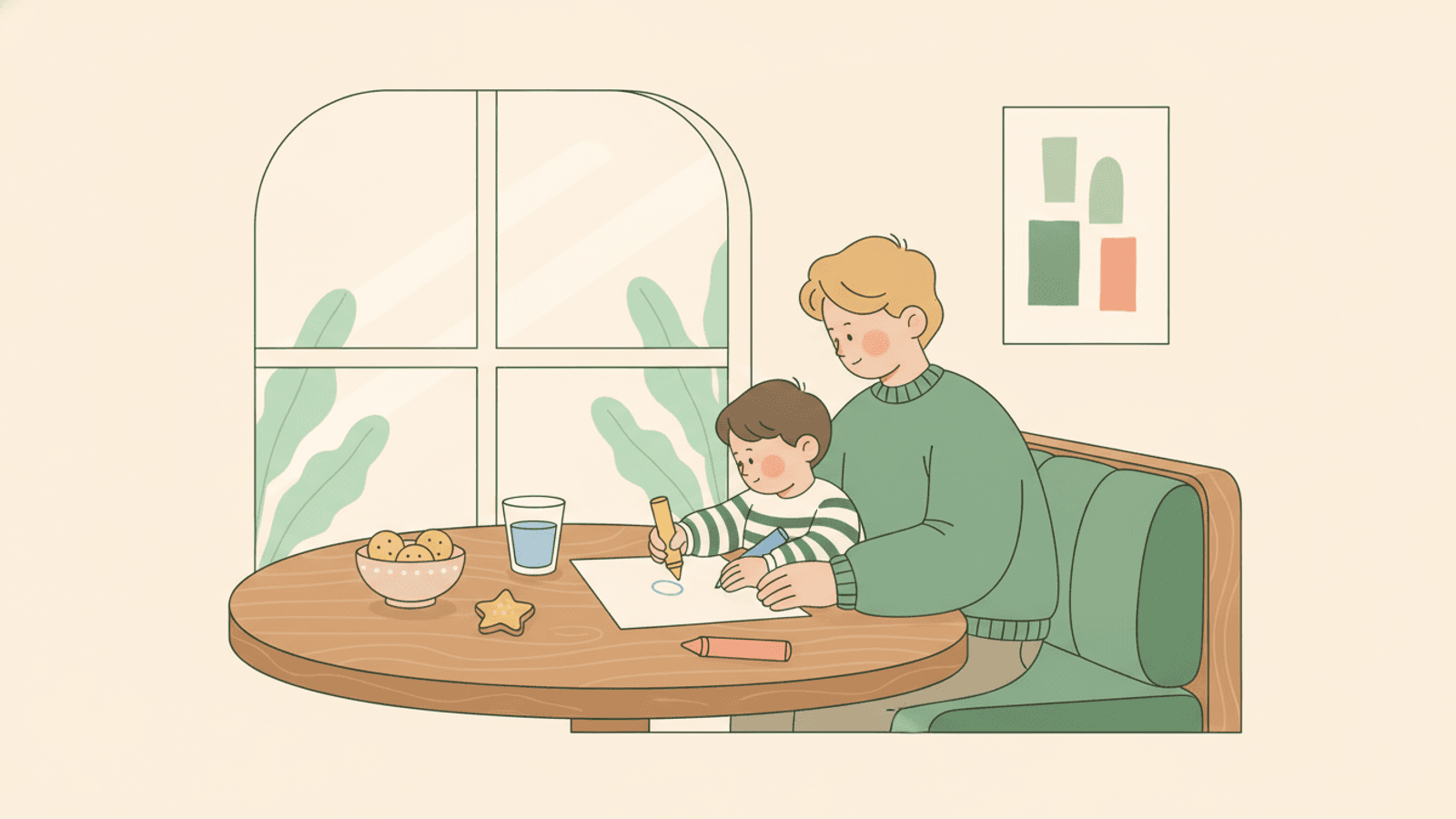
Eating out with a child who has ADHD or autism can feel like more trouble than it is worth — the long wait, the noise, the unfamiliar food, the demand to sit still in a place where everything is unpredictable. Many families quietly give up on restaurants altogether. But with a bit of preparation, eating out can become genuinely manageable, and sometimes even enjoyable. The trick is to remove the obstacles before you arrive.
Why restaurants are hard
A restaurant stacks up almost every challenge at once: a long wait with nothing to do, loud noise and lighting that is too bright or too dim, unfamiliar smells, food that is not the safe usual, the demand to stay seated, and total unpredictability about when anything will happen. For a child with sensory sensitivities and a hard time waiting, that is an enormous amount to cope with. Naming it is the first step, because it tells you exactly which obstacles to remove in advance.
Prepare before you go
- Look at the menu online together and let your child choose, or at least confirm there is a safe option for them.
- Prepare the experience with a simple visual or a chat about what will happen, and in what order.
- Choose the right place and time — somewhere quieter, kid-friendly and off-peak rather than loud and packed.
- Put it in the calendar with a heads-up, so the trip is expected rather than sprung on the day.
Set yourselves up at the table
- Bring a safe food or snack in case nothing on the menu works — eating something matters far more than eating the “right” thing.
- Bring fidgets, a drawing pad or a quiet activity to get through the wait.
- Pick your seat thoughtfully — a quieter corner, back to the busy room, near an exit.
- Order as soon as you can, and ask for your child’s food to come out first.
Manage the wait and have an exit plan
The wait is almost always the hardest part, so order quickly, use the activity you brought, and step outside for a short walk or to look at something if the table gets too much. Agree in advance that if it all becomes overwhelming, one adult leaves with the child, calmly and without drama. Knowing there is an exit makes the whole outing less stressful for everyone — and often means you never actually need it.
Lower the bar and build up
Start small: a quick, quiet café, a short visit, leaving before the meltdown rather than after it. Every calm, successful outing builds tolerance for the next one. Do not aim for a long, fancy dinner first time out — aim for a relaxed thirty minutes that ends on a good note. Over time, with a run of positive experiences behind them, most children manage more.
A note on other people
You may feel watched, and that pressure is real. But most people are not judging, and the few who are do not matter. Your job at that table is your child’s needs, not a stranger’s idea of how a child should behave at dinner. Looking after your child calmly, even if that means leaving early, is exactly the right thing to be doing. This article is general guidance, not medical advice.
Read more
Frequently asked questions
How do I take a child with autism or ADHD to a restaurant?
Prepare in advance: check the menu online, pick a quieter place at an off-peak time, and give a visual or verbal heads-up about what will happen. Bring safe food and a quiet activity, choose a calm seat, order quickly, and have an exit plan if it gets too much.
What should I bring to a restaurant for a neurodivergent child?
A safe food or snack in case nothing on the menu works, fidgets or a drawing pad for the wait, and anything that helps your child stay regulated, such as ear defenders. The goal is to remove as many obstacles as you can in advance.
Why does my child struggle so much at restaurants?
Restaurants combine waiting, noise, unfamiliar smells and food, bright or dim lighting, and a demand to sit still — all at once, with no predictability. For a child with sensory sensitivities and difficulty waiting, that is a huge load, and struggling with it is understandable, not bad behaviour.
Should I bring my own food to a restaurant for my child?
If your child has a very narrow range of safe foods, bringing a familiar option is sensible and most family-friendly places will not mind. Your child eating something they are comfortable with matters far more than them eating off the menu.
How do I handle a meltdown at a restaurant?
Agree an exit plan beforehand: if it becomes overwhelming, one adult calmly leaves with the child to a quieter space, no drama. Stay calm, lower your demands, and remember that ending the outing early is a reasonable choice, not a failure.