Family Dinner Without the Battles: A Calmer Way to Eat Together
Family dinner is sold as a warm ritual, and then reality is one child refusing everything, another bouncing off the chair, and you negotiating bites. Dinners do not have to be battles — most of the fighting comes from a few fixable patterns.
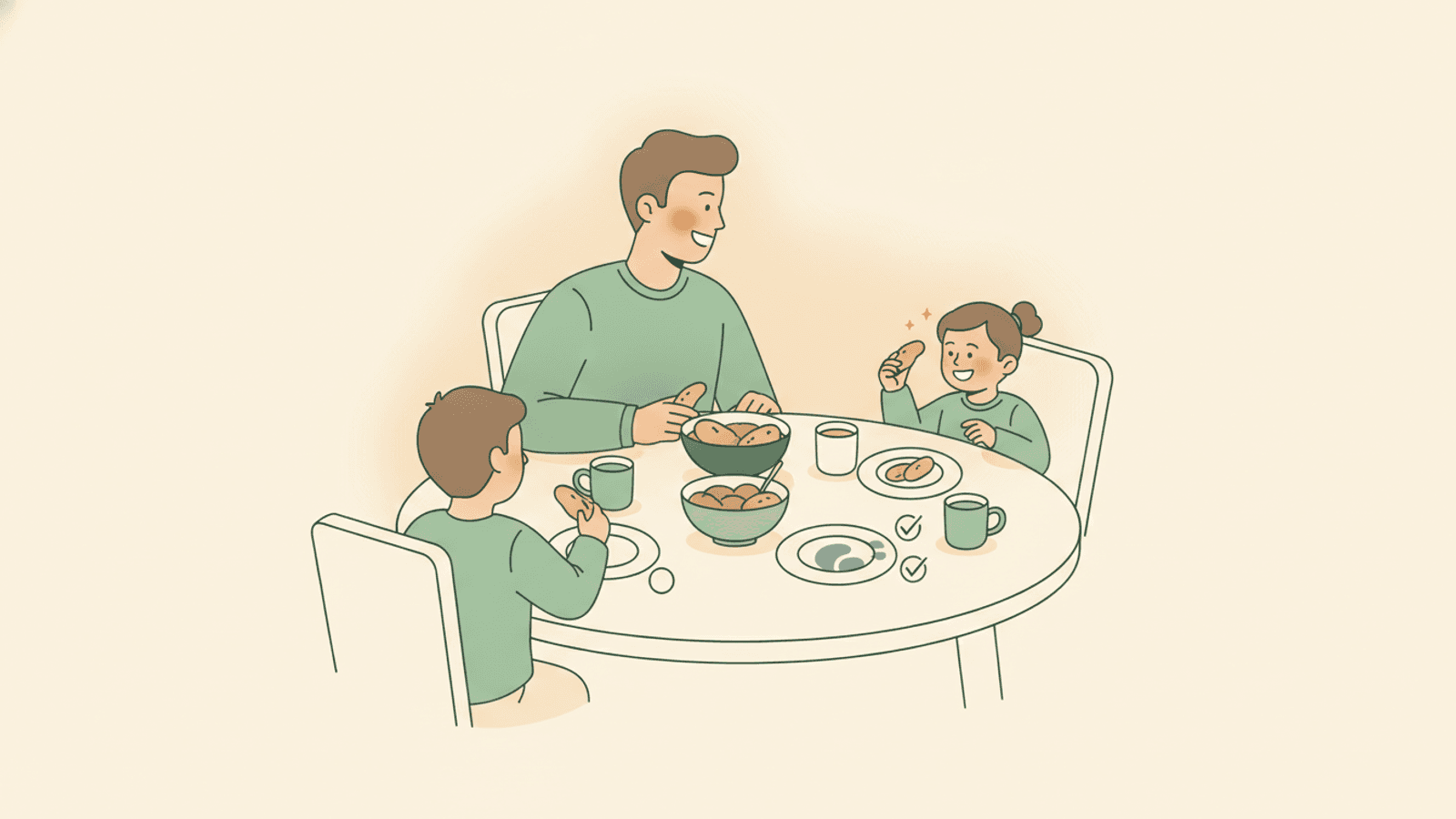
Family dinner is sold as a warm, connecting ritual — and then the reality is one child refusing everything on the plate, another bouncing on and off the chair, and you negotiating “just three more bites.” If your dinners feel more like a standoff than a moment together, you are far from alone. The good news is that most mealtime fighting comes from a handful of patterns, and those patterns are fixable.
Why dinner becomes a battleground
Dinner lands at the hardest time of day. Everyone is tired, children are dysregulated after a long day, and you are running low yourself. Stir in pressure over eating — “three more bites,” “you’re not leaving until…” — and high expectations for sitting still and table manners, and you have a recipe for a standoff. Most dinner conflict is not about a difficult child; it is about expectations and pressure colliding with a tired one.
Split the job: who decides what
The single most freeing idea at the table is the division of responsibility. You decide what food is served, when, and where. Your child decides whether they eat it and how much. When you let go of trying to control that second part, the power struggle largely dissolves — and counter-intuitively, children who are not pressured to eat tend to eat better, and a wider range, over time.
Keep the table pleasant
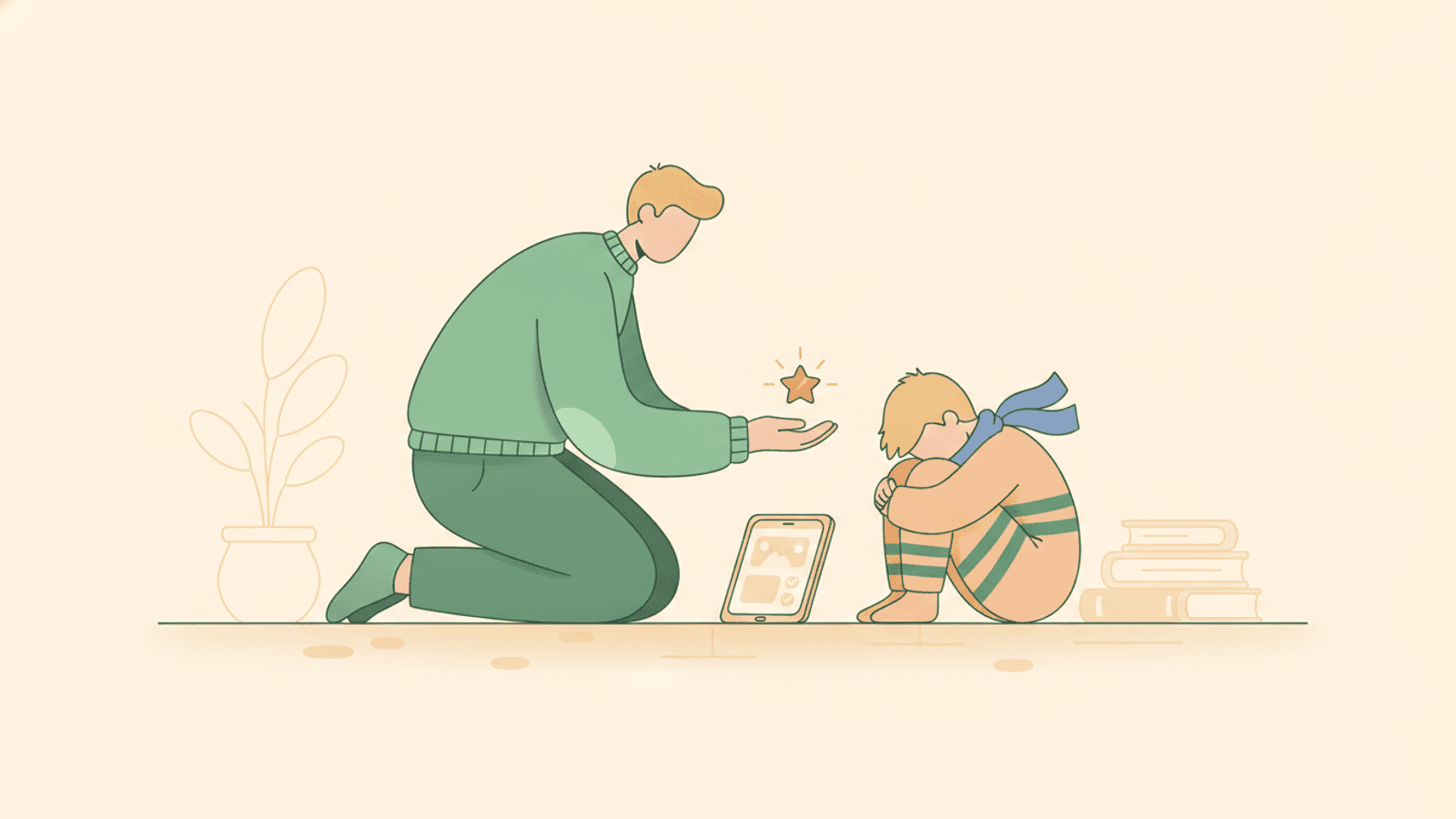
- Serve the meal, then stay neutral about who eats what — no coaxing, bribing or commenting on anyone’s plate.
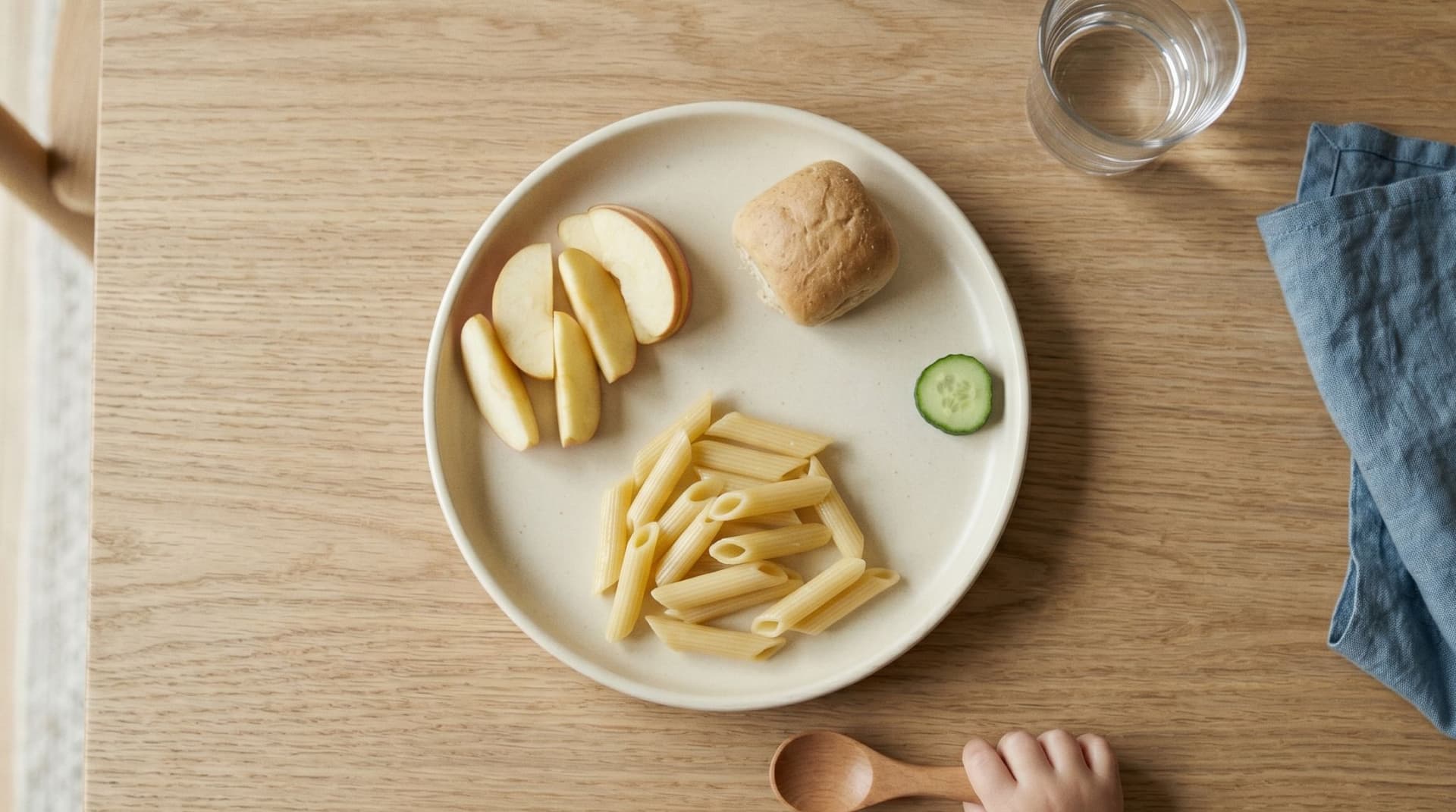
- Always include one “safe” food you know your child will eat alongside the rest of the meal.
- Keep conversation light and off the food — ask about the day, play a quick around-the-table game.
- Do not use dessert as a reward for eating dinner — it makes dinner the chore and dessert the prize, and teaches the wrong lesson about food.
Set realistic behaviour expectations
Young children simply cannot sit through a long adult meal — ten to fifteen minutes is plenty for many of them. Let your child leave when they are genuinely done, within reason, rather than forcing a stay that curdles into a battle. Give a wriggler a small role, like handing out napkins, and keep the meal short enough to end on a good note rather than a meltdown.
Make it a routine, not a nightly effort
A predictable dinner time, the same place each evening, and a short pre-dinner wind-down — wash hands, help set the table — all signal “we are shifting to dinner now” and quietly reduce resistance. Eating together whenever you can, even briefly, matters far more than producing a perfect meal. The connection is the point, not the plate.
For children with ADHD or autism
Sitting still is genuinely hard, sensory differences can make many foods — and even the noise and smell of a shared meal — overwhelming, and end-of-day regulation is at its lowest. Shorten the sit, allow a fidget or a movement break, and do not make staying seated the hill to die on. Lean on safe foods and zero pressure. A calm, predictable, low-demand meal beats a long, tense “proper” one every time. This article is general guidance, not medical advice.
Read more
Frequently asked questions
How do I stop fighting with my child at dinner?
Most fighting comes from pressure over eating and unrealistic expectations. Decide what is served and let your child decide whether and how much they eat, keep the table pleasant and neutral, and keep meals short enough for their age. The struggle fades when the pressure does.
What is the division of responsibility in feeding?
It is the principle that the parent decides what food is offered, and when and where, while the child decides whether to eat and how much. It removes the daily power struggle and, over time, tends to lead to better and broader eating.
Should I make my child finish their plate?
No. Forcing children to clean their plate overrides their natural hunger and fullness cues and turns meals into a battle. Serve reasonable portions, include a safe food, and let them stop when they are full.
How long should a young child sit at the dinner table?
Many young children can manage only ten to fifteen minutes at the table, and that is normal. Let them leave when they are genuinely finished rather than forcing a longer stay that becomes a fight.
Should dessert be a reward for eating dinner?
It is best not to. Using dessert as a prize makes the main meal feel like a chore and the sweet food extra special, which teaches the wrong relationship with food. Offer dessert, when you do, as just another part of the meal.