Food Chaining: A Gentle Way to Help a Picky Eater Try New Foods
If your child eats the same ten foods on rotation, "just try it" rarely works. Food chaining is a gentle, step-by-step method that bridges from foods they already love to new ones, one tiny change at a time.
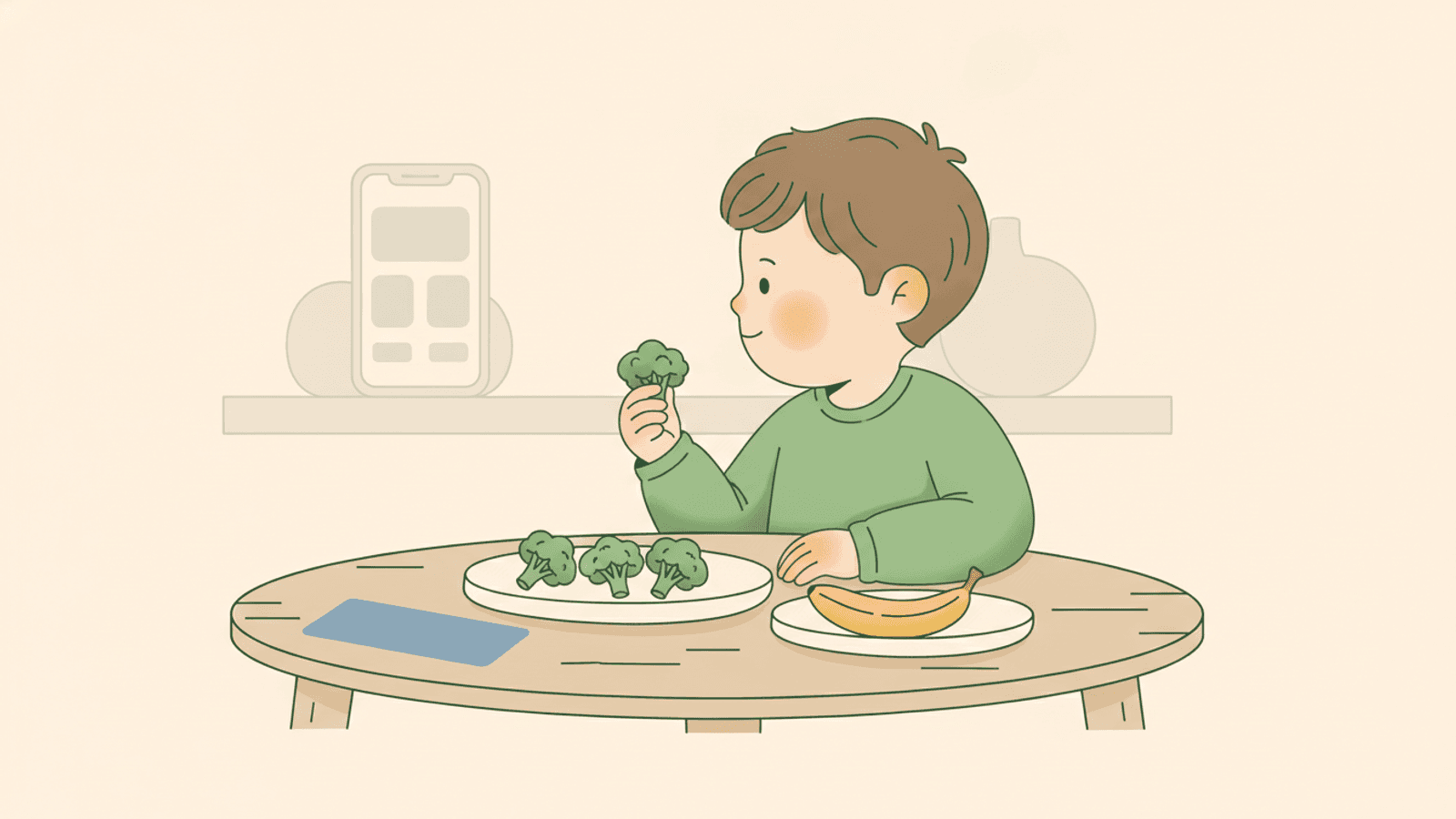
If your child eats the same ten foods on rotation and treats anything else as suspicious, you already know that “just try it” rarely lands. Food chaining is a gentle, step-by-step method that does the opposite of pressure: it bridges from foods your child already loves to new ones, one tiny change at a time. It is the same approach feeding therapists use to expand a genuinely narrow diet.
What food chaining is
Food chaining means building a “chain” from an accepted food to a new one by changing just one small thing at each step — the flavour, the texture, the shape, the brand or the temperature. Each link is so close to the one before that it barely registers as new. Instead of a giant leap from a chicken nugget to broccoli, you take tiny steps the child’s nervous system can actually accept, and the diet widens almost without them noticing.
Why "just try it" doesn't work
For a cautious or sensory-sensitive eater, a new food is genuinely alarming. An unfamiliar texture, smell and appearance trigger real wariness, not stubbornness — the brain treats the unknown food as a possible threat. Pushing through that alarm with pressure tends to make it worse, and can even shrink the diet further. Food chaining works precisely because it sidesteps the alarm: each new food is only a whisker away from a safe one.
How to build a food chain
- Start from a reliable favourite and note its key features — is it crunchy, beige, mild, a particular brand or shape?
- Pick a next food that shares most of those features but changes just one — a different brand of the same nugget, then a slightly different shape, then a similar breaded food.
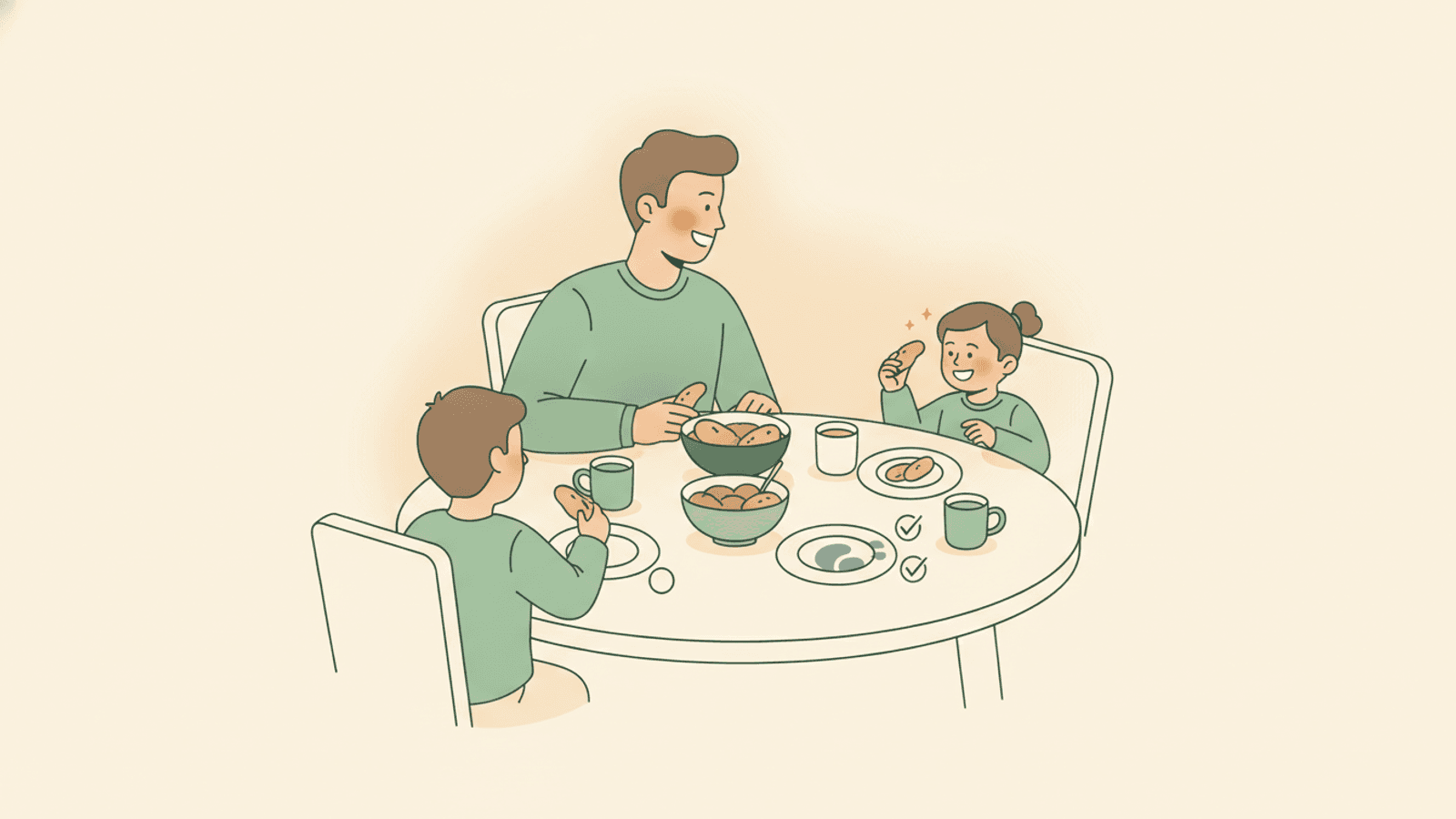
- Offer the new food alongside the safe one, with no pressure at all to eat it.
- Move on only once the new food is comfortably accepted; if a step is rejected, do not push — make a smaller step.
An example chain
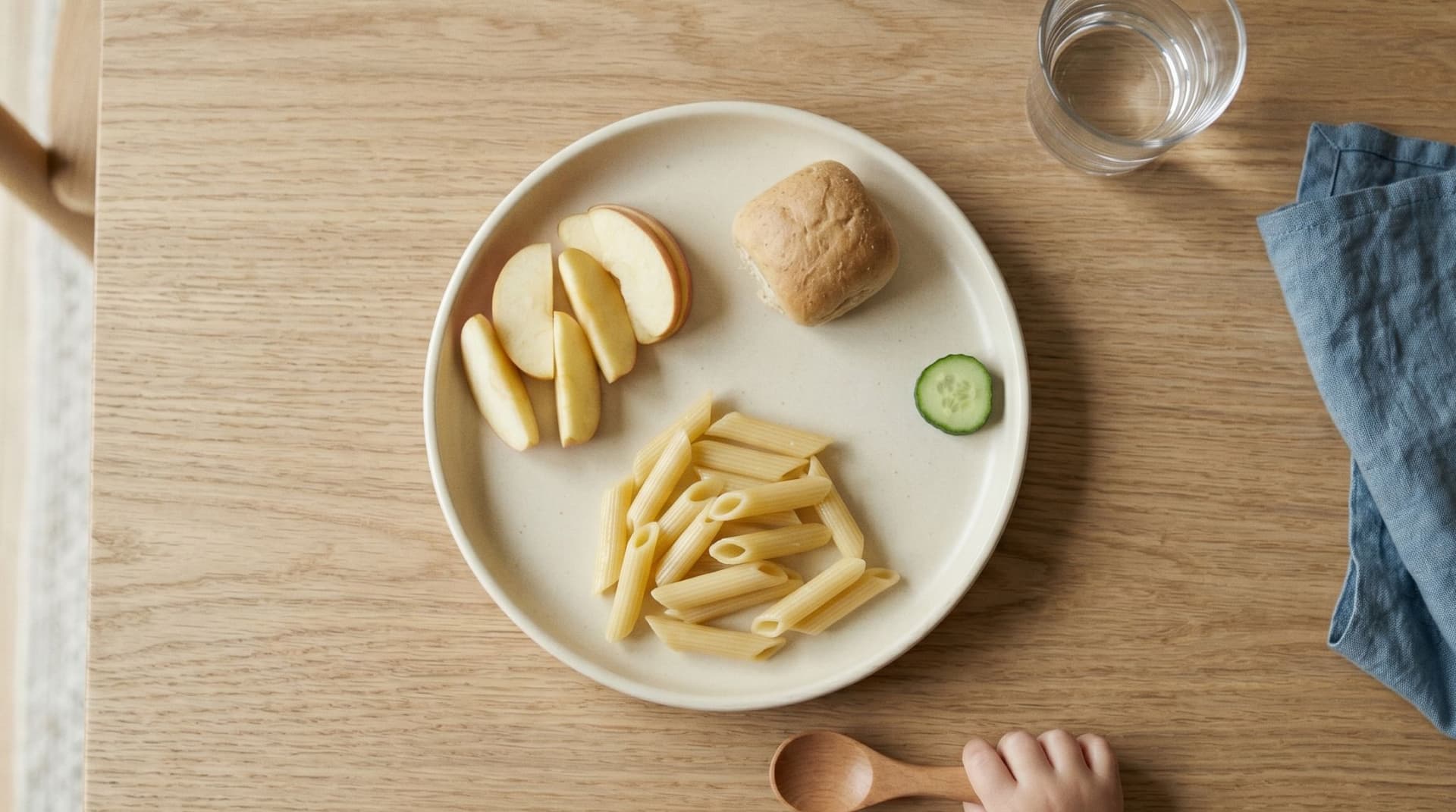
Say your child only eats plain crackers. A chain might run: their usual cracker, then a different brand of similar cracker, then a lightly salted version, then a cheese-flavoured cracker, then a thin cheese crisp, then a small piece of mild cheese. Every link is a tiny change, no single one feels like a leap, and over time the range quietly widens into something quite different from where you started.
Make it work day to day
- Keep every exposure low-pressure — looking at, touching, smelling and licking a food all count as real progress long before eating it.
- Offer a new food many times without comment; it can take ten or more exposures before a child will taste it.
- Always serve a safe food too, so there is nothing for your child to lose by exploring.
- Go at the child’s pace and expect it to be slow — this is a project measured in months, not days.
When to get help
Food chaining suits ordinary picky eating and mild sensory avoidance. If your child’s range is extremely narrow, they gag or vomit at new foods, they are losing weight, or eating is affecting their growth, that can point to ARFID or a feeding disorder rather than everyday fussiness — talk to your doctor or a feeding specialist. Getting help early is sensible, not an overreaction.
For children with ADHD or autism
Sensory sensitivity is common, so texture and predictability matter even more, and brand or shape consistency is often crucial — a differently shaped nugget really can be a flat “no.” Go slower than feels necessary, keep safe foods sacred and always available, never pressure, and celebrate touching and smelling as genuine wins. The goal is a slowly widening diet, not a fast one. This article is general guidance, not medical advice.
Read more
Frequently asked questions
What is food chaining?
Food chaining is a method for expanding a narrow diet by building a “chain” from a food a child already accepts to a new one, changing only one small feature — flavour, texture, shape, brand or temperature — at each step, so each new food barely feels new.
How do I get my child to try new foods?
Bridge from a food they already love by offering something very similar with one small change, alongside their safe food, with no pressure. Build up in tiny steps rather than asking for a big leap, and let looking, touching and smelling count as progress.
How many times should I offer a new food?
Often many more than you would expect — it can take ten or more low-pressure exposures before a cautious child will taste something. Keep offering it without comment, always alongside a safe food, and do not treat early refusals as the final answer.
Why won't my child eat anything new?
For a cautious or sensory-sensitive eater, unfamiliar textures, smells and looks trigger genuine wariness, and pressure makes that worse. It is not stubbornness. Reducing pressure and bridging in tiny steps from safe foods works far better than insisting.
When is picky eating a problem that needs help?
When the range of accepted foods is extremely narrow, the child gags or vomits at new foods, weight or growth is affected, or mealtimes cause real distress. That can indicate ARFID or a feeding disorder, and it is worth speaking to a doctor or feeding specialist.