School Refusal: When Your Child Will Not Go to School
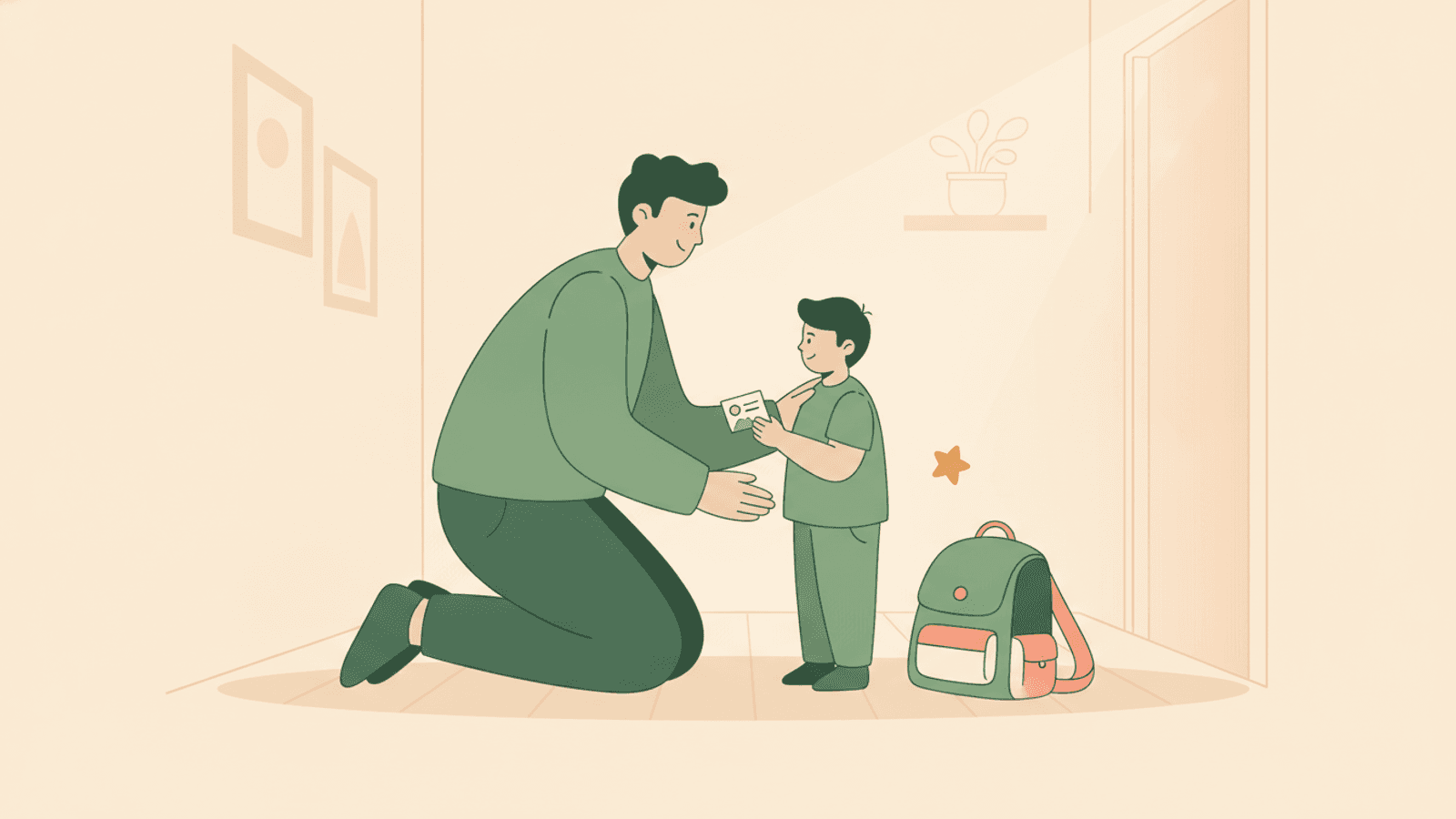
The tummy ache that appears every school morning and vanishes by Saturday, the tears at the gate, the daily battle to get out the door — school refusal is exhausting and worrying. It is almost never simple naughtiness; it is usually fear or distress.
The tummy ache that appears every school morning and vanishes by Saturday, the tears at the gate, the daily battle just to get out the door — school refusal is exhausting for everyone and deeply worrying for parents. It is almost never simple naughtiness. Far more often it is fear or distress that the child cannot easily explain. Understanding what is really going on, and responding in the right way, makes all the difference. Here is what helps.
What school refusal is
School refusal, sometimes called school avoidance, is a child’s intense reluctance or refusal to attend school, driven by genuine distress — most often anxiety. It is quite different from truancy, where a child stays away to do something more fun and usually tries to hide it. A school-refusing child is openly distressed, often still at home, and the fear they feel is very real. Seeing it as anxiety-based rather than bad behaviour completely changes how you respond.
Signs to look for
- Physical complaints — tummy aches, headaches, nausea — on school mornings that ease on weekends and holidays.
- Morning meltdowns, tears, begging to stay home, or freezing at the door.
- Clinginess, sleep problems, or visible worry the night before school.
- A pattern that builds slowly over time, or appears suddenly after a specific event.
Common causes
School refusal almost always has a reason underneath, even when the child cannot name it: anxiety or separation anxiety, bullying or friendship trouble, a specific subject, teacher or situation they dread, academic struggle, sensory overwhelm at school, undiagnosed needs such as autism, ADHD or dyslexia that make school genuinely hard, or something stressful happening at home. Finding the real cause is the single most important key to helping your child.
Why forcing and just keeping home both fail
It is a painful bind. Forcing a terrified child through the gate escalates their distress and damages trust. But letting them stay home brings instant relief — and that relief teaches the brain that school really is dangerous and that avoidance works, so the fear grows and returning becomes harder. Neither extreme works on its own. The way through is calm support combined with a gradual, supported return that actually tackles the underlying cause.
What helps
- Stay calm, curious and compassionate, not punitive — your child is struggling, not misbehaving.
- Gently find the cause through low-pressure conversation and by watching for patterns.
- Work with the school as a team — they have seen this before and can adjust support.
- Aim for a gradual return or a reduced timetable rather than an all-or-nothing approach.
- Address the underlying issue directly — stop the bullying, support the anxiety, seek assessment for unmet needs.
- Keep mornings calm and predictable, and resist piling on extra pressure.
When to get help
School refusal that lasts, escalates, or comes with significant anxiety or low mood is worth professional support — your doctor, the school’s pastoral or support team, or a psychologist. The longer it goes on, the harder a return becomes, so early, calm, joined-up help genuinely matters. You are not overreacting by asking for support; you are giving your child the best chance of getting back to school in a way that lasts. This article is general information, not medical advice.
Read more
Frequently asked questions
What is school refusal?
School refusal is a child’s intense reluctance or refusal to attend school, driven by genuine distress, most often anxiety. It is not naughtiness; the fear is real, and the child is usually openly upset rather than secretly avoiding school for fun.
Is school refusal the same as truancy?
No. Truancy usually means a child skips school to do something more enjoyable and hides it. School refusal is anxiety- or distress-driven; the child is openly upset, often still at home, and genuinely fearful. They need support, not punishment.
Why won't my child go to school?
There is usually an underlying reason: anxiety or separation anxiety, bullying or friendship trouble, a dreaded subject or teacher, academic struggle, sensory overwhelm, undiagnosed needs, or stress at home. Gently finding the real cause is the key to helping.
Should I force my child to go to school?
Forcing a terrified child escalates distress and harms trust, but simply letting them stay home reinforces the fear. The best path is calm support plus a gradual, supported return that addresses the underlying cause, usually worked out together with the school.
When should I get help for school refusal?
Seek professional support if school refusal lasts, escalates, or comes with significant anxiety or low mood — through your doctor, the school’s support team, or a psychologist. The longer it continues the harder return becomes, so early joined-up help matters.