Get out
Going outside sounds simple, but your child is mid-something – a Lego build, a show, a thought. The visual support below maps the switch from interruption to door handle, making the gear shift visible.
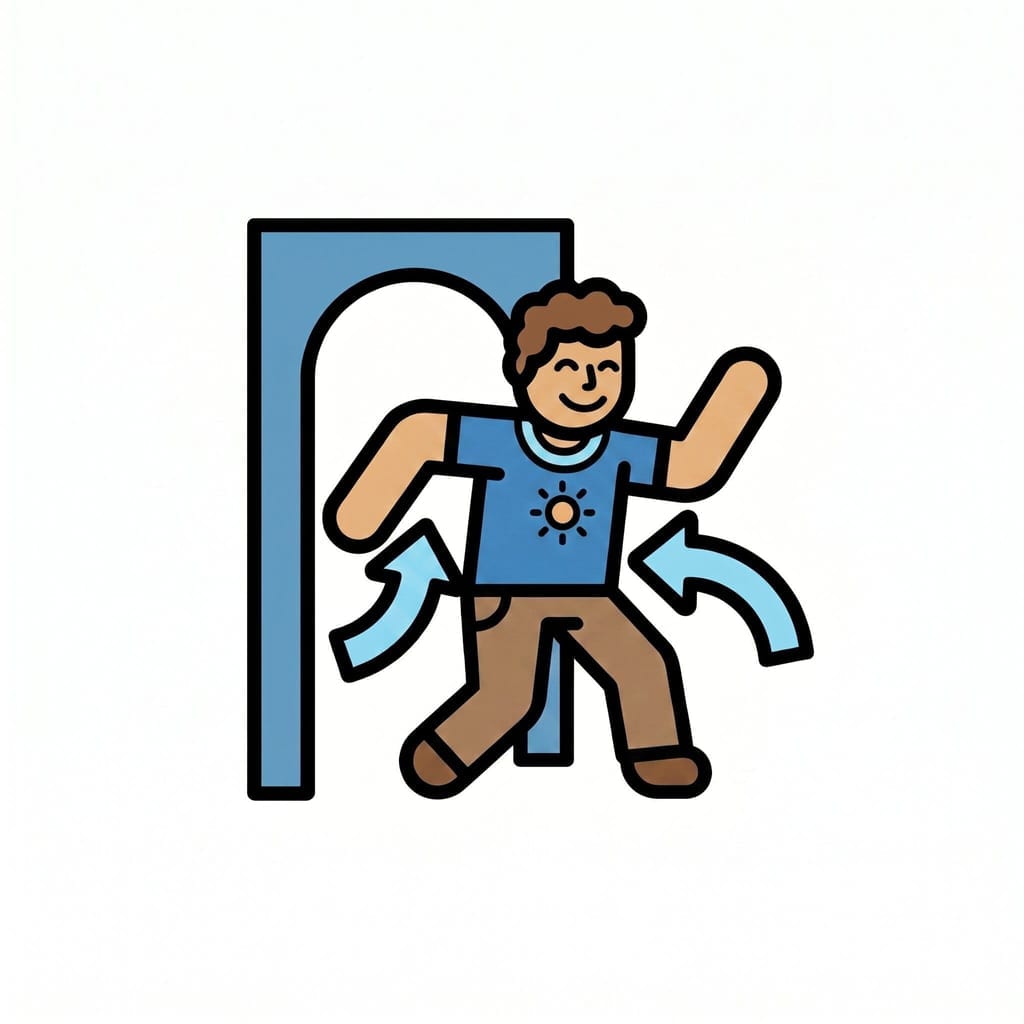 ♂
♂Get out
A person with a sad expression walks out through a doorway, with arrows indicating outward movement.
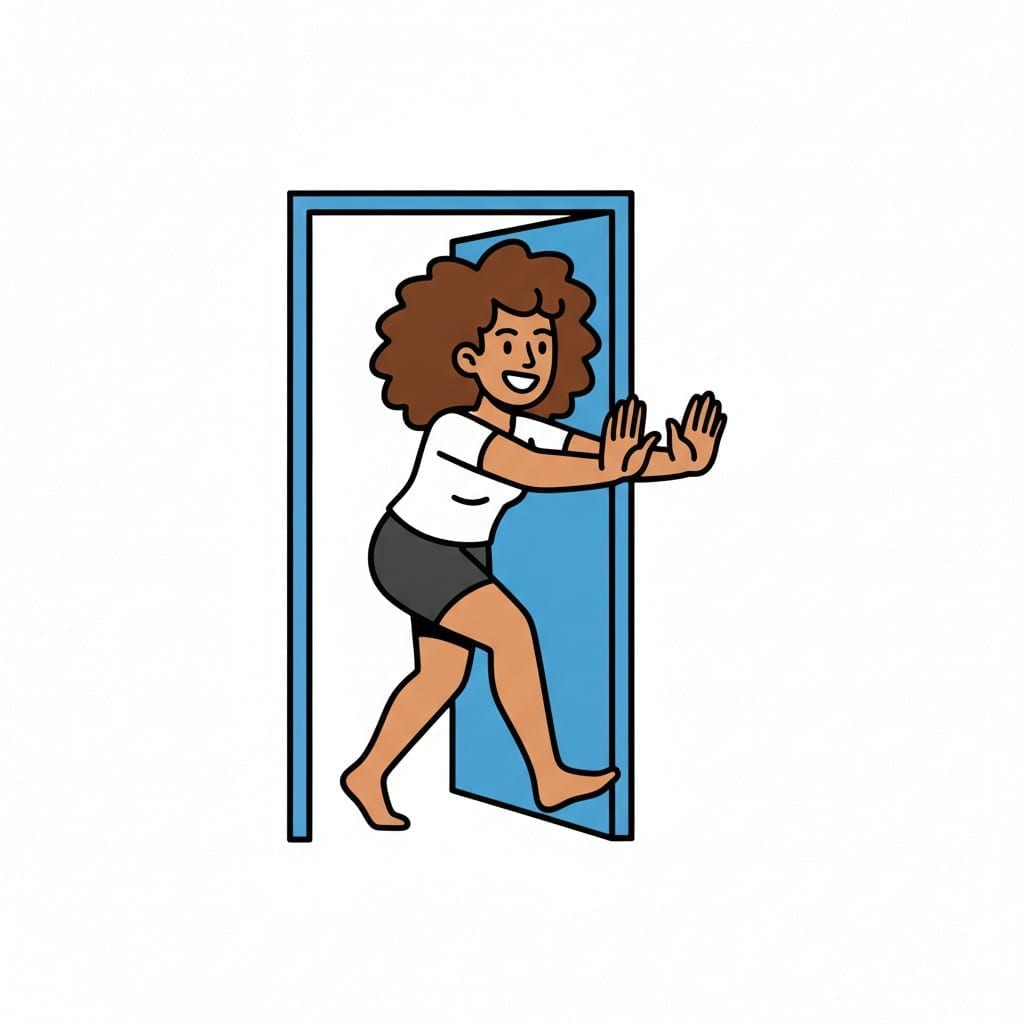 ♀
♀Pushing the door open
A woman with curly hair pushes a blue door open and steps out through the doorway.
About this visual support
Resistance is rarely about the outdoors itself – it is about tearing away from what your child is already absorbed in. The brain just built up momentum around something inside, and now that same brain has to switch gears toward fresh air, jacket, shoes, and movement. That is a hand-off, not a given.
The visual schedule gives the hand-off a face: one picture for ending the activity, one for outerwear, one for the door. Because the pictures sit in order, your child can look ahead and see that the indoor project does not vanish – it waits while you are out.
One concrete tip: place a picture of whatever your child is doing right now at the very start of the chain. That signals through the visuals that the current activity is saved, not erased. If you want the leaving-the-house moment to have a fixed place in the day, you can drop the steps into an afternoon routine in the Routined app and let your child check them off as the shoes go on.
Use this image in a schedule
Build your own visual schedule with this image and download it as a print-ready PDF. Completely free.

More similar visual supports
Bring keys
A girl with braided hair holds a set of keys and smiles.
Bring school bag
Illustration of a boy holding a blue and yellow school bag.
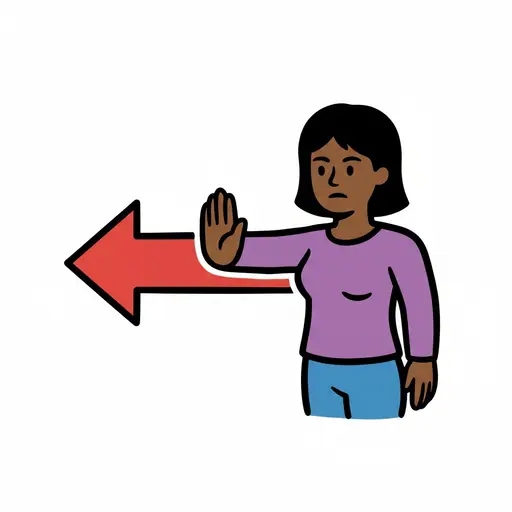
Go away
A woman holds up her hand against a large red arrow pointing to the left, indica...
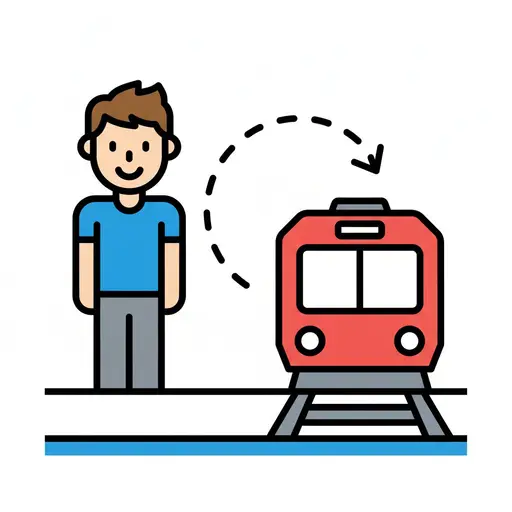
Before the train
A boy stands on the platform while a dashed arrow points toward a red train on t...
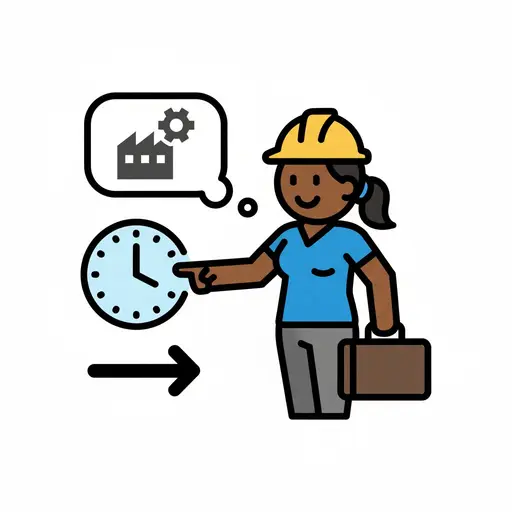
Before work
A woman wearing a yellow hard hat and blue shirt, holding a toolbox and pointing...
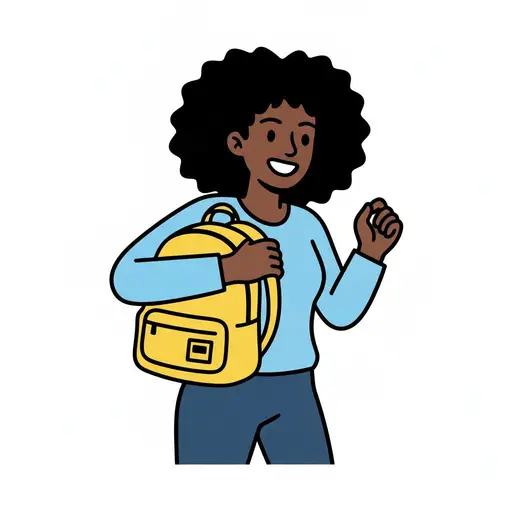
Bring backpack
A smiling girl in a blue top swings a yellow backpack onto her shoulder as she s...
Bring keys and phone
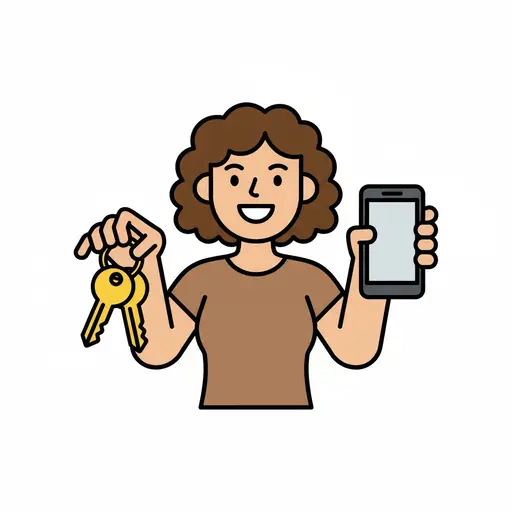
A woman holds a set of keys in one hand and a smartphone in the other.
Buckle up
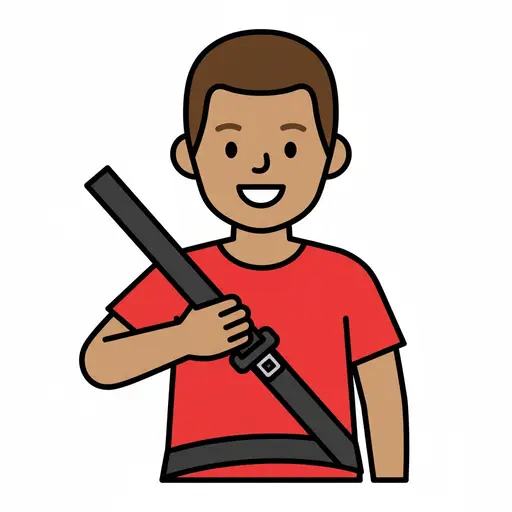
A person in a red t-shirt is holding a black seatbelt that goes across their che...
Take the visual supports with you
In Routined you build schedules from these pictures, add timers and voice instructions, and your child follows the day on their own.


* 14-day free trial included for new users.