Bring keys
Shoes on, jacket on, door open, and the keys are missing. That tiny object is the one most often forgotten, even when the rest of the morning is sorted. The visual support below adds the step before the door closes.
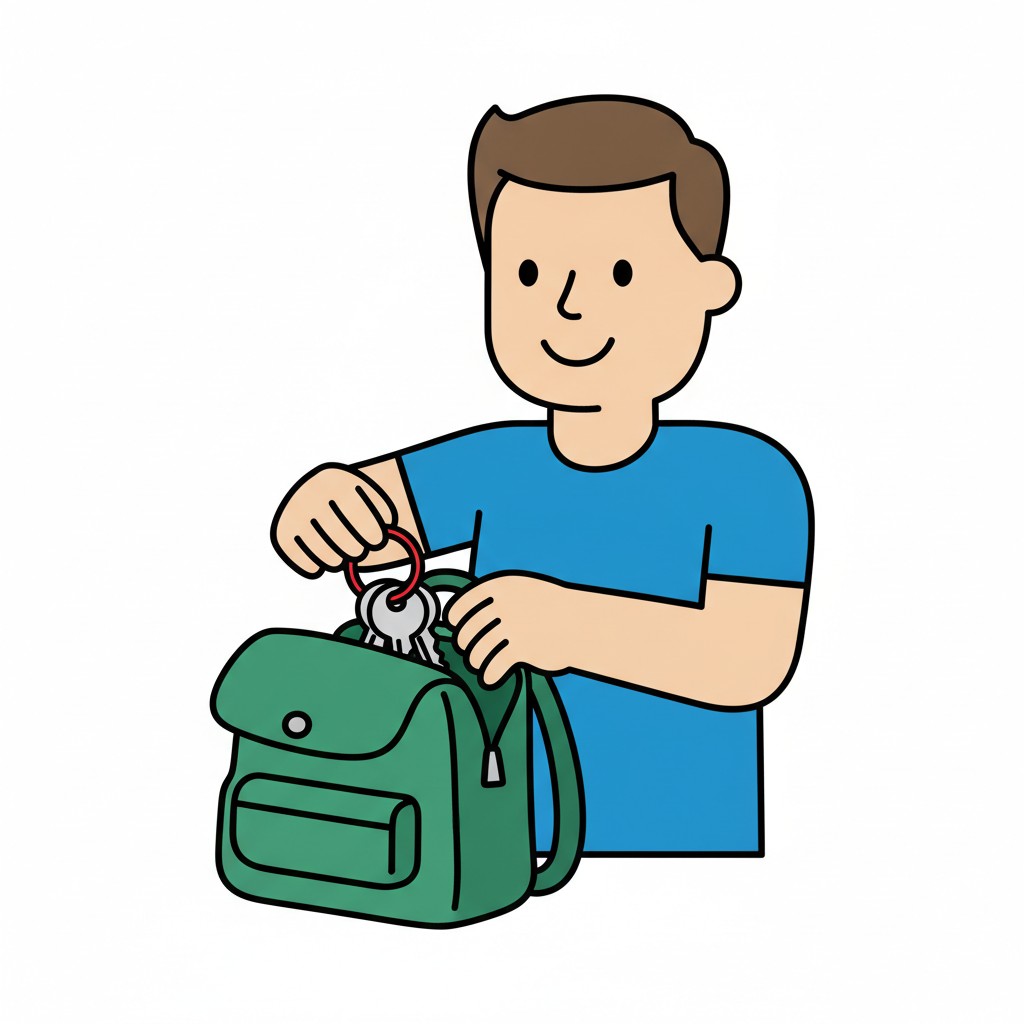 ♂
♂Put the keys in the bag
A person puts a bunch of keys down into a green backpack.
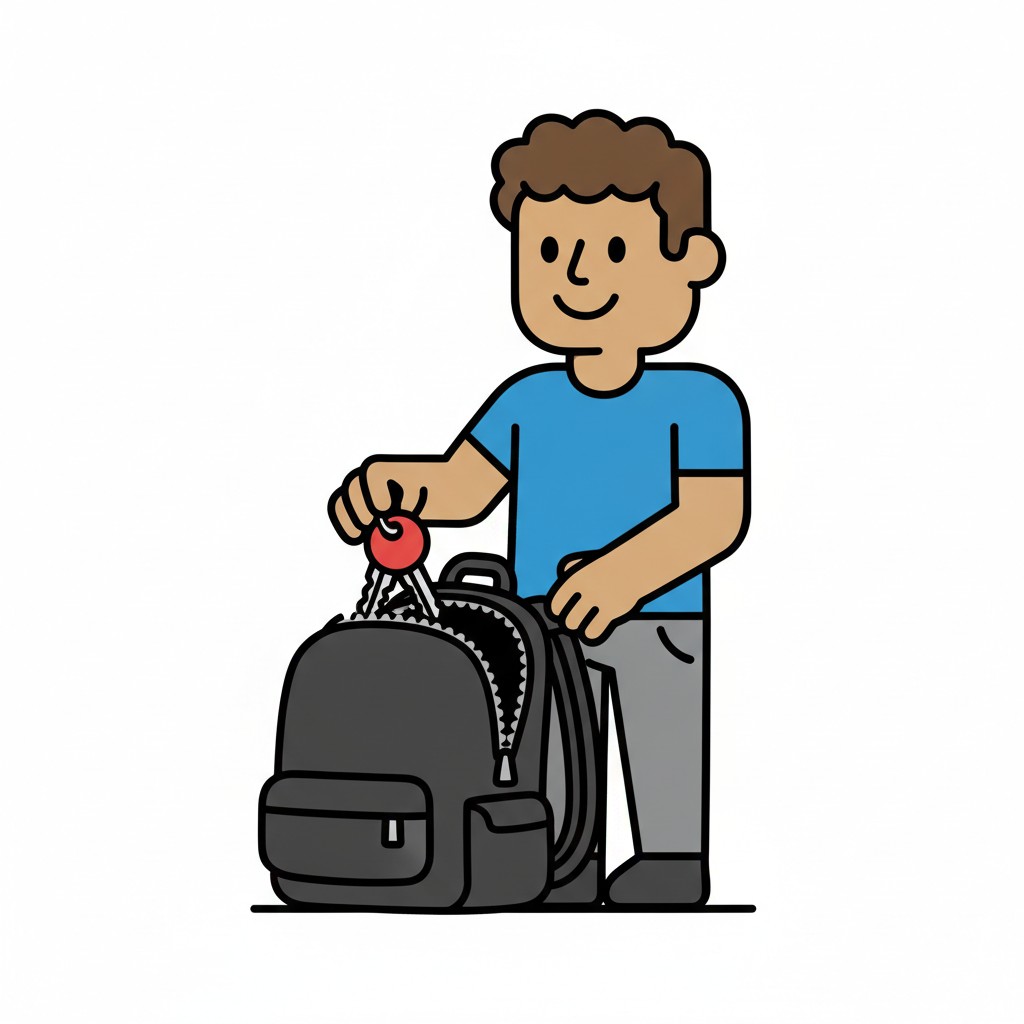 ♂
♂Keys into the backpack
A person puts keys into a dark backpack standing on the floor.
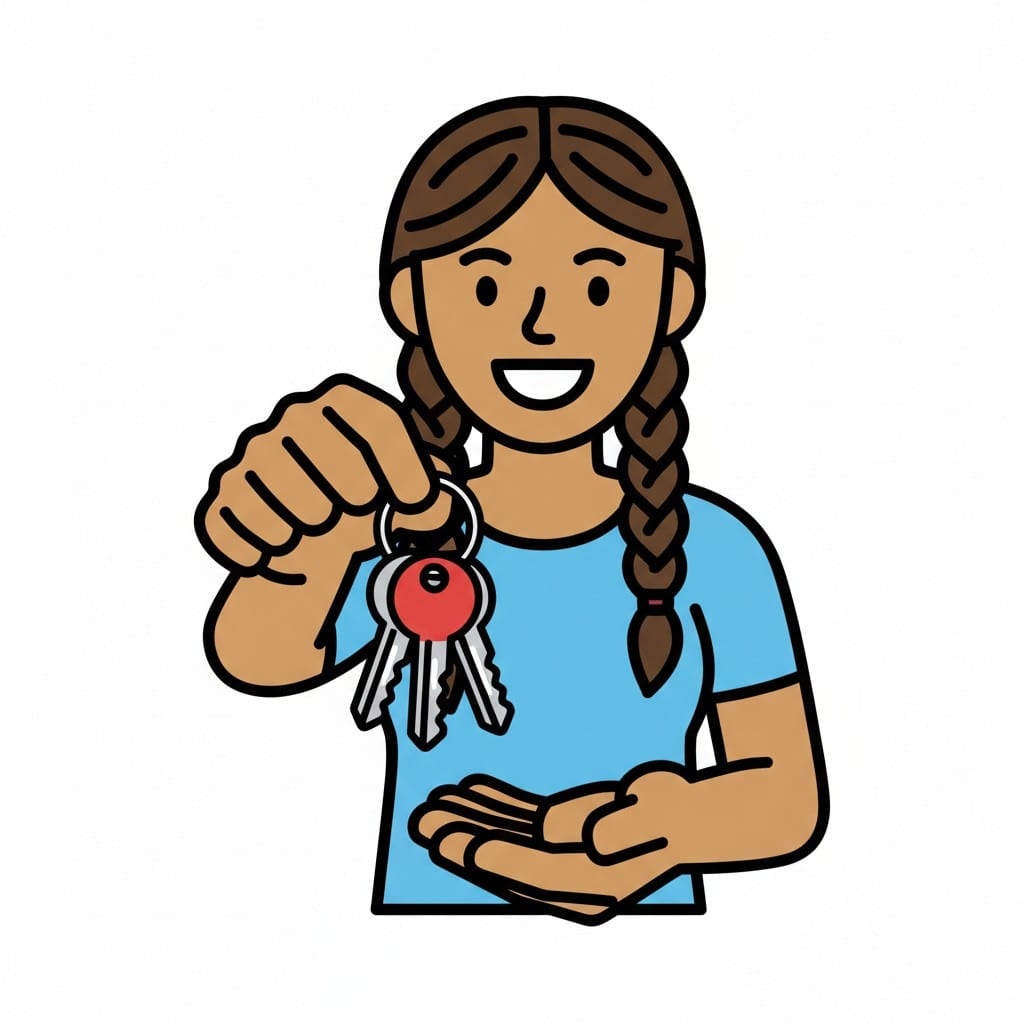 ♀
♀Girl holding keys
A girl with braided hair holds a set of keys and smiles.
About this visual support
Keys are the smallest object in the entire morning routine, yet the one that decides whether the child can get back inside after school. Everything else can be sorted, but without keys they end up locked out on the doorstep. The mismatch between object size and consequence is exactly what makes it so easy to forget.
A visual support for keys lifts the detail from a spoken reminder to an image that sits where it needs to be used. Put the card near the shoe rack, not in the kitchen, so the prompt arrives at the exact moment the shoes are on and the door is half open.
One concrete tip: keep a fixed hook for the keys next to the picture card, always the same spot. The visual then points to a physical habit instead of just being a symbol. Once that part works, the whole leaving moment can live inside Routined, where the key card sits beside the jacket, the bag and the door in one sequence.
Use this image in a schedule
Build your own visual schedule with this image and download it as a print-ready PDF. Completely free.

More similar visual supports
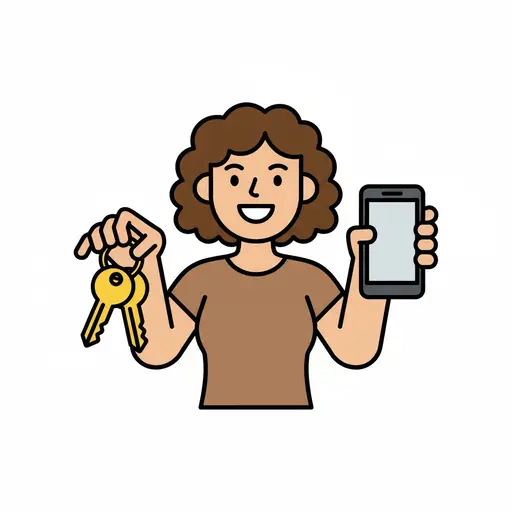
Bring keys and phone
A woman holds a set of keys in one hand and a smartphone in the other.
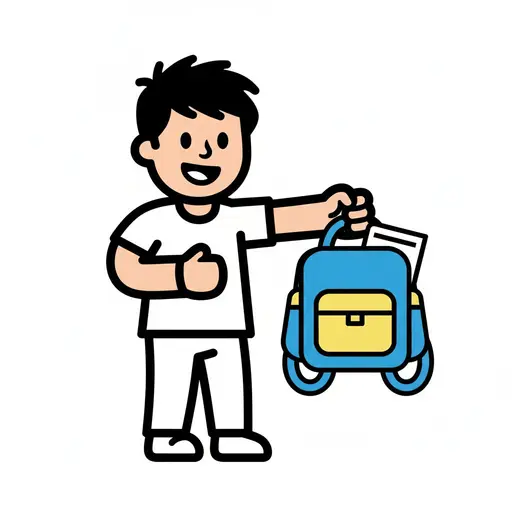
Bring school bag
Illustration of a boy holding a blue and yellow school bag.
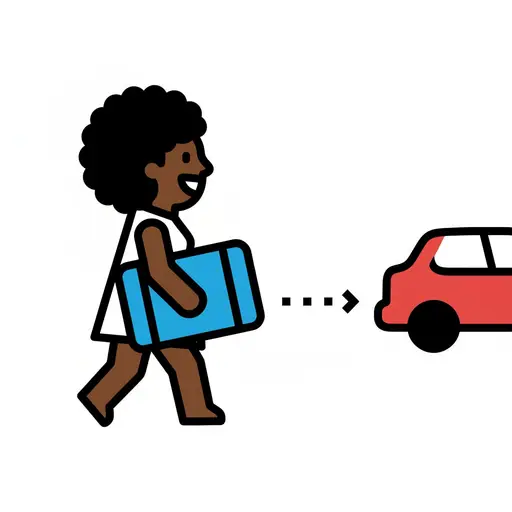
carry to car
A person carries a blue object towards a red car.
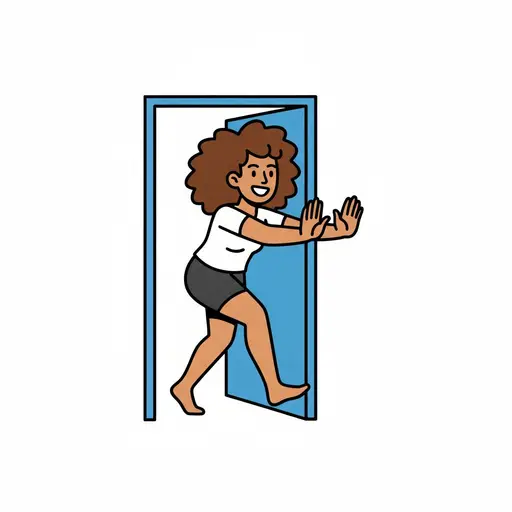
Get out
A woman with curly hair pushes a blue door open and steps out through the doorwa...
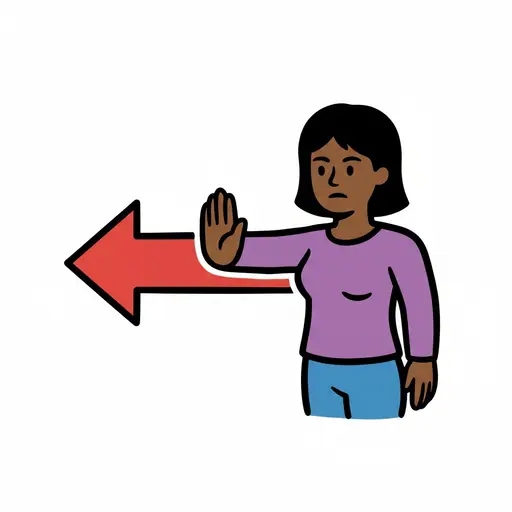
Go away
A woman holds up her hand against a large red arrow pointing to the left, indica...
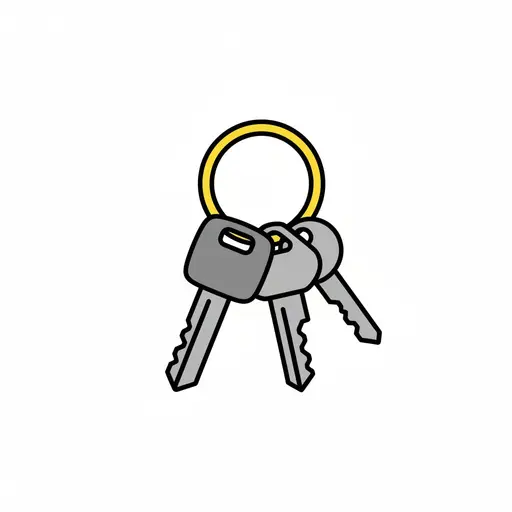
Keys
A bunch of three keys on a keyring
Ride the Train Home
A boy rides a blue train with an arrow and a house showing the way home.
Before the train
A boy stands on the platform while a dashed arrow points toward a red train on t...
Take the visual supports with you
In Routined you build schedules from these pictures, add timers and voice instructions, and your child follows the day on their own.


* 14-day free trial included for new users.