Change into night clothes
Pajamas are more than clothes, they are a signal: the day is winding down toward sleep. For a child who is still wide awake, that signal often meets resistance. The steps below make the transition softer.
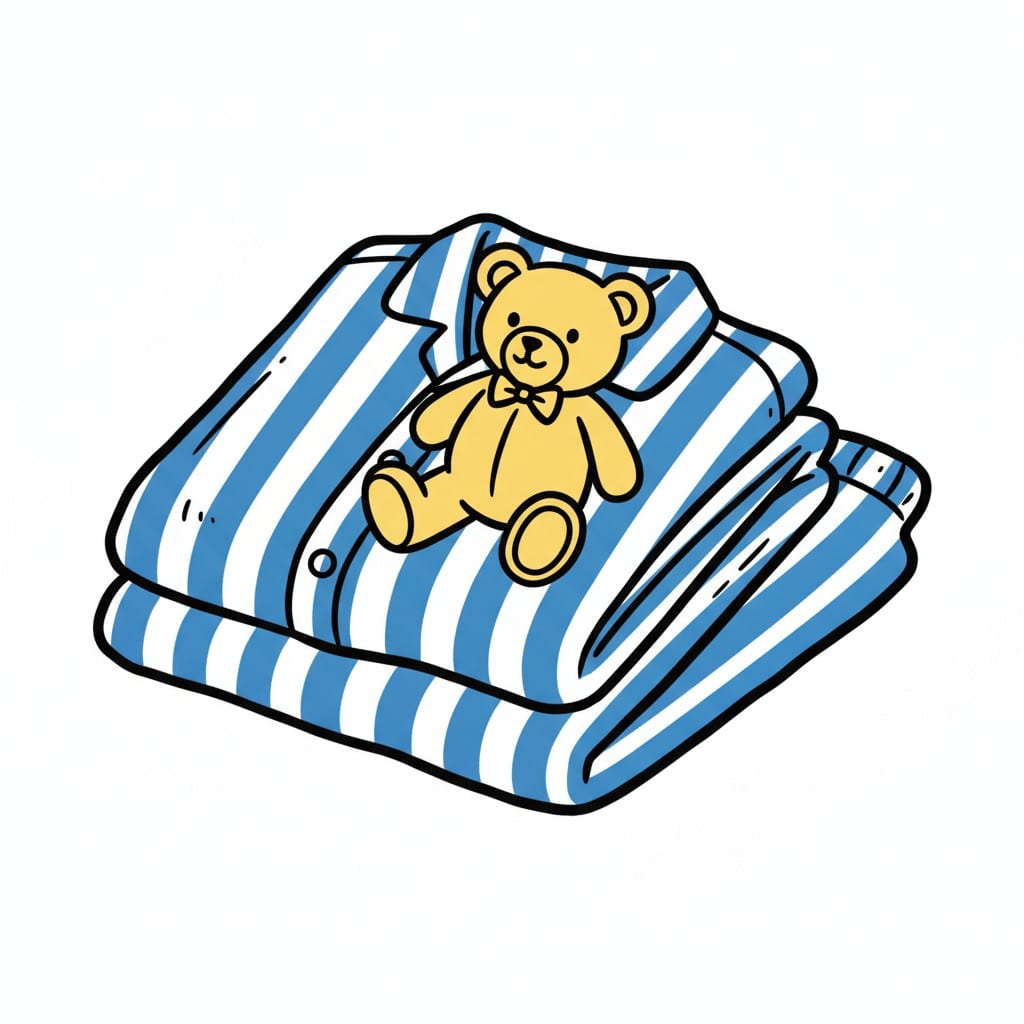
Folded striped pyjamas with a teddy bear
A folded blue and white striped pair of pyjamas with a yellow teddy bear on top.
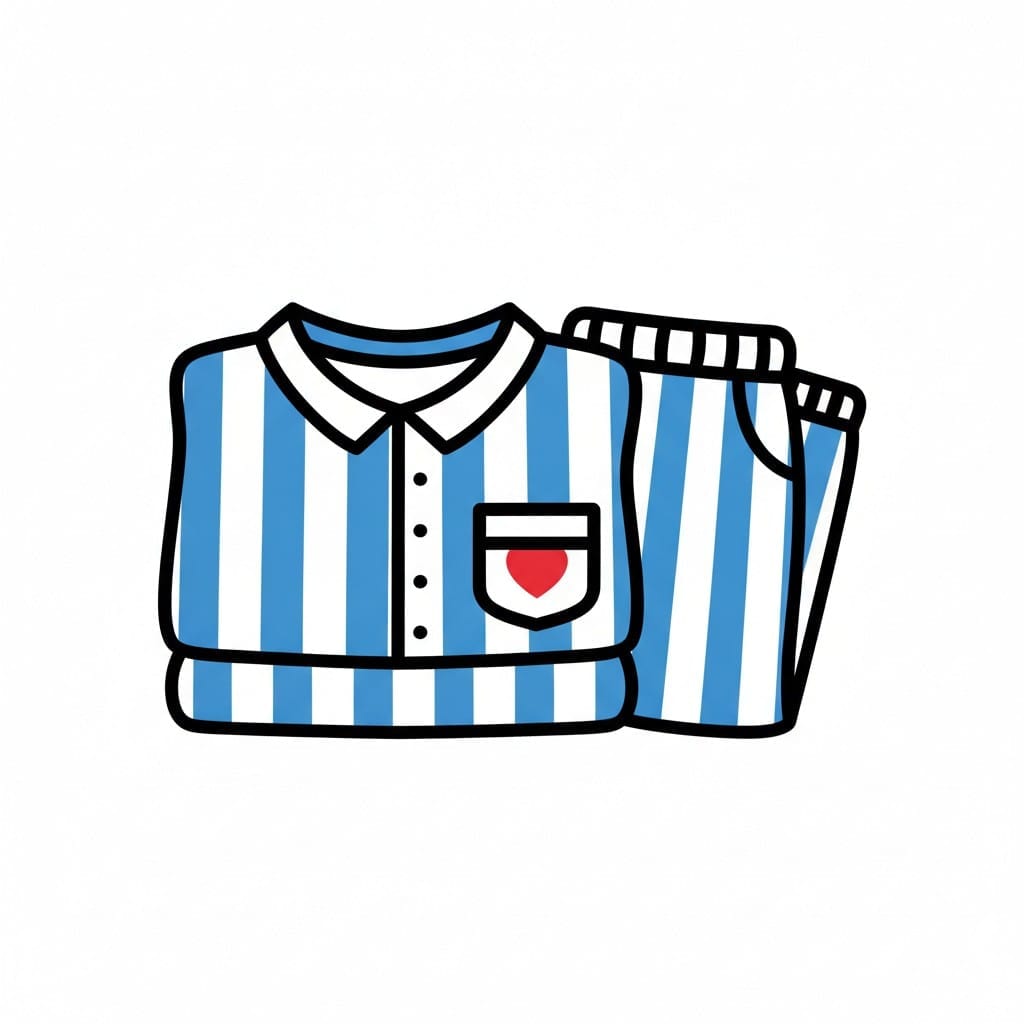
Striped pyjama shirt and trousers
A folded blue striped pyjama shirt with a collar and a chest pocket with a red heart, beside matching pyjama trousers.
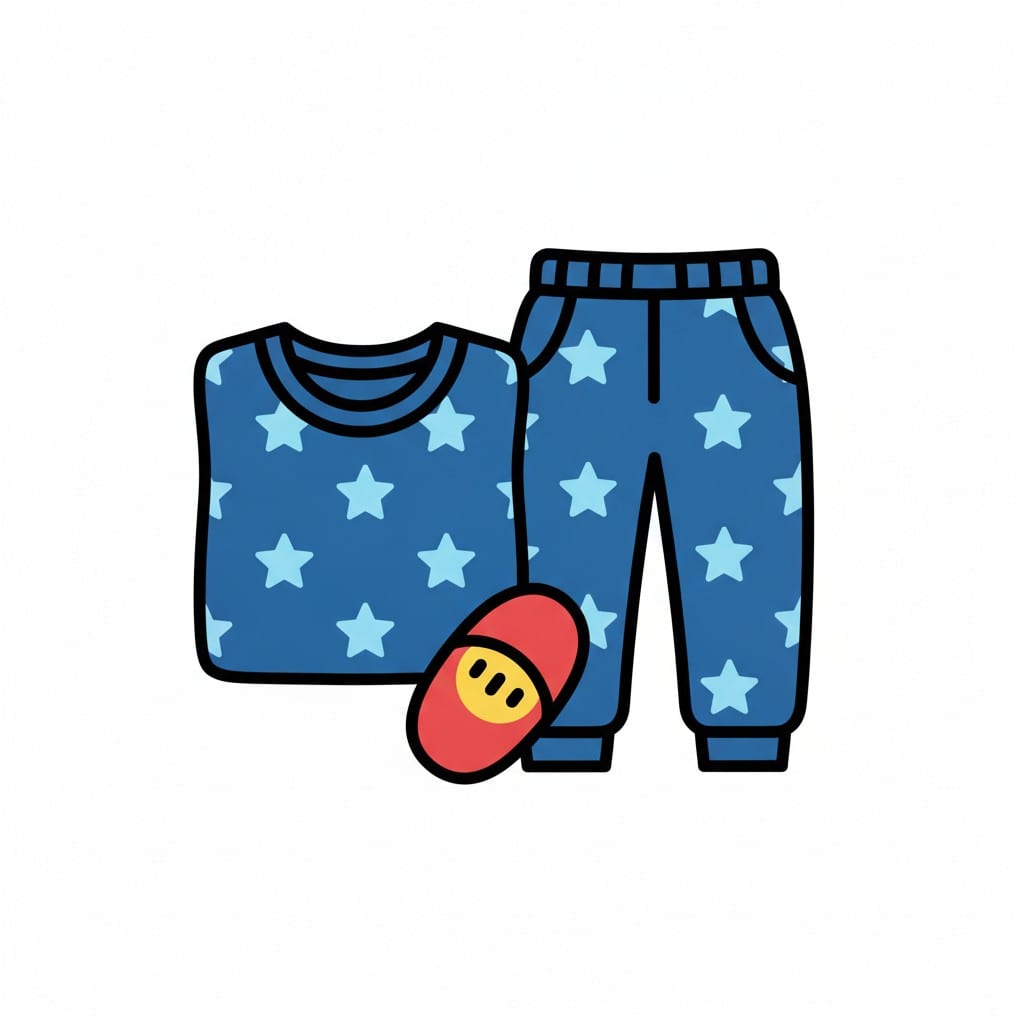
Blue pyjamas with stars
A blue pyjama top and matching trousers with light blue stars, beside a red and yellow slipper.
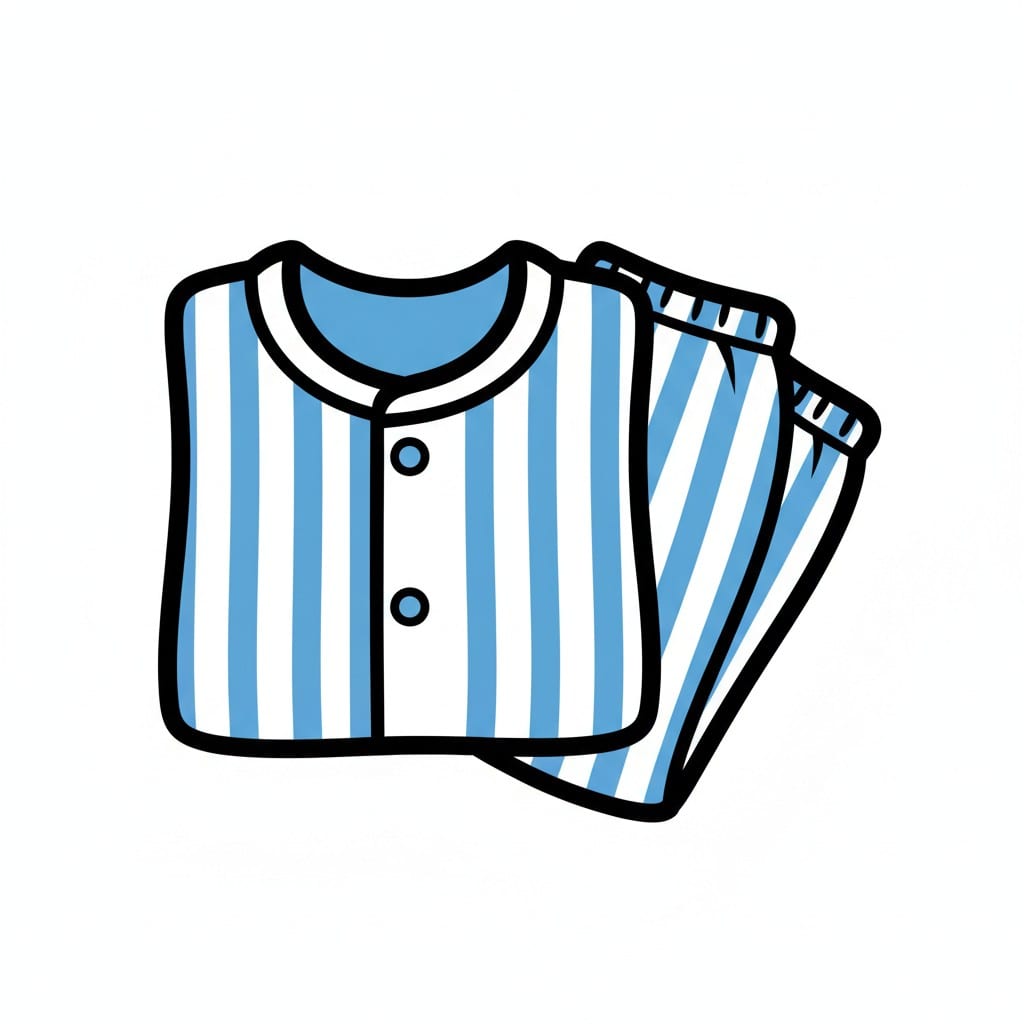
Striped PJs
A folded pair of striped pajamas in white and light blue.
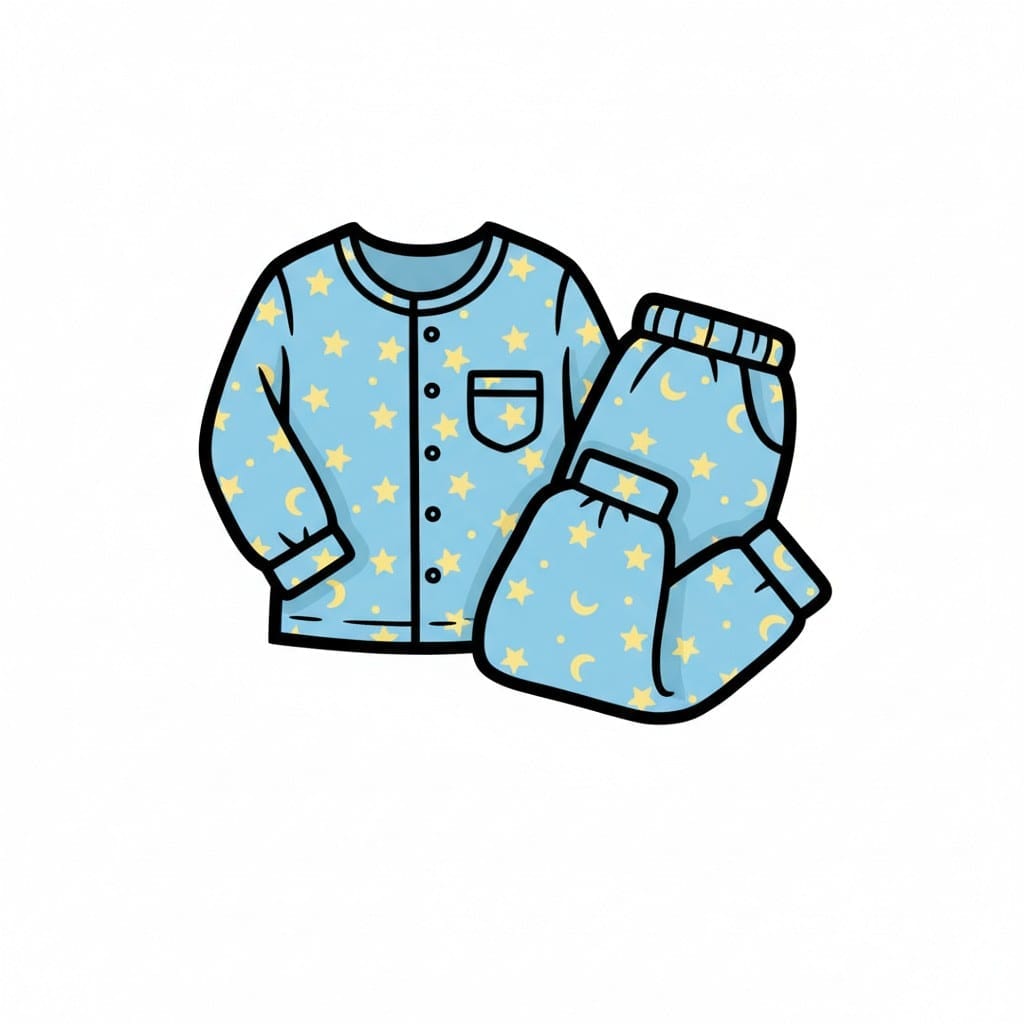
Star PJs
A folded light blue pajama set with yellow stars and crescent moons.
About this visual support
The resistance is rarely about the pajamas themselves. It is about what they mean: after them come the toothbrush, the bed, the lamp going off. A child who still feels lively reads the change of clothes as a stop sign and slows everything down.
Visual support helps in two ways. It frames changing as one single step, not the whole evening, and it places the pajamas in a chain where the child can see what comes before and after. Seeing the full sequence often feels less loaded than hearing the words.
A practical tip: lay the pajamas out already at the dinner table so the child gets used to them being around. By the time it is time to change, the pajamas are no longer a fresh idea. In Routined you can place this step early in the evening routine, so the signal arrives gently.
Use this image in a schedule
Build your own visual schedule with this image and download it as a print-ready PDF. Completely free.

More similar visual supports
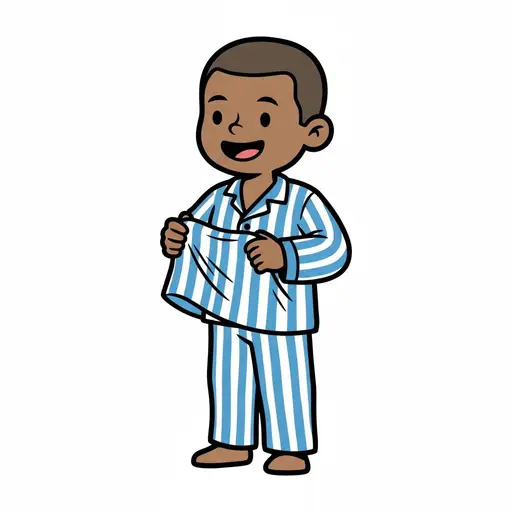
Dress for bed
A smiling boy holds up his blue and white striped pyjama top, ready to put it on...
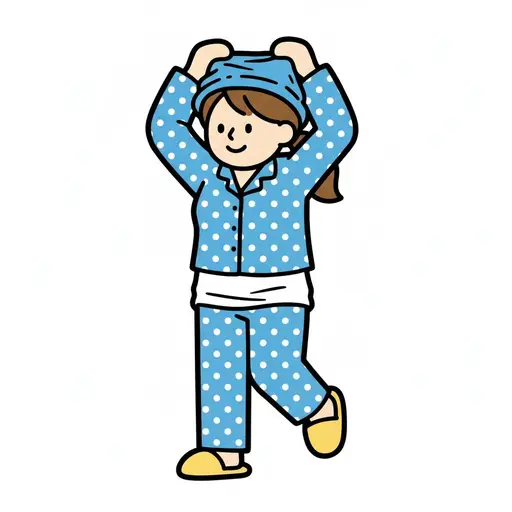
Get into pajamas
A child puts on spotted pajamas with a towel on their head.
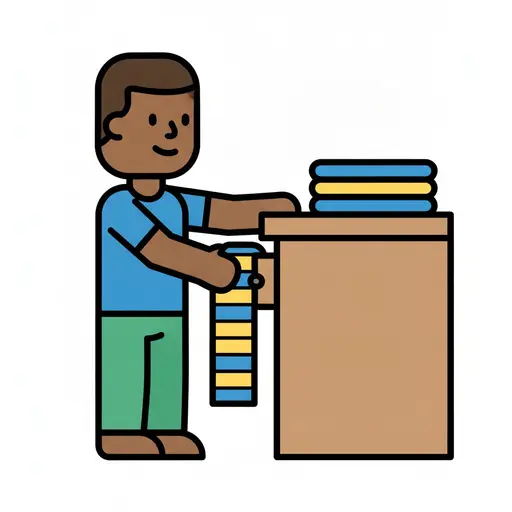
Get pajamas
A person takes striped pyjamas out of a drawer under a dresser with folded cloth...
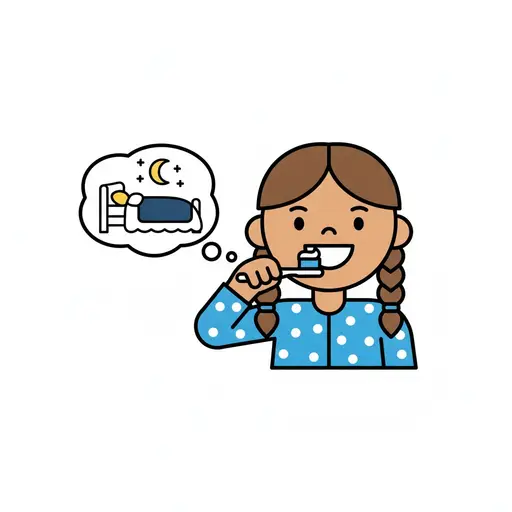
Get ready for bed
A girl in spotted pyjamas brushes her teeth while a thought bubble shows a bed u...
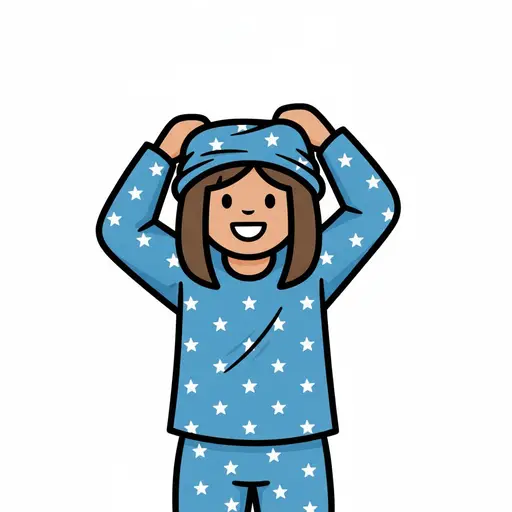
Get Your Pajamas On
A girl pulls a blue star pajama top over her head.
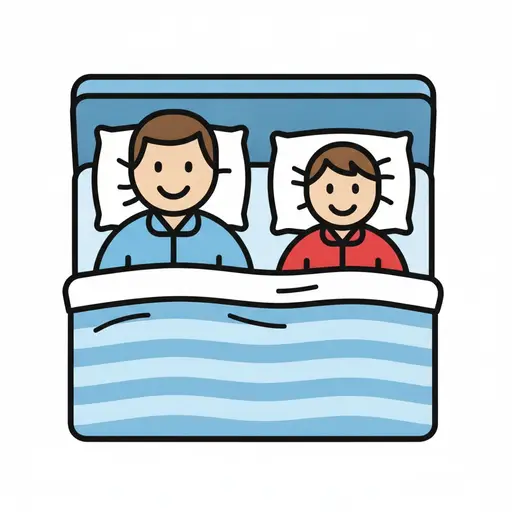
Go to bed with dad
Dad and a child lie next to each other in a bed with a duvet and pillows.
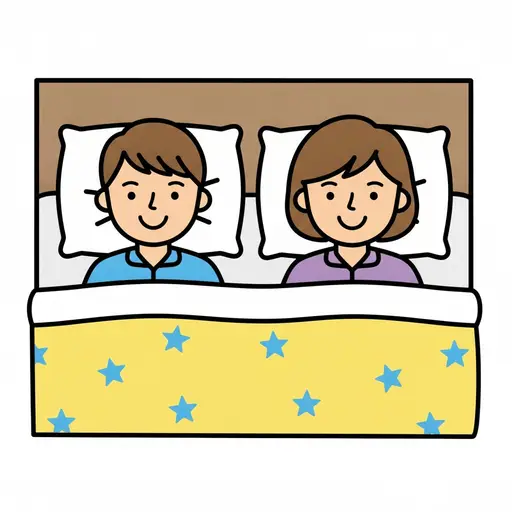
Go to bed with mom
A child and mom lie next to each other in a bed with a yellow duvet with stars.
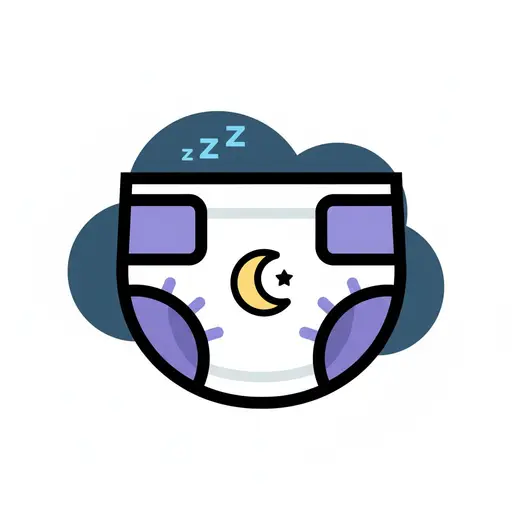
Night Diaper
A diaper icon with a moon, a star, and 'zzz' symbols, indicating a night diaper.
Take the visual supports with you
In Routined you build schedules from these pictures, add timers and voice instructions, and your child follows the day on their own.


* 14-day free trial included for new users.