 Routined
Carry the baby
A baby carried close to the body often settles faster, and the parent gets their hands back. The visual support below shows both arms and carrier, so older siblings can see what is happening and why it takes a while.
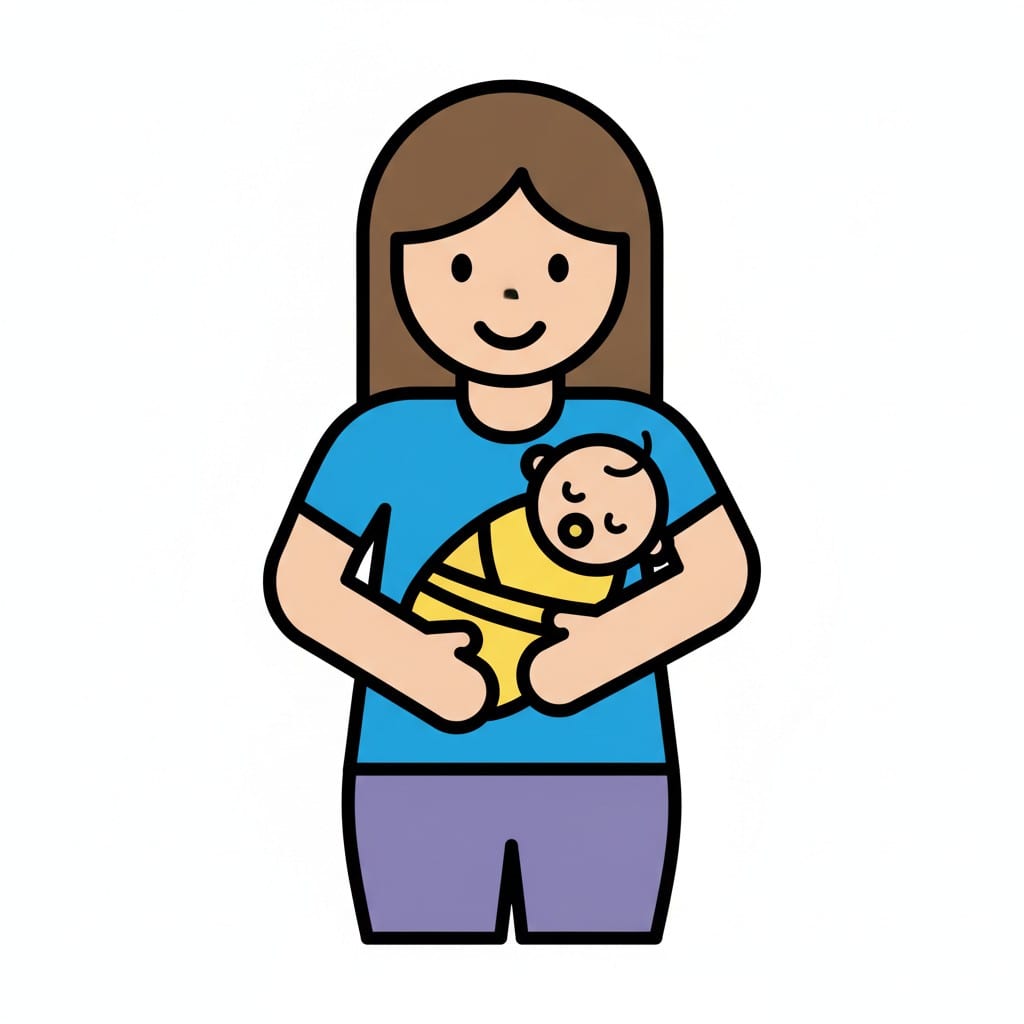 ♀
Carry the baby
A woman holds a sleeping baby wrapped in a yellow blanket in her arms.
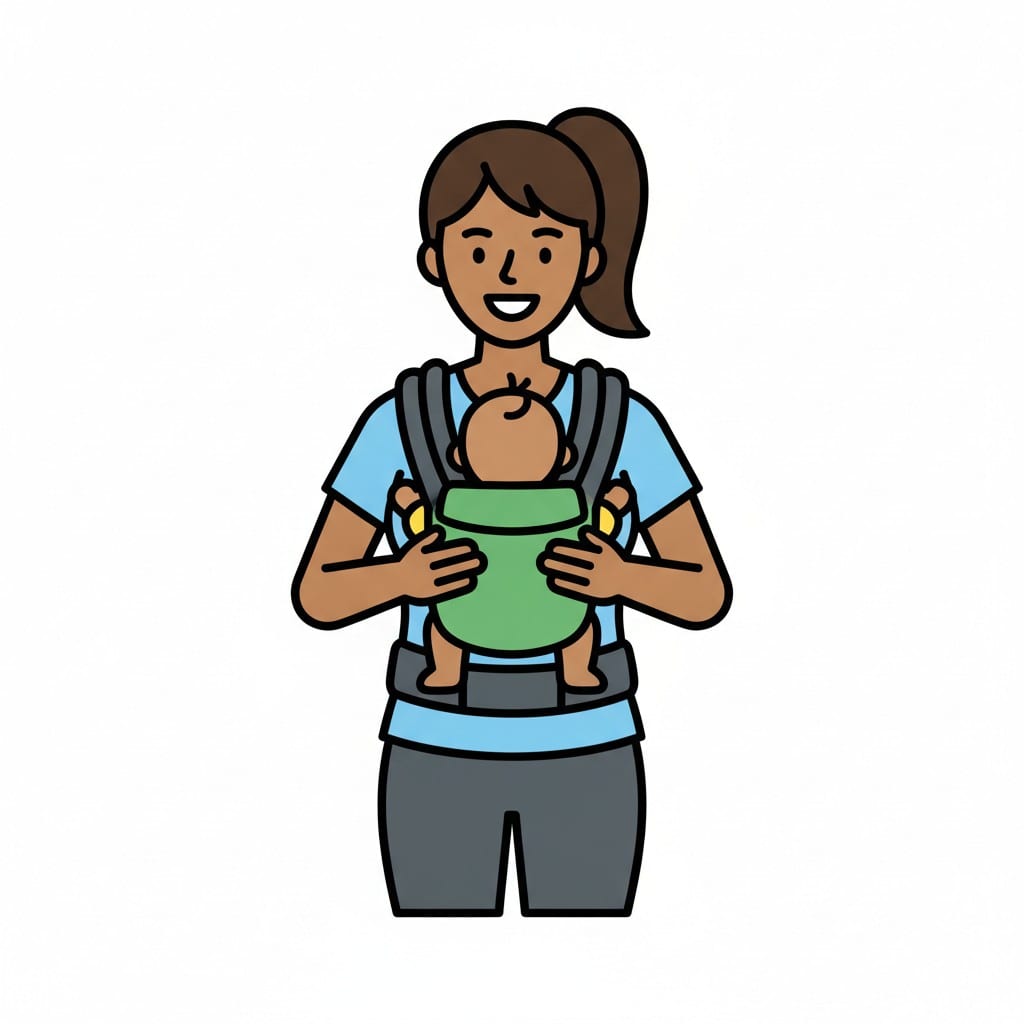 ♀
Carry baby in a carrier
A woman with a ponytail carries a baby on her front in a grey baby carrier.
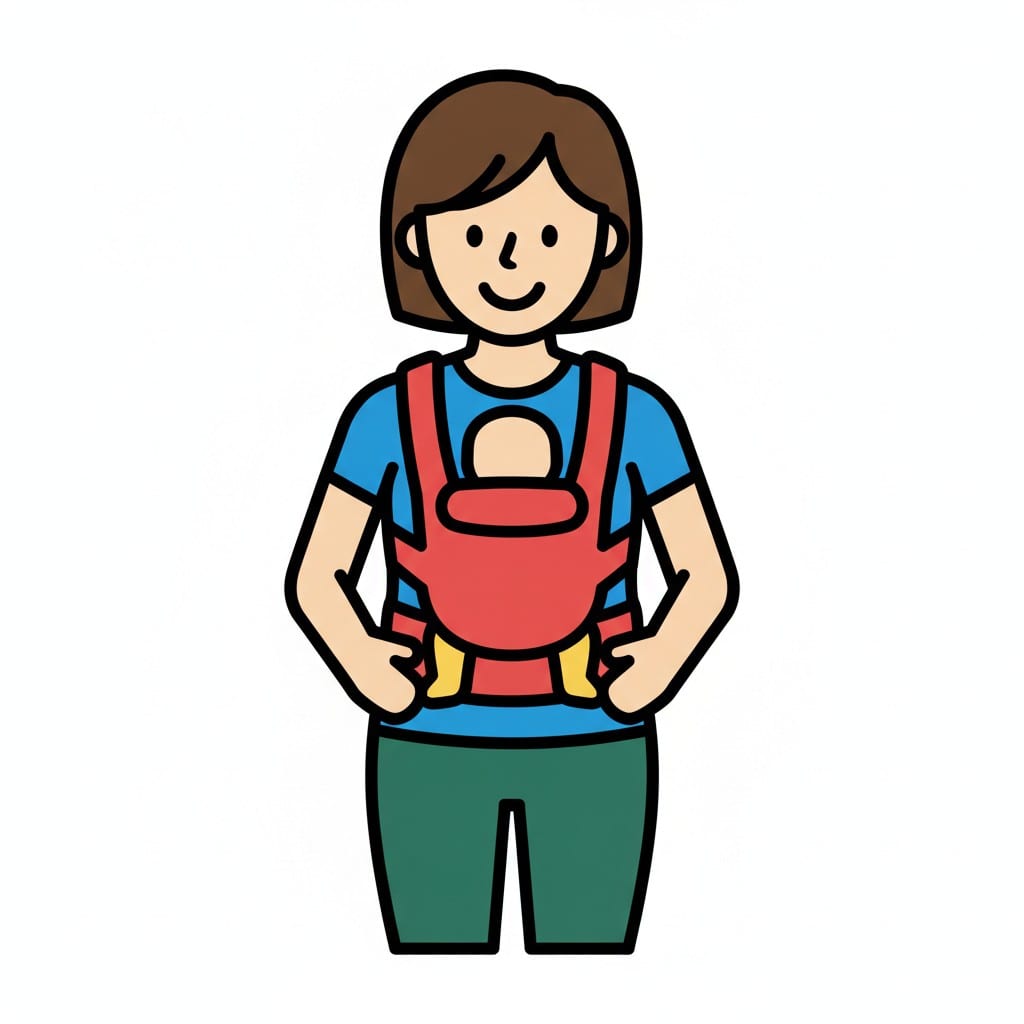 ♀
Carry baby in a carrier
A woman carries a baby in a red carrier on her front and supports it with her hands.
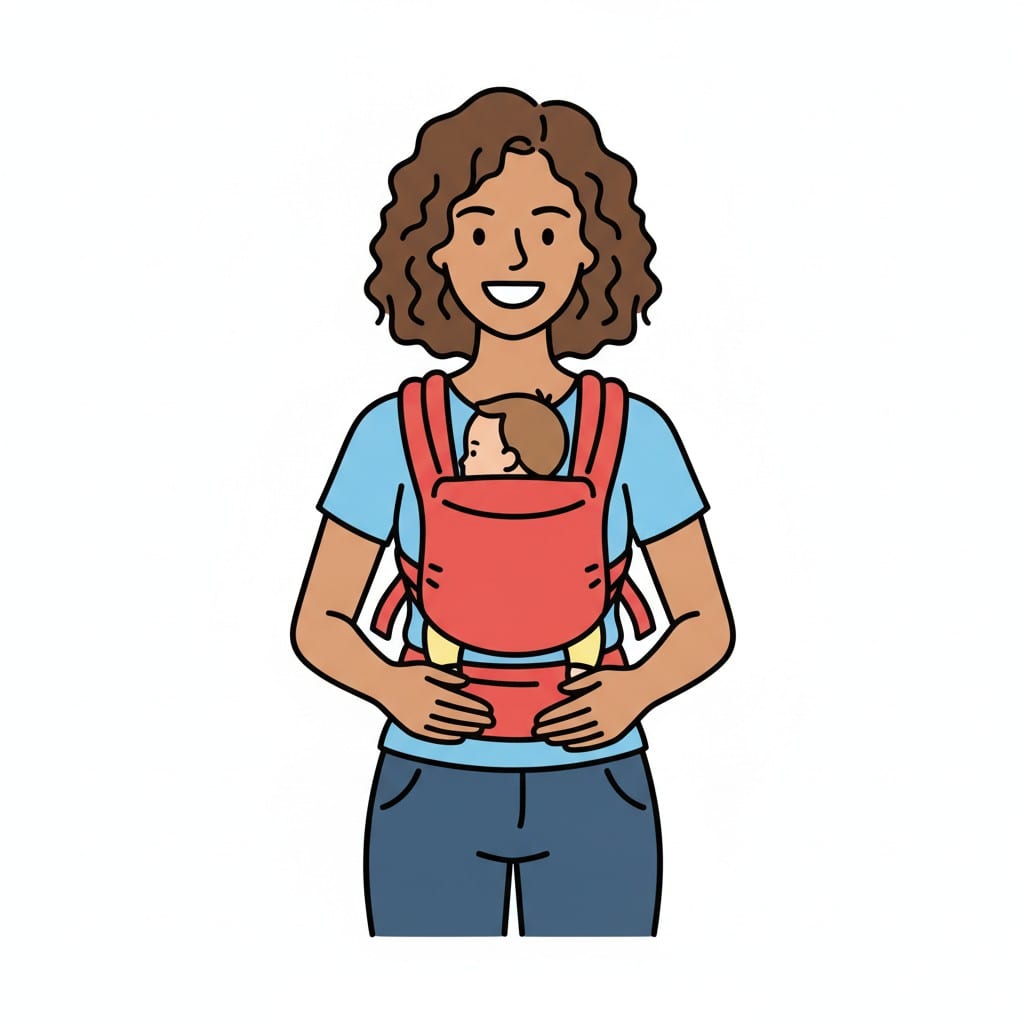 ♀
Carry baby in a carrier
A woman with curly hair has a sleeping baby in a red carrier and holds her hands underneath it.
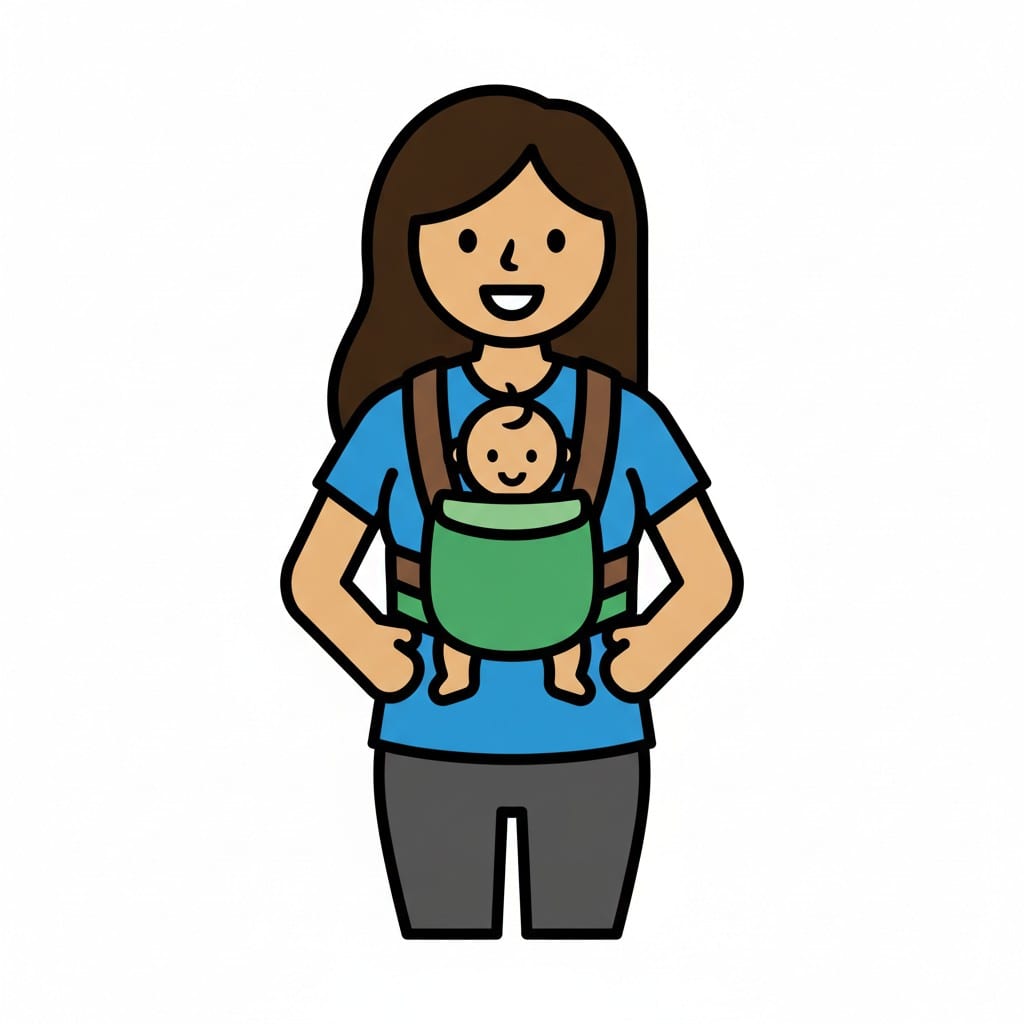 ♀
Carry baby in a carrier
A woman with long hair carries a happy baby in a green carrier on her chest.
About this visual support
Young babies want to be close. The heartbeat, the warmth and the gentle sway as an adult walks around mean many of them fall asleep or stop crying within a few minutes. A baby carrier does the same thing while leaving both hands free, so the parent can warm a bottle, help with homework or hang up the washing. To an older sibling, though, it can look as if mum or dad has suddenly become busy and out of reach.
The visual support shows the baby in arms and in the carrier, giving the older child a picture to point at instead of having to guess. Try placing the card in the schedule just before something the child can do alone, such as building with blocks or looking at a book. That way the waiting becomes an activity of its own rather than an empty pause.
In the Routined app you can add carrying the baby as its own step in the family schedule, with a timer if you want to show how long it usually lasts. You can try the app for 14 days at no cost.
Use this image in a schedule
Build your own visual schedule with this image and download it as a print-ready PDF. Completely free.
More similar visual supports

Wash the bedding
A man puts striped bedding into the washing machine with a laundry basket nearby...
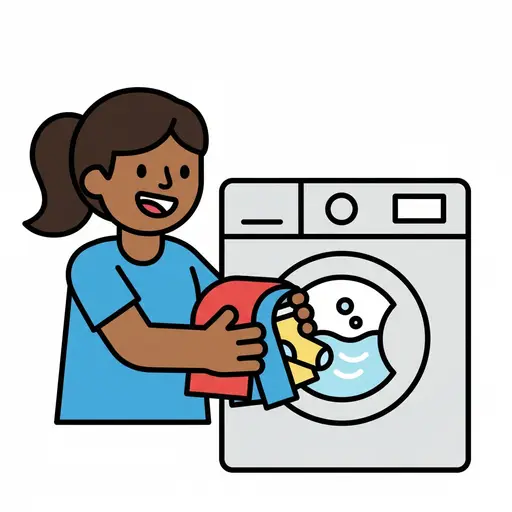
Put clothes in the washing machine
A woman putting clothes into a washing machine.

Buy groceries
Hands ordering groceries on a tablet with a shopping bag above it

What not to do
A person raises a hand and a yellow cross beside an overflowing bin with a red n...

Dirty underwear
A pair of white underpants with stains and a green smell symbol beside a grey la...
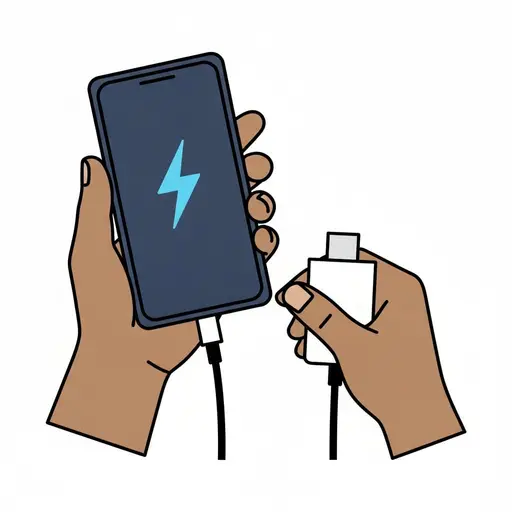
Charge phone
One hand holds a phone with a blue lightning bolt on the screen while the other ...
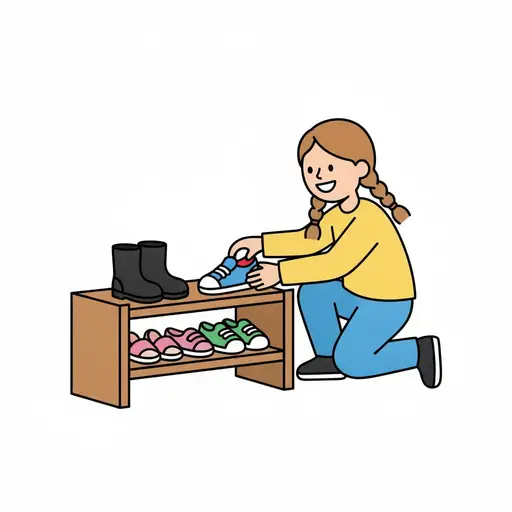
Put away the shoes
A girl with pigtails kneels and places a pair of trainers on a shoe rack with bo...
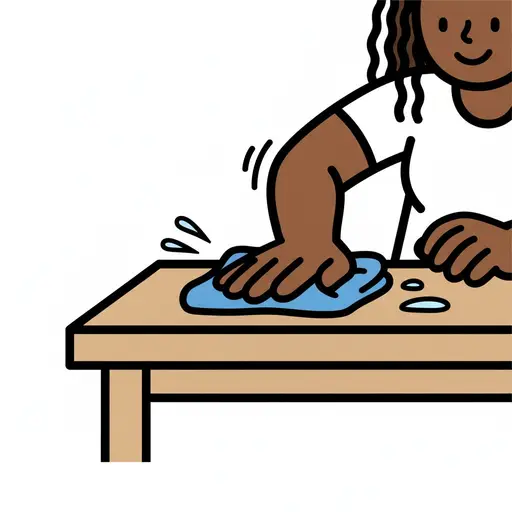
Wipe the desk
A child wipes a wooden desktop with a blue cloth.
This visual support in other languages
Take the visual supports with you
In Routined you build schedules from these pictures, add timers and voice instructions, and your child follows the day on their own.


* 14-day free trial, then $2.39 a month or $20.99 a year (US pricing). Cancel anytime.