Put out the garbage
The bag is heavy, the door is awkward and the bin is far across the yard. The reward feels small compared with the distance, so the task needs a bit of structure to feel worth starting. The visual support below breaks the route apart.
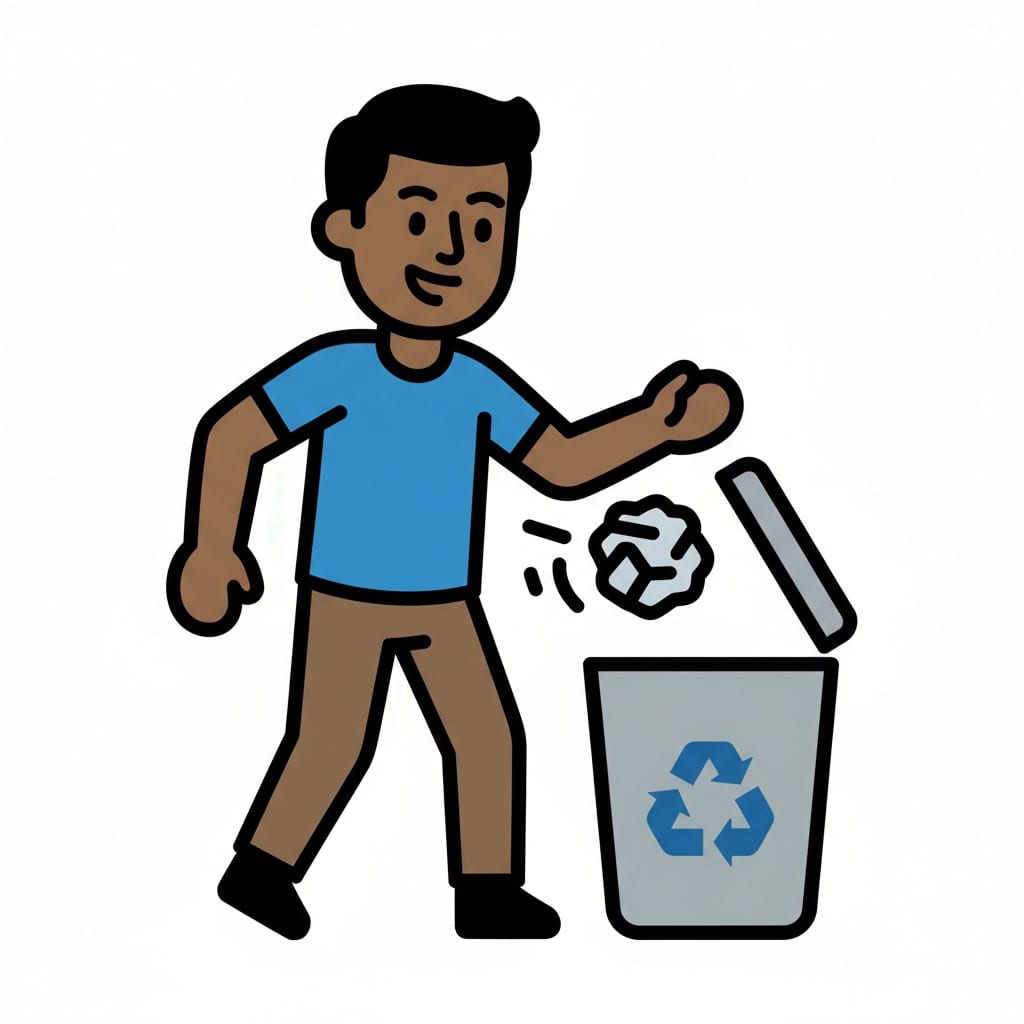 ♂
♂Throw trash
A person throwing a crumpled paper ball into a trash can with a recycling symbol.
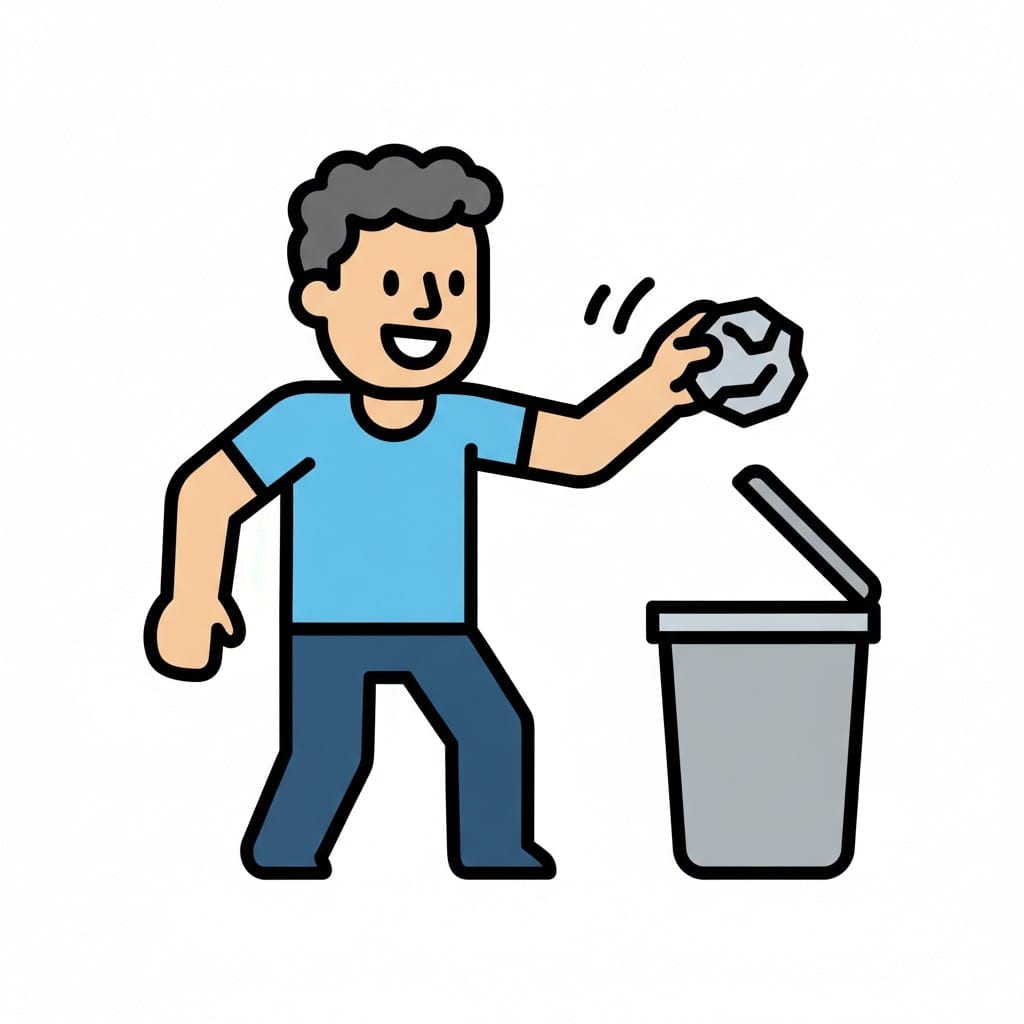 ♂
♂Throw trash
An illustration of a person throwing crumpled paper into a trash can.
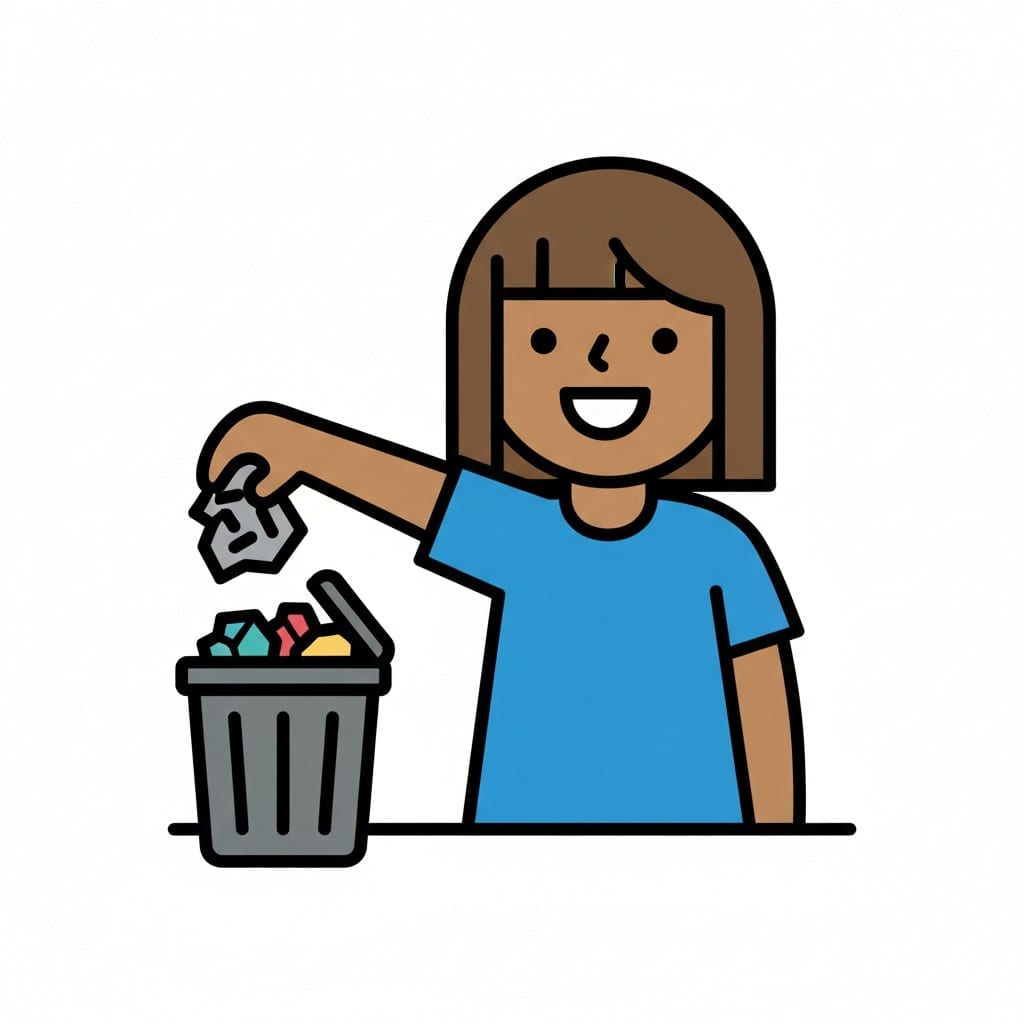 ♀
♀Throw trash
A person throwing trash into a trash can.
♀Throw trash
Illustration of a person throwing trash into a bin.
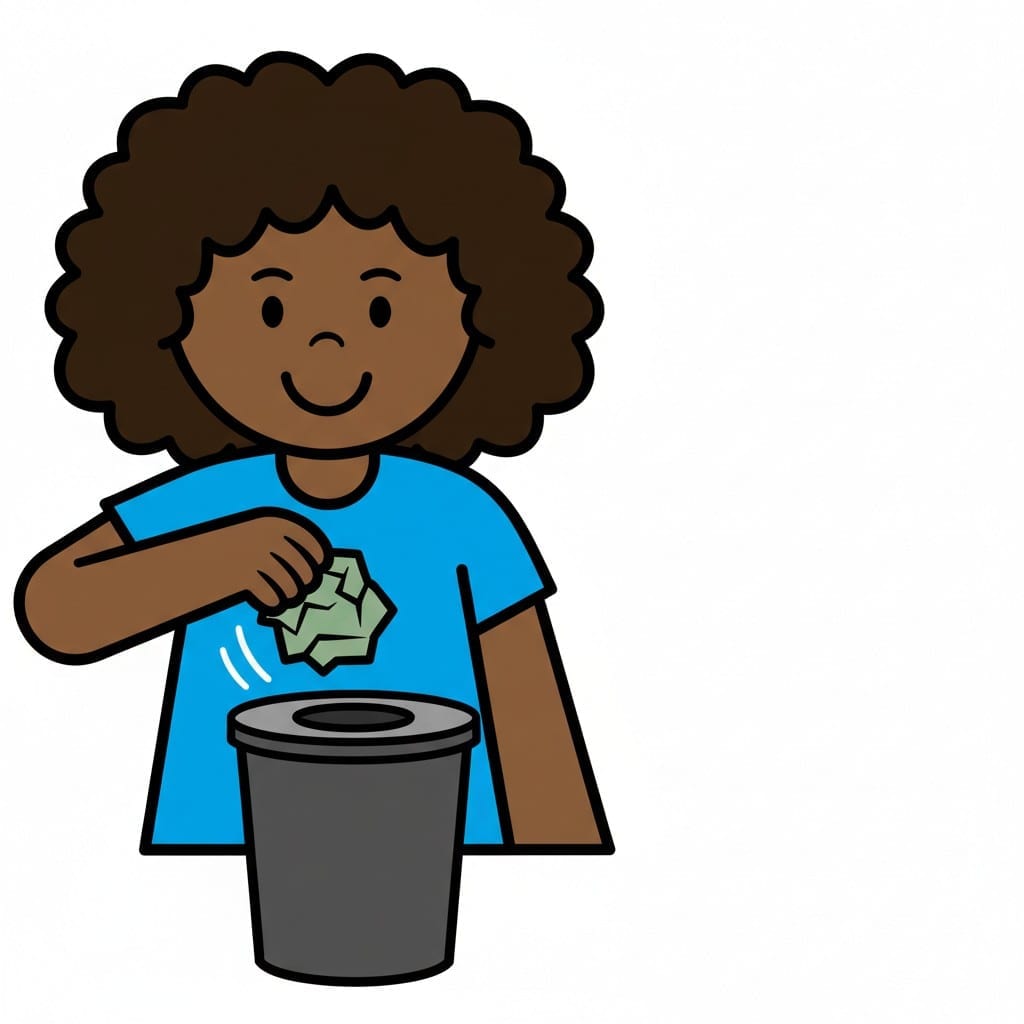 ♀
♀Throw trash
A girl throws crumpled paper into a trash can.
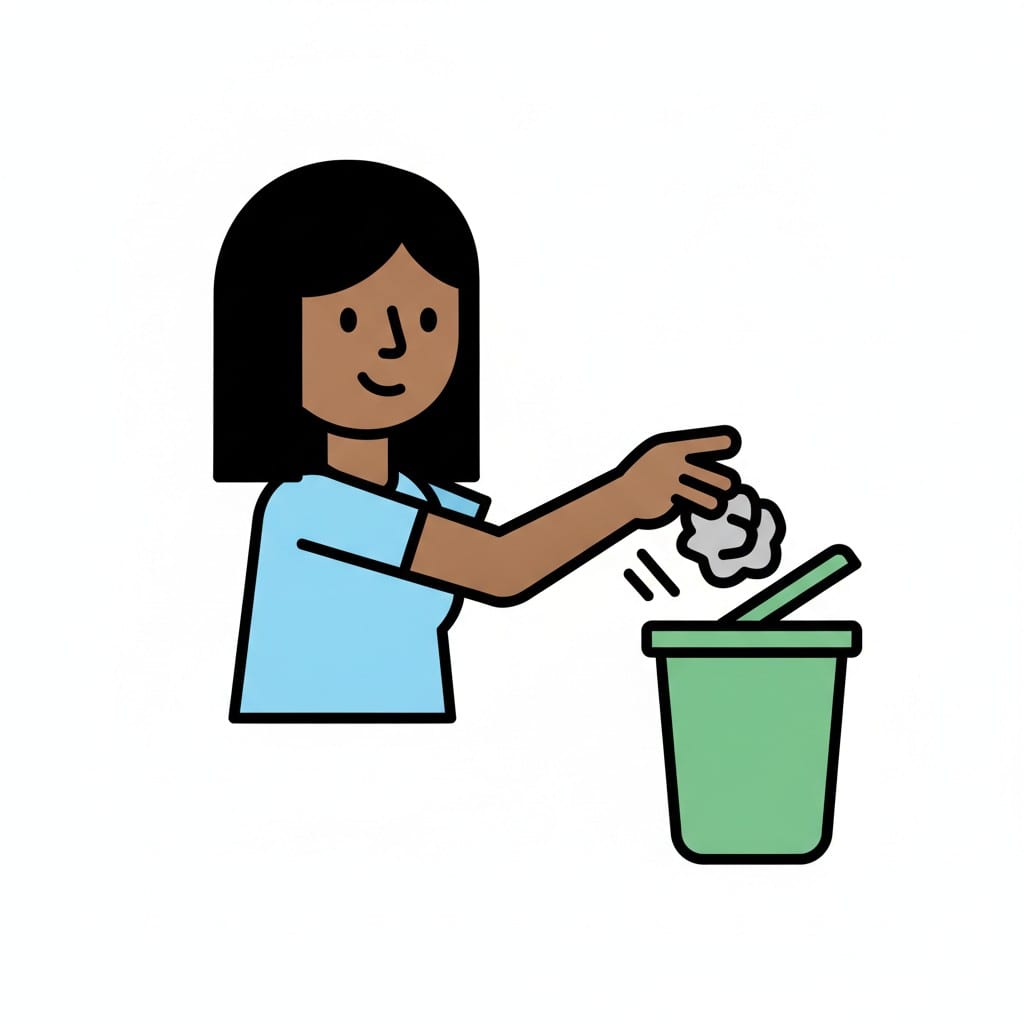 ♀
♀Dropping trash into a green bin
A woman in a light blue top lets a crumpled piece of paper fall into a green trash bin.
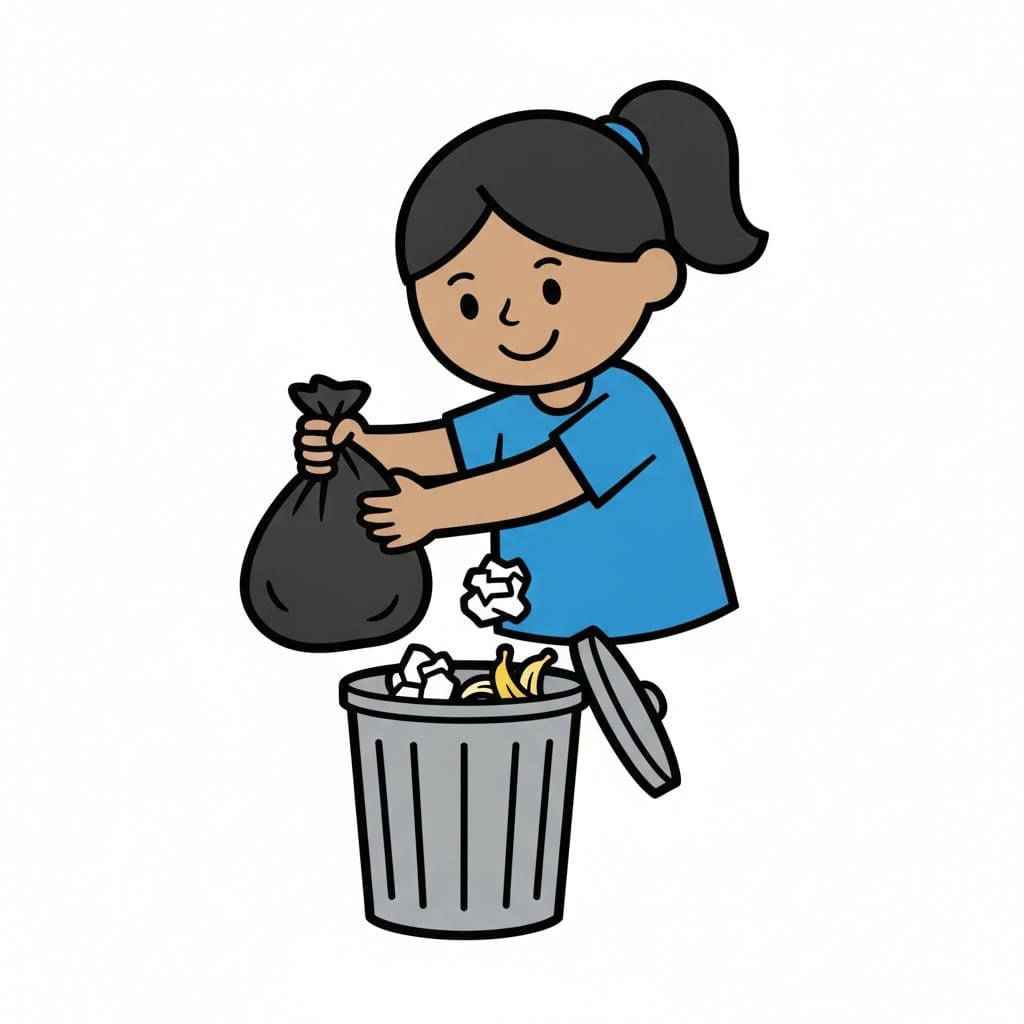 ♀
♀Putting the bag in the bin
A girl drops a black rubbish bag into an open bin with the lid off.
About this visual support
What an adult counts as a short chore is, for a child, a chain of separate moves: tie the bag, lift without dropping, get the front door open, manage stairs, find the right container, raise the lid. When one link breaks, the whole errand tends to collapse, because the motivation was already lower than the effort.
With the visual support, each part of the route becomes its own station. The child can read the next step from the image instead of holding the entire trip in their head, and you skip the running commentary. A specific tip: keep a glove or a short stick by the front door for opening the bin lid. That tiny detail lowers the bar for many children, since lids are often sticky or smell strong.
If you want the chore tied to a recurring day, say Sunday evening, add it to Routined and tick it off once the bag is outside. The walk then stops feeling like nagging and turns into a visible part of the weekly rhythm.
Use this image in a schedule
Build your own visual schedule with this image and download it as a print-ready PDF. Completely free.

More similar visual supports
Clean up trash
A person wearing gloves picks up litter and puts it into a trash bag.
Take out the trash
A smiling child lifts the lid of a trash can and drops a black trash bag inside.
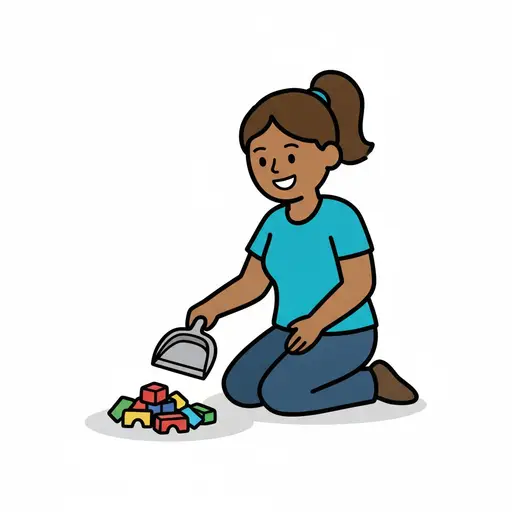
Clean my spot
A smiling child with a ponytail kneels on the floor and moves a grey dustpan tow...
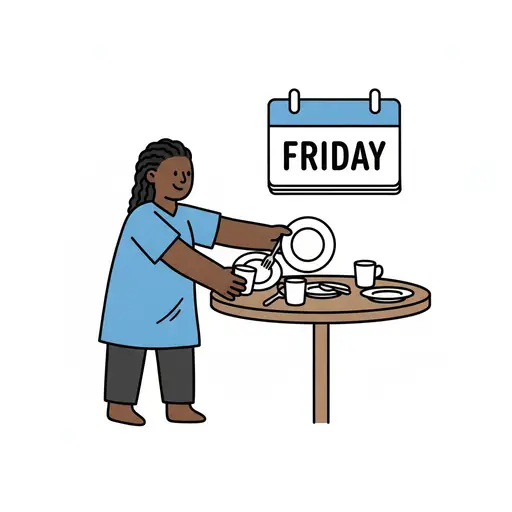
Clear the table on Friday
A woman gathers plates and mugs from a round table next to a calendar showing Fr...
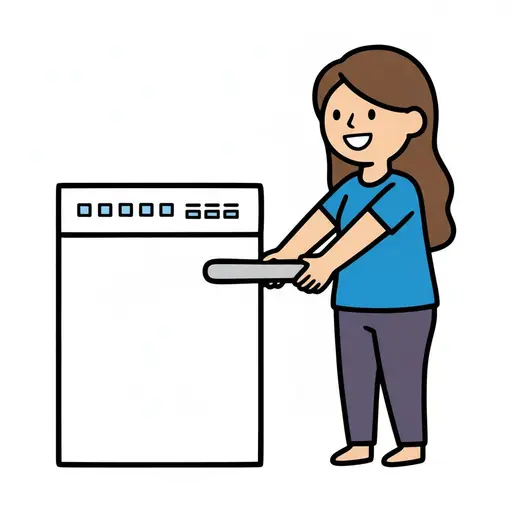
Dishwasher
A smiling person pulls the handle and opens the door of a white dishwasher with ...
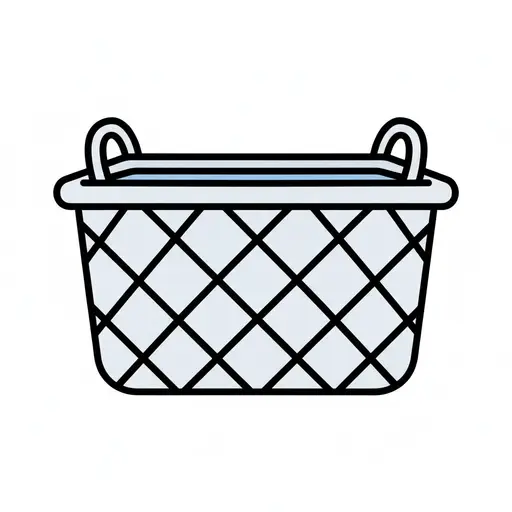
Empty laundry basket
An empty white laundry basket with handles on the sides.
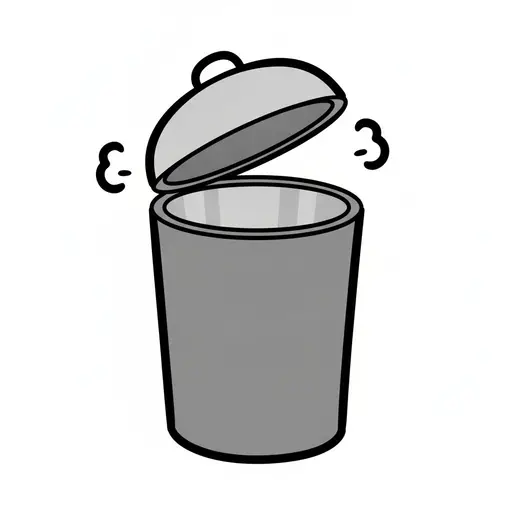
Empty the bin
A cartoon grey bin with its lid lifting open.

Empty the wastebasket
A blue wastebasket lies tipped over with paper falling out of it.
Take the visual supports with you
In Routined you build schedules from these pictures, add timers and voice instructions, and your child follows the day on their own.


* 14-day free trial included for new users.