Glasses case
A glasses case belongs in exactly one spot, but the memory of where it last landed rarely shows up until you are already searching. The pictures below give the eye something to hang the routine on.
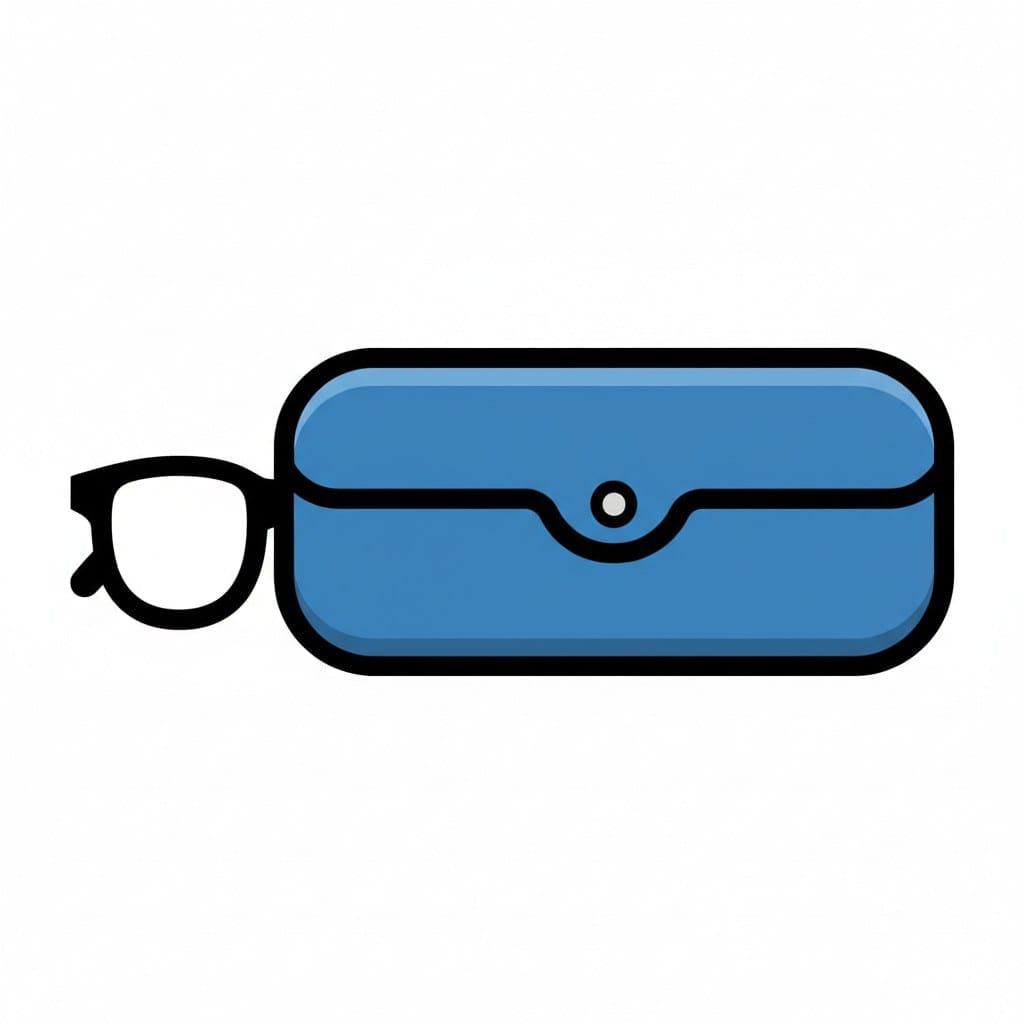
Glasses case
A blue glasses case with a pair of black glasses sticking out one side.
About this visual support
Small objects with fixed homes are tricky for a brain busy with the next thing. The glasses case is a classic — it gets opened, put down and drops out of attention half a second later. In the morning it isn't where it should be, and the day starts with a search instead of a start.
Visual support works because it moves the memory work from the head to an outer sequence of steps. Seeing a picture of folding the glasses, one of placing them in gently, one of clicking the case shut and one of the exact shelf or drawer where it belongs — it ties the action to a place. The link gets stronger when the picture returns in the same order every time.
A concrete tip: give the case a visible marker — a sticker, a coloured dot or a small frame on the shelf — and photograph that exact spot as the last picture step. Then the eye searches for an image it recognises, not an object among many. To tie steps together across different routines through the day, Routined can be tried free for fourteen days.
Use this image in a schedule
Build your own visual schedule with this image and download it as a print-ready PDF. Completely free.

More similar visual supports
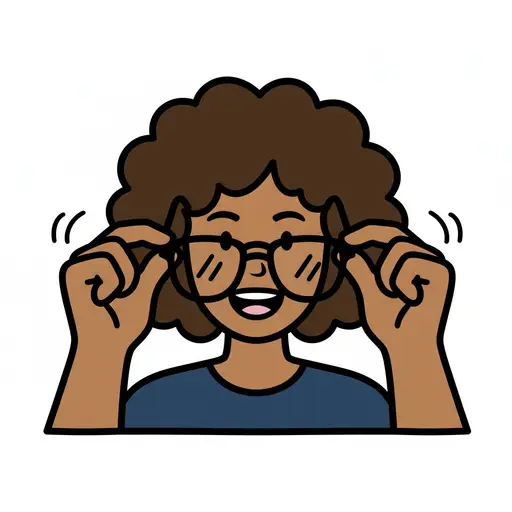
Bring glasses down
A smiling girl adjusts her glasses with both hands.

Glasses
A pair of round glasses with black frames and light blue lenses.
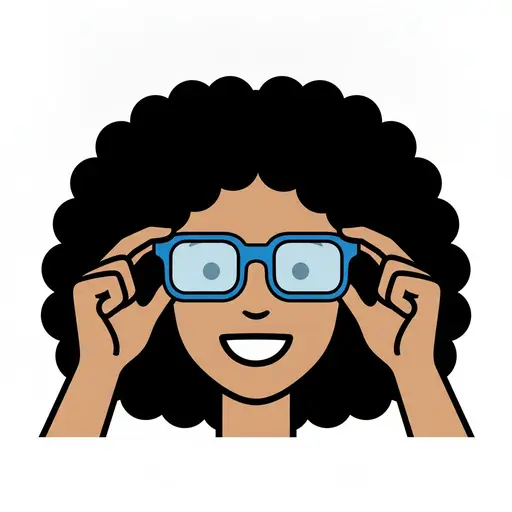
Put on glasses
A laughing girl with big curly hair settles a pair of blue-framed glasses into p...

Buy glasses
An illustration of a man holding a pair of glasses and a shopping bag.
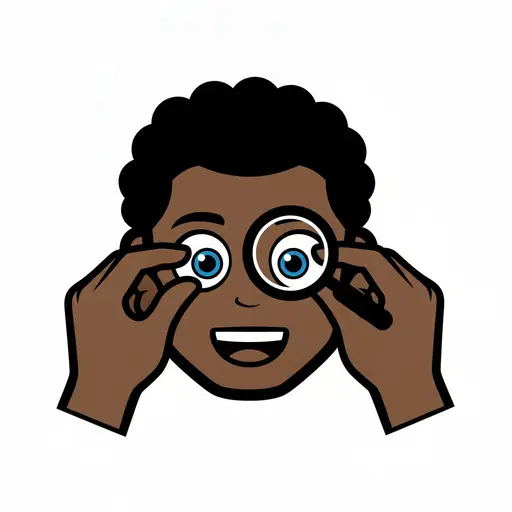
Check the eyes
A child holds a magnifier up in front of one eye.
Clean the glasses
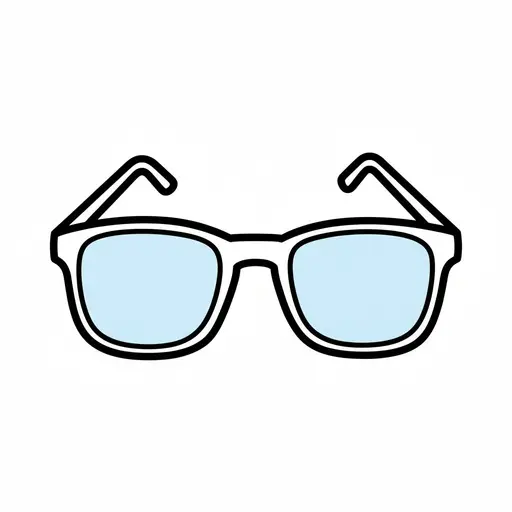
A pair of glasses with clean light blue lenses and a black frame.
Eye drops
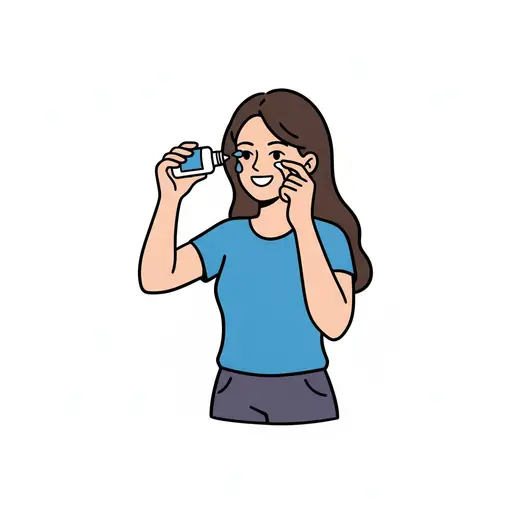
A smiling person holds a small bottle of eye drops above their eye and pulls dow...
Eye test
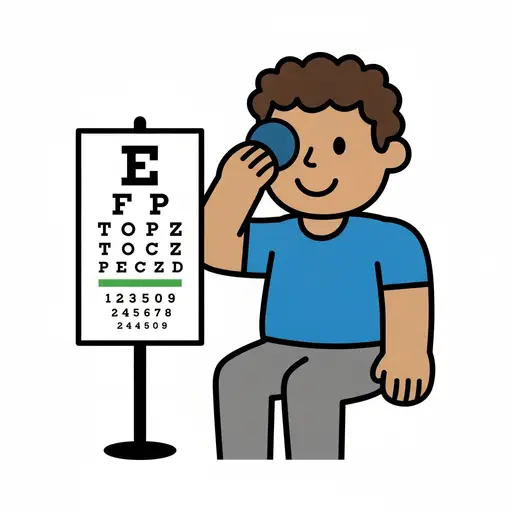
A person covers one eye and reads the letters on an eye chart.
Take the visual supports with you
In Routined you build schedules from these pictures, add timers and voice instructions, and your child follows the day on their own.


* 14-day free trial included for new users.