Have a bath
A bath is full of thresholds. Climbing in takes time, the water changes temperature after a while, and the end is vague – when does the bath actually count as finished? The visual support below gives bathing a clear beginning, middle and end.
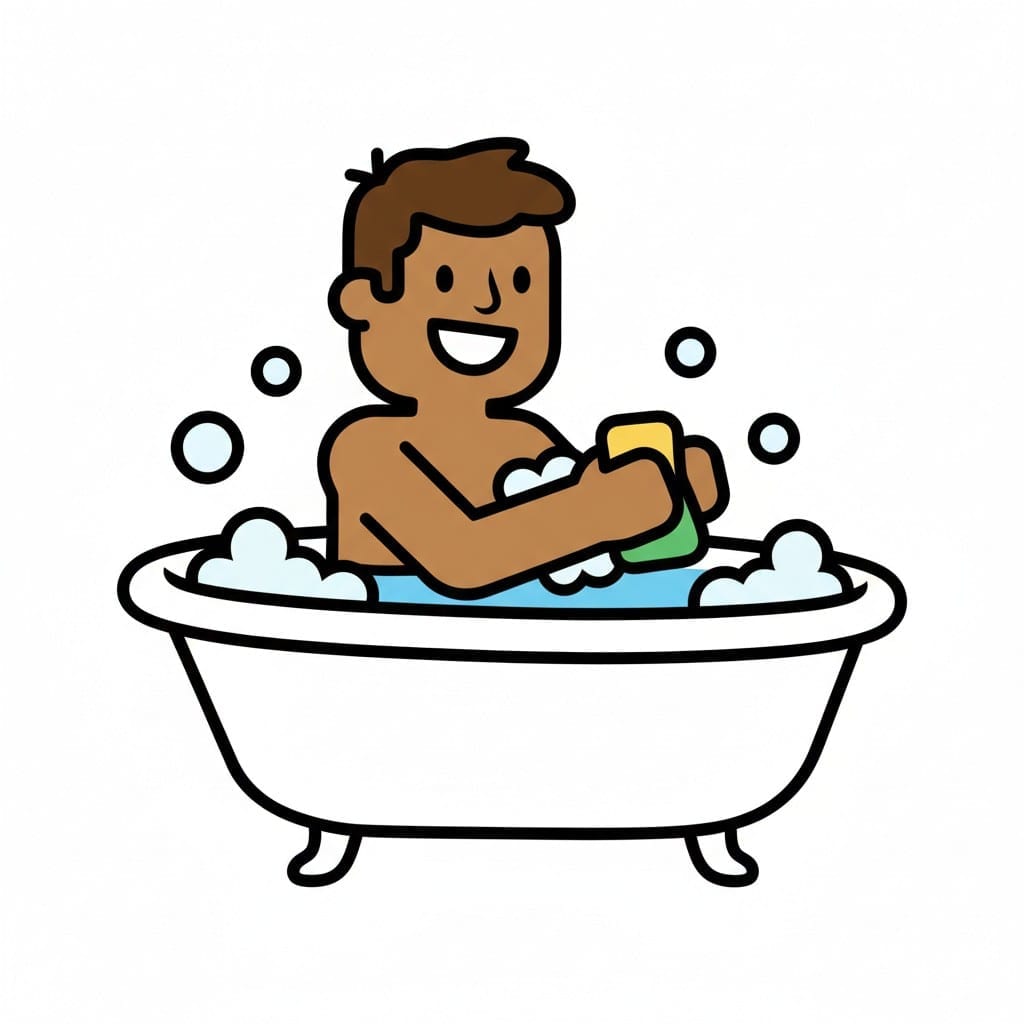 ♂
♂Take a bath
A happy boy taking a bath in a bathtub with bubbles and a sponge.
 ♂
♂Take a bath
A boy is sitting in a bathtub full of bubbles, holding a yellow sponge and smiling.
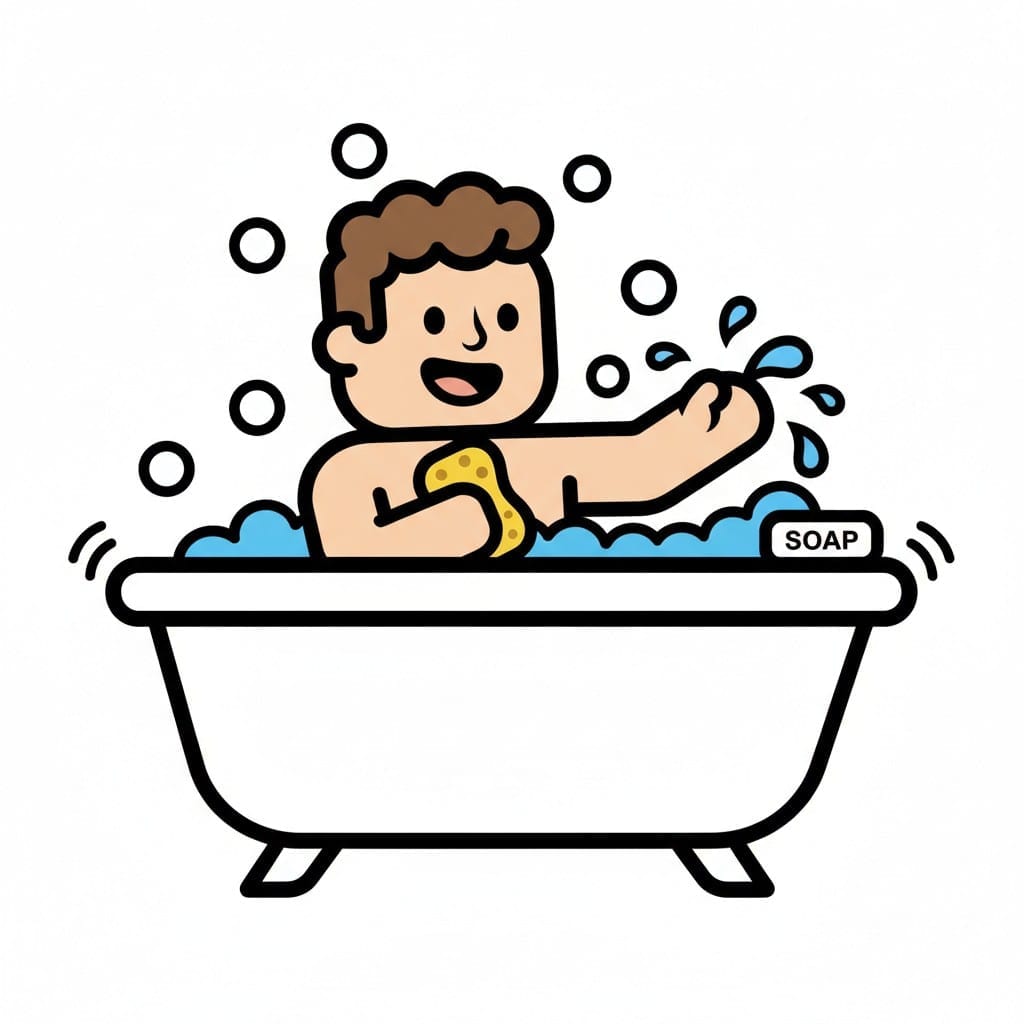 ♂
♂Take a bath
A boy is sitting in a bathtub full of bubbles, splashing water, and holding a yellow sponge. A bar of soap is on the edge of the tub.
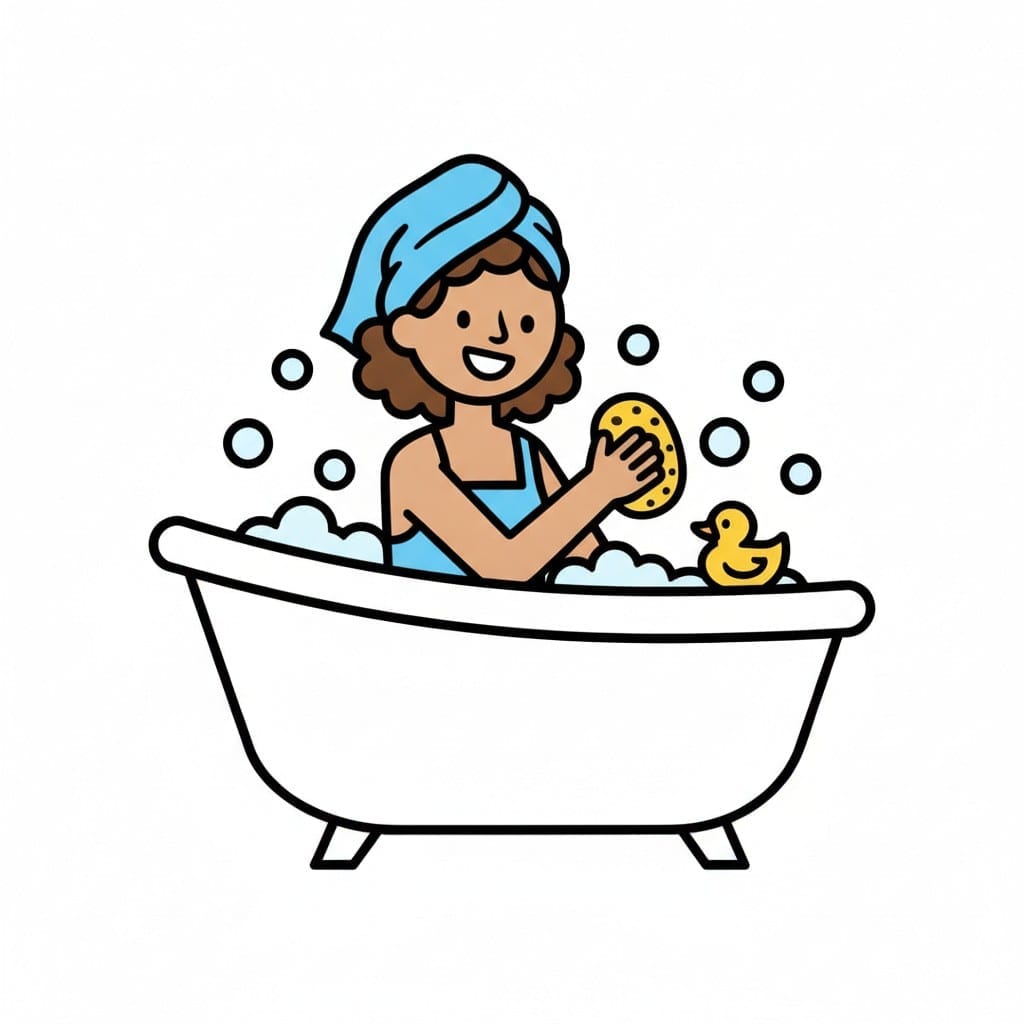 ♀
♀Person washing in the bath
A smiling person with a towel around their hair sits in a bath with foam holding a yellow sponge, beside a yellow rubber duck.
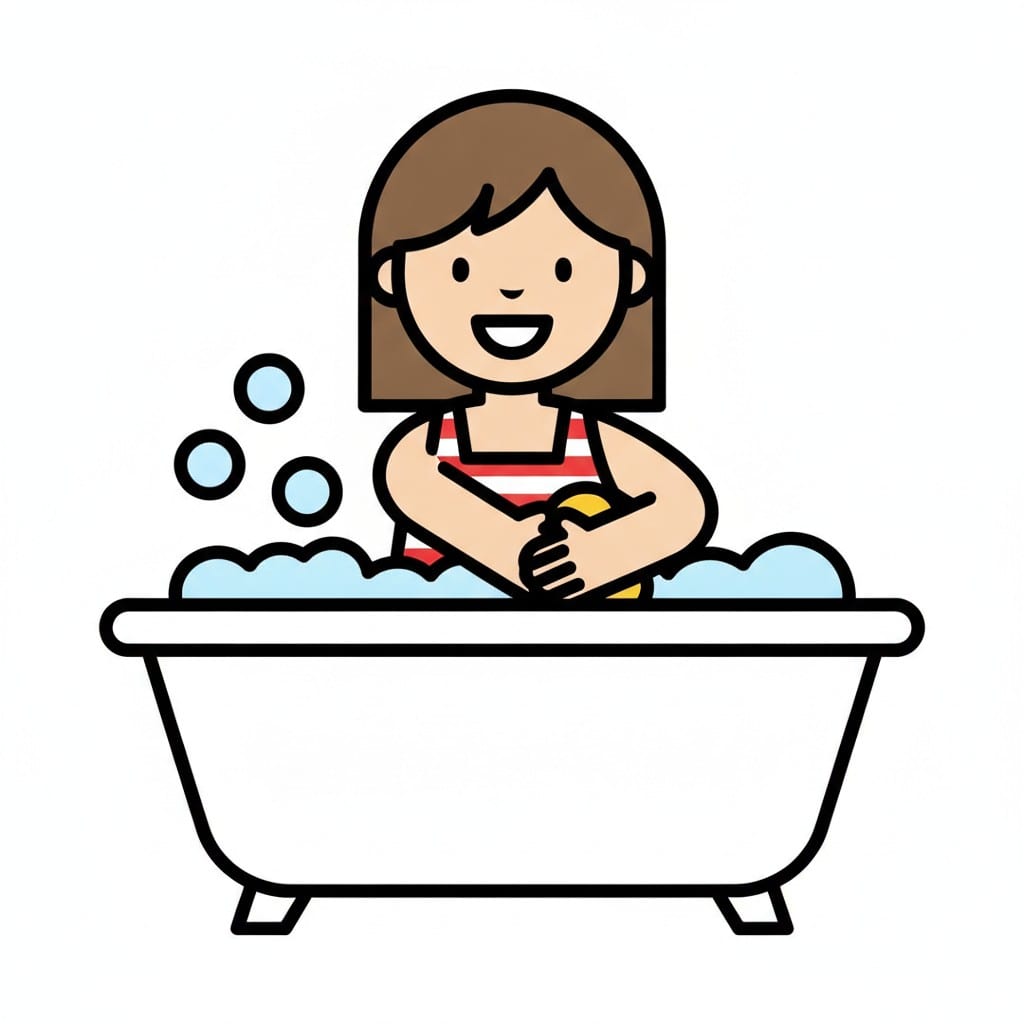 ♀
♀Girl sitting in the bath
A laughing girl in a striped top sits in a bath with foam holding a yellow sponge, with bubbles floating beside her.
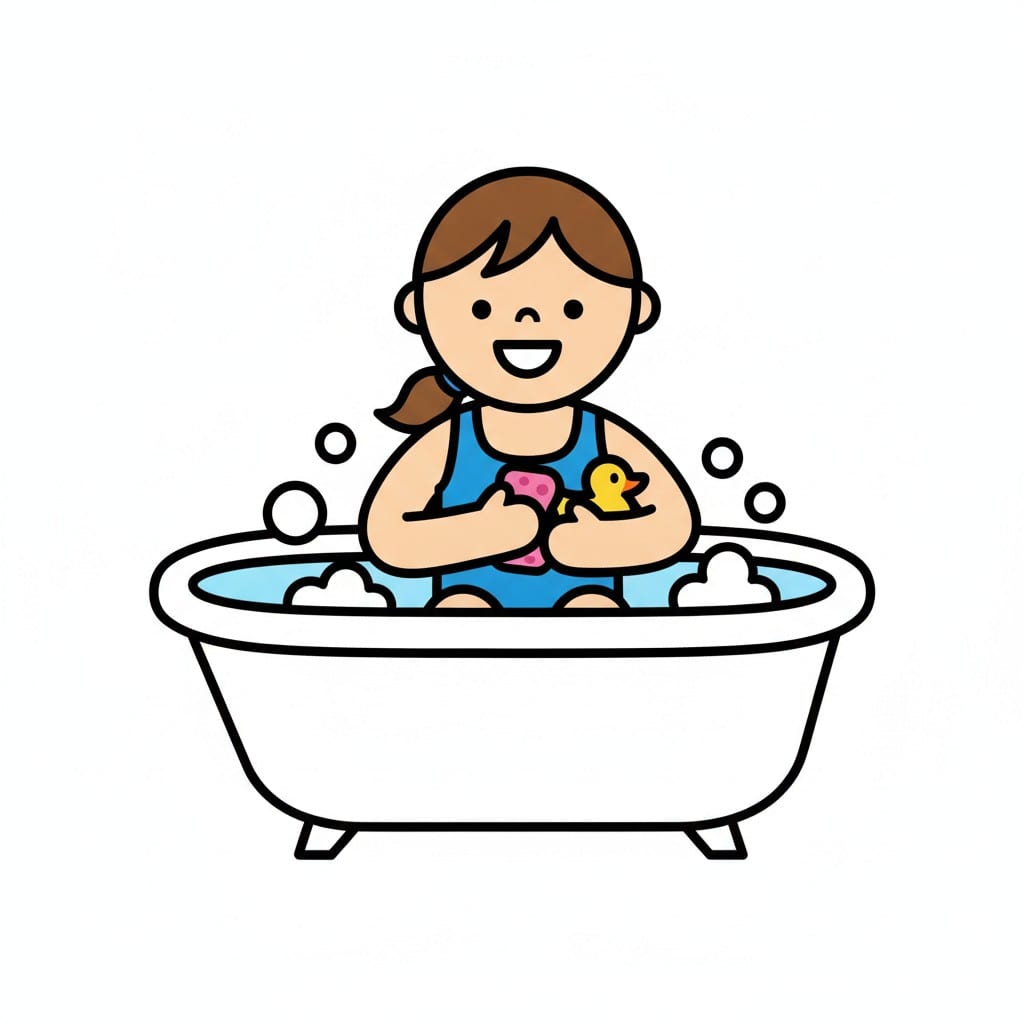 ♀
♀Girl taking a bath
A happy girl sits in a bathtub with bubbles and a rubber duck.
About this visual support
For many children the bath itself is not the problem – it is the rim around it. The shift from clothed to bare, from floor to water, from dry-land play to sitting in a large wet bowl happens across a few minutes where the body has to adjust temperature, balance and control all at once. Once in, things often go well, but then the next vagueness arrives: how long should it last, and who decides when it is over?
Visual support helps by mapping out the physical journey in advance. Fill the water, test it with your hand, one leg in, second leg in, sit down, play or wash, step out, towel around the body. The last picture matters as much as the first, because it gives the bath a stop sign rather than a fading ending.
A tip that tends to land: decide in advance what marks the end, like pulling the plug or placing a specific toy on the rim. The decision becomes concrete instead of a negotiation. In Routined you can attach a timer to the bath itself and a checkmark for each step, so leaving the tub becomes part of the routine instead of a conflict.
Use this image in a schedule
Build your own visual schedule with this image and download it as a print-ready PDF. Completely free.
More similar visual supports
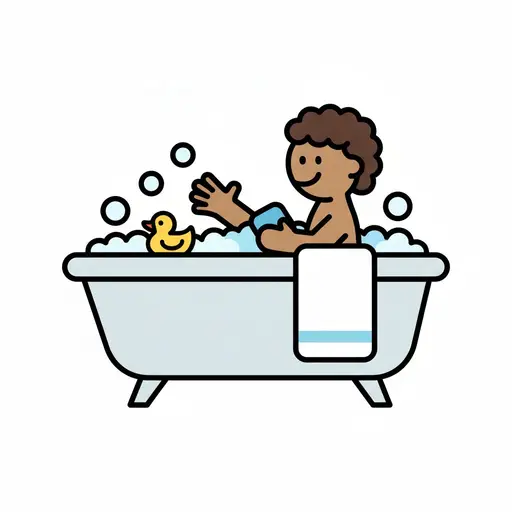
Bath
A happy child sits in a bathtub with bubbles and a rubber duck.
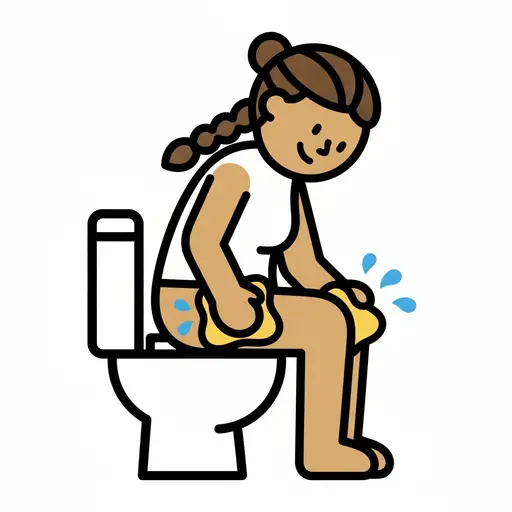
Wash privates and bottom
A child sits on the toilet and washes the private area and bottom with a yellow ...
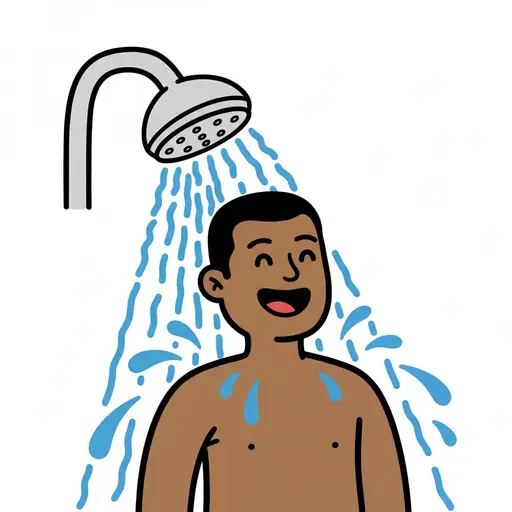
Shower child
An illustration of a boy with soap on his body, holding a sponge and a towel, st...
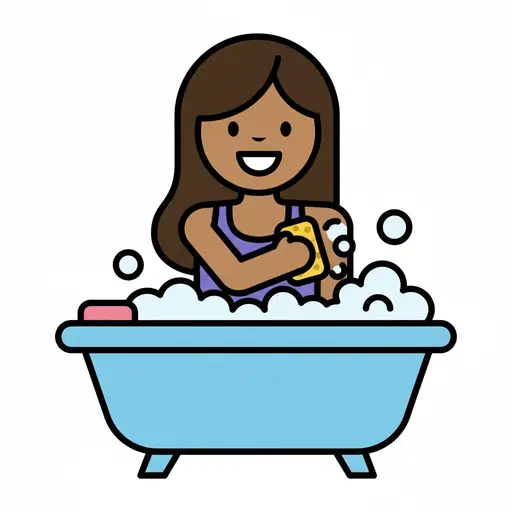
Bathe
A smiling girl sits in a bathtub full of foam and washes her arm with a yellow s...
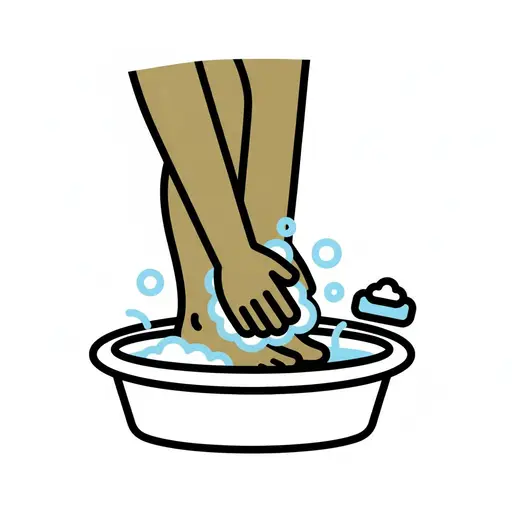
Wash your feet
Feet are rinsed by hands in a basin with bubbles.
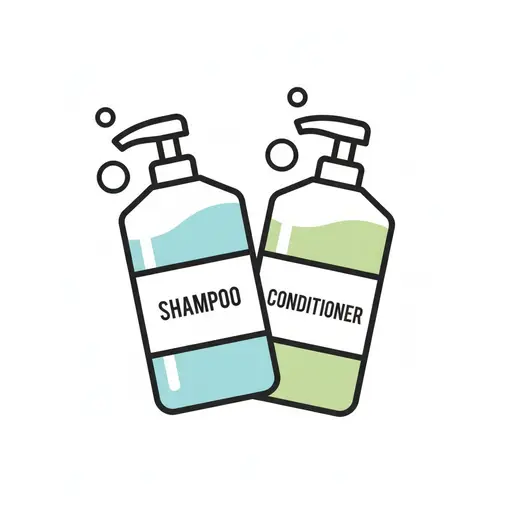
Shampoo
A bottle of shampoo and a bottle of conditioner.
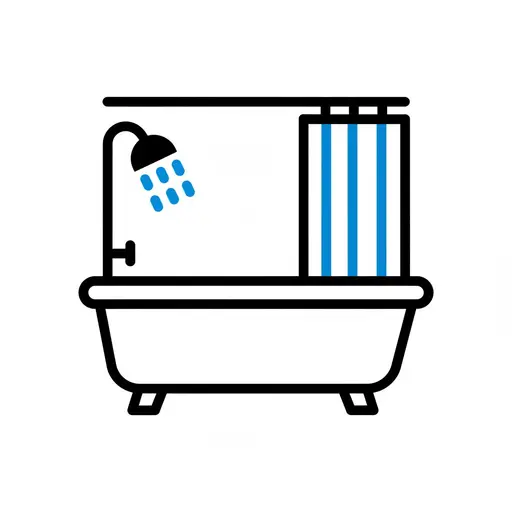
Bath or shower
An illustration of a bathtub with a shower head spraying water and a blue shower...
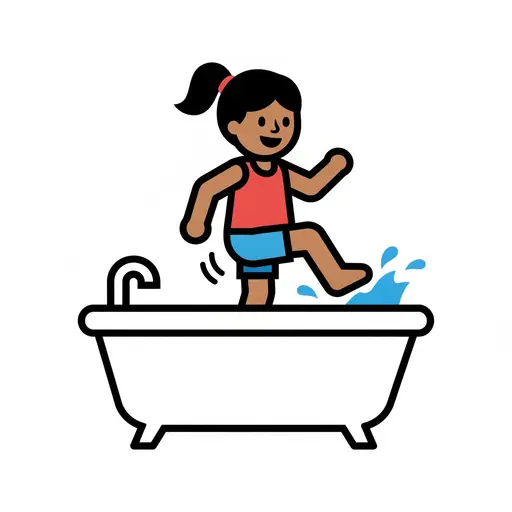
Hop in the bathtub
A girl happily steps into a bathtub and the water splashes.
This visual support in other languages
Take the visual supports with you
In Routined you build schedules from these pictures, add timers and voice instructions, and your child follows the day on their own.


* 14-day free trial, then $2.39 a month or $20.99 a year (US pricing). Cancel anytime.