Flowers
Looking at flowers is usually a gentle break, yet a strong scent or heavy pollen can tip the moment quickly. The visual support below shows how to look, sniff and touch in measured steps.

Flowers
A bouquet of red, blue, and yellow flowers tied with a purple ribbon.

Flowers and star
A bouquet with a yellow flower, a red bud, and a blue star, tied with a brown ribbon.
About this visual support
A simple bunch of flowers looks harmless, but it carries a lot of input at once: flickering colors, a sweet or sharp scent and petals that crumble between small fingers. For a child who is easily overloaded, a strong lily or a noseful of pollen can collapse what was meant to be a quiet moment.
A visual schedule makes the small steps visible: look first, step closer, sniff briefly, touch a leaf gently. With the order shown in pictures, the child can stay in the low-key part of the activity and skip the parts that are too much – like pushing the nose straight into a heavy-scented bloom.
One concrete tip: always keep a low-scent flower nearby, such as a tulip or ranunculus, alongside the perfumed ones. That gives a soft retreat when the smell becomes too strong. In the Routined app the cards can be paired with a gentle timer for how long you linger at each flower.
Use this image in a schedule
Build your own visual schedule with this image and download it as a print-ready PDF. Completely free.

More similar visual supports

Outside
An outdoor scene with a tree, a fence, flowers and the sun in a blue sky.

During the day
A bright sun shines over a landscape with a tree and a cloud.

Forest trip
Three leafy trees with green crowns standing together.
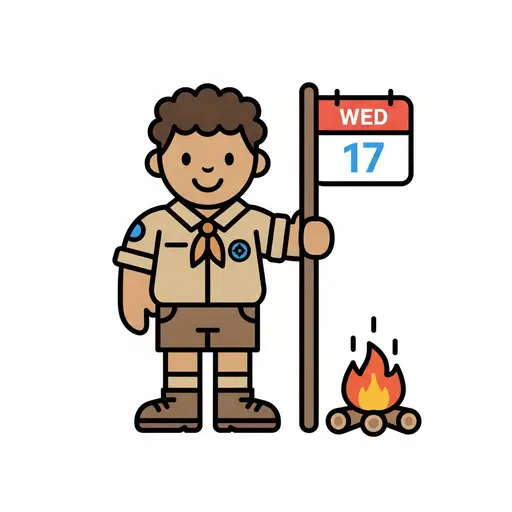
Scouting
A child in a scout uniform holds a flag with a calendar showing Wednesday, with ...
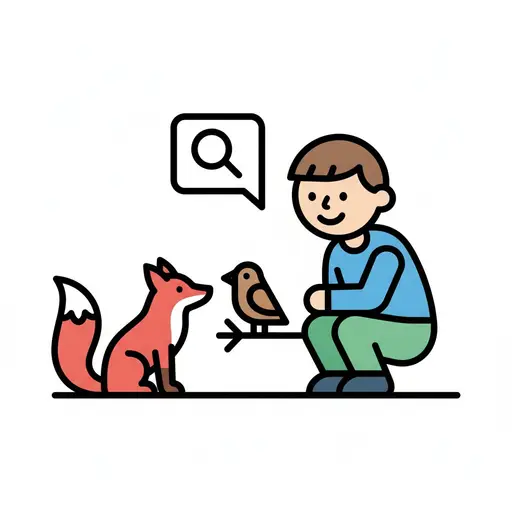
Study animals
A child crouches down and curiously observes a fox and a bird, with a magnifying...
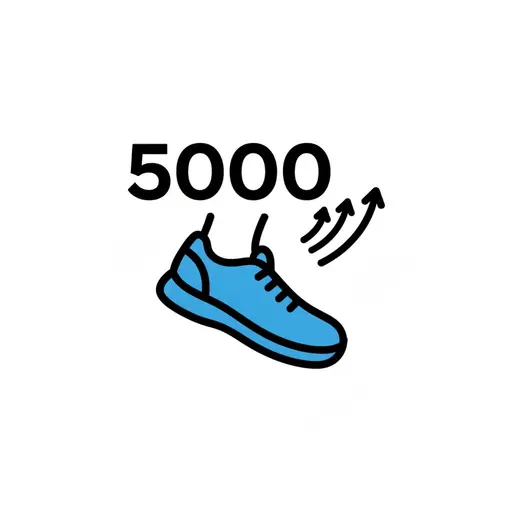
5000 Steps
A blue sneaker with the number 5000 and arrows showing movement.

A parent picks up the child
An adult happily lifts a child up in their arms.
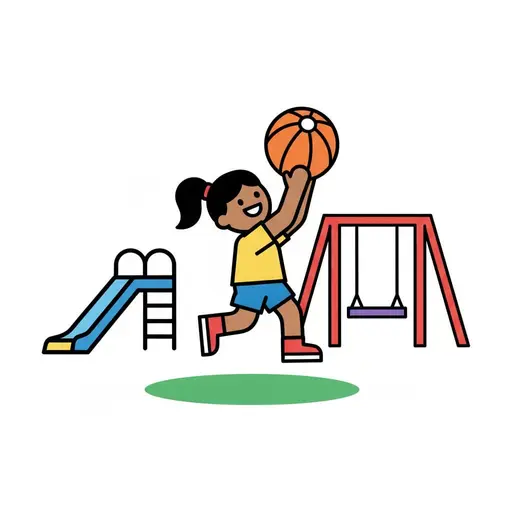
Active play
A girl jumps with a basketball in a playground with a slide and swings.
Take the visual supports with you
In Routined you build schedules from these pictures, add timers and voice instructions, and your child follows the day on their own.


* 14-day free trial included for new users.