Study animals
Animals move unpredictably and often hide, so spotting them means waiting quietly and long without knowing when something will happen. The pictures below show how to hold out and what to watch for.
 ♂
♂Study animals
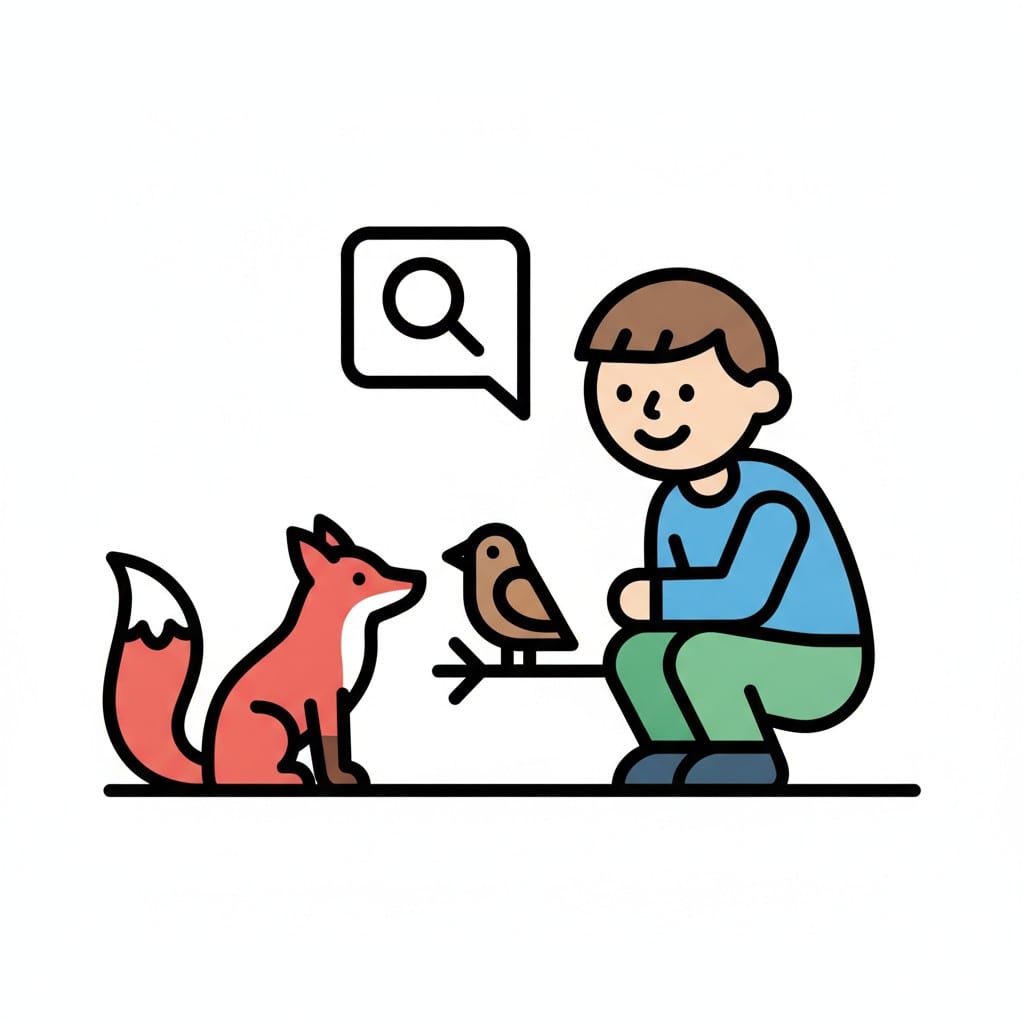
A child crouches down and curiously observes a fox and a bird, with a magnifying glass symbol above.
About this visual support
Studying animals outdoors is mostly about waiting. The fox does not come on demand, the bird flies when it pleases, and for long stretches nothing visible happens at all. For a child who finds it hard to sit still, that quiet waiting becomes the real exercise, more than the spotting itself, and without anything to hold the mind on, patience runs out fast.
Visual support can make the waiting make sense by showing what it actually involves: walk quietly, find a hiding spot, sit still, listen, look through the binoculars, wait. When waiting becomes a visible step with its own picture, it feels less like empty time and more like part of the plan, something you are really doing. The child also sees that the steps come to an end, which makes the stillness easier to bear.
One concrete tip: give the child a spotting sheet to fill in, ticking off fox, bird and tracks as they appear, so the long stillness gains a goal to check off. In Routined you can build a small outing routine with spotting steps and try it for fourteen days at no cost.
Use this image in a schedule
Build your own visual schedule with this image and download it as a print-ready PDF. Completely free.

More similar visual supports
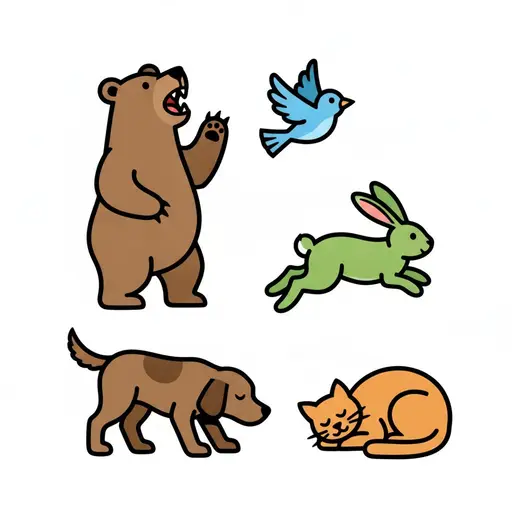
Animal behavior
Cartoon animals showing different behaviors: a bear roaring, a bird flying, a ra...
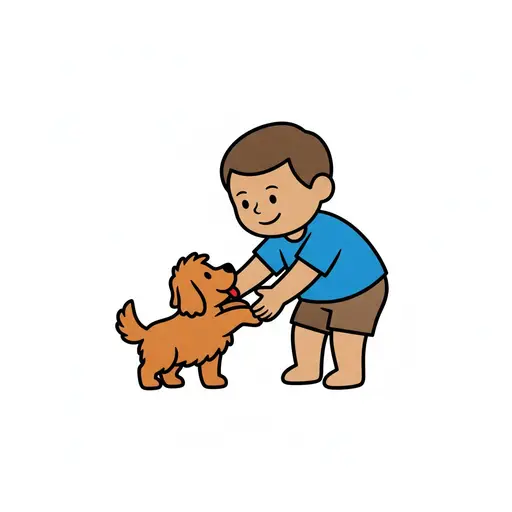
Get Rufus
A child bends down to play with a small brown dog standing on its hind legs.

Pet the dog
A child kneels and pets a happy dog on the head.
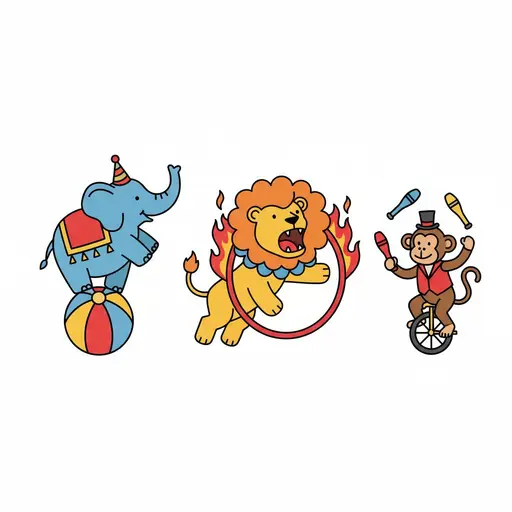
Circus animals
Three cartoon circus animals: an elephant balancing on a colorful ball, a lion j...

During the day
A bright sun shines over a landscape with a tree and a cloud.
Feed animals
A person kneels, pouring food from a bowl into a pet bowl on the floor, in front...

Flowers
A bouquet with a yellow flower, a red bud, and a blue star, tied with a brown ri...
Forest trip
Three leafy trees with green crowns standing together.
Take the visual supports with you
In Routined you build schedules from these pictures, add timers and voice instructions, and your child follows the day on their own.


* 14-day free trial included for new users.