Paint
Paint on the fingers can feel delightful one day and unbearable the next. The visual support below walks through the flow from setting up to rinsing the brushes.
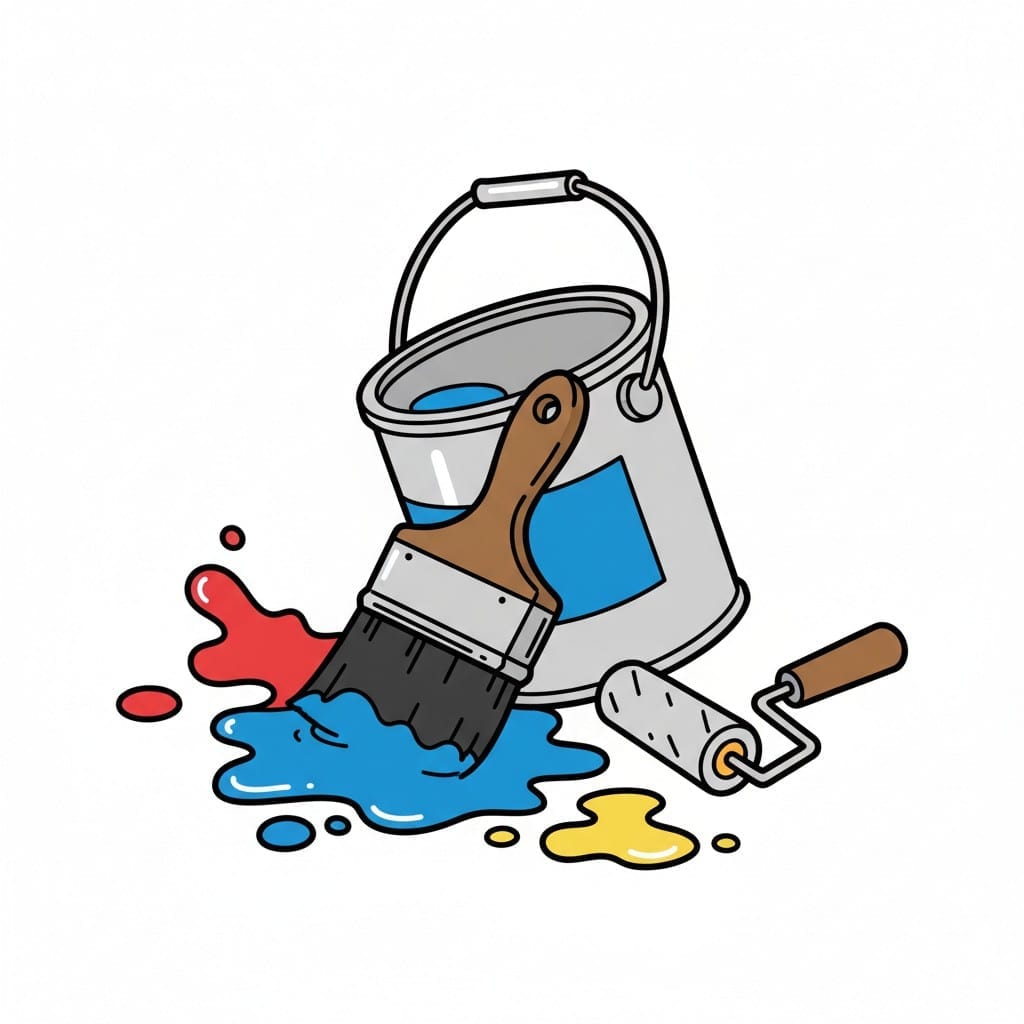
Paint
A paint can, a paintbrush with blue paint, a paint roller, and spills of red, blue, and yellow paint.
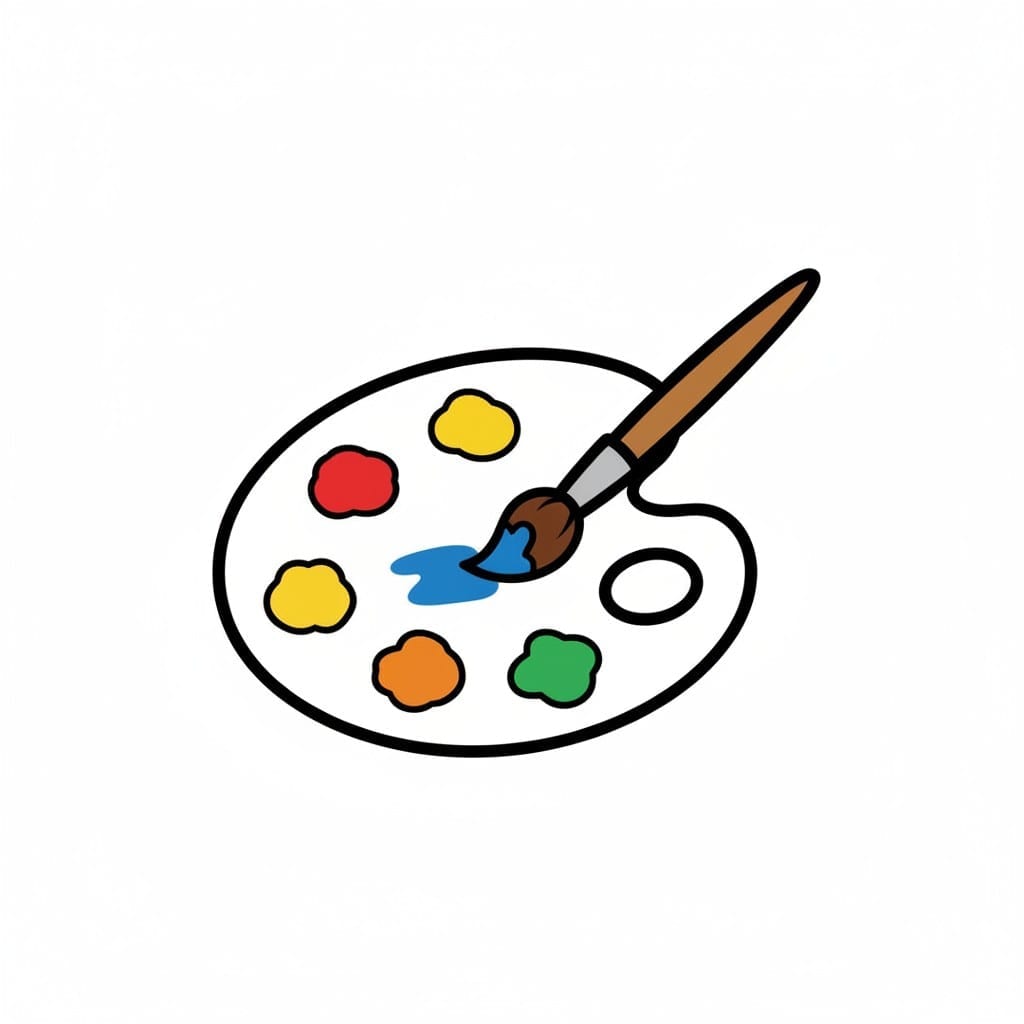
Palette with brush
An artist palette holding red, yellow, orange and green paint, with a brush dipped in a smear of blue.
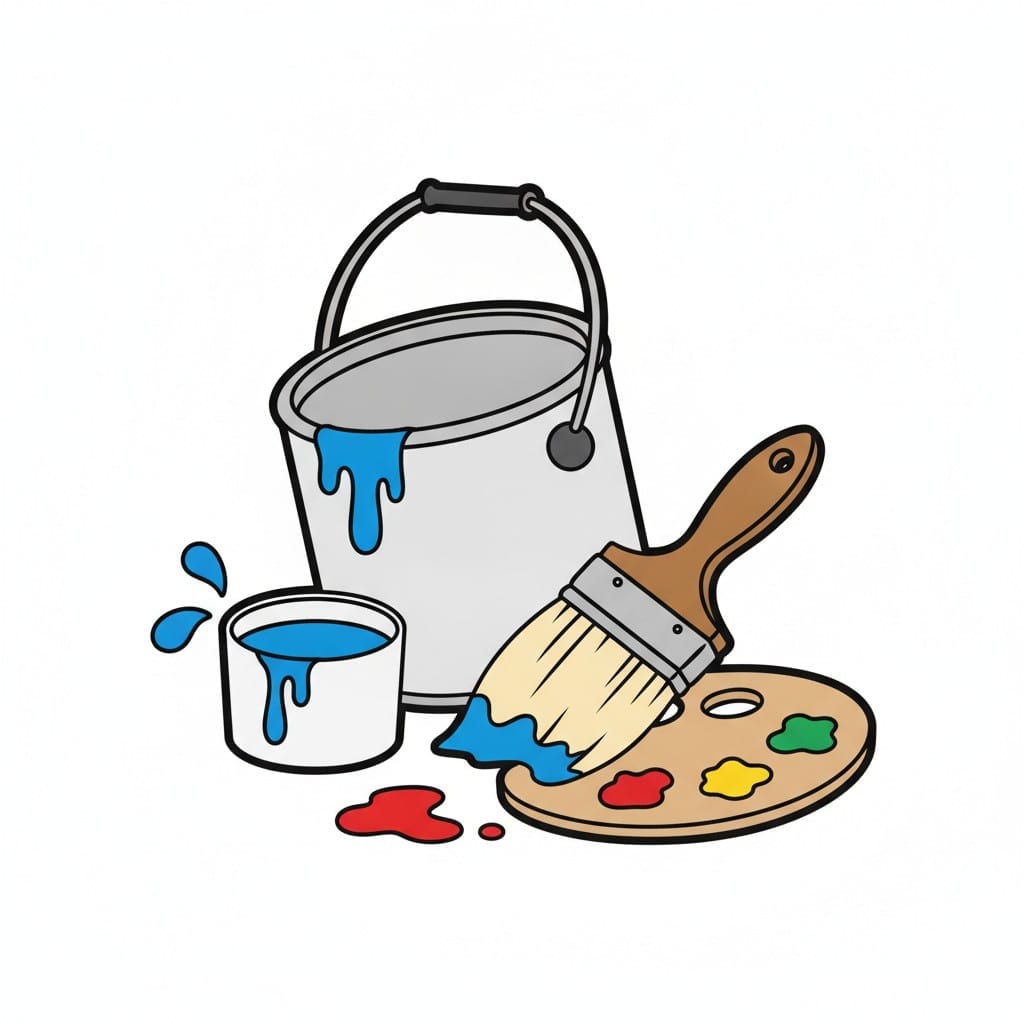
Paint bucket and brush
A large paint can dripping blue, a small tin of blue paint, a wide brush and a wooden palette with dabs of colour.
About this visual support
Painting is one of those activities where the sensory side calls the shots. The smell of the paint, the way it sits on the skin and the scratch of the brush on paper often decide whether a child dives in or backs away. The angle here is exactly that tactile reality: a low-pressure activity that still needs a visible beginning and end before the mess starts.
Pictures let the child see the whole arc in advance. Saying yes gets easier when they know hands will be washed at the end and that there is a spot ready for the wet painting. Step by step it also becomes clearer when it is okay to stop, which can otherwise feel hard mid-flow.
One concrete tip: place the towel or wet cloth card early in the row, not last. That way the cleanup is visible as part of the process from the start, which lowers the threshold for a hesitant child. If you want to build your own version with a timer and check-off, you can try Routined for fourteen days at no cost.
Use this image in a schedule
Build your own visual schedule with this image and download it as a print-ready PDF. Completely free.
More similar visual supports
Create
A smiling person sits on a stool holding a paint palette and paints a rainbow on...
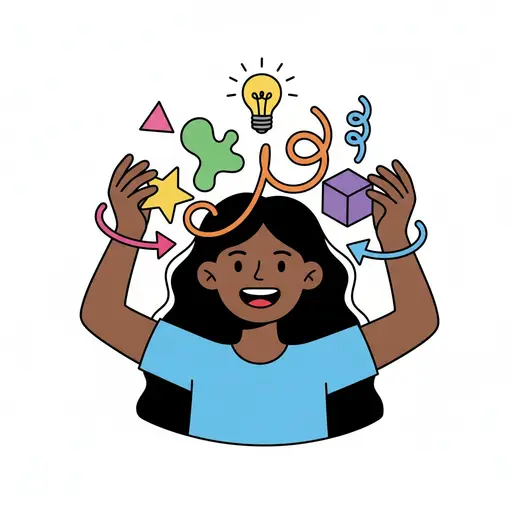
Be Creative
A girl smiles and imagines various colorful shapes and a light bulb.
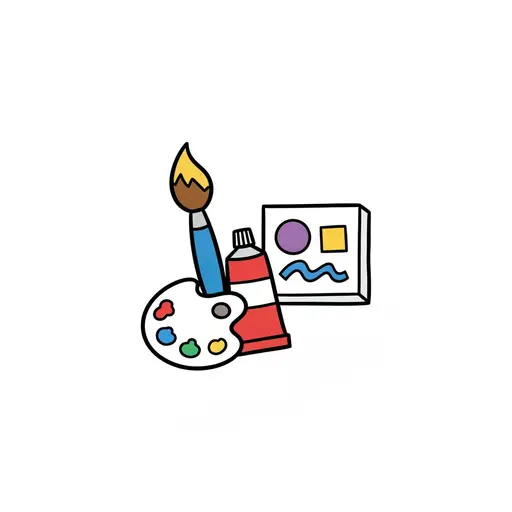
Art
A brush, a palette, a paint tube and a painting with shapes.
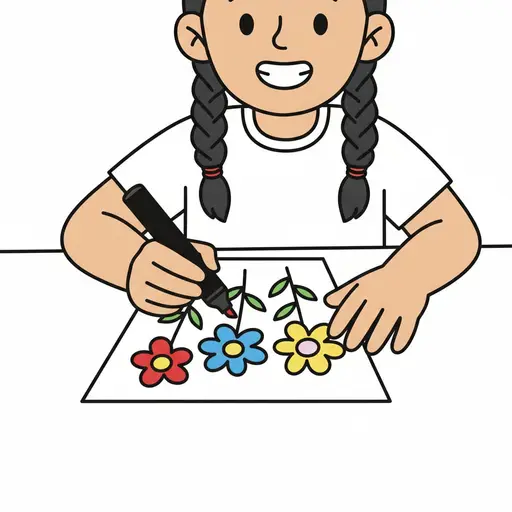
Draw flowers
A girl drawing colorful flowers on a sheet of paper with a marker.
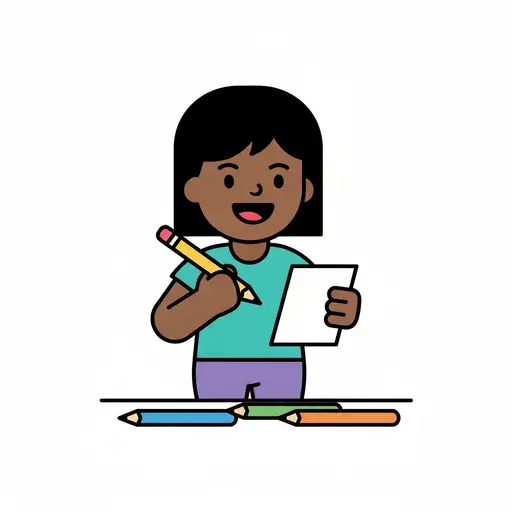
Draw
A girl draws with a pencil with coloured pencils on the table.
Creative
A girl holds a brush and palette next to her own drawing.
Ride motorcycle
A woman wearing a helmet rides a red motorcycle.
Do activities
A happy girl with arms raised surrounded by a ball, a star and a paintbrush, rea...
This visual support in other languages
Take the visual supports with you
In Routined you build schedules from these pictures, add timers and voice instructions, and your child follows the day on their own.


* 14-day free trial, then $2.39 a month or $20.99 a year (US pricing). Cancel anytime.