Read on your own
With nobody reading aloud, both the decoding and the curiosity rest on the child alone, and the stamina tends to run out before the chapter does. The visual support below gives the reading session a clear start and a visible finish.
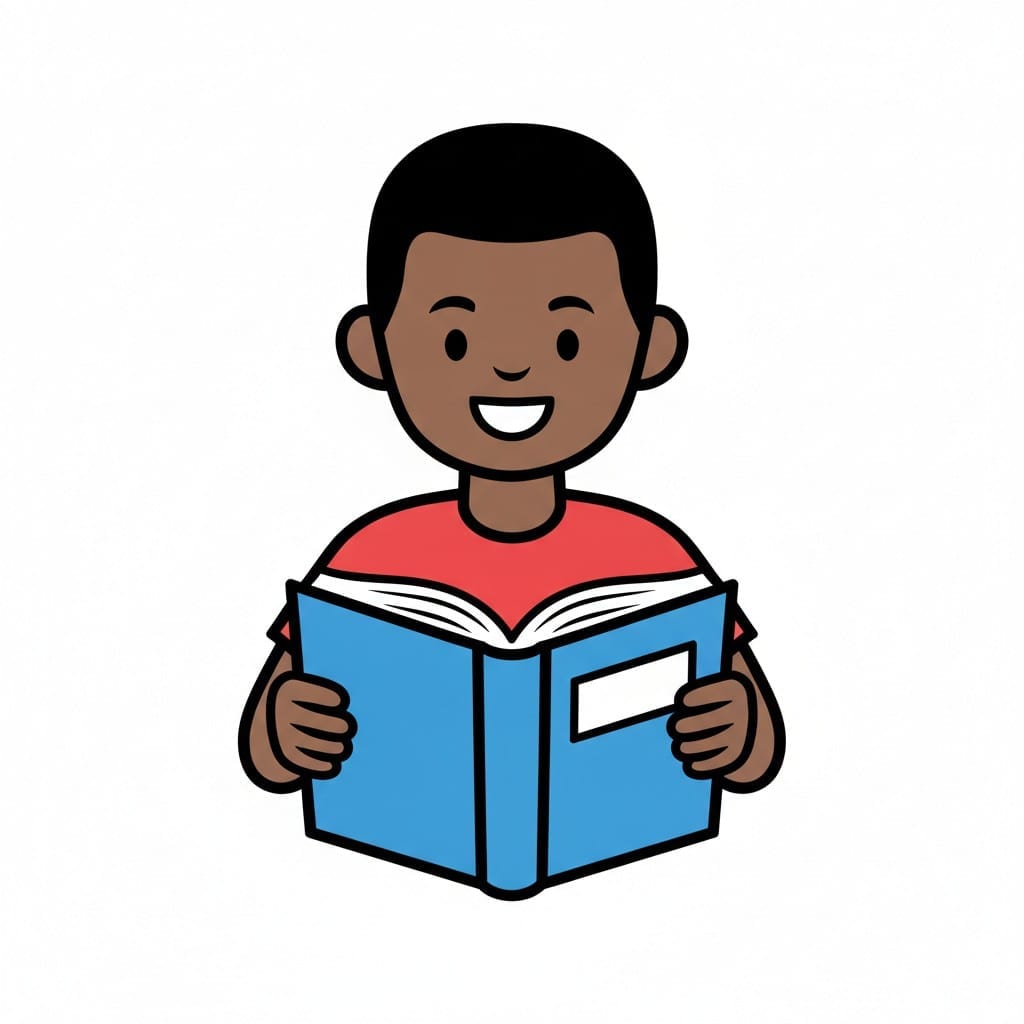 ♂
♂Reading a book alone
A boy holds an open book and reads on his own.
About this visual support
Reading on your own asks for two things at once: that the words can be decoded and that the interest holds all the way. When one of them drops away, the other usually follows, and the book ends up on the floor after half a page. This is rarely about unwillingness, more about stamina being a short-lived resource.
Visual support does something different here than it does for dressing or hygiene. The steps are less about order and more about a frame: fetch the book, sit in your spot, read up to where the bookmark moves, put the book back. When the end is visible from the very beginning, starting gets easier, because the reading no longer feels open-ended.
Set the target in pages rather than minutes. Two pages is something a child can see ahead and count down, while ten minutes stays abstract, and pages also make progress measurable from one day to the next. If you want the reading session linked to the rest of the evening, you can build the whole sequence in Routined and try it for fourteen days at no cost.
Use this image in a schedule
Build your own visual schedule with this image and download it as a print-ready PDF. Completely free.

More similar visual supports
Engage with literature in bed
A person is lying in bed, propped up against a pillow, reading a red book with a...
Mom reads
A mother smiles while holding an open red book.
Read a book in bed
A person is sitting in bed with a pillow behind them, reading a book.
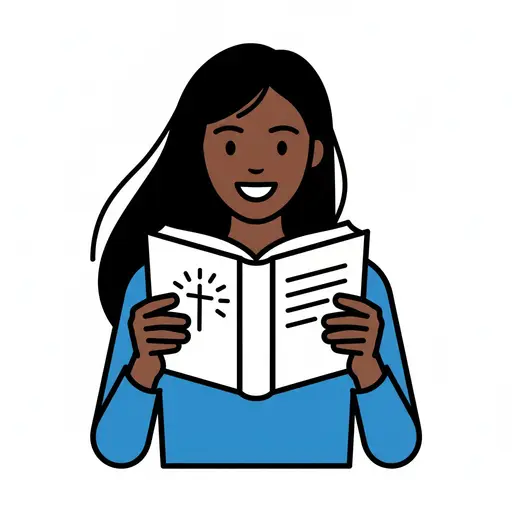
Read a devotional
A girl holds up an open book with a cross printed on the page and reads it.
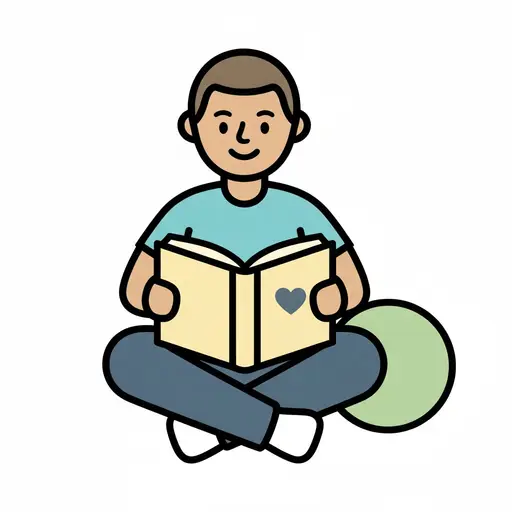
Calm Activity
A boy sits cross-legged on the floor reading an open book.
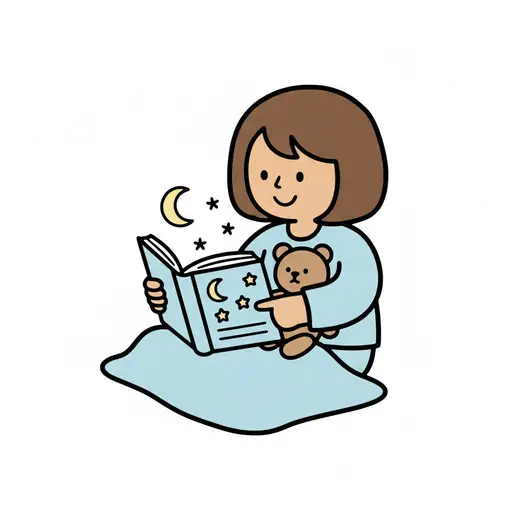
Read a Bedtime Story
A girl reads a bedtime book with a teddy bear under a blanket.
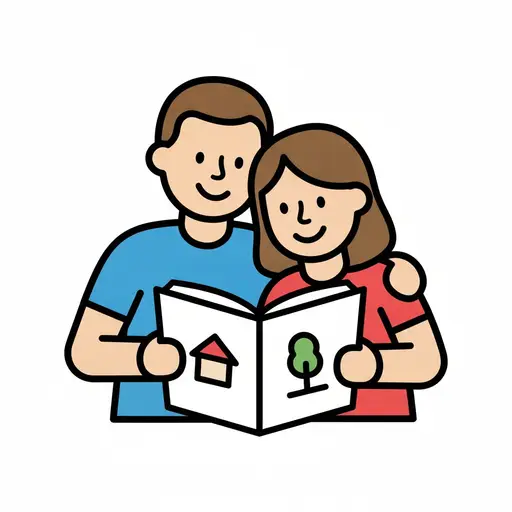
Read a book with mom
A child and mom look at an open picture book together.
Read bedtime story
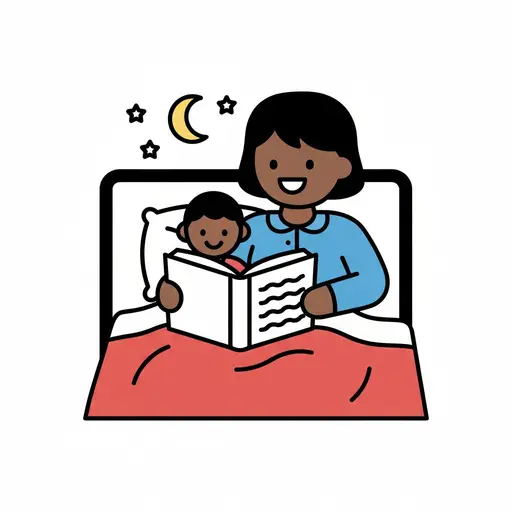
A smiling woman in a blue shirt reads from a book together with a child lying un...
Take the visual supports with you
In Routined you build schedules from these pictures, add timers and voice instructions, and your child follows the day on their own.


* 14-day free trial included for new users.