Train
On the train the child controls neither speed nor stops, and timetables, strangers close by and sudden announcements make the journey hard to predict. The visual support below shows the parts of the trip in order, so the unknown gets a shape in advance.
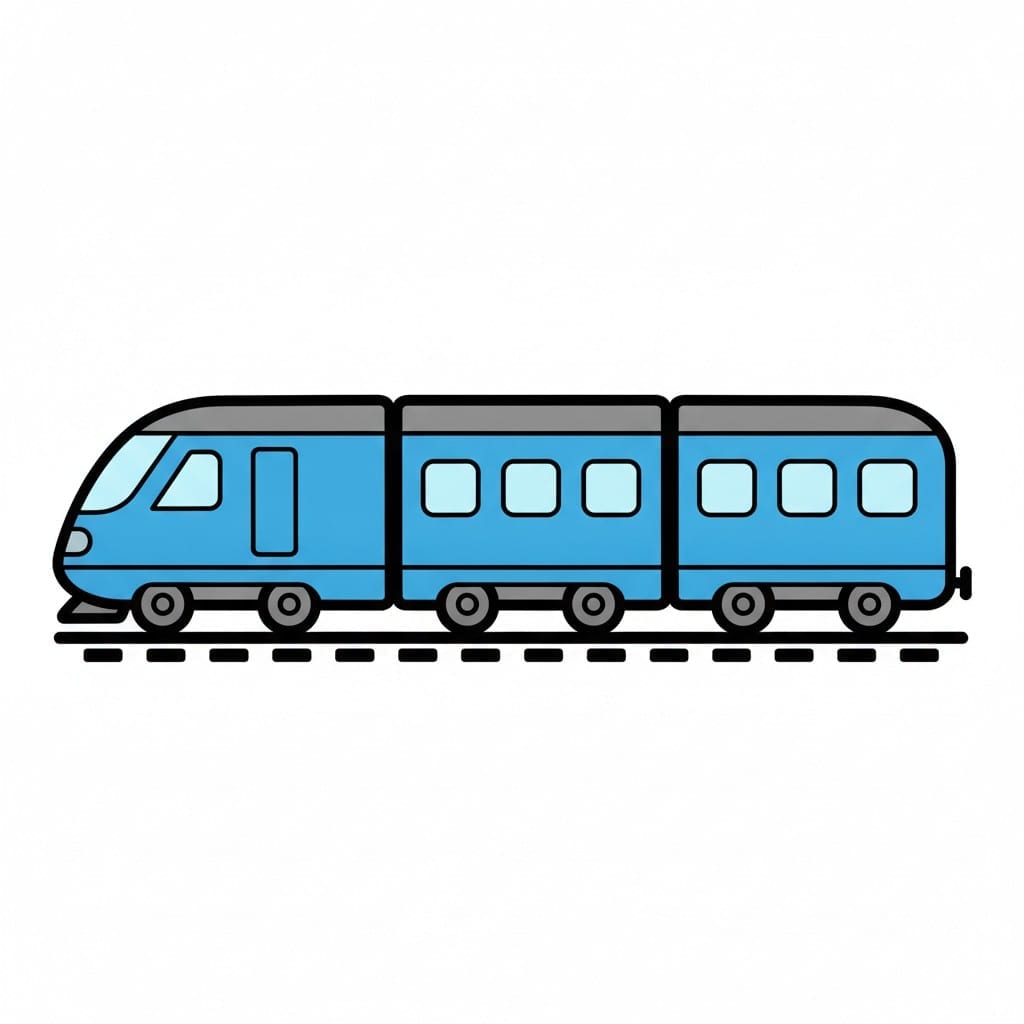
Train
A blue passenger train with several carriages on a railway track.
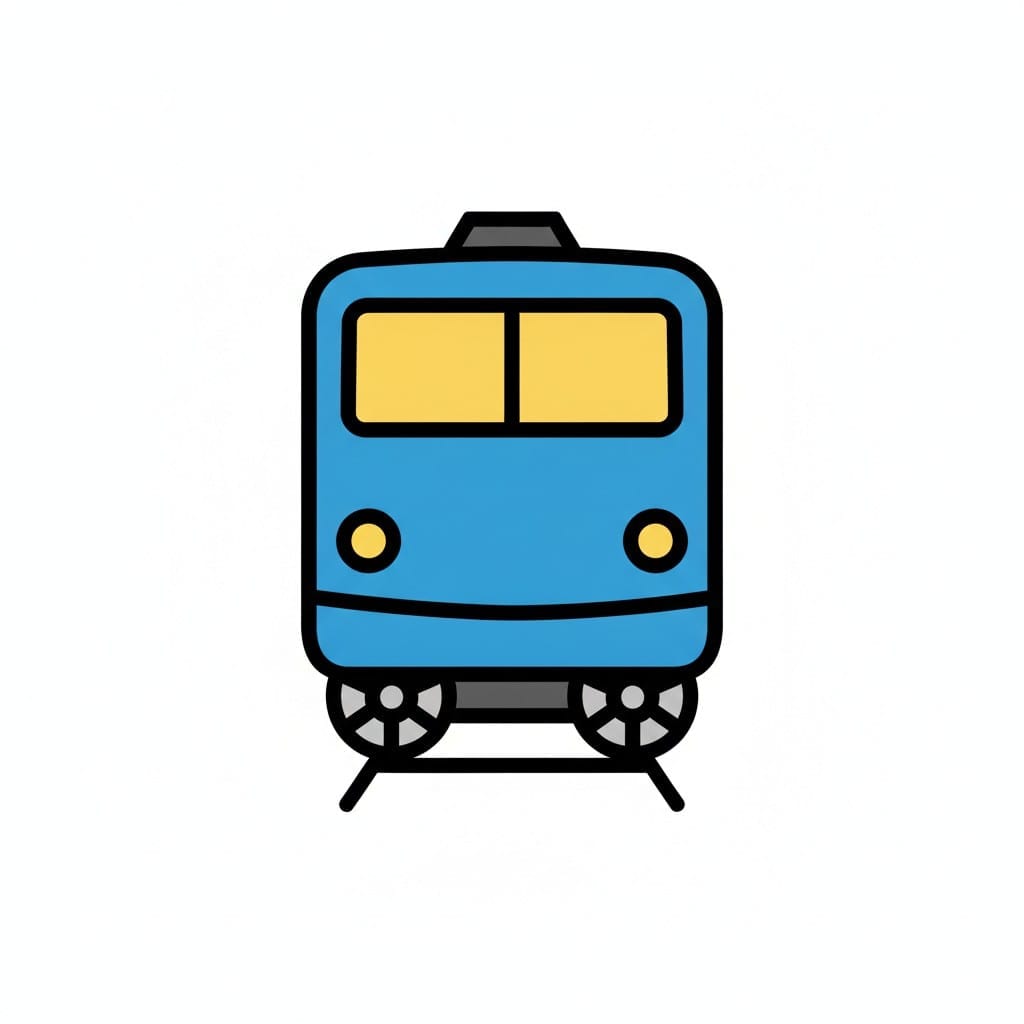
Train seen from the front
A blue train viewed head-on with yellow windows and two round headlights, standing on a track.
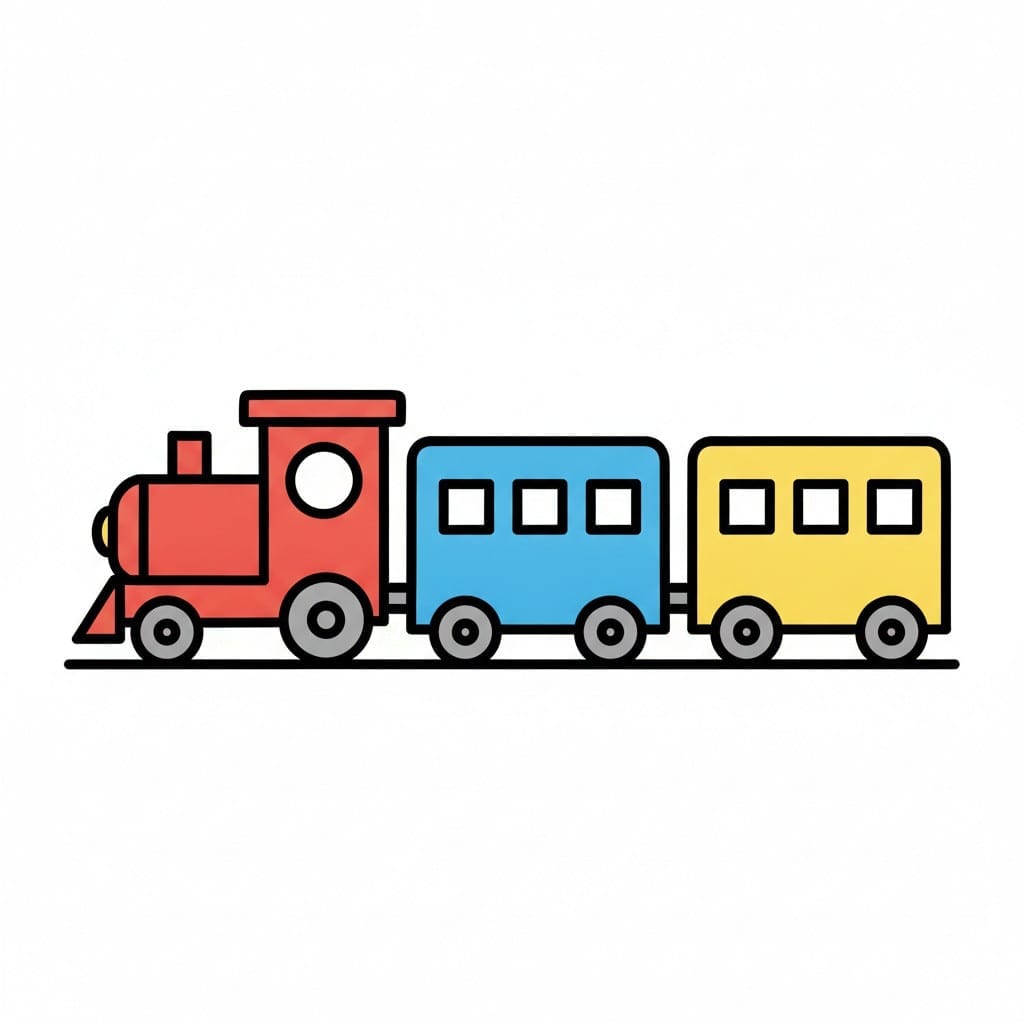
Toy train
A toy train with a red engine pulling one blue and one yellow carriage along a line.
About this visual support
Picture an environment that does not bend to the child at all: the train leaves when the timetable says, strangers sit an arm's length away, and a voice on the speaker calls out stations the child never asked for. None of the control the child has at home exists here, and that is often what makes the train journey hard rather than the riding itself.
Visual support cannot change the train, but it can give the child an overview. When the trip is broken into pictures — walk to the platform, wait, step on, find a seat, stay seated until the right station — the child knows what is coming and does not have to read every announcement as a signal to act. The predictability in the pictures balances the unpredictability of the surroundings.
One concrete tip: bring a picture showing how many stations are left, ideally with an object to move for each stop. That makes the long wait measurable, and the announcements become confirmations rather than surprises.
If you want the steps on your phone during the ride, there is Routined. The pictures here you download and print before the trip.
Use this image in a schedule
Build your own visual schedule with this image and download it as a print-ready PDF. Completely free.

More similar visual supports
Airplane
A blue cartoon airplane flying to the right.
Airport
An airport with a control tower and terminal buildings with an airplane above.
Red train
A red toy locomotive pulling two carriages.
Red Train to the Cave
A boy rides a small red train into a cave.
Arrive In Sweden
A smiling boy holds a flag and stands on a map of Sweden with a dashed travel li...
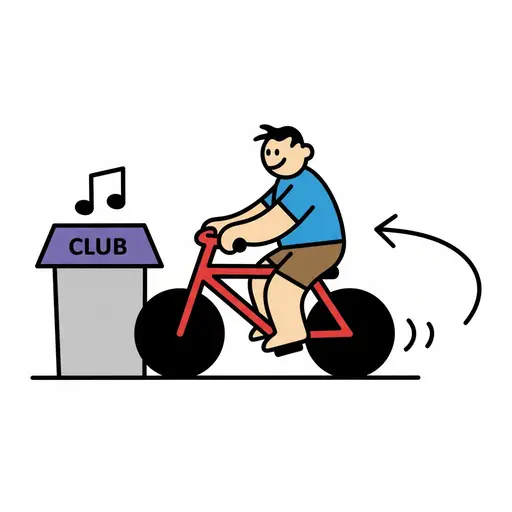
Bike home from club
A boy happily rides a red bicycle away from a building labeled 'CLUB'.
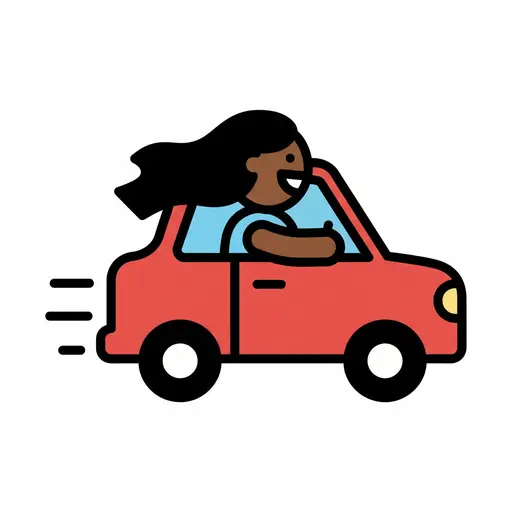
Car ride
A girl is sitting behind the wheel of a red car, driving.
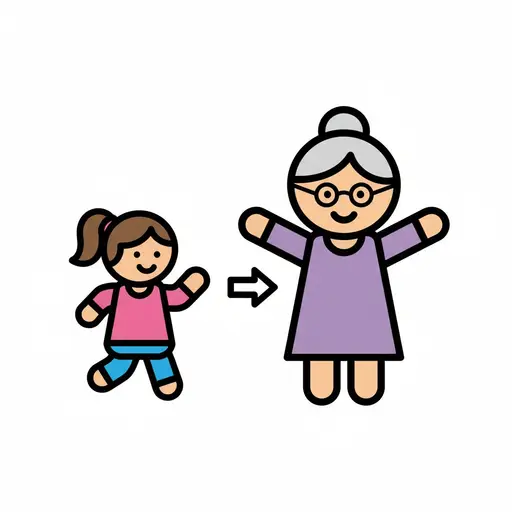
Go to grandmother
A cartoon girl walks towards an older woman with glasses. An arrow points from t...
Take the visual supports with you
In Routined you build schedules from these pictures, add timers and voice instructions, and your child follows the day on their own.


* 14-day free trial included for new users.