Maths homework
A maths sheet at home meets a child who has already spent the day's concentration at school. The setting says rest, the task says work, and that contradiction shows up immediately at the kitchen table. The pictures below give homework a clear beginning, middle and end.
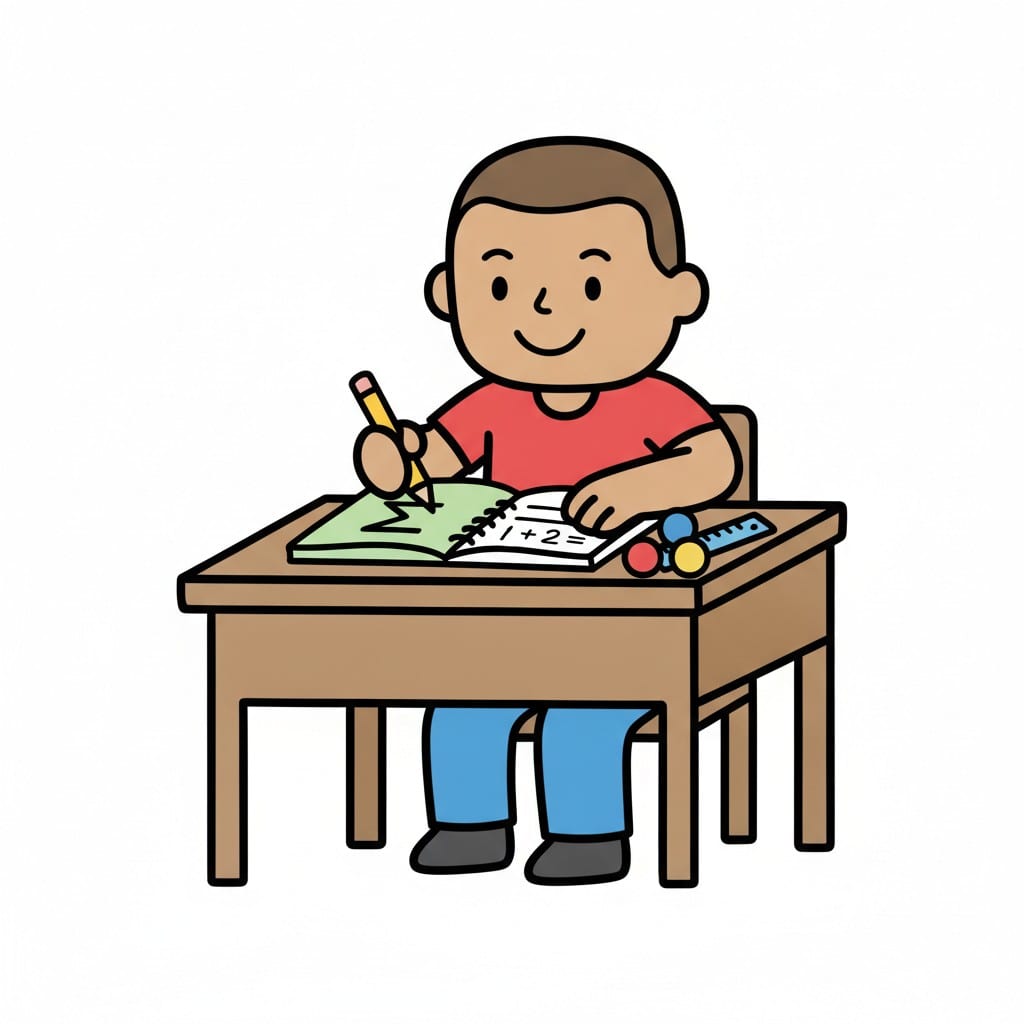 ♂
♂Maths homework
A boy sits at a desk writing in a maths book showing 1+2=, with a ruler and beads beside him.
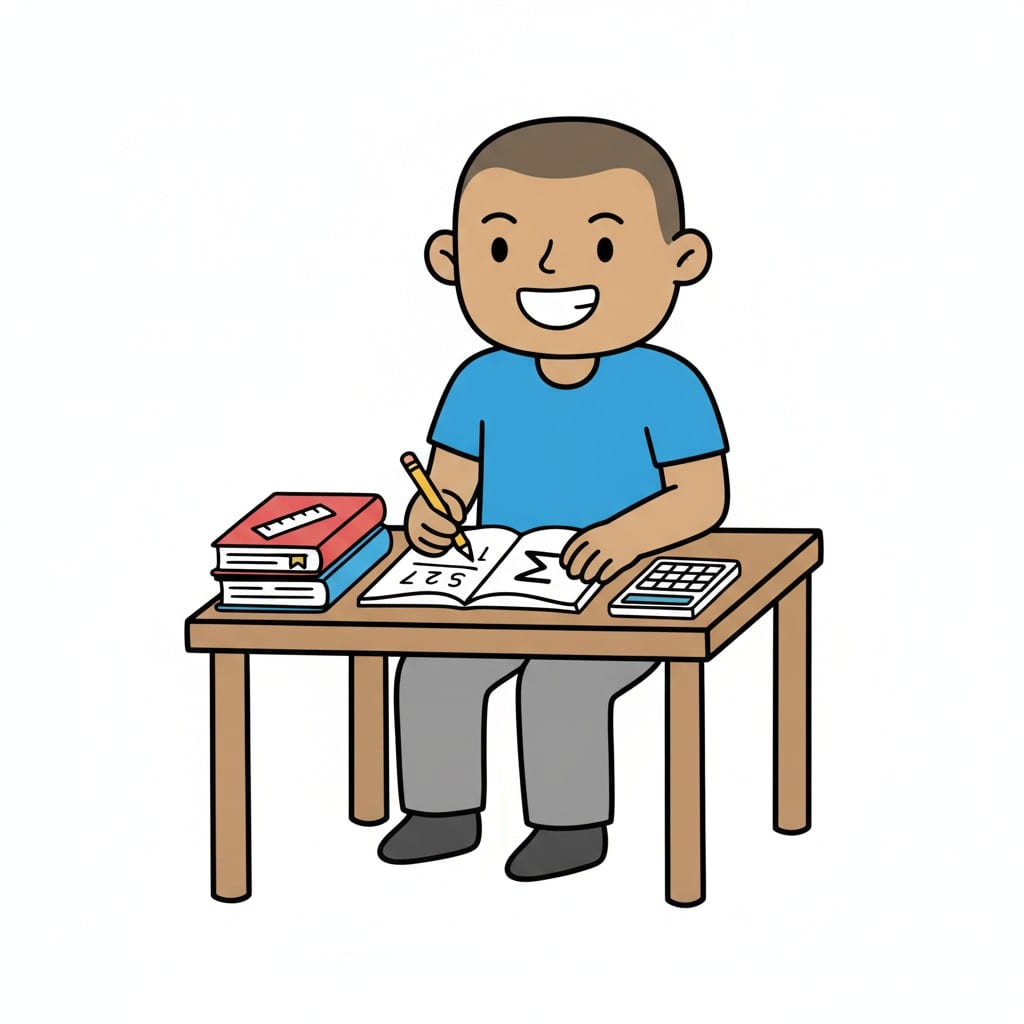 ♂
♂Doing maths
A happy boy writes in a maths book at a desk with books and a calculator.
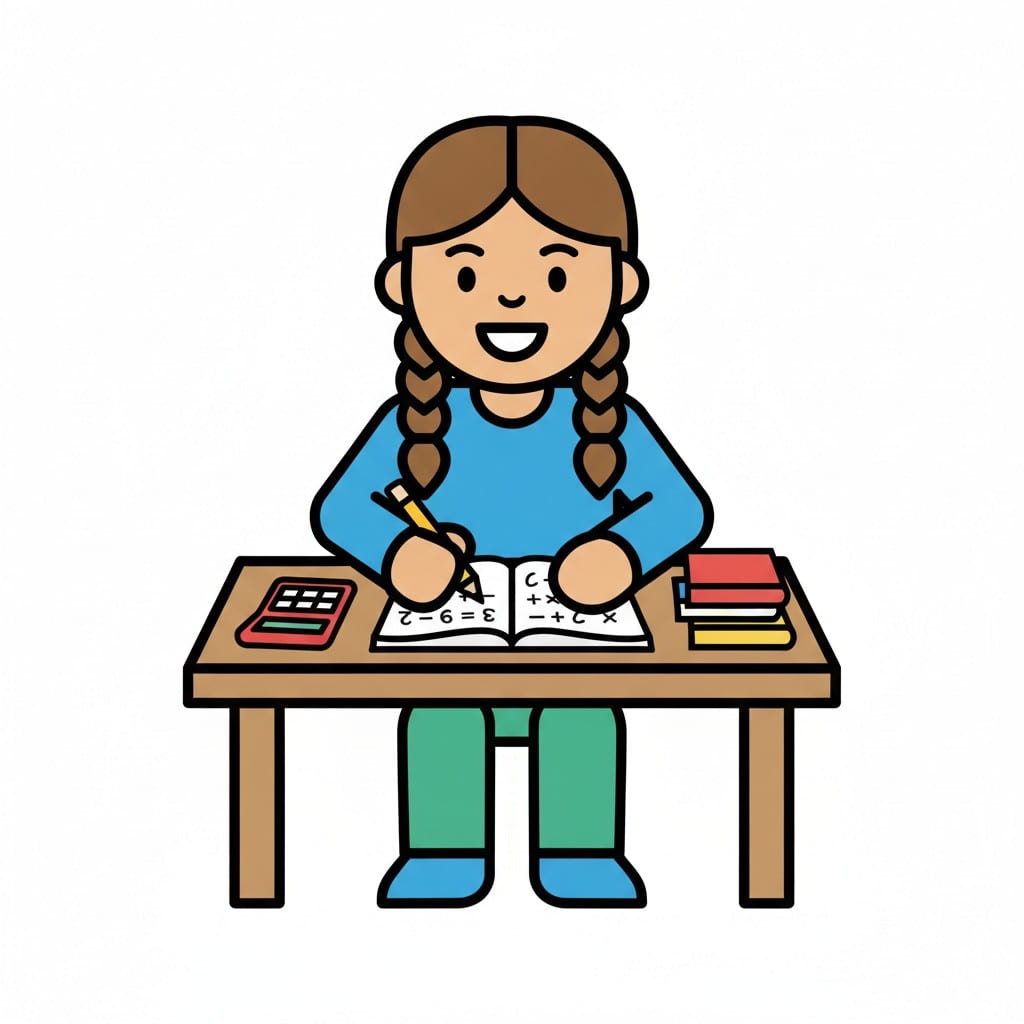 ♀
♀Girl doing maths
A girl with braids works on sums in a notebook with a calculator beside her.
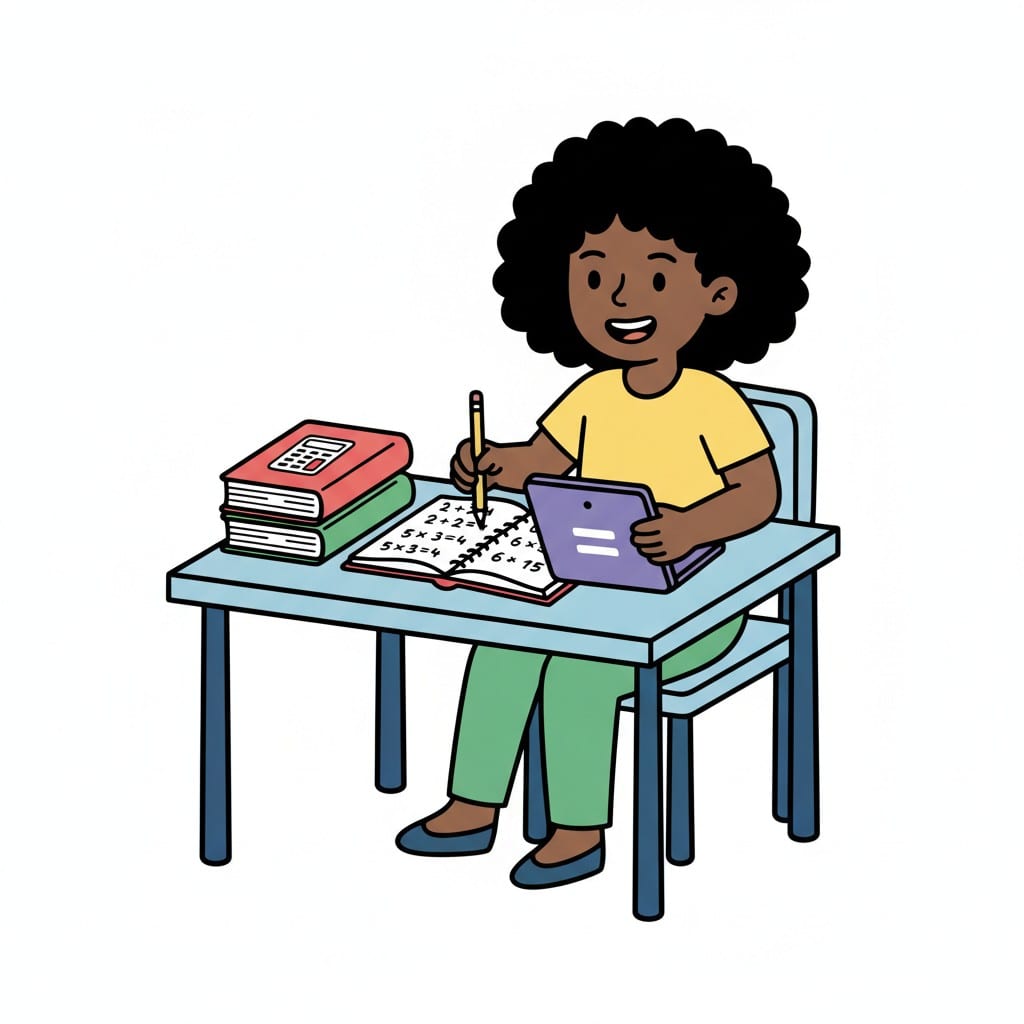 ♀
♀Maths homework with tablet
A girl writes sums in a notebook with a tablet and books on the desk.
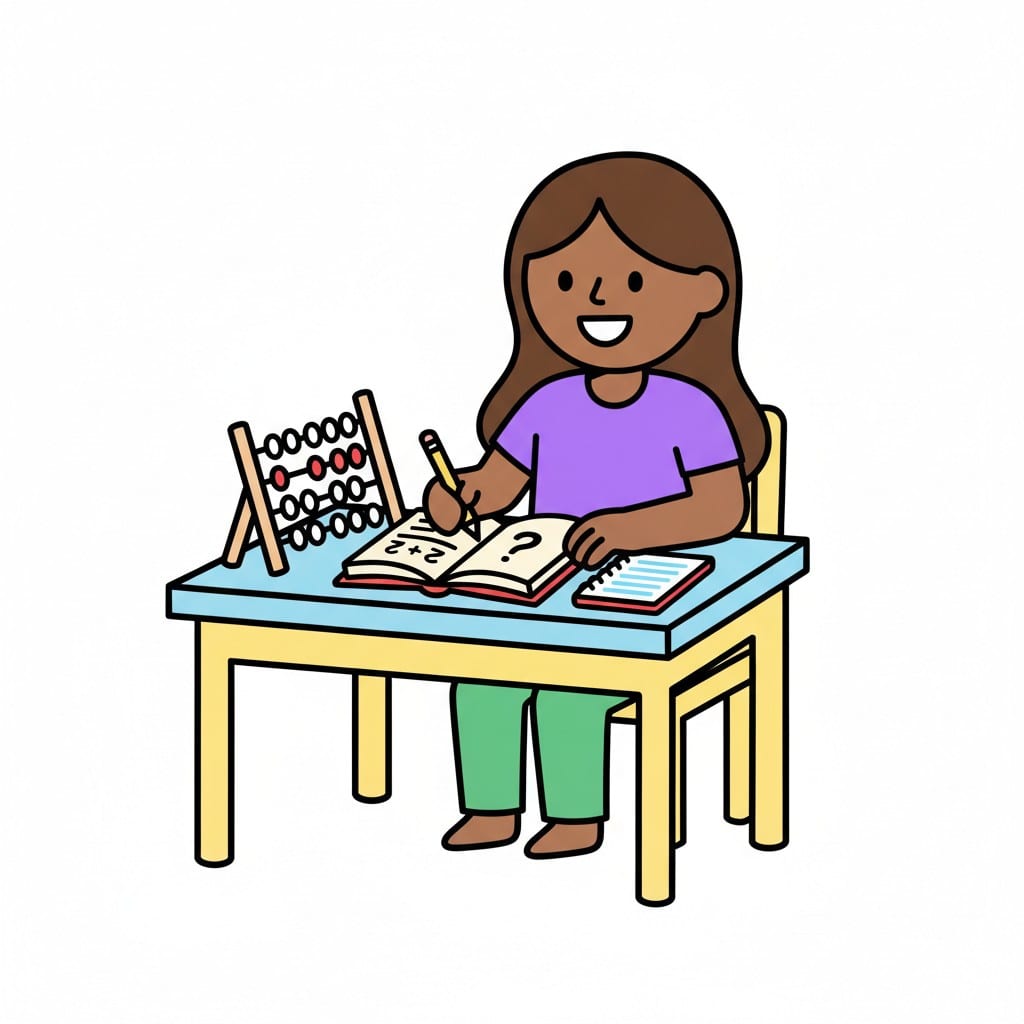 ♀
♀Maths homework with abacus
A girl writes in a notebook with an abacus beside her.
About this visual support
Homework has a problem that is not about mathematics. School comes with a structure that carries: lessons, breaks and a teacher who keeps order. At home none of that exists, and the child has to build the frame the school otherwise provides. That is a considerable effort before the first task has even been read, and it is invisible to most adults.
Visual support rebuilds the frame. Three pictures, get the sheet out, do five problems, put it away, give the work edges. A bounded task feels possible in a way that do your homework never does, and a child who can see the end usually makes it all the way there.
A concrete tip is to set a number of problems rather than a number of minutes. Five problems is the same amount regardless of the day, while twenty minutes can mean anything between two and fifteen. In Routined the homework slot can sit as a block with a timer, and the app can be tried for fourteen days at no cost.
Use this image in a schedule
Build your own visual schedule with this image and download it as a print-ready PDF. Completely free.
More similar visual supports
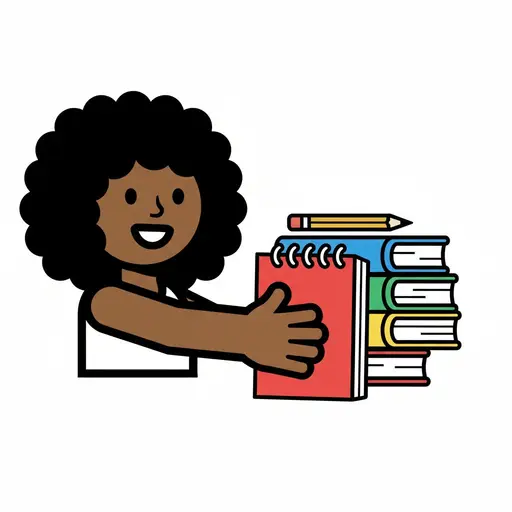
Get homework
A smiling girl hugs a notebook beside a stack of books and a pencil.
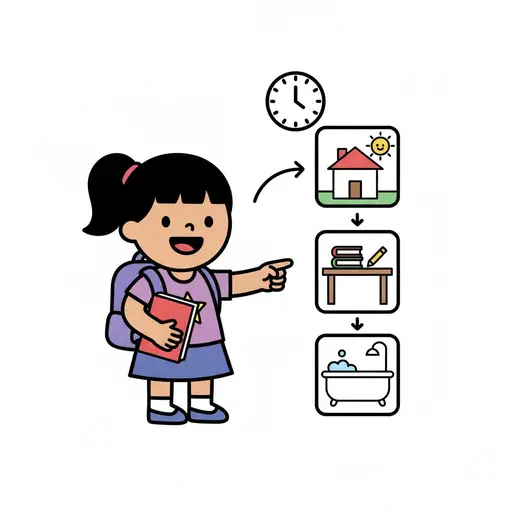
After School Routine
A girl with a backpack points at a schedule showing home, homework and bath afte...
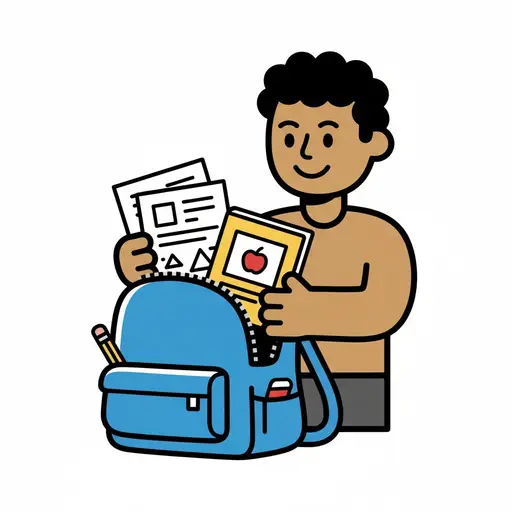
Pack homework
A smiling person is packing books and papers into an open blue backpack.
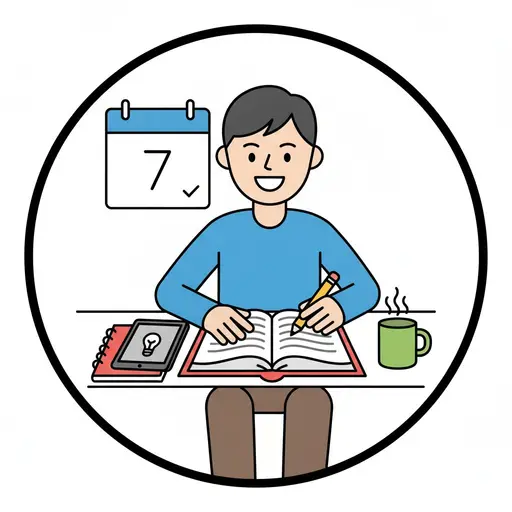
Study
A person sits at a desk writing in a book, with a calendar, a tablet and a mug b...
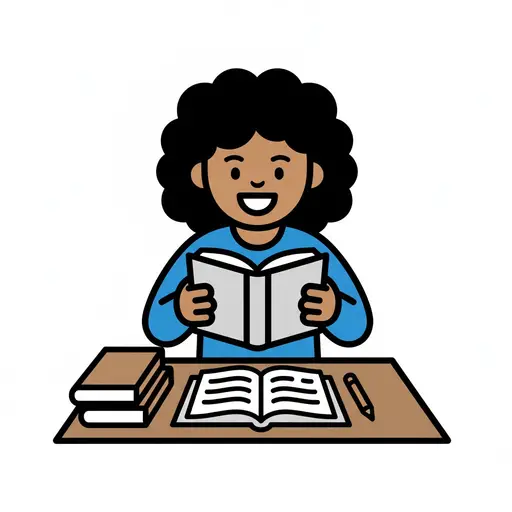
Do reading homework
A girl is sitting at a desk with an open book in her hands and an open notebook ...
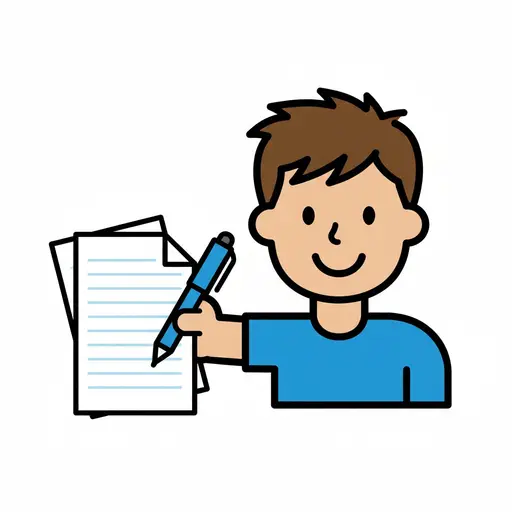
Grab pen and paper
A smiling boy holds a blue pen and some sheets of paper, ready to write.
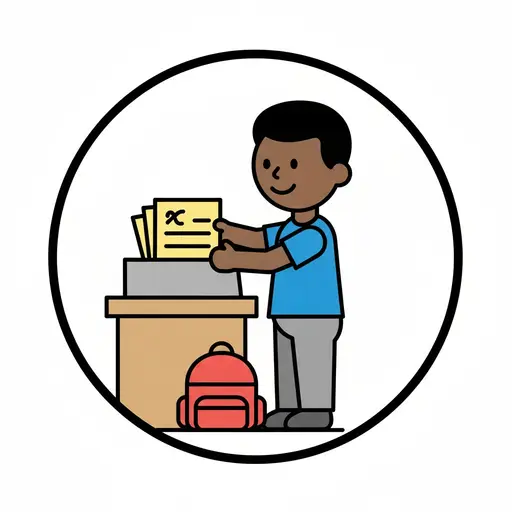
Hand in homework
A boy puts papers into a homework box with his backpack below.
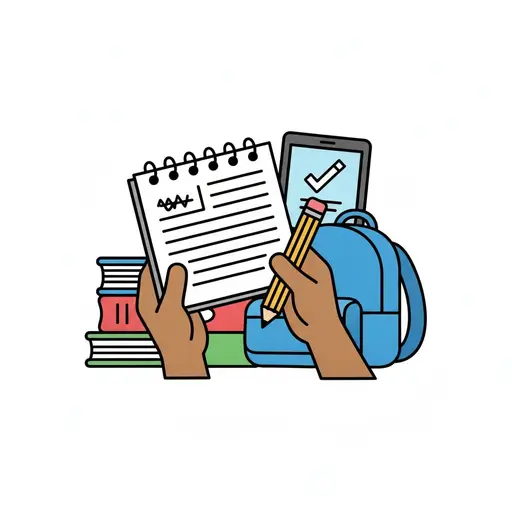
Homework
Hands hold a notepad and a pencil in front of books and a backpack.
This visual support in other languages
Take the visual supports with you
In Routined you build schedules from these pictures, add timers and voice instructions, and your child follows the day on their own.


* 14-day free trial, then $2.39 a month or $20.99 a year (US pricing). Cancel anytime.