School bag
Packing a school bag relies on a mental checklist that few children carry at seven in the morning. What day is it, what is needed, where are the items. The pictures below turn that list from guessed into visible.
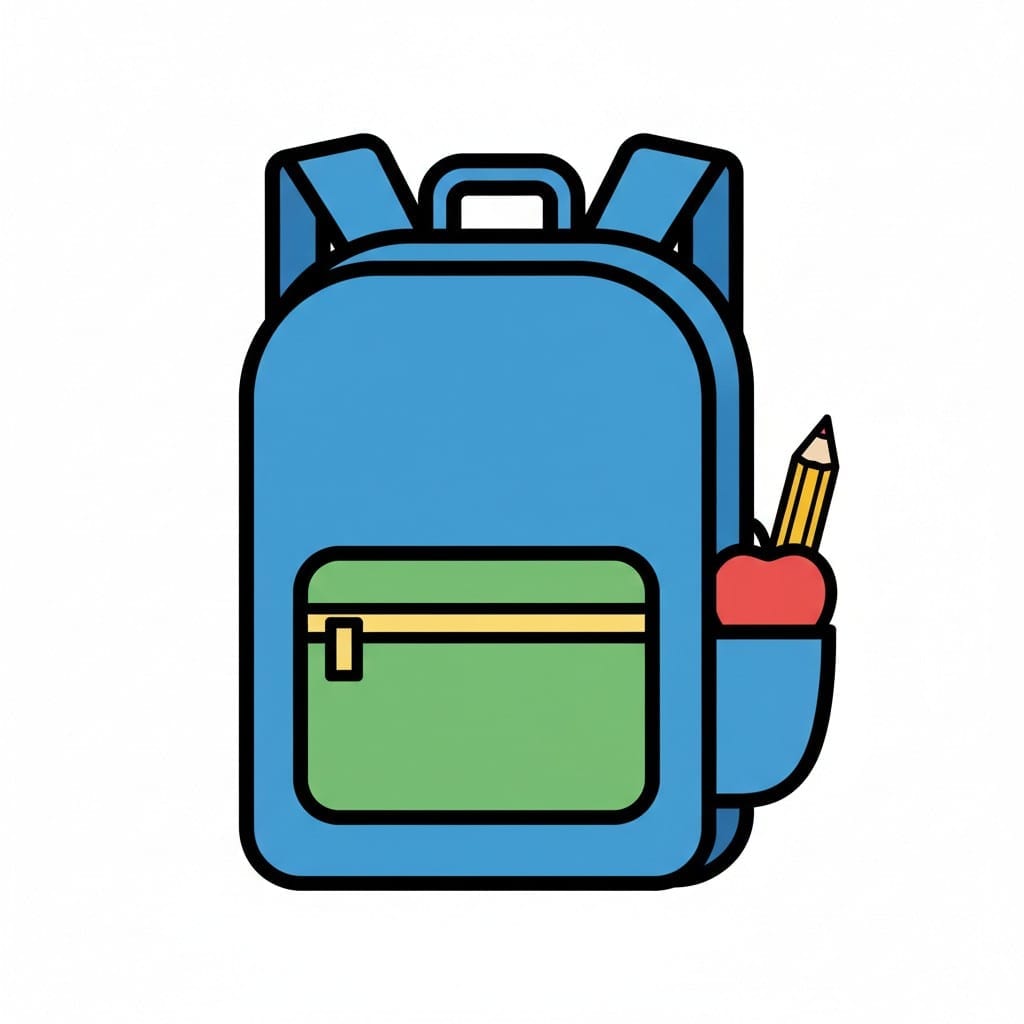
School bag
A blue school bag with a green pocket, a red apple, and a pencil on the side.
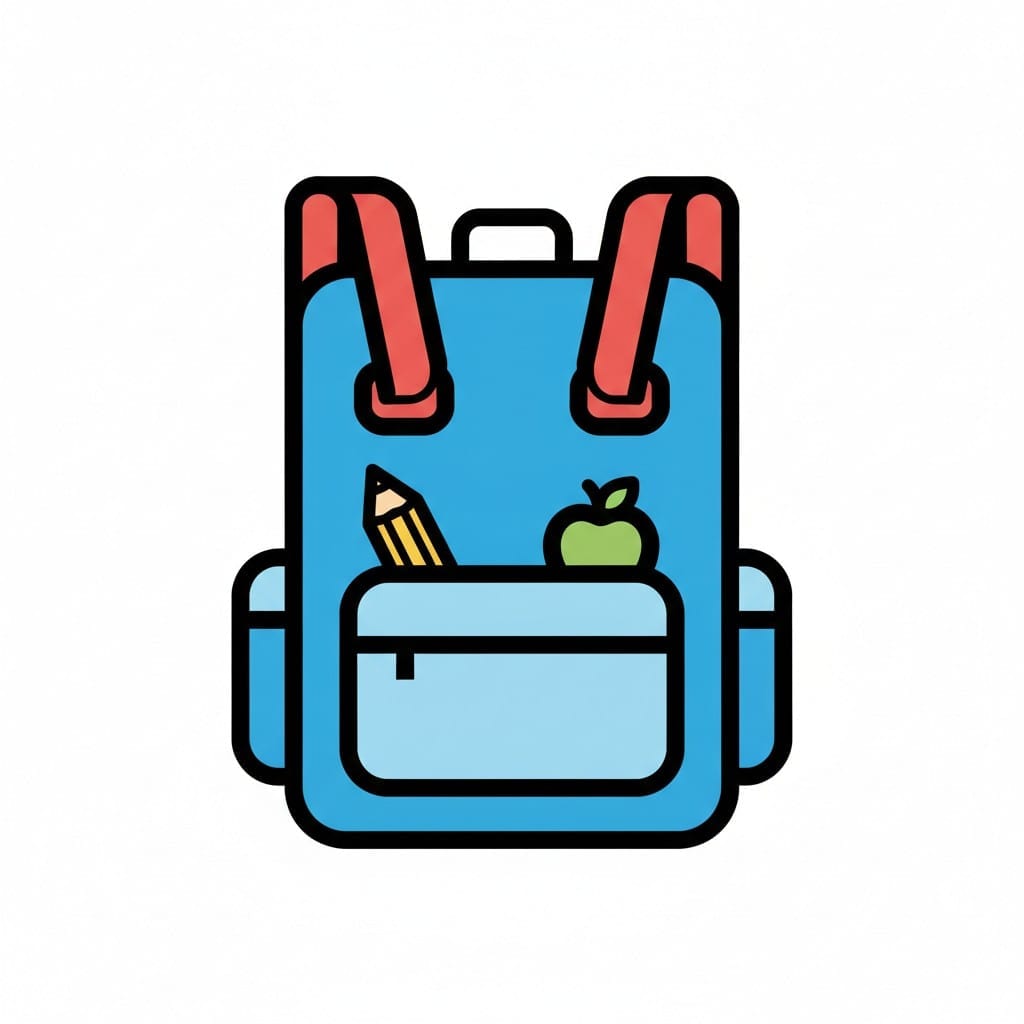
Blue backpack
A blue backpack with red straps, a light front pocket, and a pencil and green apple poking out.
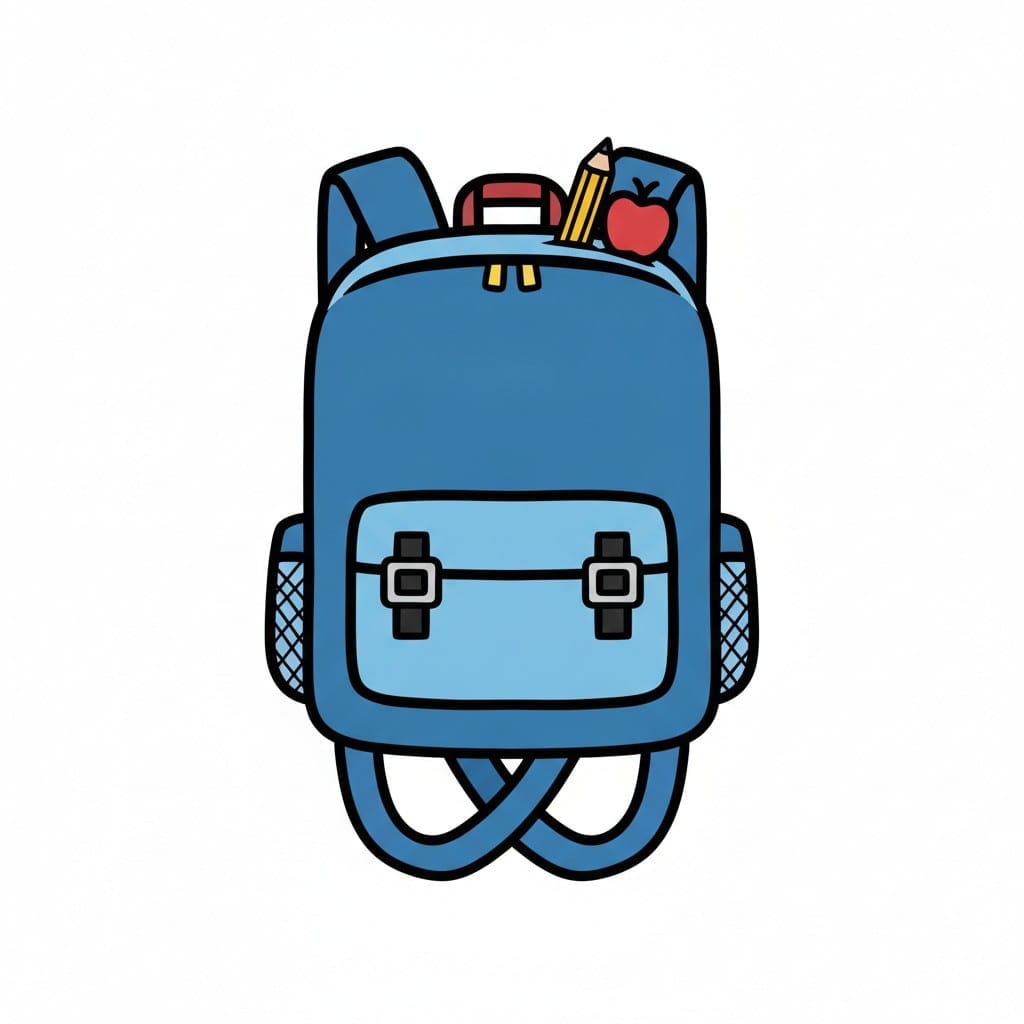
Blue backpack with a pencil and an apple
A blue backpack with buckles on the front pocket and a pencil and a red apple sticking out of the opening.
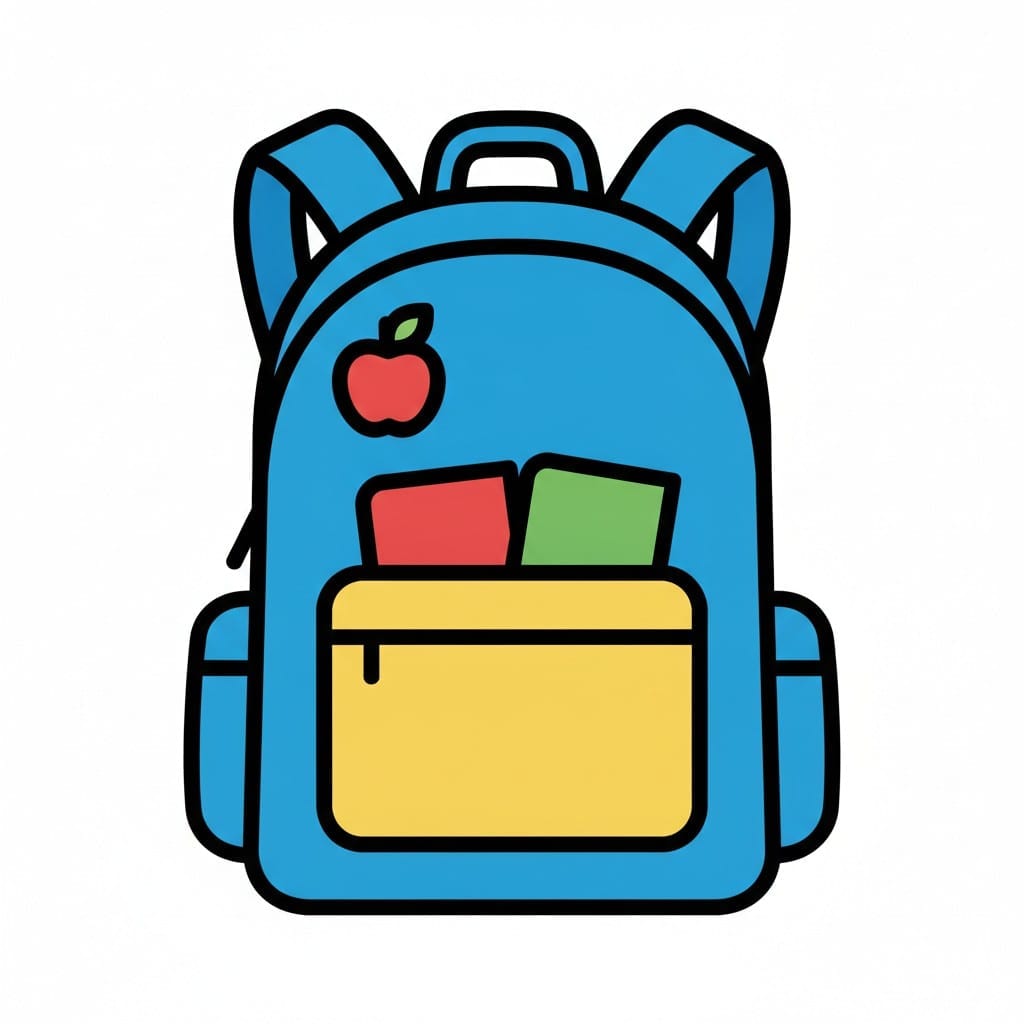
Blue backpack with books in the pocket
A blue backpack with a yellow front pocket holding a red and a green book, and a red apple printed on the front.
Blue backpack with a zip pocket
A blue backpack with two red studs at the top, a light blue front pocket with a yellow zip and a yellow buckle.
Blue backpack with a book symbol
A blue backpack with yellow straps, a red zip, an open book printed on the front and a green pocket with a red apple.
Pink backpack with a notebook
A pink backpack with zips and a side pocket holding a notepad, a pencil and a red apple.
Pink backpack with a yellow star
A pink backpack seen from the front with a carry handle, side pockets and a yellow star on the front pocket.
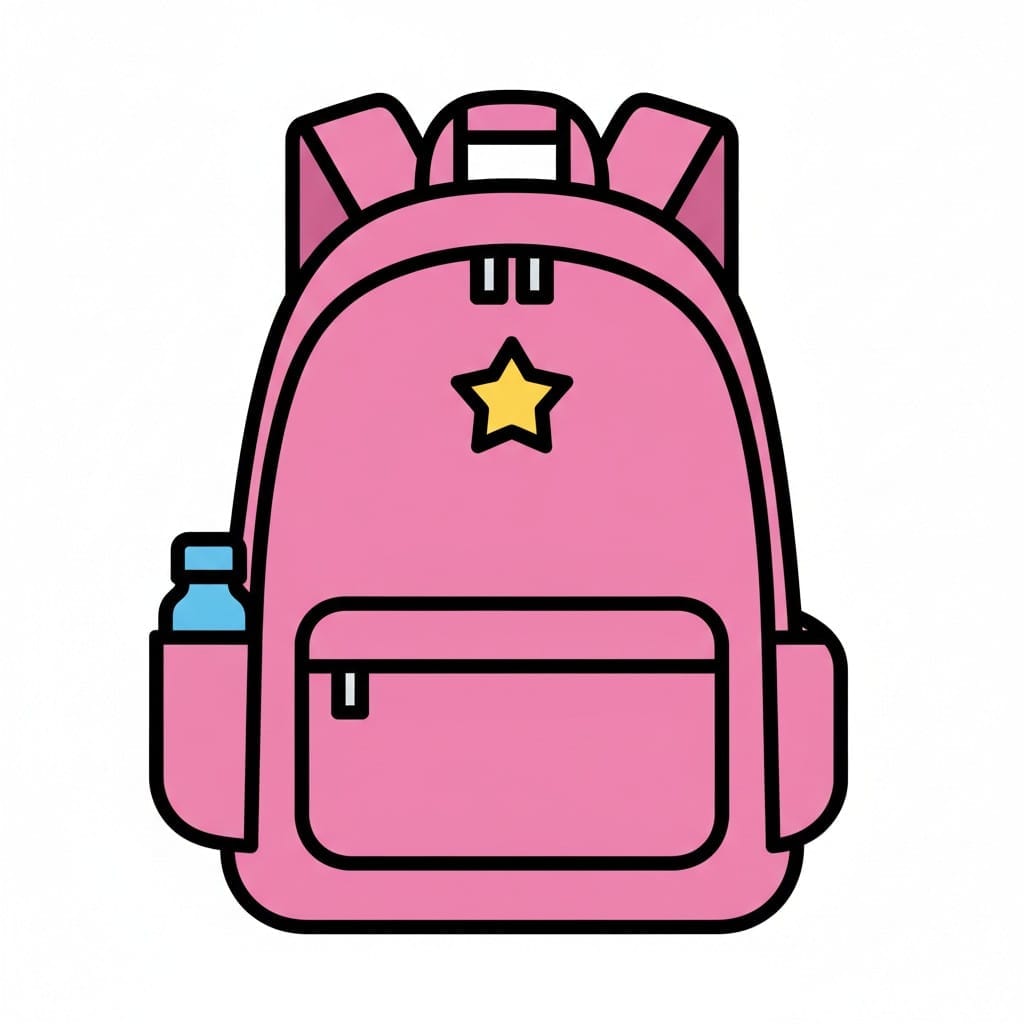
Pink backpack with a star and a bottle
A pink backpack with a yellow star on the front, a large front pocket and a blue water bottle in the side pocket.
About this visual support
A school bag looks simple – one compartment and two straps. But to pack it correctly the brain has to link day, timetable, items and where things live in the house, and that link is exactly what tends to break at half-awake in the morning. The result is forgotten PE kit, hungry afternoons and parents searching every drawer.
With a visual support where each item is its own picture – lunchbox, books, pencils, PE bag, sports shoes – the list moves out of the head and onto the kitchen table. The child can match the bag against the pictures instead of trying to hold everything in memory at once. It also becomes easier to spot what is missing, rather than carrying a vague worry that something is off.
A practical tip: pack the evening before with the cards, so the morning only has to close the bag. Leave the pictures visible afterwards and they double as a last quick check by the door. In the Routined app the packing can be tied to weekdays, so the PE bag pops up on the right day without anyone having to remember.
Use this image in a schedule
Build your own visual schedule with this image and download it as a print-ready PDF. Completely free.

More similar visual supports
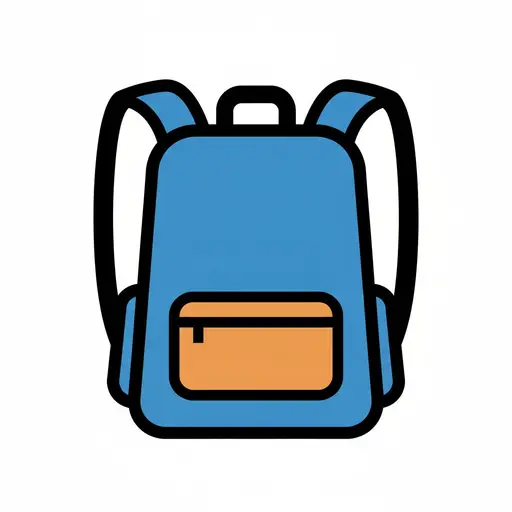
Backpack
A blue backpack with shoulder straps, a carry handle and an orange zip pocket on...
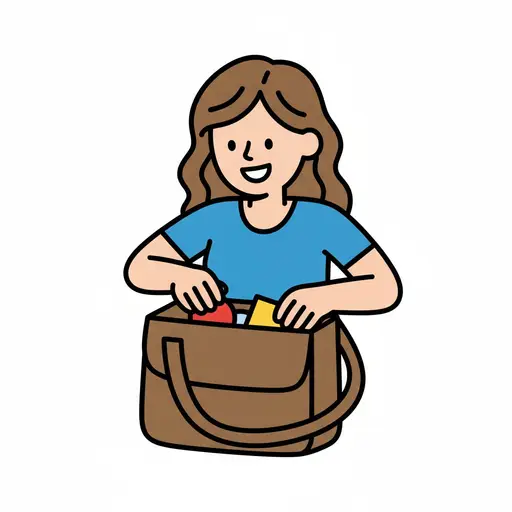
Check the bag
Person packing and checking the contents of a bag
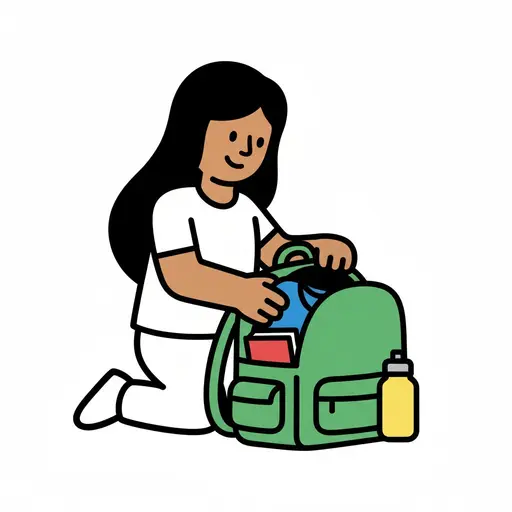
Pack backpack
A woman kneeling and packing a green backpack with various items.
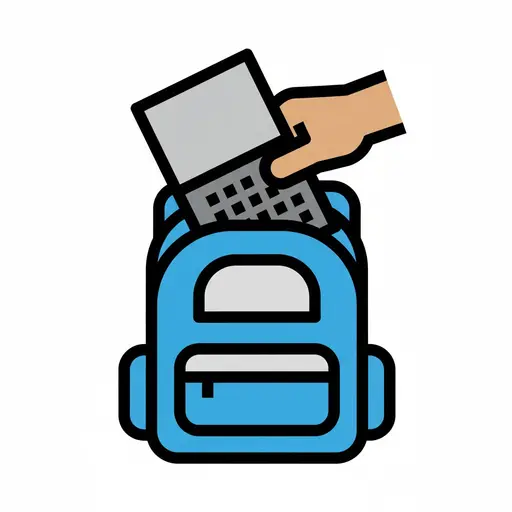
Pack computer
A hand places a computer into a blue backpack.
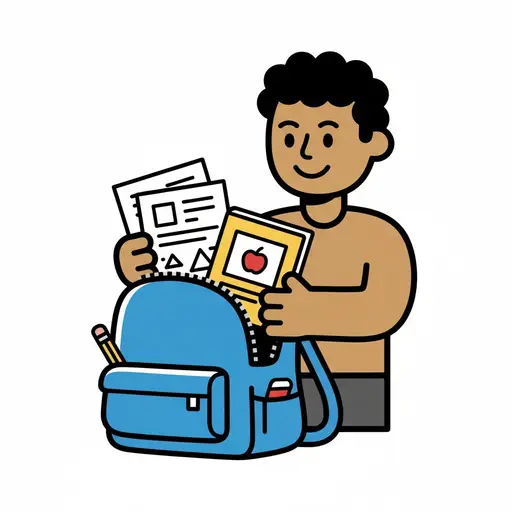
Pack homework
A smiling person is packing books and papers into an open blue backpack.
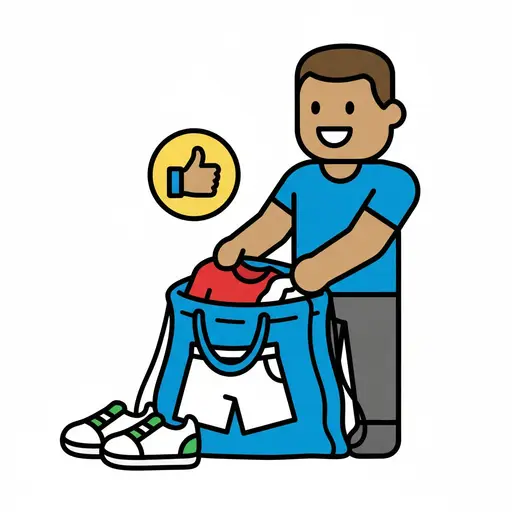
Pack the PE bag
A boy puts sports clothes into a blue bag with trainers standing next to it.
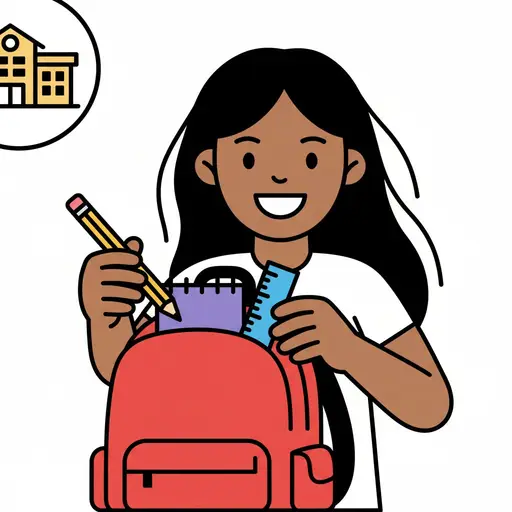
School prep
A girl is packing a red backpack with school supplies like a pencil and a ruler,...
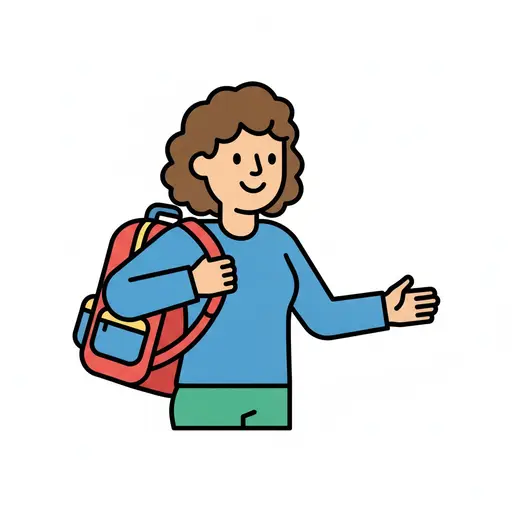
Take out backpack
A smiling person slips a red backpack off their shoulder and stretches out their...
Take the visual supports with you
In Routined you build schedules from these pictures, add timers and voice instructions, and your child follows the day on their own.


* 14-day free trial included for new users.