When Your Child Stays With Grandparents: Keeping Routines in Another Home
A few days at grandma’s is lovely — and often where the routine quietly collapses. Here’s how to keep enough structure in another home without micromanaging the grandparents.
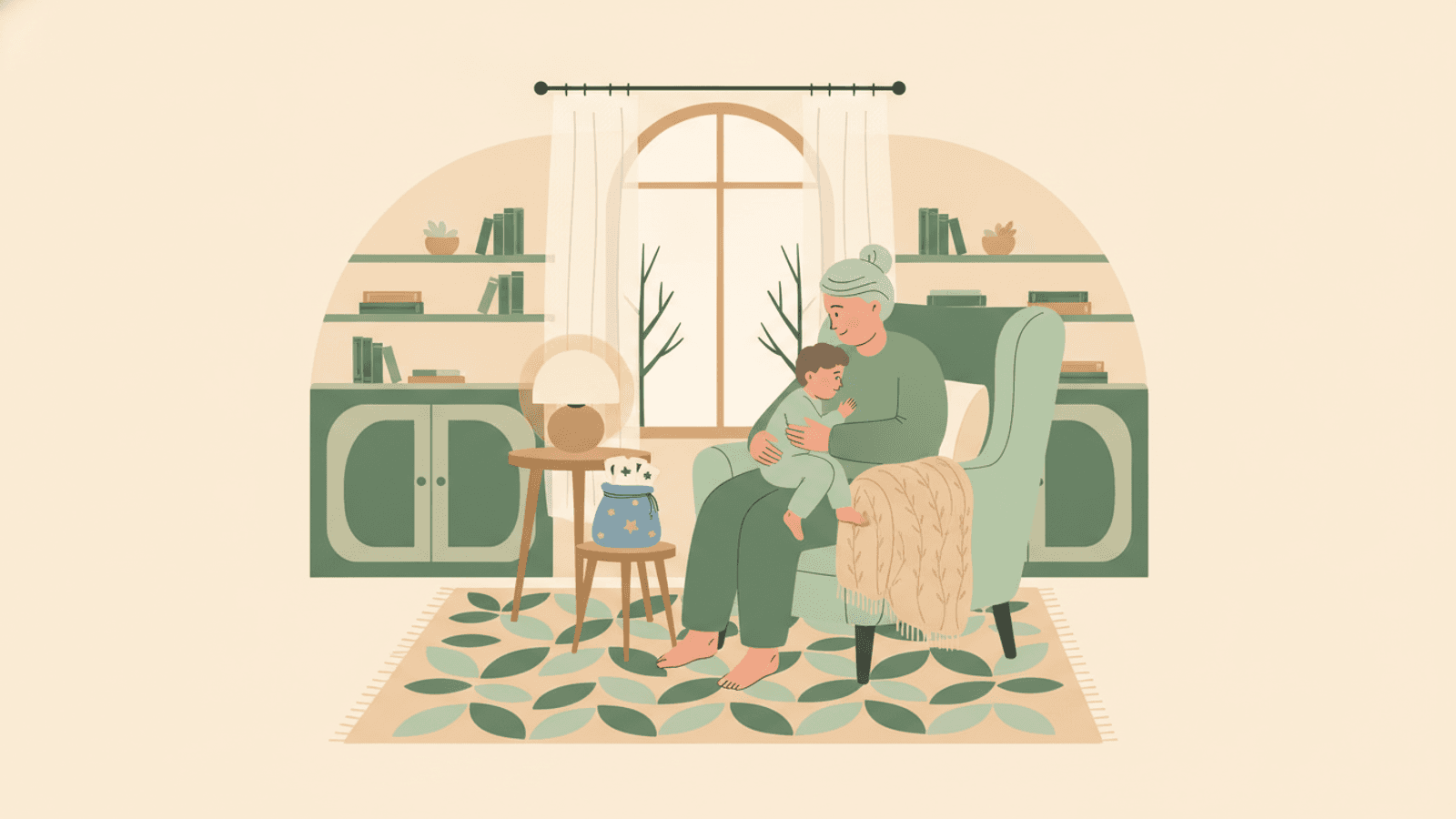
When your child spends time at their grandparents' house, maintaining familiar routines can feel like a daunting task, but it's entirely possible to create a smooth transition for everyone. The key lies in strategic preparation, clear but gentle communication, and focusing on a few core 'anchors' rather than trying to replicate your entire home schedule.
For many parents, the thought of their child's carefully constructed daily rhythm falling apart in another home can be a source of anxiety, especially when it comes to keeping consistent routines at grandparents house. Yet, with a little foresight and a lot of grace, you can help your child feel secure and loved, even when their regular schedule is a bit different. This is particularly true for children who thrive on predictability, like those with ADHD or autism, where even small shifts can feel monumental. This guide offers practical, empathetic advice to navigate those stays with confidence.
Why Another Home Breaks Routines
It’s a universal parenting experience: your child goes to stay with loving relatives, and suddenly, all your carefully cultivated routines seem to vanish. This isn't usually due to a lack of care or malicious intent on anyone's part; it’s simply a natural outcome of differing environments and expectations. Grandparents, by nature, often want to shower their grandchildren with love, attention, and often, a few extra treats or relaxed rules.
Consider the common culprits:
- Different Rules: What’s a firm 'no' at your house might be a 'sometimes' at Grandma's. This could range from screen time limits and bedtime curfews to sugar intake or even table manners.
- Treats and Indulgences: Grandparents often see their role as providing joy and perhaps a little spoiling. This can mean extra sweets, staying up later for a special movie, or endless playtime without much structure.
- Lack of Structure: Your home might have a predictable rhythm for meals, playtime, quiet time, and bedtime. Another home, especially one without young children, might have a much looser schedule, or none at all, which can be disorienting for kids.
- New Environment: Sleeping in a different bed, in an unfamiliar room, with different sounds and light, can disrupt sleep patterns regardless of rules. New toys and activities, while exciting, can also lead to overstimulation.
For neurotypical children, these changes can be exciting but also lead to meltdowns or boundary-testing upon return. For children with ADHD or autism, who rely heavily on predictability and consistent sensory input, these shifts can be profoundly unsettling, leading to increased anxiety, sensory overload, and emotional dysregulation. Understanding these underlying reasons helps us approach the situation with empathy and practical strategies, rather than frustration.
Pack the Anchors, Not the Whole Schedule
Trying to replicate your entire home schedule at the grandparents' house is often unrealistic and can create stress for everyone. Instead, identify the key 'anchors' – the 2-3 most crucial elements of your child's routine that provide comfort, security, and regulate their day. These are the non-negotiables that truly support your child's well-being, especially sleep.
Here's what to focus on:
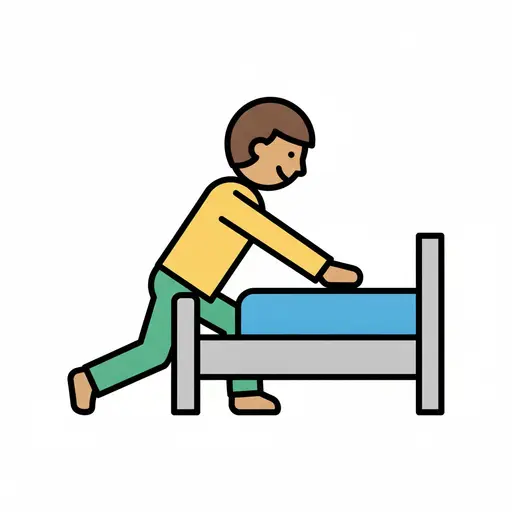
- The Bedtime Sequence: This is perhaps the most important routine to maintain, even if the actual bedtime hour shifts a little. The *sequence* of events is what signals to your child's brain and body that sleep is coming. If your child typically has a bath, then a story, then a lullaby before bed, try to keep that order. Pack their favorite pajamas, a specific storybook, and maybe even a special bath toy if it’s part of the ritual.
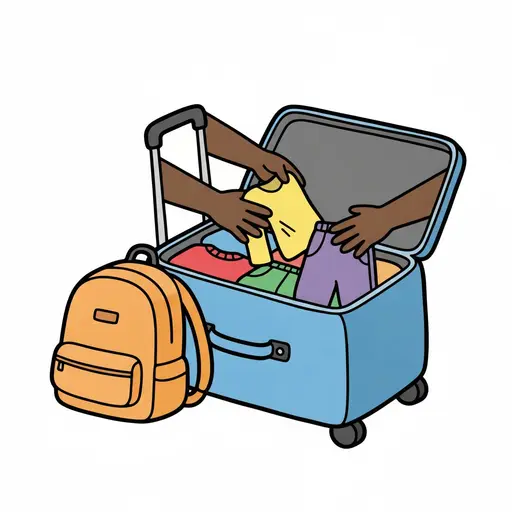
- Comfort Items: These are your child's security blankets in a new environment. Pack their favorite lovey, a specific blanket, their own pillow if they're particular, a special nightlight, or even their toothbrush and toothpaste. Familiar scents and textures can provide immense comfort and reduce anxiety in an unfamiliar bed.
- A Simple Written or Visual Routine: For children who thrive on visual cues – and this applies to many kids, not just those with ADHD or autism – a small, portable visual schedule can be a game-changer. This doesn't need to be elaborate. A few laminated pictures or simple drawings depicting key moments (e.g., 'Wake Up,' 'Breakfast,' 'Playtime,' 'Lunch,' 'Quiet Time,' 'Dinner,' 'Bedtime Routine,' 'Sleep') can help your child understand what’s coming next. This reduces uncertainty and gives them a sense of control in a new setting, allowing them to participate in their day.
By focusing on these anchors, you create a familiar framework within a new environment, giving your child a sense of predictability without demanding a rigid schedule from your relatives.
Brief the Grandparents Kindly
Approaching grandparents about routines requires diplomacy, appreciation, and a focus on collaboration. Remember, they love your child deeply and want to help, but they might not fully grasp the impact of routine changes, especially for a child who needs more predictability. Frame your requests around what helps your child feel happy and secure, rather than what makes *your* life easier.
Start by expressing gratitude for their willingness to care for your child. Then, gently introduce 2-3 *most important* routine elements. For example, instead of saying, 'You can't let him have sweets,' try, 'We've noticed Liam sleeps so much better if he has a calm, sugar-free evening before his bedtime story. We'd be so grateful if you could help us with that.' Be specific about *why* it matters to your child's well-being.
Prioritize needs like medication schedules, specific sleep triggers (e.g., 'She really needs her special blanket to fall asleep'), or a quiet wind-down period before bed. If your child has specific sensory needs or triggers, share these gently. For example, 'Mia sometimes gets overwhelmed by loud noises, so a quiet corner for reading helps her recharge.' This helps grandparents understand and support your child effectively.
Crucially, be prepared to let the rest go. Grandparents derive immense joy from spoiling their grandchildren, and that connection is incredibly valuable. If they want to give extra treats, let them have a bit more screen time, or stay up a little later for a special activity, try to embrace it as part of the unique grandparent experience. Pick your battles wisely, focusing only on the routines that are truly essential for your child’s emotional and physical well-being. A relaxed parent often leads to a more relaxed child.
For Kids Who Need Predictability
For children who thrive on predictability, particularly those with ADHD or autism, preparing them for a stay at the grandparents' house goes beyond just packing items. It involves proactive communication and visual aids to help them mentally prepare for the shift.
Consider these strategies:
- Visual Familiarity: Show them photos or even a short video of the grandparents' house, especially the room where they’ll be sleeping. Point out where their 'anchors' (like their special blanket or nightlight) will go. This helps reduce the anxiety of the unknown.
- Talk it Through: Have several conversations in the days leading up to the stay. Describe what they can expect: 'First, you'll play with Grandma, then have dinner, then your story with Grandpa, and then sleep in the blue room.' Use simple, concrete language. For some children, drawing a simple comic strip of their visit can be helpful.
- A Pre-Visit (if possible): If geographically feasible, a short visit to the grandparents' house beforehand can be incredibly beneficial. Even an hour to play and get comfortable in the space can make a huge difference in easing anxiety on the actual stay.
- Introduce Grandparents' Routines: Talk about specific things grandparents do. 'Grandpa always makes special pancakes for breakfast!' or 'Grandma loves to read picture books with you.' Highlighting these unique, positive experiences can help kids look forward to the stay.
By front-loading this information, you empower your child with knowledge, helping them navigate the transition with greater confidence and less emotional distress.
Reset Gently When They Come Home
After a delightful (and perhaps slightly wild) stay at the grandparents' house, anticipate a period of re-entry. It's completely normal for children to exhibit some 'wild' behavior, test boundaries, or have bigger emotions when they return to their own home. They've likely been a bit overstimulated, had less structure, and are now adjusting back to *your* rules and rhythms. This isn't a reflection of bad parenting or bad grandparenting; it's just the natural process of transitioning between environments.
The key is to reset gently, not rigidly. Immediately re-establish your core home routines, but do so with extra patience and empathy. Your child might need more cuddles, more quiet time, or just more understanding. Avoid harsh reprimands for behaviors that might have been permissible at the grandparents' house. Instead, calmly redirect and remind them of your home's expectations.
Focus on connection. Spend quality time together, engage in calm, familiar activities, and ensure they get plenty of rest. Good sleep is often the first thing to suffer and the first thing to restore. It might take a day or two, or even a few more for children with higher needs, for them to fully settle back into their home routine. Give extra grace during this period, for both your child and yourself. Reassure them that it’s okay to miss Grandma and Grandpa, and that it’s also good to be back home.
Ultimately, fostering strong family bonds through grandparent visits is incredibly enriching for children. By being prepared, communicating kindly, and focusing on the true anchors of comfort and predictability, you can make these cherished times smoother for everyone involved, ensuring your child feels loved and secure, no matter where they lay their head.
Read more
Frequently asked questions
How do I ask grandparents to follow my child’s routine without offending them?
Focus on your child's well-being and needs when discussing routines with grandparents. Frame requests around what helps your child feel secure or sleep better, emphasizing gratitude for their care. Pick just 2-3 crucial things, like a consistent bedtime sequence or medication times, and politely explain the positive impact on your child.
My child is wild after staying with grandparents — is that normal?
Yes, it's very normal for children to be extra wild or emotional after staying with grandparents. The change in environment, excitement, relaxed rules, and even missing you can lead to overstimulation and boundary-testing. Be patient, offer extra comfort, and gently re-establish your home's routines.
What should I pack to keep a routine at someone else’s house?
Pack 'anchor' items that provide comfort and continuity. This includes familiar sleep aids like a favorite blanket, lovey, or nightlight, their specific toothbrush, and perhaps a cherished storybook. For children who benefit from visual cues, a small, simple visual schedule for key moments can also be very helpful.
Should I relax the rules when my child is with relatives?
It's generally helpful to relax *some* rules to allow grandparents the joy of spoiling a bit, which fosters connection. However, hold firm on 2-3 non-negotiable routines vital for your child's well-being, such as medication schedules, a consistent bedtime sequence, or critical safety rules. Prioritize these essentials and be flexible with the rest.
How do I prepare an anxious child for staying somewhere new?
Talk about the upcoming stay often and positively, showing them photos of the house and the people they'll be with. Discuss the fun activities they'll do, and walk them through a simple, visual sequence of events for their stay. A brief pre-visit can also significantly ease anxiety by familiarizing them with the new environment.