Traveling With Kids This Summer: How to Keep Calm and a Little Structure on Holiday
A holiday removes every routine at once — new beds, new food, long travel days, no schedule. For kids who rely on predictability, that's a recipe for meltdowns. Here's how to keep just enough structure to stay calm, without turning the trip into another school week.
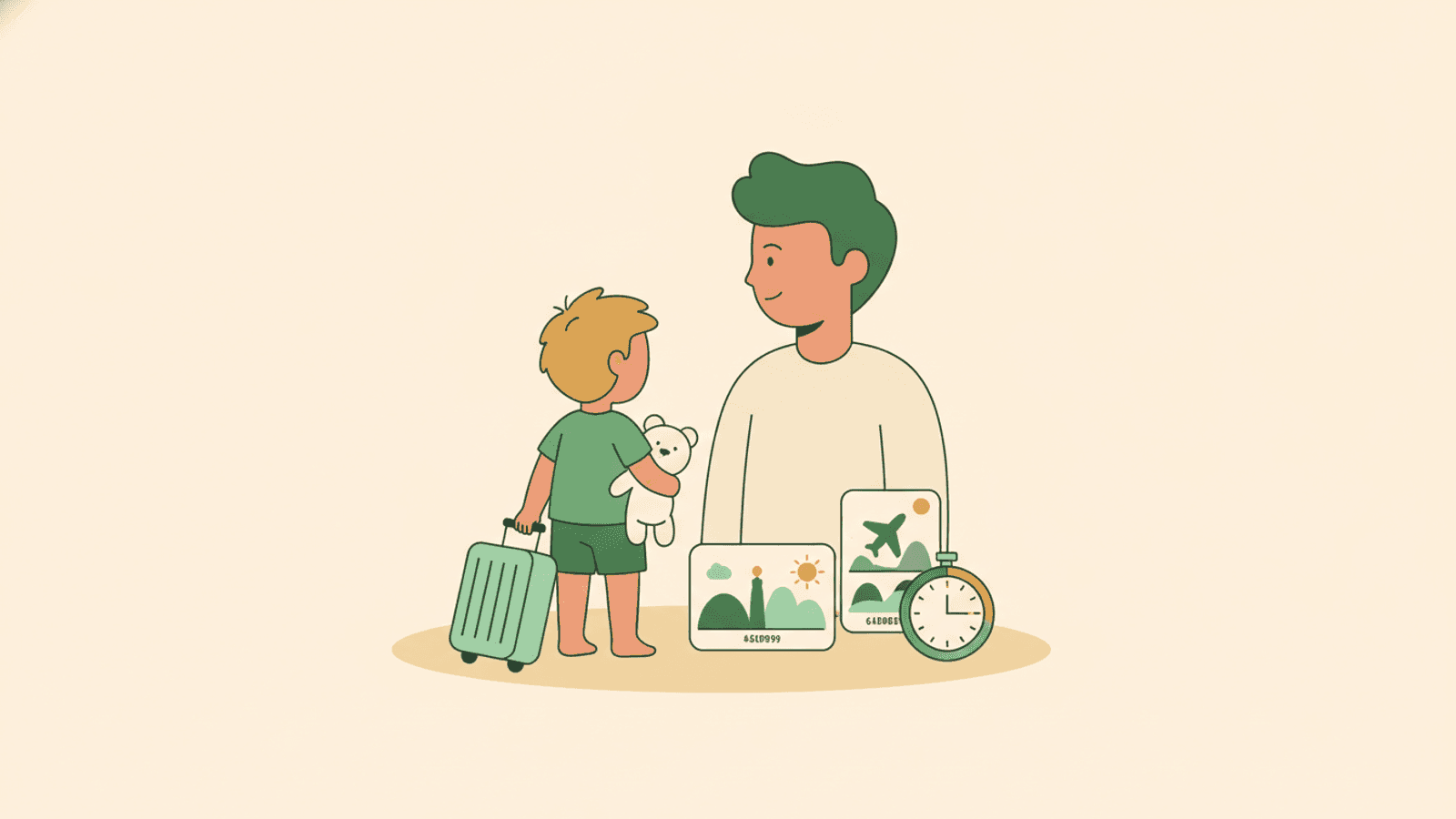
Summer is supposed to be the easy part of the year. No alarms, no packed lunches, no rushing out the door. And yet, for many families, the holiday is when things fall apart the most — the cabin trip ends in tears, the flight is a disaster, and bedtime in a rented apartment becomes a two-hour negotiation.
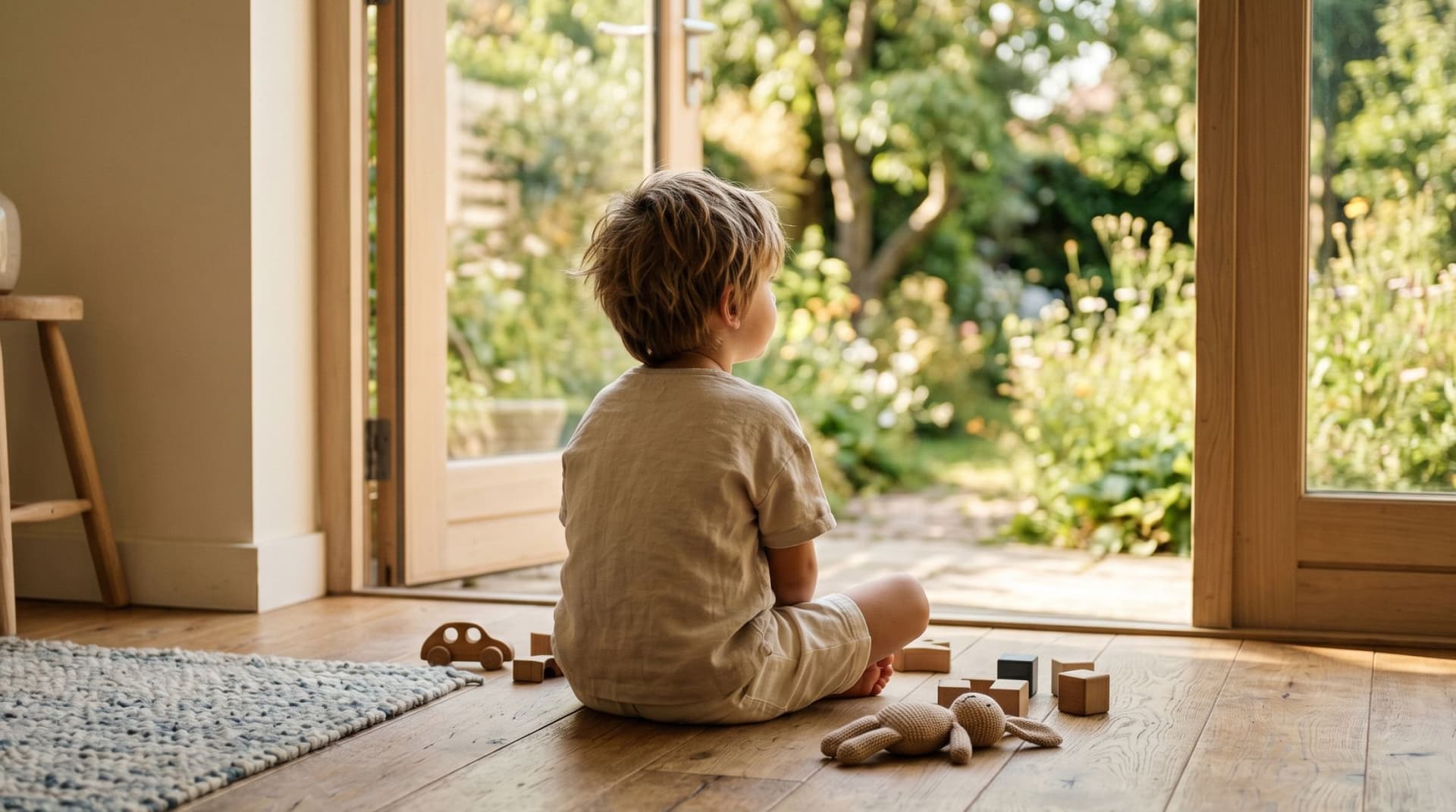
It's not bad luck, and it's not your child being difficult. A holiday quietly removes almost every source of structure at once — familiar bed, familiar food, familiar rhythm — and replaces it with novelty. For most adults that's relaxing. For a child who depends on predictability, and especially for children with ADHD or autism, it can be overwhelming.
The good news: you don't have to choose between a rigid schedule and total chaos. A few small anchors are usually enough.
Why holidays are harder than they look
A normal day has invisible scaffolding. Your child wakes in the same room, eats roughly the same breakfast, and moves through a sequence their body already knows. On holiday, all of that disappears in a single day. Three things tend to overload children at once:
- Lost structure — the predictable order of the day is gone, so the brain has to actively work out "what happens next?" every few minutes. That is exhausting.
- New environments — a new bedroom, new bathroom, unfamiliar sounds and smells. For a sensory-sensitive child, a strange place isn't neutral; it's a constant low-level alert.
- Long transitions — a travel day is basically one giant transition: waiting, boarding, waiting again, arriving somewhere unknown. Transitions are exactly what neurodivergent children find hardest.
When you see resistance or a meltdown on holiday, it's usually one of these three — not defiance.
Keep a few anchors, drop the rest
You don't need to recreate the whole school-week schedule on holiday — in fact, you shouldn't. The point of a break is that it feels different. The trick is to keep two or three anchor routines that hold the day together, and let everything in between stay loose. The three that do the most work:
- A morning anchor. Even a tiny one — wake up, toilet, get dressed, eat something — tells the body "the day has started" in a recognisable way, no matter what room you woke up in.
- A mealtime rhythm. Keeping meals roughly on time prevents the hunger-driven meltdowns that get blamed on "being tired."
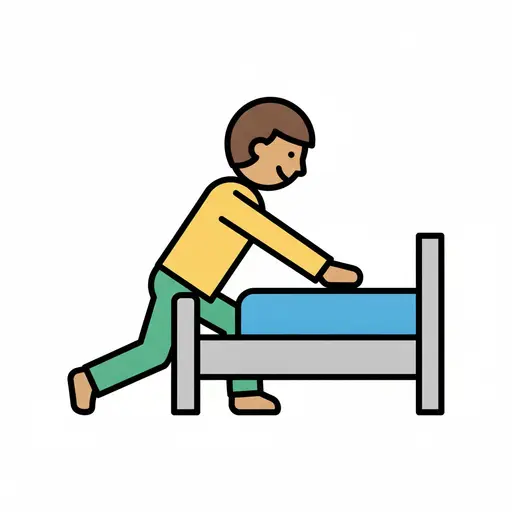
- A bedtime routine. Protect this one most fiercely. The same short sequence — brush teeth, pyjamas, story, lights out — signals sleep even in a strange bed.
Everything else — when you go to the beach, how long the museum lasts, whether there's an afternoon nap — can flex freely. Anchors at the edges of the day, freedom in the middle.
Make the routine portable
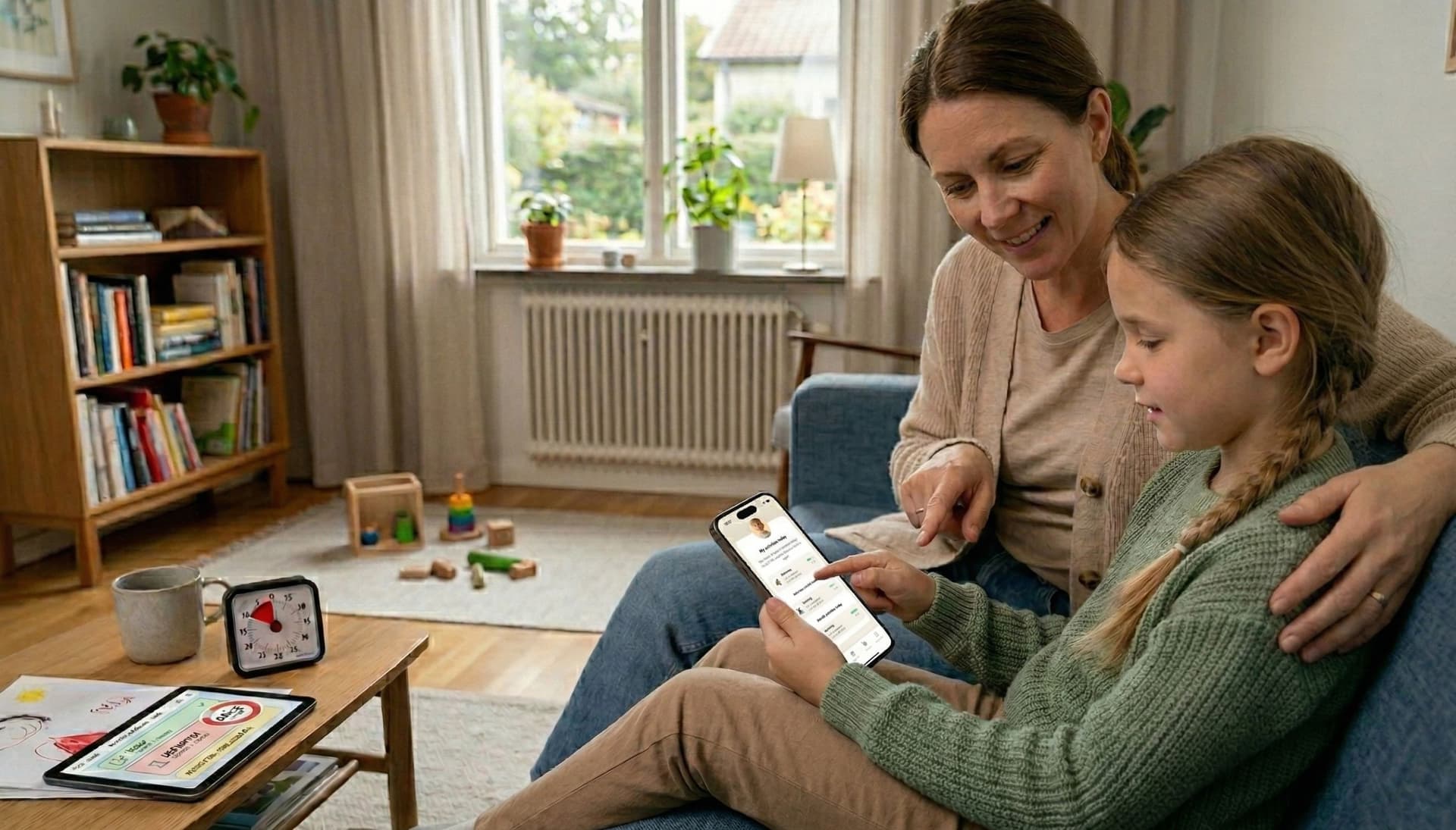
This is where a visual routine helps even more on holiday than at home. A child who can see their morning steps doesn't need the familiar bedroom to remember them — the sequence travels with them on the phone or tablet. In Routined you keep the same morning and bedtime routines with their pictures, your own photos, or AI-generated images, so the routine looks identical whether you're at home or in a tent. You can even record a short voice cue on a step, which is reassuring for a younger child in an unfamiliar room.
Prepare your child for the new place
Most holiday anxiety comes from the unknown. The single most effective thing you can do is make the trip less of a surprise before it happens.
- Show, don't just tell. Look at photos of the destination, the hotel, the cabin, the airport. A child who has "visited" the place on a screen first arrives somewhere that already feels a little familiar.
- Walk through the travel day in advance. Talk through the order: car, train, wait, train again, walk to the apartment. Knowing the sequence shrinks the anxiety of a long transition.
- Add the big moments to a calendar. Departure day, the flight, the day you come home. Many children calm down considerably when a scary or exciting event is visible on a specific date instead of looming vaguely. In Routined you can add these one-off events with a reminder and mark them visible to the child.
A few minutes of preparation buys hours of calm later.
Surviving the travel day itself
Travel days are their own challenge, because they're almost all waiting and transitions. A few things help:
- Make waiting concrete. "We'll be there soon" means nothing to a child who can't feel time. A visual countdown — a timer that visibly shrinks — turns abstract waiting into something they can watch and tolerate.
- Pack a small bag of known comforts. Familiar snacks, a favourite soft toy, headphones for sensory overload. On holiday these aren't spoiling — they're regulation tools.
- Lower your own bar. Extra screen time on a six-hour drive is not a parenting failure. Pick the battles that matter and let the rest go.
Pack with your child, not for them
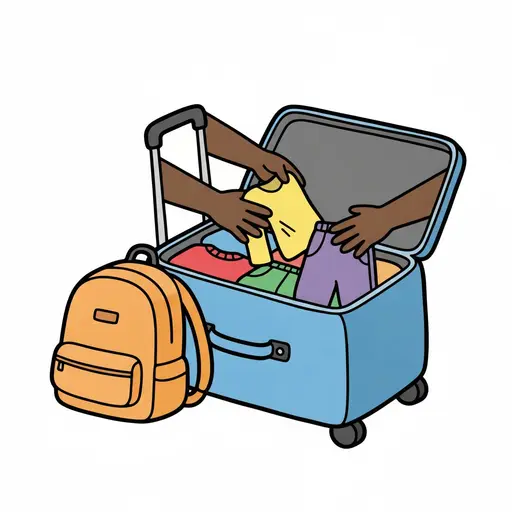
Packing is a great low-stakes way to give an anxious child some control. Build a simple packing checklist together and let them tick off their own things. It turns a stressful unknown — "are we forgetting something?" — into a concrete, finishable task, and a child who packed their own bag feels like a participant in the trip rather than a passenger being dragged along.
Protect the balance between structure and freedom
It's easy to over-correct in either direction. Too rigid, and the holiday stops feeling like a holiday for everyone. Too loose, and the days dissolve into overtired meltdowns by mid-afternoon. Aim for structured edges and a free middle: predictable mornings and bedtimes, with genuinely unstructured time in between.
And give the new routine a little grace. The first day or two in a new place is almost always bumpy, the same way the first week of any new routine is — that's not a sign it isn't working, it's just the adjustment. When you get home, expect a few rocky days as the normal rhythm clicks back into place, and ease back in gently rather than snapping straight to full structure on day one.
Read more
Three more guides that pair well with travelling and keeping summer calm.
- Summer break without routines? How to avoid the July meltdown — why kids fall apart without structure, and the three-anchor fix.
- 4 evening routines that save your morning — the biggest lever for a calm day is the evening before.
- How to manage screen time without the power struggle — build screen time into the routine instead of negotiating it.
Frequently asked questions
Should we keep the exact same schedule on holiday?
No — and you shouldn't try to. Keep two or three anchor routines (morning, meals, bedtime) and let the rest of the day flex. The anchors give your child enough predictability to stay regulated; the freedom is what makes it a holiday.
My child is fine all day and falls apart at bedtime. Why?
Holding it together in a stimulating new environment all day is genuinely hard work, and by evening the capacity is spent. A protected, familiar bedtime routine — the same short sequence as at home — gives the brain a reliable signal that the day is over, even in a strange bed.
How do I prepare a child who gets anxious about new places?
Make the unknown known. Show photos of the destination beforehand, walk through the travel day in order, and put the big moments (departure, flight, coming home) on a calendar with a reminder so they are visible in advance instead of arriving as a surprise.
What about screen time on long travel days?
Travel days are the wrong day to fight the screen-time battle. Extra screen time while waiting or travelling is a regulation tool, not a failure. Keep your usual limits for the rest of the holiday and give yourself permission to relax them in transit.
We had a great holiday but coming home is chaos. Is that normal?
Completely. Returning home means swapping one set of routines for another all over again. Expect a few bumpy days and ease back into your normal rhythm gradually rather than enforcing full structure the moment you walk in the door.