Trip and fall
Tripping and losing your balance is frightening, and knowing what to do afterwards makes the event less charged. Pictures show the steps from falling to getting up again. See how the support works below.
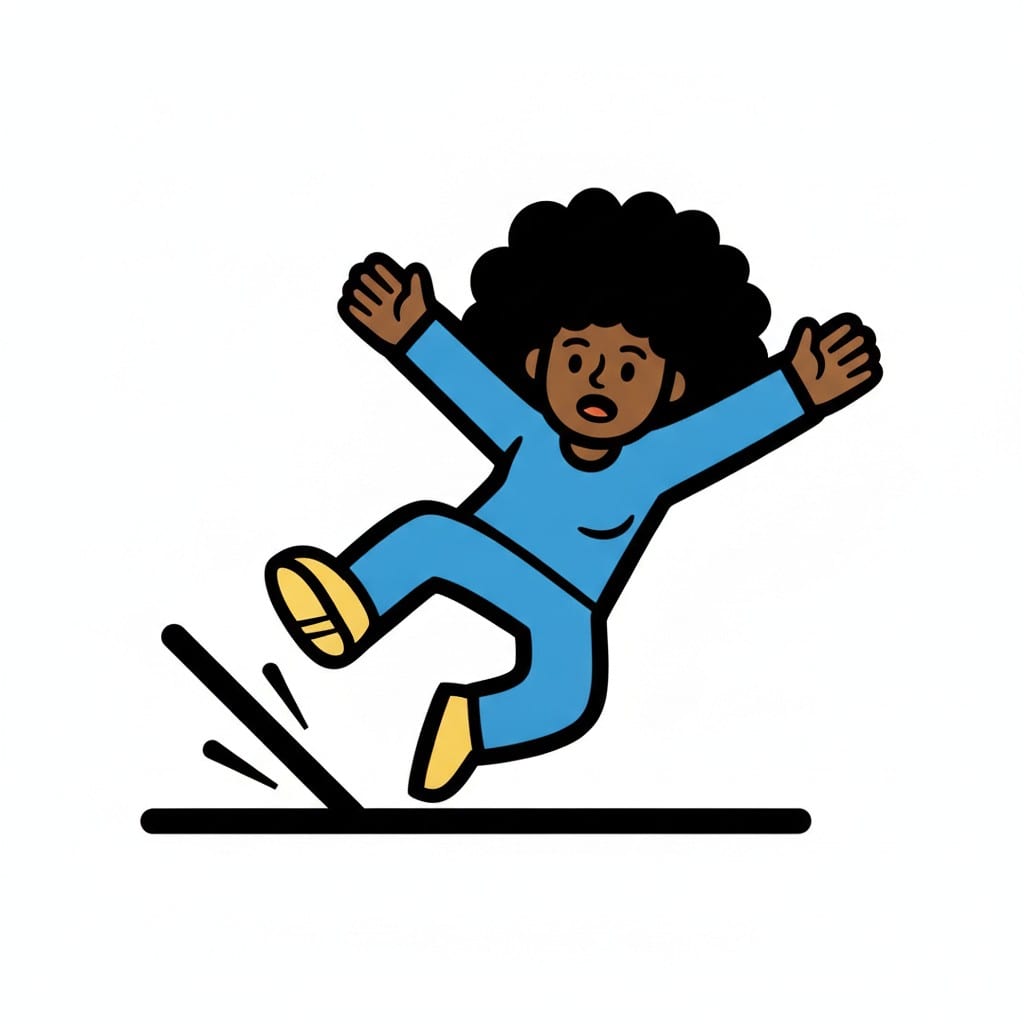 ♀
♀Trip and fall
A child trips and is about to fall with arms out.
About this visual support
Tripping and falling happens to all children, but it can be more frightening than the impact itself. In a short moment the body loses control, and the surprise and the sudden sensation can stir a reaction bigger than the actual pain. For some children the fear lingers long afterwards and can make them cautious or anxious.
Visual support helps by making both the event and what comes after understandable. When the child has calmly seen pictures of what happens when you trip, and what you do next, breathe, check yourself, get up, the whole sequence becomes less chaotic. Knowing there is a way onward after the fall makes the moment itself less frightening.
A tip: talk about falling when everything is calm, not only in the moment, and practise getting up and shaking it off, so the body has a plan for next time. A known reaction softens the fright. In the Routined app you can use pictures to go through what to do if you fall, so the child has a safe order to lean on.
Use this image in a schedule
Build your own visual schedule with this image and download it as a print-ready PDF. Completely free.

More similar visual supports

Allergy medicine
Medicine bottle with a red cross next to a capsule, a leaf, and a cloud.
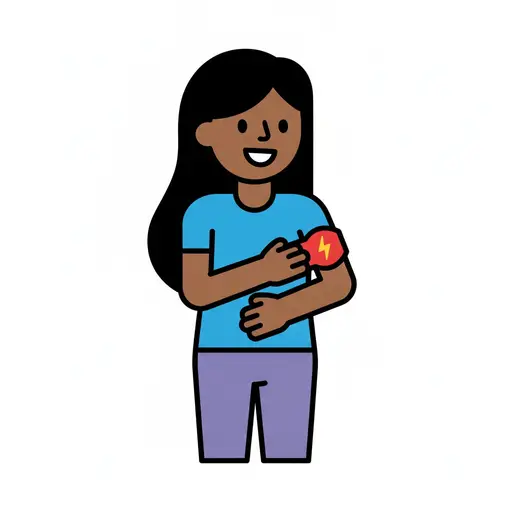
Armband
A person wears a red armband on their upper arm and points at it.
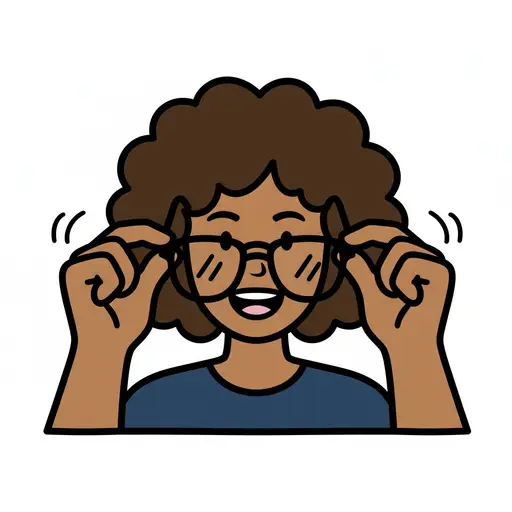
Bring glasses down
A smiling girl adjusts her glasses with both hands.
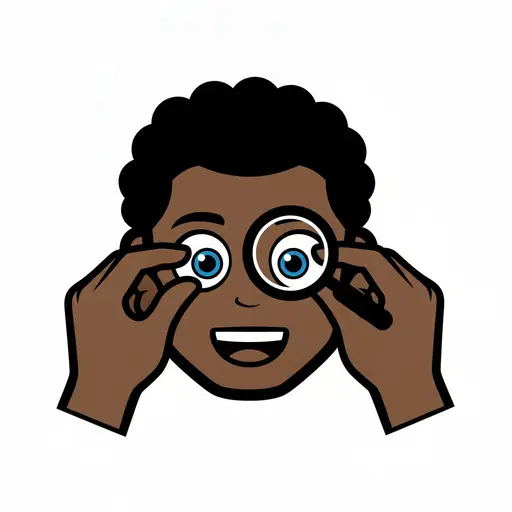
Check the eyes
A child holds a magnifier up in front of one eye.

Clean the glasses
A pair of glasses with clean light blue lenses and a black frame.
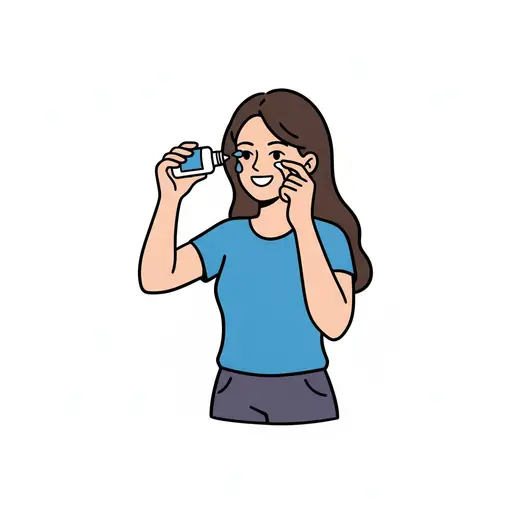
Eye drops
A smiling person holds a small bottle of eye drops above their eye and pulls dow...
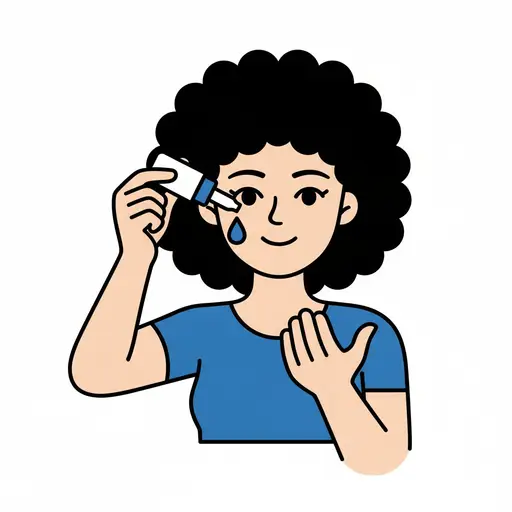
Eye drops and rinse
A smiling person holds a small dropper bottle above their eye as a blue drop fal...

Eye patch
A smiling man wears a black eye patch over one eye.
Take the visual supports with you
In Routined you build schedules from these pictures, add timers and voice instructions, and your child follows the day on their own.


* 14-day free trial included for new users.