Rainy Summer Day Plan: Structure When You’re Stuck Indoors
A rained-out summer day with restless kids and nowhere to go is its own special challenge. A loose plan turns a long indoor day from a meltdown factory into something manageable.
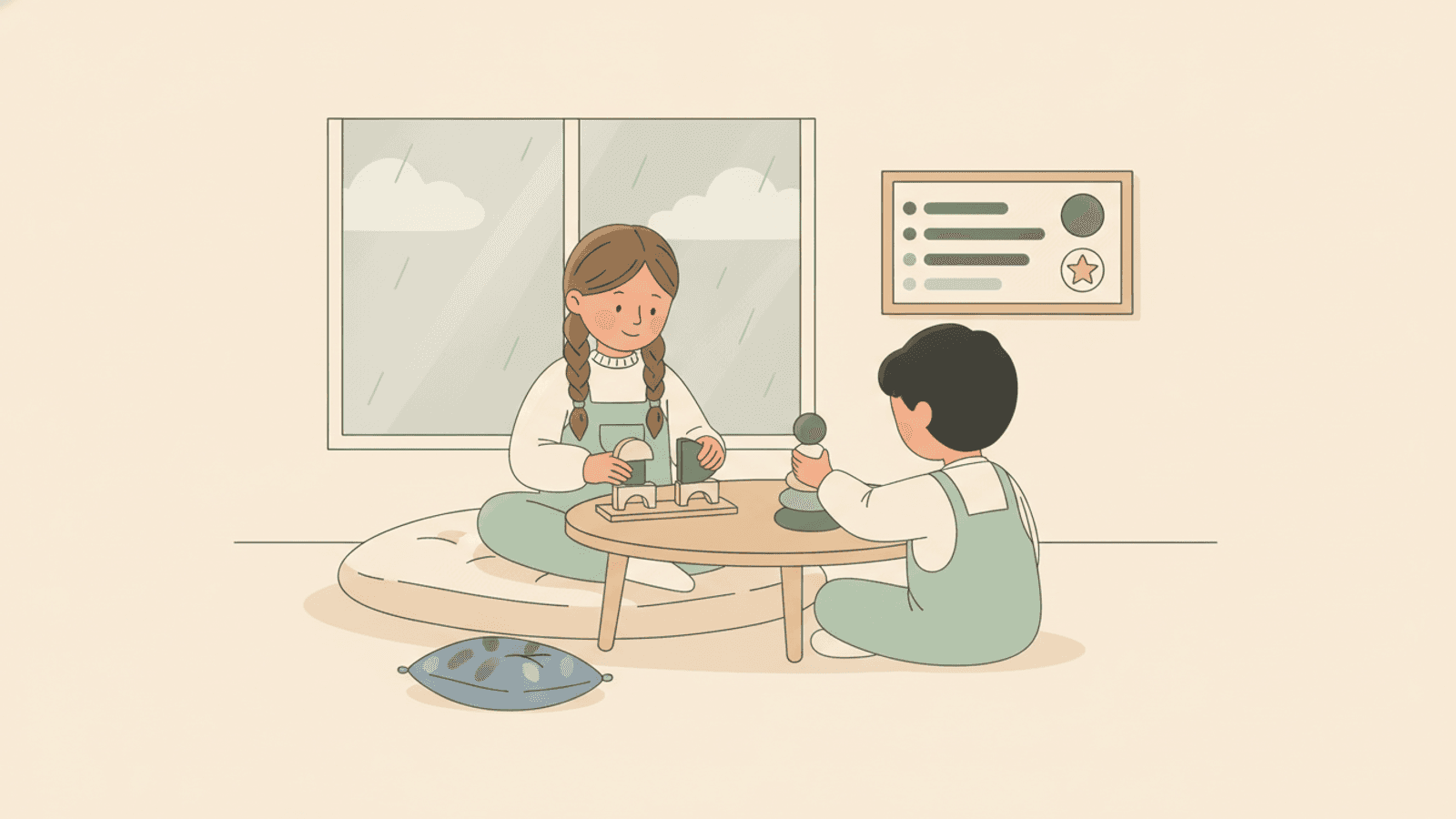
When the weather turns gloomy and outdoor play is off-limits, creating a "rainy day structure for kids" can transform a challenging day into a productive and even joyful one. A well-thought-out plan provides predictability and opportunities for varied activities, helping everyone stay calm and engaged indoors. This is especially true for families where children thrive on routine, like those with ADHD or autism, who often benefit immensely from clear expectations and transitions.
Summer days are usually filled with sunshine, open-ended play in the garden, trips to the park, and long walks in nature. But sometimes, the clouds roll in, the rain begins, and suddenly your vibrant, outdoor-loving family is cooped up inside. For many parents, the thought of a whole day indoors with energetic children can feel daunting, especially when the usual routines are upended. It’s easy to fall into the trap of letting the day unfold without purpose, leading to boredom, conflict, and excessive screen time. But it doesn't have to be that way. With a little planning and a flexible approach, you can create a fulfilling and even fun `rainy day structure for kids` that keeps everyone happy and engaged.
Why Long Unstructured Indoor Days Unravel
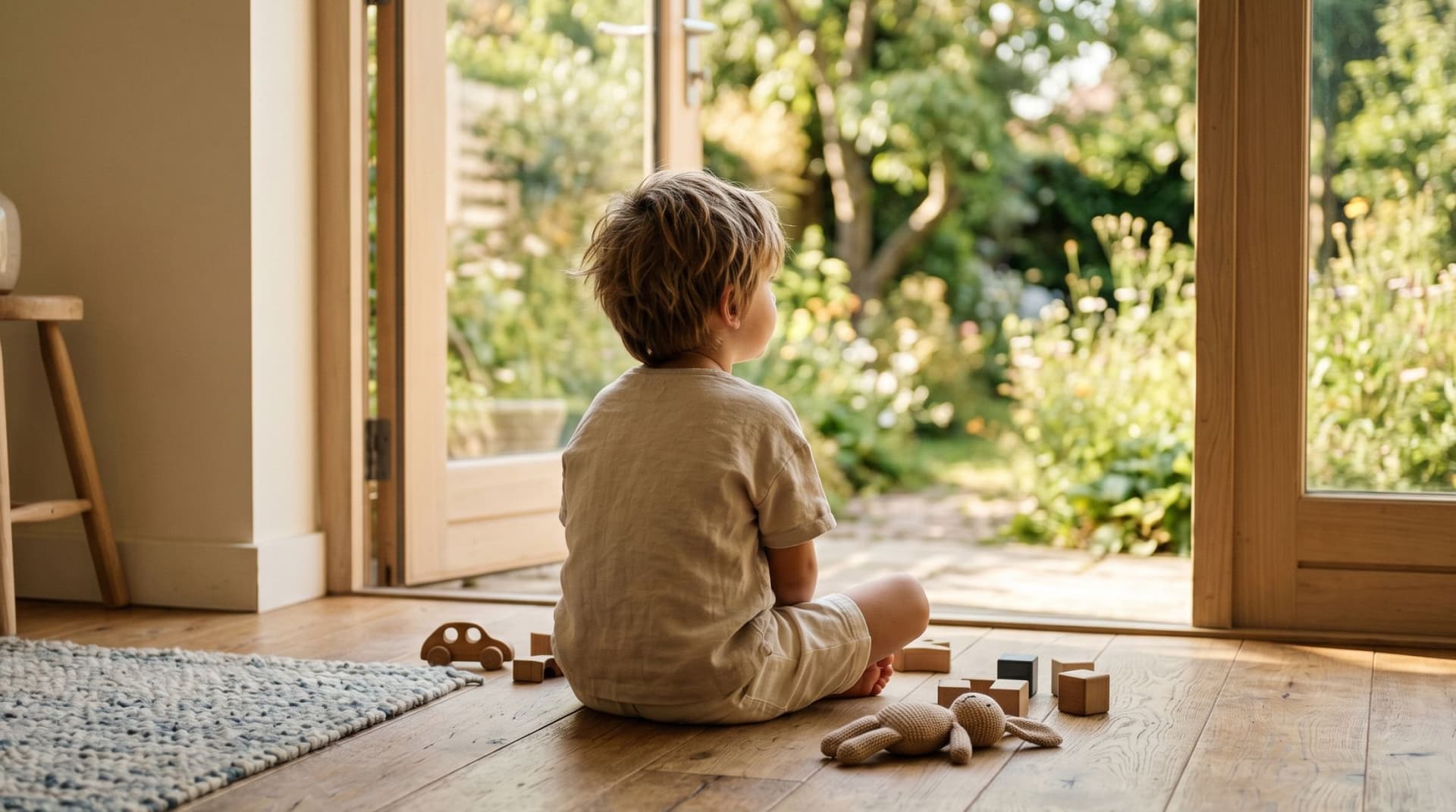
Children, by nature, are full of energy. They need outlets for physical movement and mental stimulation. When they're confined indoors without a clear direction, that energy has nowhere productive to go. Imagine a pressure cooker building steam – eventually, it needs a release. For kids, this often manifests as restless pacing, hyperactive behaviour, or finding less-than-ideal ways to burn off steam, like jumping on furniture or incessant questioning.
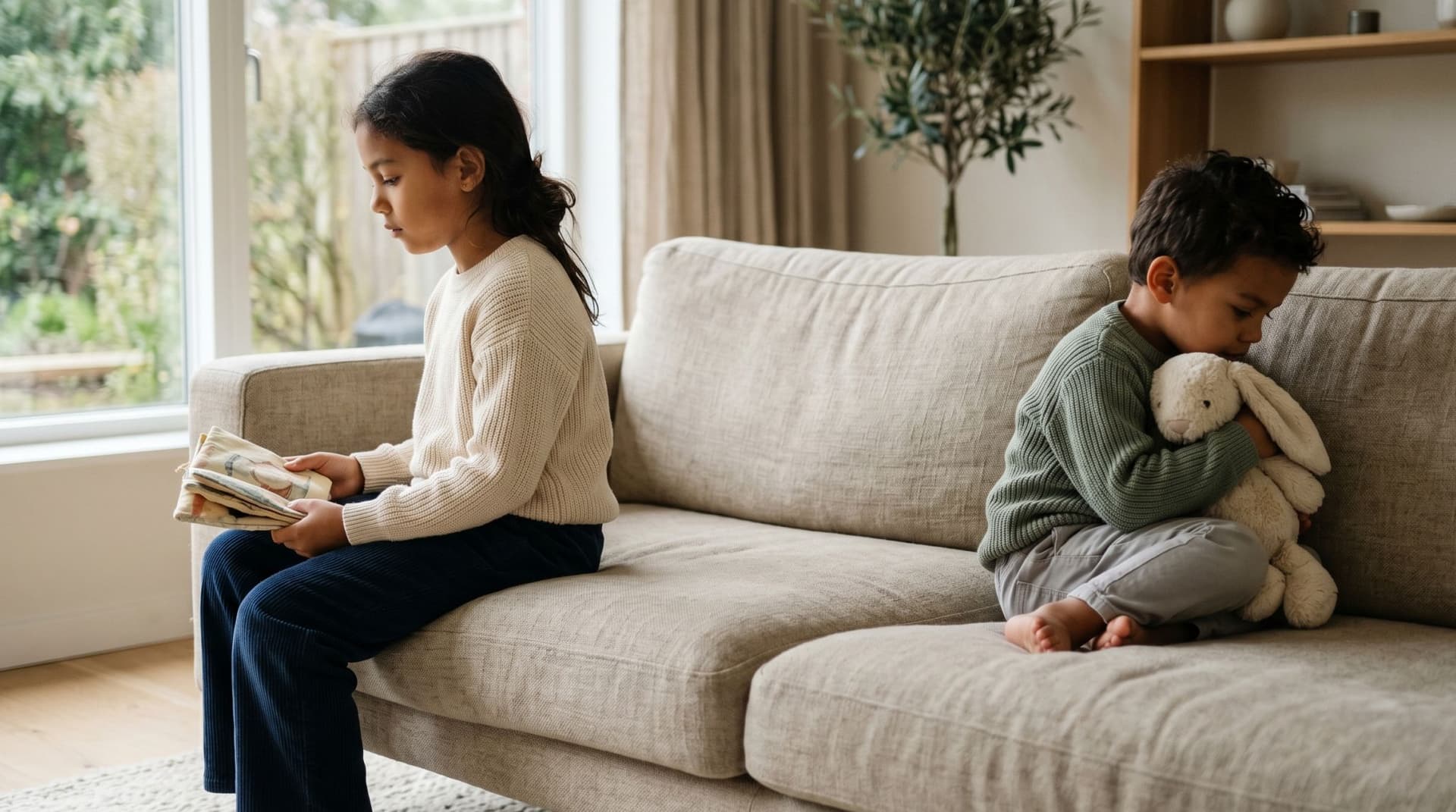
Sibling friction is another common challenge of long, unstructured indoor days. When children are in close quarters for extended periods without engaging activities, minor squabbles can quickly escalate. Boredom often fuels these conflicts, as children seek attention or stimulation, sometimes at each other's expense. Having a framework for the day can help create natural breaks and opportunities for different types of interaction, reducing the likelihood of constant bickering.
Then there’s the inevitable screen creep. It's so easy to hand over a tablet or turn on the TV as a quick fix for boredom or to buy yourself a few moments of peace. While screens have their place, relying on them as the primary activity for an entire day can lead to sluggishness, overstimulation, and a missed opportunity for more enriching experiences. A structured day allows you to be intentional about screen time, ensuring it serves a purpose rather than becoming the default.
Block the Day Loosely
The key to a successful indoor day isn't a minute-by-minute schedule, but rather a flexible rhythm made up of different activity 'blocks'. Think of it as a loose framework that provides predictability without rigidity. This approach is particularly helpful for children who thrive on routine and clear transitions. Instead of trying to fill every moment, focus on creating different zones or types of activities throughout the day. This keeps things fresh and ensures a variety of needs are met.
Here are some 'blocks' you can incorporate:
- Movement: Dedicated time for physical activity to burn off energy.
- Focused Activity: Time for puzzles, drawing, crafts, or reading that requires concentration.
- Screen Time: A planned block for digital entertainment, used intentionally.
- Quiet Time: Independent play, reading, or simply decompressing in a calm space.
- Help-at-Home: Simple chores or tasks that contribute to family life, fostering responsibility.
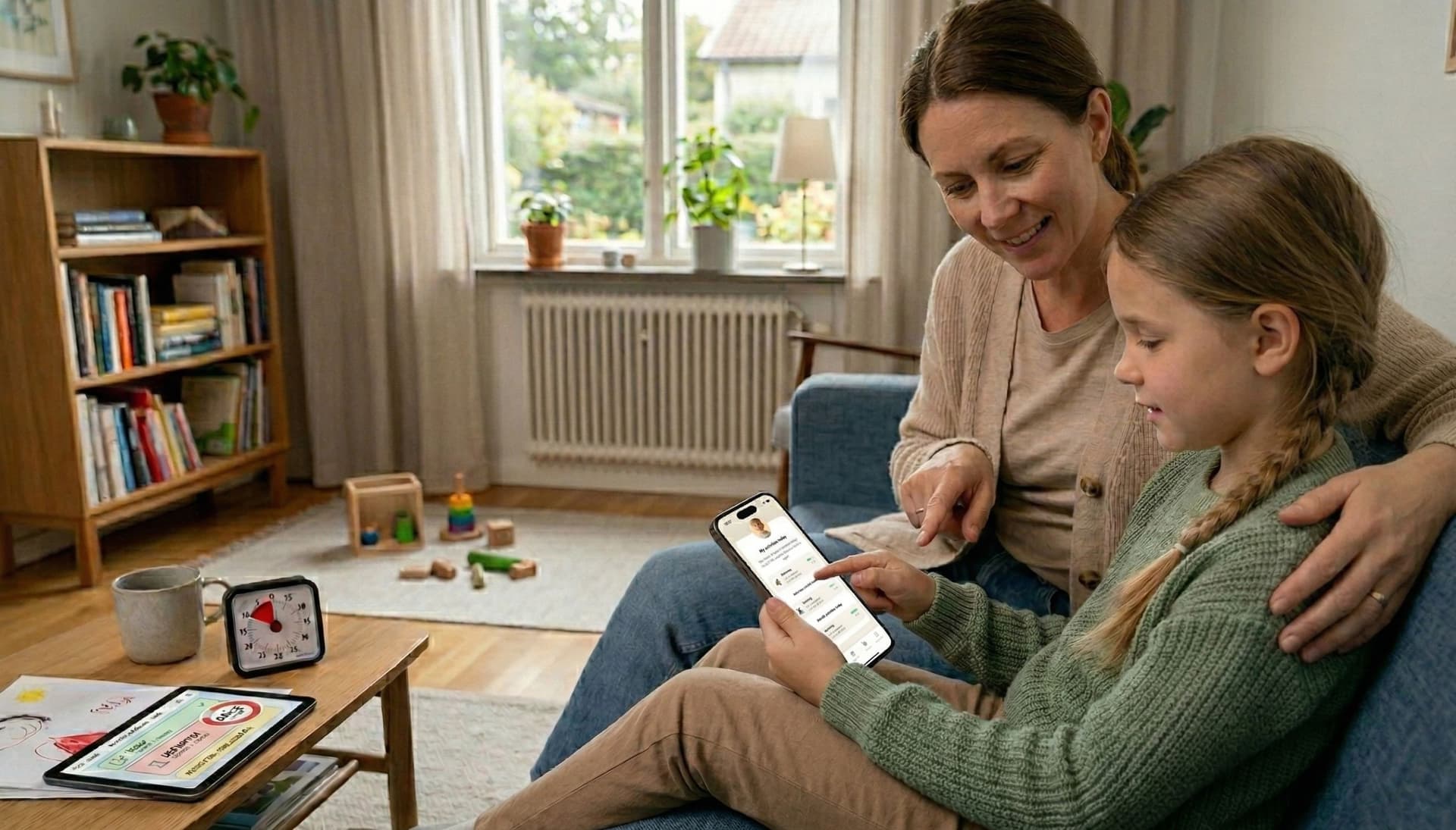
The beauty of this system is its flexibility. If a focused activity is going really well, let it run a bit longer! If everyone is feeling restless, jump to a movement block. The blocks are guiding principles, not strict rules. Talk to your children about the plan in the morning so they know what to expect. You can even use visual timers or checklists to help them track their progress through the day.
Build in Movement
Just because you're indoors doesn't mean physical activity has to stop. In fact, it's crucial for maintaining mood and focus. Think creatively about how to channel that youthful energy within your home. These indoor energy outlets don't require fancy equipment; often, a little imagination is all that's needed.
Consider setting up a mini obstacle course using pillows, blankets, and furniture. Kids can crawl under chairs, jump over cushions, and weave around obstacles. A dance party is another fantastic way to get everyone moving – just put on some upbeat music and let loose! For a calmer but still active option, try 'indoor yoga' with child-friendly poses, or a classic game of 'Simon Says' that incorporates jumping, stretching, and balancing.
Even simple tasks can become movement opportunities. Ask children to help carry laundry, tidy up toys, or fetch items from different rooms. Making these into a playful challenge can transform a chore into an energetic activity. Remember, regular bursts of movement throughout the day can significantly improve behaviour and concentration, especially for children who process their world physically.
Handle Screens on Purpose, Not By Default
Screens are a powerful tool for entertainment and learning, but their use on indoor days benefits greatly from intentional planning. Rather than letting screens become the fallback option whenever boredom strikes, integrate them as a deliberate part of your day's rhythm. This means agreeing on the limit upfront and communicating it clearly to everyone. This prevents arguments later and helps children understand expectations.
Before the day begins, or even the night before, discuss with your children how much screen time will be available and when. Perhaps it's a block after a focused activity, or a quiet wind-down period before lunch. This empowers children by giving them agency within the set boundaries. You might suggest specific educational shows, creative games, or family movie time to make the screen experience more engaging and collaborative.
Consider pairing screen time with other activities. For instance, perhaps an hour of screen time is followed by a family board game or a creative art project. This helps transition children away from the screen and back into different modes of engagement. By being proactive and purposeful about screens, you ensure they enrich the day rather than simply filling it.
A Sample Rainy-Day Rhythm
Here’s how a structured, yet flexible, rainy summer day might look:
- Morning (e.g., 8:00 – 12:00): Start with breakfast, followed by a 'Movement' block (dance party, indoor obstacle course). Then, transition to a 'Focused Activity' – perhaps building a magnificent fort, a challenging puzzle, or drawing pictures inspired by nature. Finish the morning with a 'Help-at-Home' task like sorting laundry or wiping down surfaces.
- Midday (e.g., 12:00 – 15:00): Lunch together, then a 'Quiet Time' block for independent reading or listening to an audiobook. This can be followed by a planned 'Screen Time' slot, perhaps watching an age-appropriate nature documentary or playing a cooperative video game.
- Afternoon (e.g., 15:00 – 18:00): Another 'Focused Activity' – perhaps a simple baking project, painting, or setting up a science experiment. If energy is building again, squeeze in another 'Movement' burst with a scavenger hunt. Wind down with family connection: board games, card games, or reading aloud together.
Remember, this is just a template. Adjust the timings and activities to suit your family's unique needs and the energy levels of your children. The goal is to create a predictable flow that caters to different needs throughout the day, ensuring everyone feels seen, heard, and engaged.
Rainy days don’t have to be a source of stress. With a little forethought and a flexible approach to structure, you can transform an indoor day into an opportunity for creativity, connection, and calm. Embrace the change in pace, lean into the comfort of home, and enjoy the unique moments these days can bring. Your family will thank you for the intentionality, finding comfort and joy in the rhythm you've created together.
Read more
Frequently asked questions
How do I keep kids busy indoors all day?
Keeping kids busy indoors all day involves a blend of structured and free play. Break the day into activity blocks focusing on movement, creative projects, quiet time, and learning. Rotate through different types of activities to maintain interest and prevent boredom, involving kids in the planning to give them a sense of ownership.
How much screen time is okay on a rainy day?
The amount of screen time on a rainy day is best handled with intentionality. Instead of letting it be the default, plan specific blocks for screen use and communicate these limits clearly. Balancing screen time with other engaging activities ensures it's a treat or a tool, rather than the sole entertainment.
How do I stop siblings fighting when stuck inside?
To stop siblings fighting when stuck inside, provide clear activity transitions and offer opportunities for both collaborative and independent play. Designate individual 'quiet zones' if needed, and incorporate movement breaks to release pent-up energy, which often reduces friction. Facilitate discussions about sharing and taking turns, and acknowledge their feelings.
Should a rainy day have a schedule?
Yes, a rainy day greatly benefits from having a loose schedule or rhythm, especially for children who thrive on predictability. It helps manage expectations, provides a sense of security, and ensures a variety of activities are incorporated throughout the day. This structure prevents boredom, reduces arguments, and makes the day feel more purposeful.
What indoor activities burn off energy?
Indoor activities that effectively burn off energy include dance parties, building and navigating obstacle courses with pillows and furniture, and playing active games like 'Simon Says' or charades. Yoga, scavenger hunts, and even helping with active chores like carrying laundry can also provide great physical outlets.