Demand Avoidance (PDA): A Gentle Introduction for Parents
Some children resist even the things they want to do, melt down at the smallest request, and seem driven to avoid all demands. For these children, the usual toolkit of rewards and consequences can make everything worse. This may be a profile known as PDA.

Some children resist even the things they genuinely want to do, melt down at the smallest request, and seem driven to avoid every demand placed on them. For these children, the usual parenting toolkit — rewards, consequences, firm and direct boundaries — does not just fail; it actively makes everything worse. This pattern may reflect a profile known as PDA, and understanding it can transform daily life. Here is a gentle introduction.
What PDA is
PDA stands for Pathological Demand Avoidance, though many now prefer “Pervasive Drive for Autonomy.” It describes a profile, usually understood as part of the autism spectrum, in which a child has an extreme, anxiety-driven need to avoid and resist everyday demands and to stay in control. It is not naughtiness or a lack of discipline. Underneath the resistance sits very high anxiety, and a demand — even a tiny, friendly one — can feel genuinely threatening. It is worth knowing that PDA is a debated term and not formally recognised everywhere, but understanding the profile can still help enormously.
What it can look like
You might see a child resisting or avoiding ordinary requests, even ones they actually want to do; using clever strategies to dodge demands — distraction, excuses, endless negotiation, changing the subject, going floppy, withdrawing, or melting down; a powerful need for control and autonomy; being sociable but very much on their own terms; intense mood swings; and everyday expectations feeling overwhelming. A defining feature is that the harder you push, the harder they resist.
Why the usual approaches backfire
Here is the key insight: for a PDA child, the demand itself is the trigger, so the standard tools make things worse rather than better. A reward is a demand in disguise (“if you do X, you get Y”). A consequence raises the stakes and the anxiety. A firm, direct instruction — “you need to put your shoes on now” — provokes fight-or-flight. Even praise can land as pressure. It is not that boundaries do not matter; it is that the way demands are delivered has to change completely.
A low-demand, collaborative approach
- Reduce the sheer number of direct demands — pick the few that truly matter and let the rest go.
- Use indirect, declarative language — “I wonder where the shoes are” rather than “put your shoes on.”
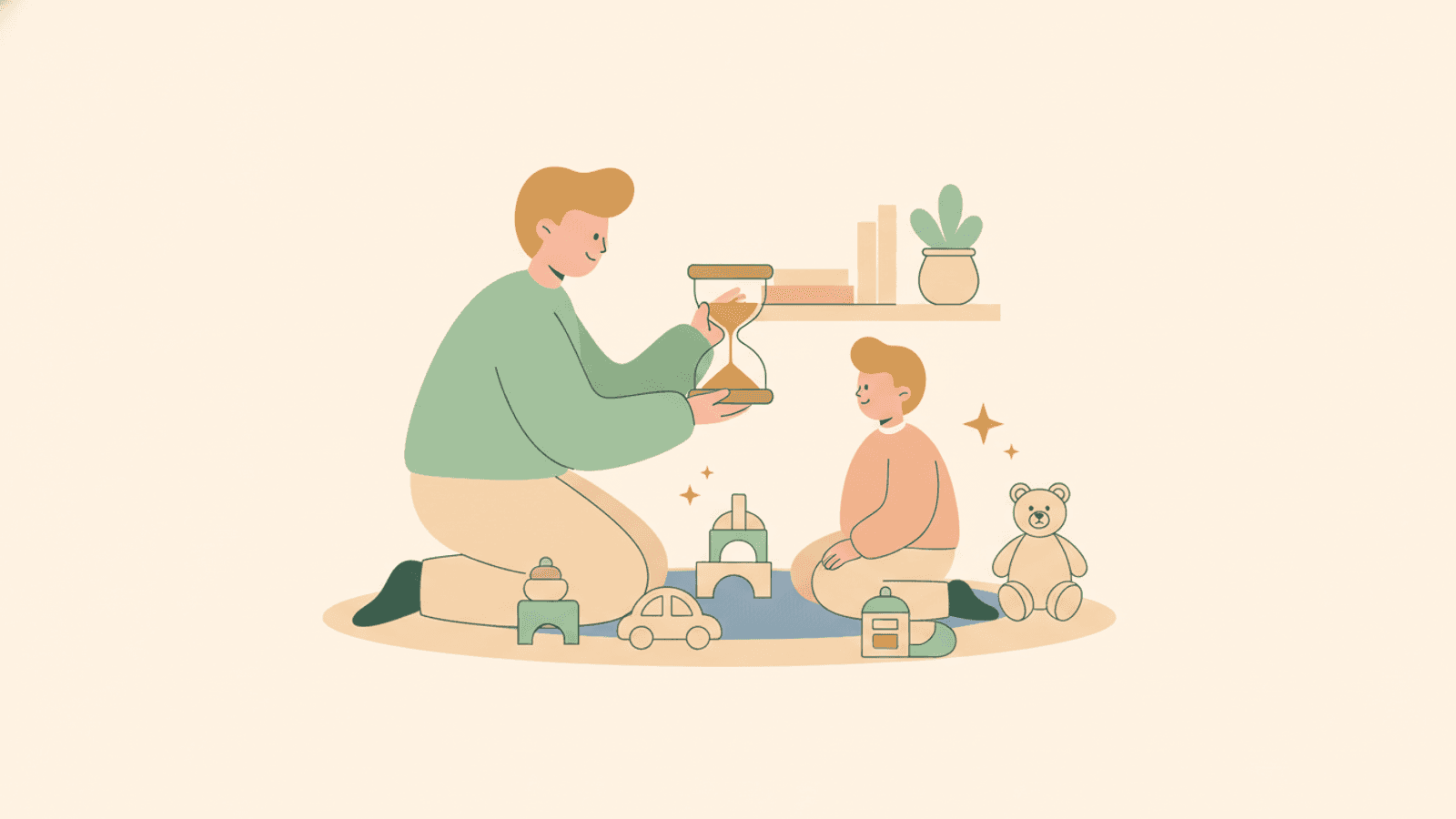
- Offer choices and a sense of control — “do you want to do it now, or in five minutes?”
- Use playfulness, humour, novelty and challenge to bypass the demand response.
- Stay calm and flexible; drop or delay a demand if anxiety is rising, and quietly come back to it.
- Prioritise the relationship and trust above winning any single battle.
It's about anxiety, not defiance
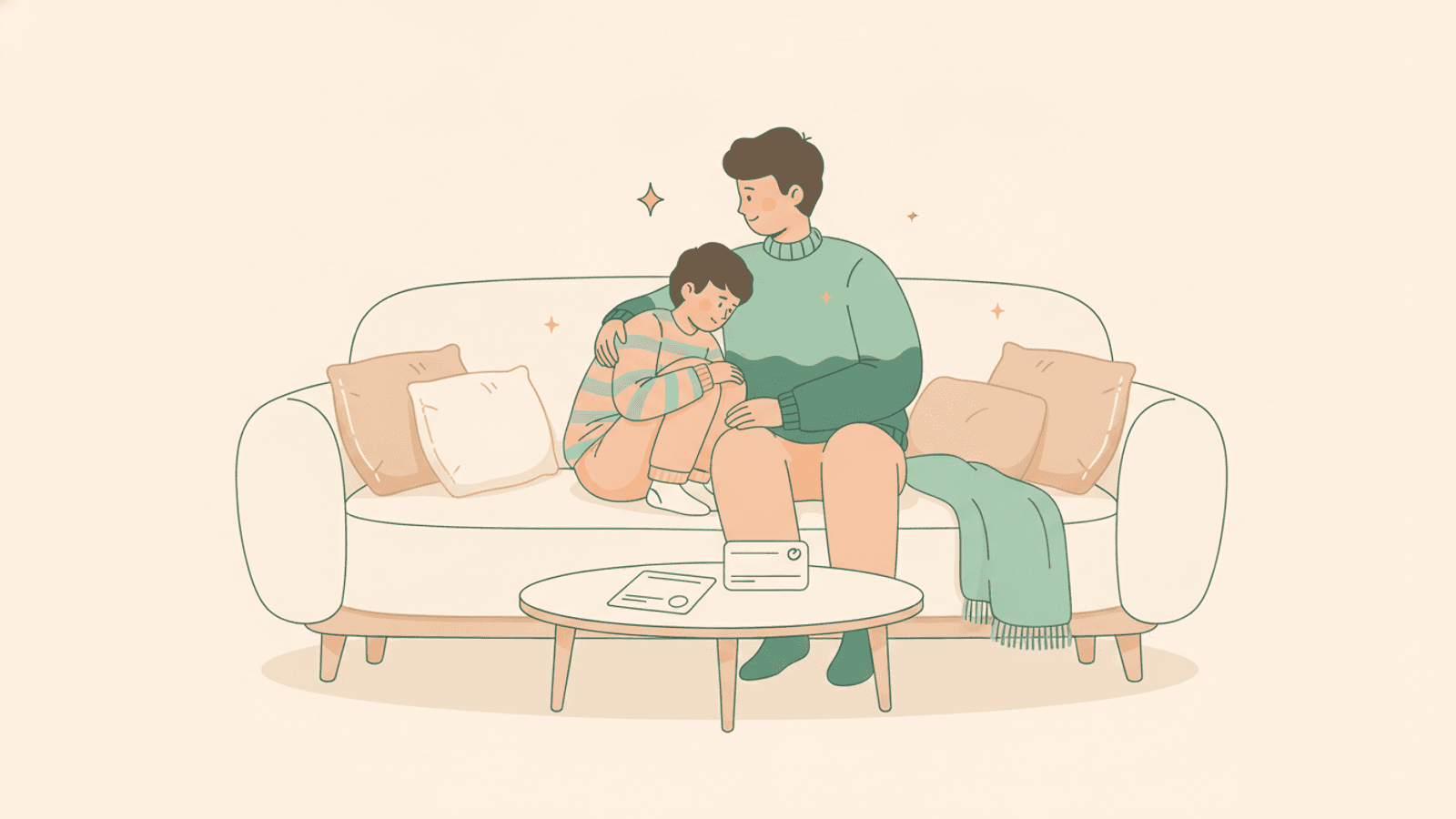
Reframing PDA as anxiety-driven rather than wilful changes everything. The child is not trying to wind you up; their nervous system experiences a demand as a loss of control that feels genuinely unsafe. Lowering the demand lowers the threat, which in turn lowers the resistance. It is deeply counter-intuitive — giving more control, not less — but for these children it works far better than tightening the reins ever could.
Getting support
Because PDA is still debated and not formally recognised in every country, getting clarity and support can be hard. If your child’s avoidance is extreme and standard approaches consistently backfire, it is worth talking to a professional experienced with autism and PDA. Connecting with PDA-specific parent communities can also help you find strategies that genuinely fit your child. This article is general information, not medical advice.
Read more
Frequently asked questions
What is PDA (pathological demand avoidance)?
PDA describes a profile, usually understood within the autism spectrum, where a child has an extreme, anxiety-driven need to avoid everyday demands and stay in control. The resistance is not naughtiness; it is driven by high anxiety, with demands feeling genuinely threatening.
How is PDA different from ordinary defiance?
Ordinary defiance is usually about wanting something or testing limits, and eases with consistent boundaries. PDA avoidance is anxiety-driven and gets worse when you push harder; the child avoids even things they want, and the demand itself, not the task, is the trigger.
Why don't rewards and consequences work for my child?
For a demand-avoidant child the demand itself causes anxiety, so a reward (a hidden demand) or a consequence (raised stakes) increases the pressure and the resistance. A low-demand, collaborative approach that reduces and softens demands works far better.
What is a low-demand approach?
It means reducing the number of direct demands, using indirect and declarative language, offering choices and control, using playfulness and flexibility, and prioritising trust over winning. The aim is to lower the anxiety that demands trigger, which lowers the avoidance.
Is PDA an official diagnosis?
PDA is a debated term and is not formally recognised as a separate diagnosis everywhere; it is usually described as a profile within autism. Even so, understanding the profile and using a low-demand approach can help a great deal, and a professional experienced with autism can advise.