Antibiotics
The hard part of an antibiotic course often comes on day four, when the fever is gone and the child no longer sees why the medicine matters. A picture showing the whole course makes clear it isn't finished yet. See the steps below.
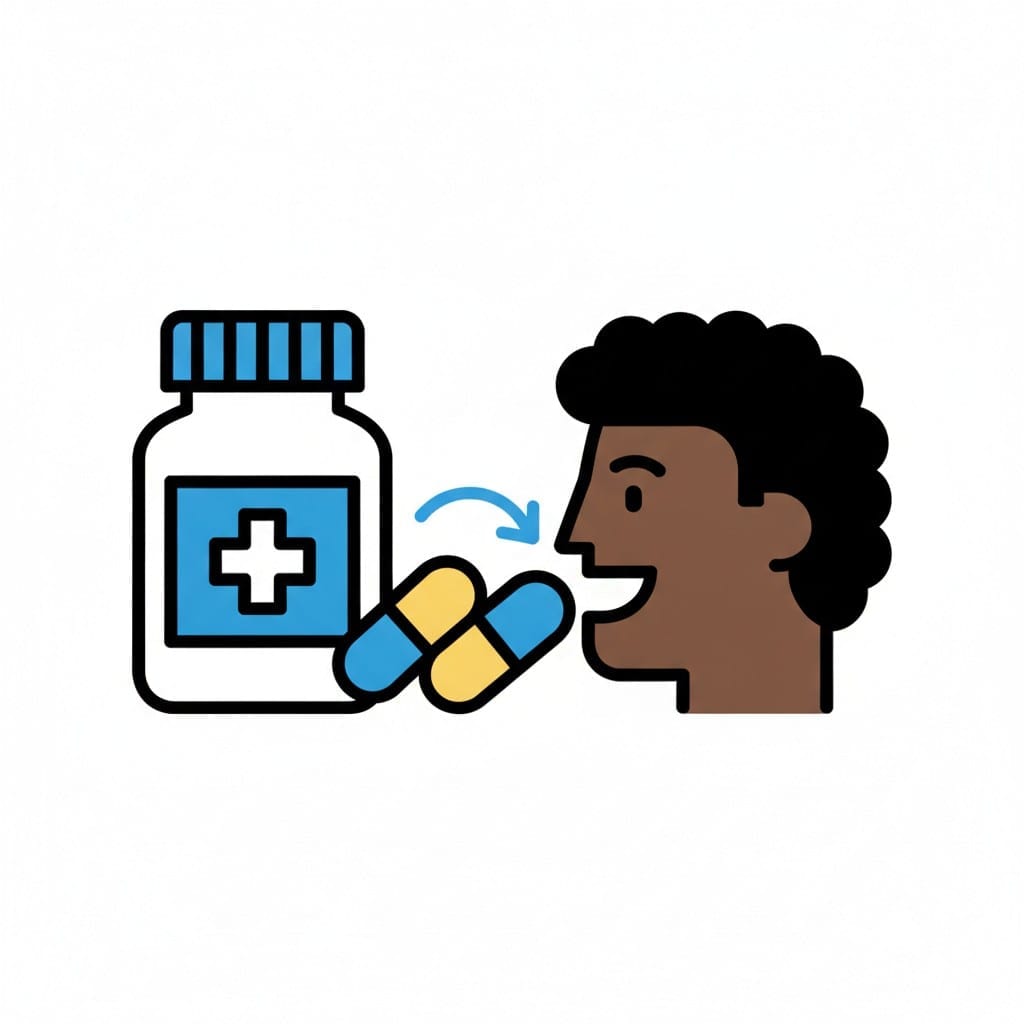 ♀
♀Taking antibiotics
A medicine bottle with capsules and a person taking their medicine.
About this visual support
Feeling better usually arrives before the course is over, and that's exactly when motivation slips. The child feels fine, the medicine tastes bad, so why keep going? Without something that shows the journey has a fixed length, every new dose feels like pointless resistance.
Visual support makes the length of the course concrete. When each day has its own box to tick, the child sees both how many doses are done and how few remain. It turns an abstract doctor's instruction into something countable, and the act of ticking off gives a small sense of having handled today's part.
A tip that often works is to attach the medicine to something the child already does, such as right after brushing teeth in the evening, and lay the cards out in that order. The dose becomes part of a routine already rehearsed instead of a separate fight.
Some children need extra clarity about why something unpleasant has to be repeated, and a recurring reminder in the Routined app can hold the order without you having to nag.
Use this image in a schedule
Build your own visual schedule with this image and download it as a print-ready PDF. Completely free.

More similar visual supports
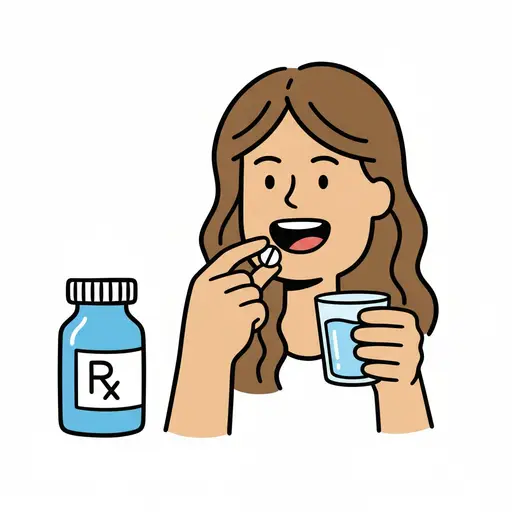
Take Antibiotics
A child holds a pill and a glass of water next to a medicine bottle.
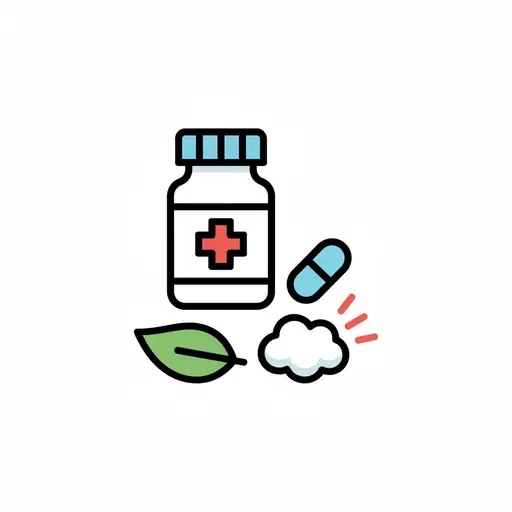
Allergy medicine
Medicine bottle with a red cross next to a capsule, a leaf, and a cloud.
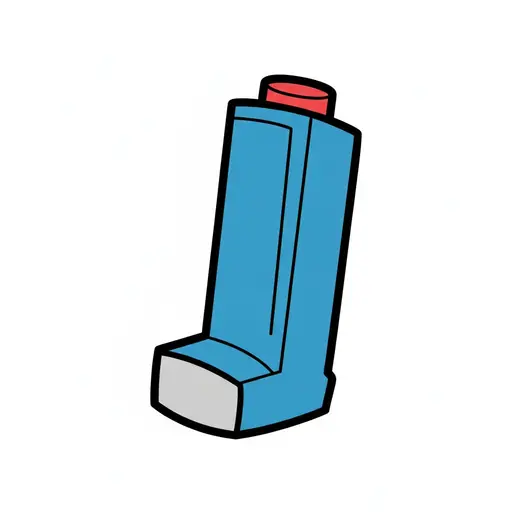
Asthma inhaler
A blue asthma inhaler with a red mouthpiece cap.
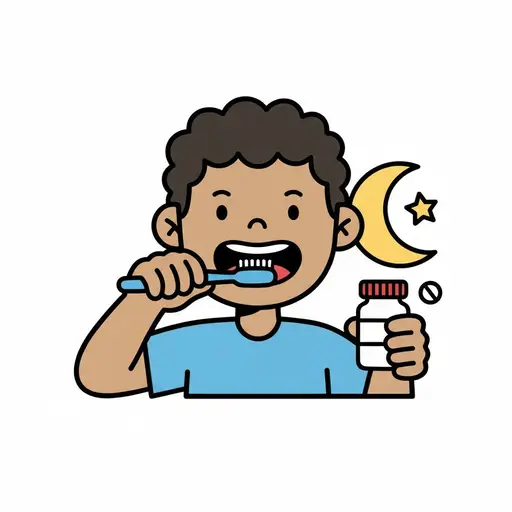
Brush teeth and evening medicine
A boy is brushing his teeth with a toothbrush in his mouth and holding a medicin...

Brush teeth and take medicine
A person in a blue shirt is brushing their teeth with a blue toothbrush while ho...
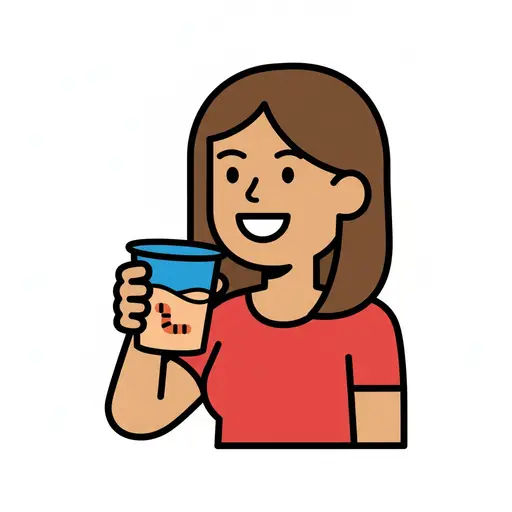
Drink Movicol
A girl smiles and drinks a mixed drink from a clear glass.
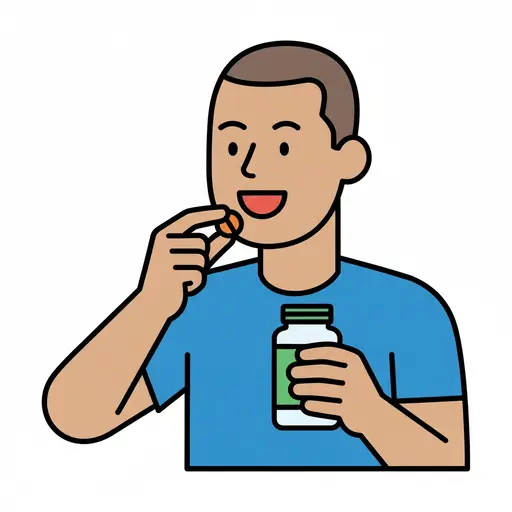
Eat vitamin
A person holding a vitamin bottle in one hand and putting a small, round vitamin...
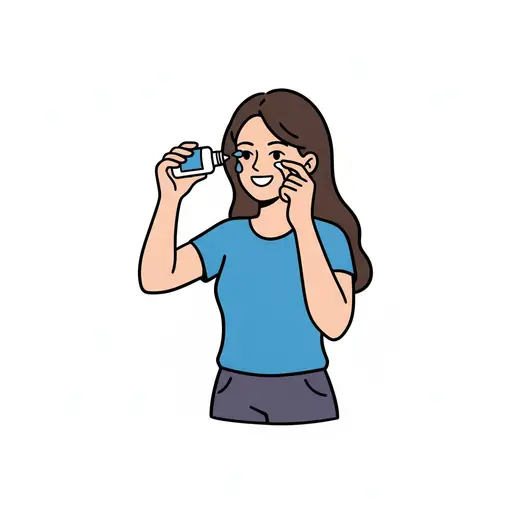
Eye drops
A smiling person holds a small bottle of eye drops above their eye and pulls dow...
Take the visual supports with you
In Routined you build schedules from these pictures, add timers and voice instructions, and your child follows the day on their own.


* 14-day free trial included for new users.