Brush braces
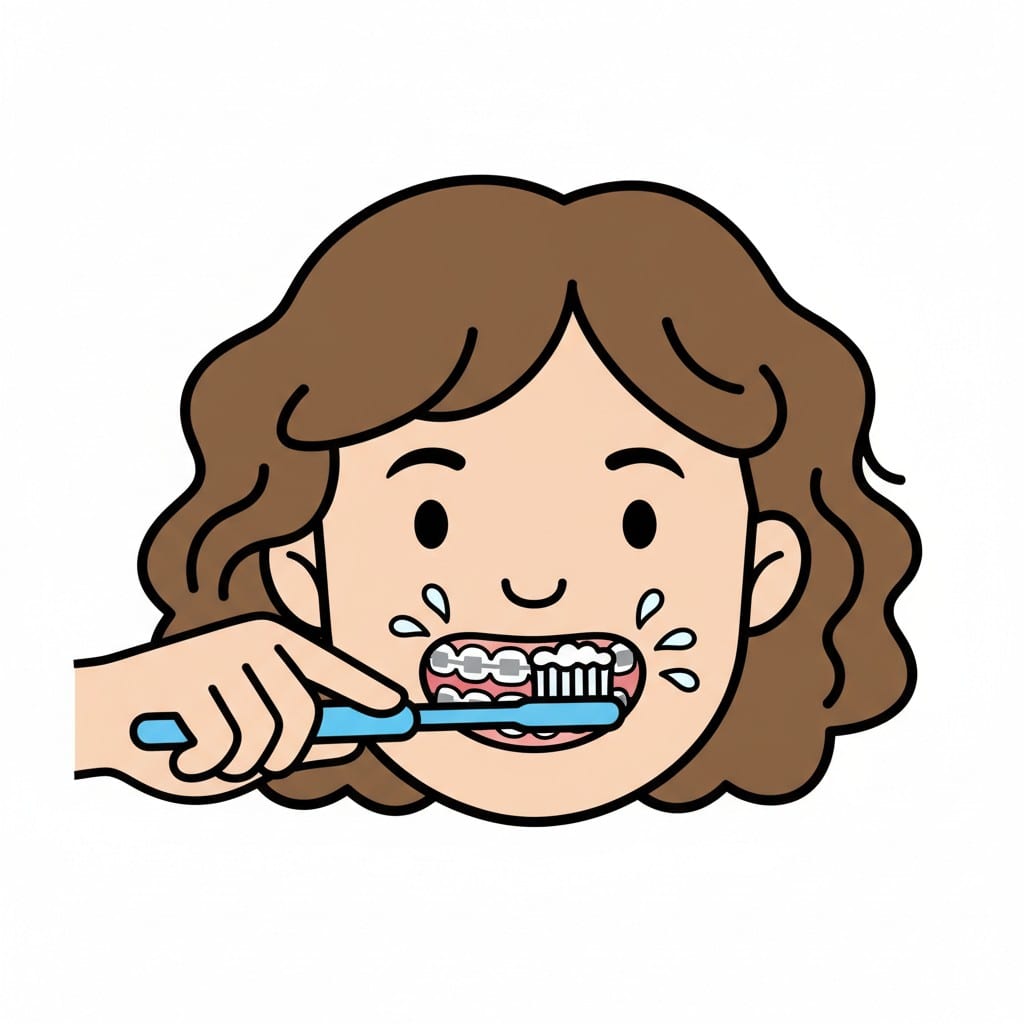
The brush has to pass above the bracket, below it, and along the wire — every tooth needs three movements instead of one. That is why brushing with braces takes significantly longer and easily turns sloppy. The visual support below breaks the steps apart so no area gets skipped.
 ♀
♀Brush braces
A person brushes their teeth and braces with a toothbrush, showing good oral hygiene.
About this visual support
Braces change the basic equation of brushing. Suddenly there is metal in the way of the brush, and every tooth needs more angles than it used to. It is not just more time but an entirely different kind of motion — the brush has to circle the bracket, slip between wire and cheek, follow the gumline where food now collects extra easily. When tired evenings meet an impatient mind, it gets tempting to brush quickly across the surface and be done, even though the result isn't enough.
Visual support gives a map of the parts you can't see well in the mirror. With each moment on its own card — above the bracket, below it, along the wire — the child gets a visible reminder of where the brush should be right now and can compare against the picture instead of guessing. It puts structure on a task that otherwise feels endless.
One concrete tip: keep an interdental brush as a final step on its own card, so the gaps between wire mounts become a clear part of the routine instead of something optional. To make sure every zone is actually covered, the steps can sit inside Routined and be ticked off one by one, so the evening doesn't end with a half-finished brushing.
Use this image in a schedule
Build your own visual schedule with this image and download it as a print-ready PDF. Completely free.

More similar visual supports
Braces
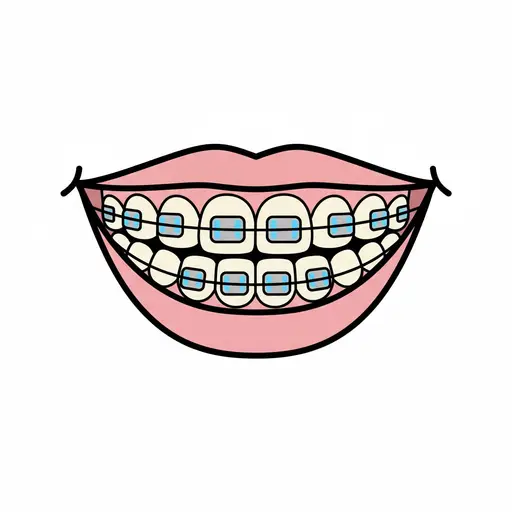
An illustration of a smiling mouth showing dental braces on the upper and lower ...
Dentist
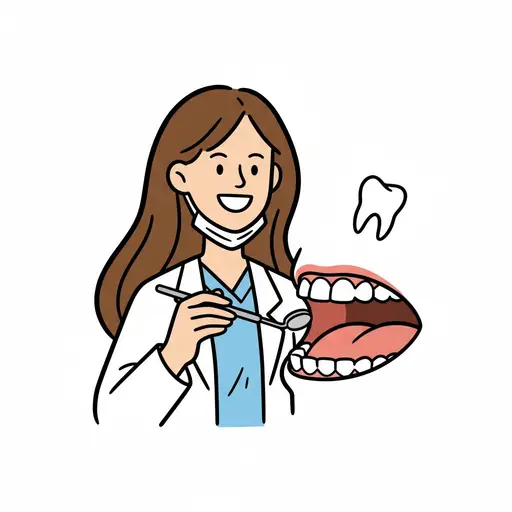
A dentist wearing a mask, holding a dental mirror near an open mouth with teeth.
Floss your teeth
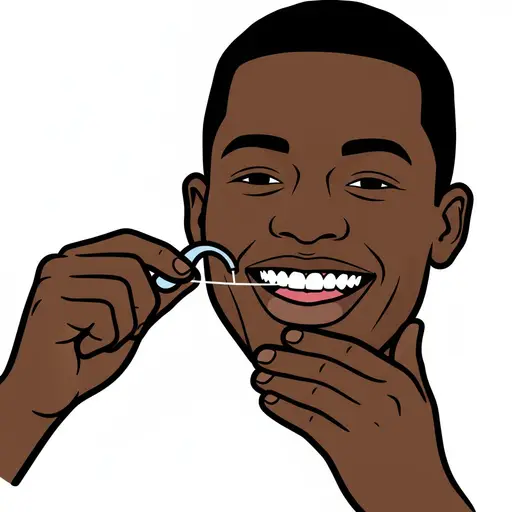
A child uses a floss pick to clean between the teeth while smiling.
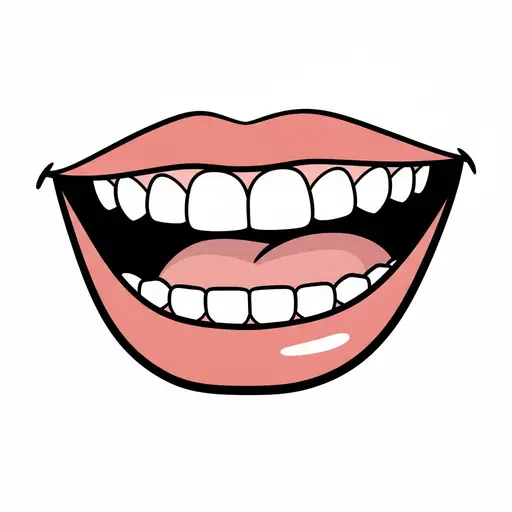
Teeth
A close-up of an open mouth showing rows of white teeth and the tongue.
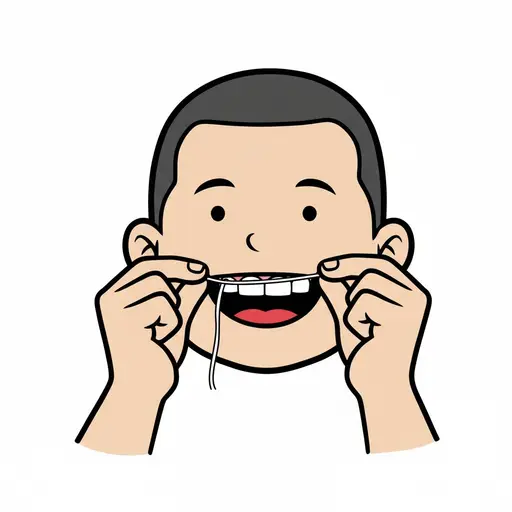
Use floss
A person uses floss to clean their teeth.
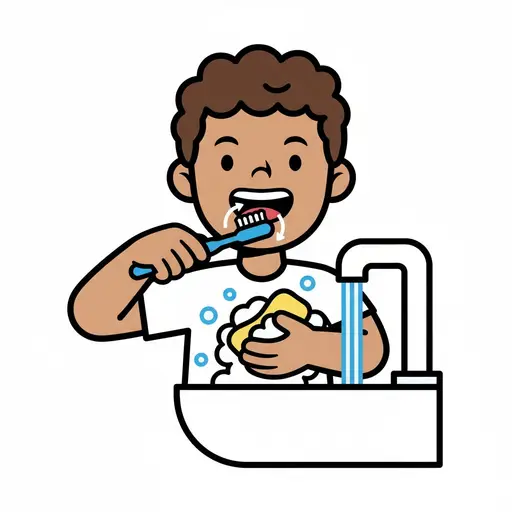
Brush and wash
A boy stands at a sink, actively brushing his teeth with a blue toothbrush and h...
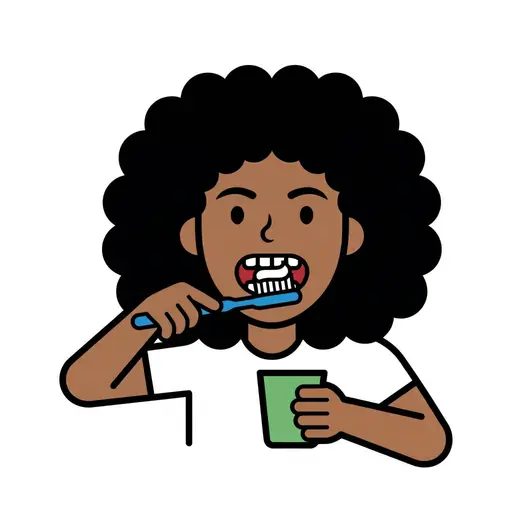
Brush teeth
An illustration of a person brushing their teeth with a blue toothbrush and hold...

Brush teeth and take medicine
A person in a blue shirt is brushing their teeth with a blue toothbrush while ho...
Take the visual supports with you
In Routined you build schedules from these pictures, add timers and voice instructions, and your child follows the day on their own.


* 14-day free trial included for new users.