Sweatpants on
Switching from stiff trousers to soft ones is more than a clothing change – it is the body's receipt that the day is done. The visual support below makes the transition visible, so body and head can wind down together.
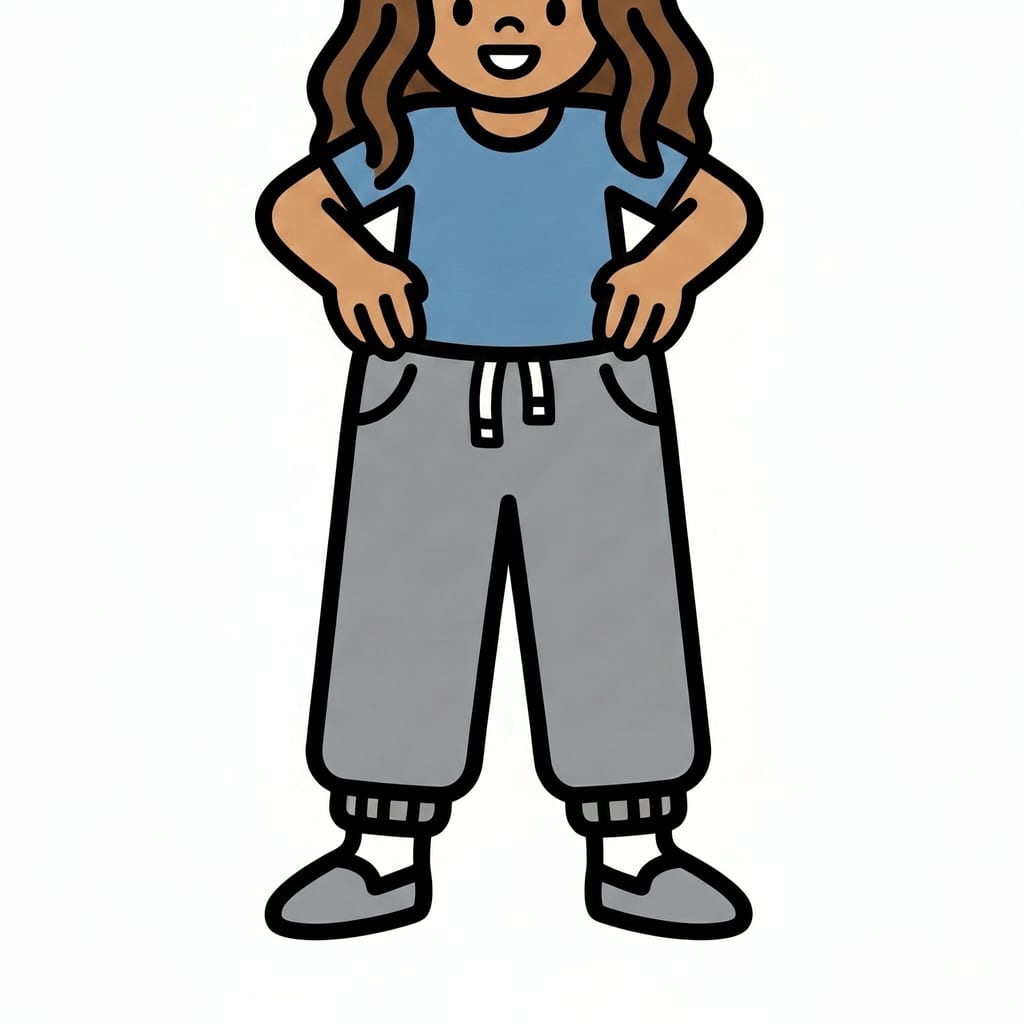 ♀
♀Sweatpants on
A person with brown curly hair wearing gray sweatpants, with hands on hips.
About this visual support
Many children hold themselves together all day through small compromises: a jeans button pressing in, a sock seam in the wrong place, sounds and demands that have to be sorted constantly. When the front door closes, none of that releases automatically – the body needs a clear signal that home has actually started. This is where sweatpants become more than just a garment.
Making the actual change its own step in the schedule helps the head catch up with the body. The visual support shows that after the outdoor clothes come the soft trousers, and after that something calm – a snack, the sofa, time with a book. The shift becomes a concrete moment instead of an unspoken hope, and it helps children who would otherwise drift around restlessly in jeans before anyone remembers to suggest the change.
One practical tip: keep the sweatpants in the same place every day, ideally next to the hook where the outdoor coat lives. The picture card can sit just above, so the whole sequence is visible at a glance. To connect coming home, changing and the first calm moment of the evening, you can lay out the order in Routined and let the images carry the landing.
Use this image in a schedule
Build your own visual schedule with this image and download it as a print-ready PDF. Completely free.

More similar visual supports
Change underwear
A girl with curly hair pulls off a pair of soiled blue underpants while holding ...
Dress myself
A laughing girl holds a blue top with both hands and pulls it down over her head...
Long sleeve shirt
A blue long sleeve shirt viewed from the front.
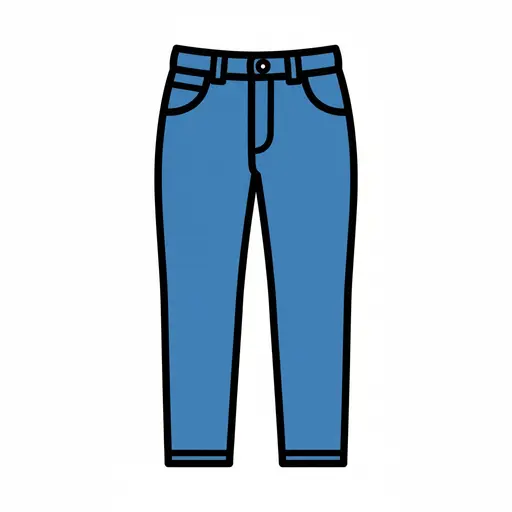
Pants
Slim blue jeans with front pockets and turned-up cuffs at the ankles.
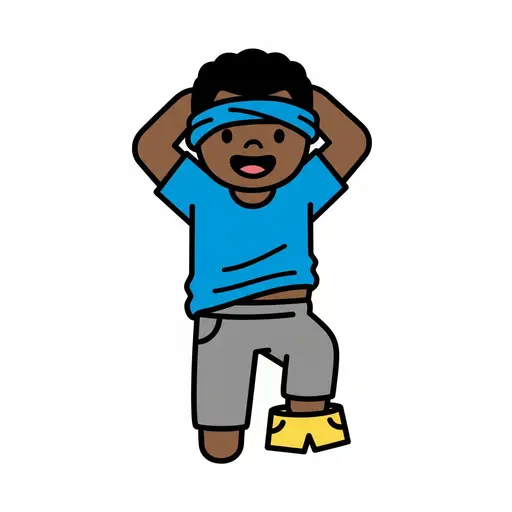
Put on an outfit
A boy is putting on a pair of yellow shorts over his gray pants. He is also wear...
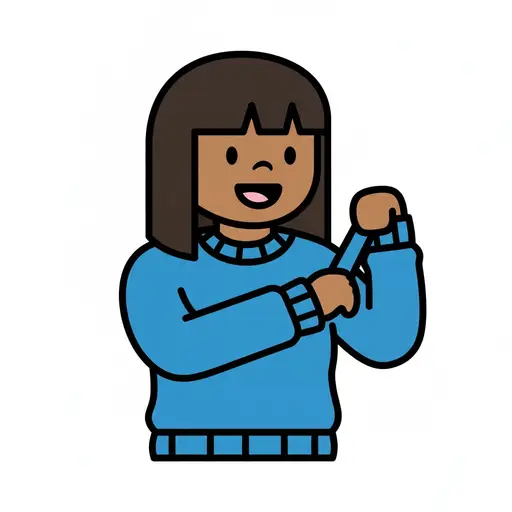
Put on sweater
Girl adjusting or pulling on a blue sweater.
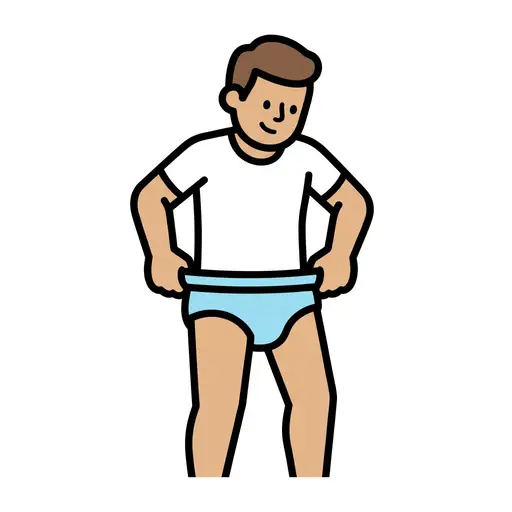
Put on underwear
A man pulls a pair of light blue briefs up with both hands.
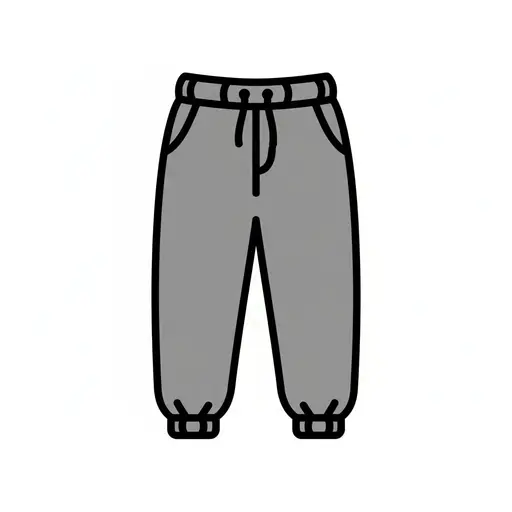
Sweatpants
A pair of grey sweatpants.
Take the visual supports with you
In Routined you build schedules from these pictures, add timers and voice instructions, and your child follows the day on their own.


* 14-day free trial included for new users.