Flute
Learning the flute means standing your own squeaks while breath, fingers and eyes each have a different job at the same time. The steps below break practice down into pieces small enough to hold.
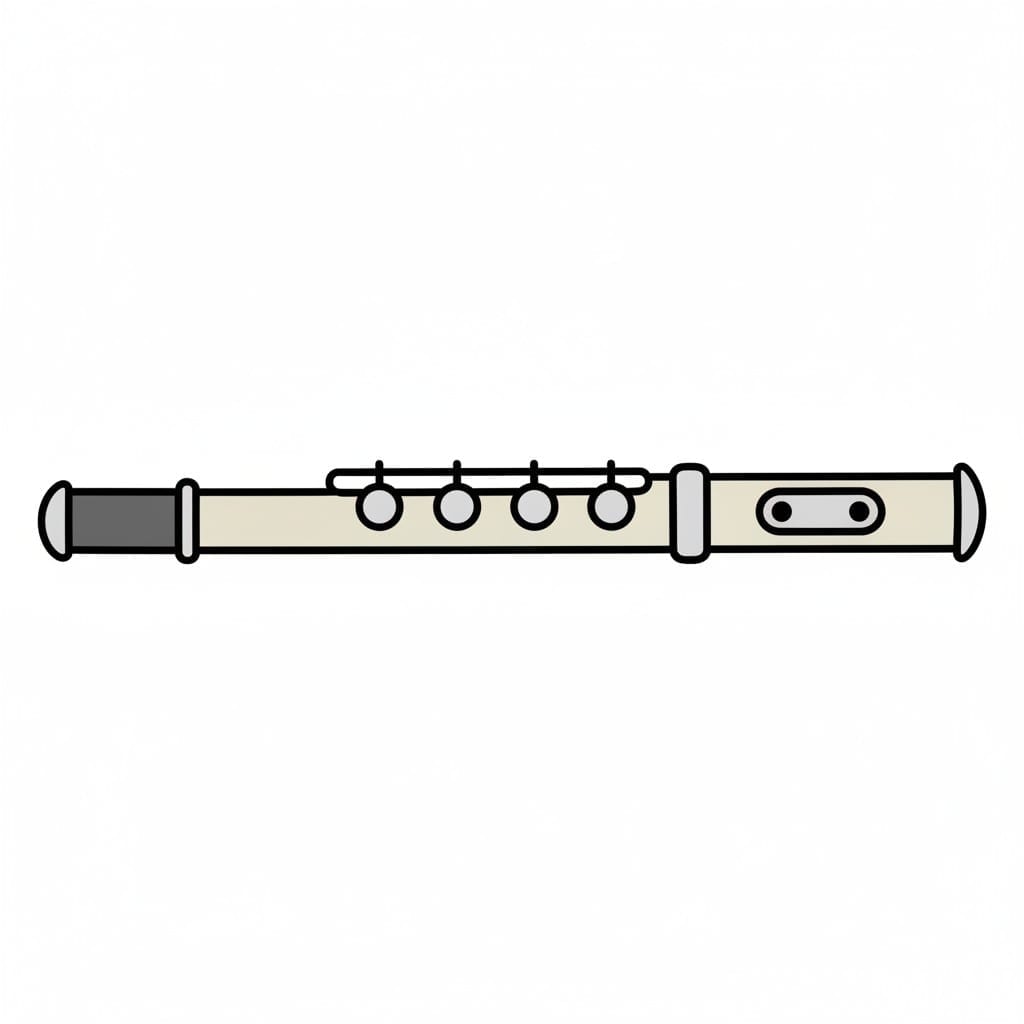
Flute
An image of a flute.
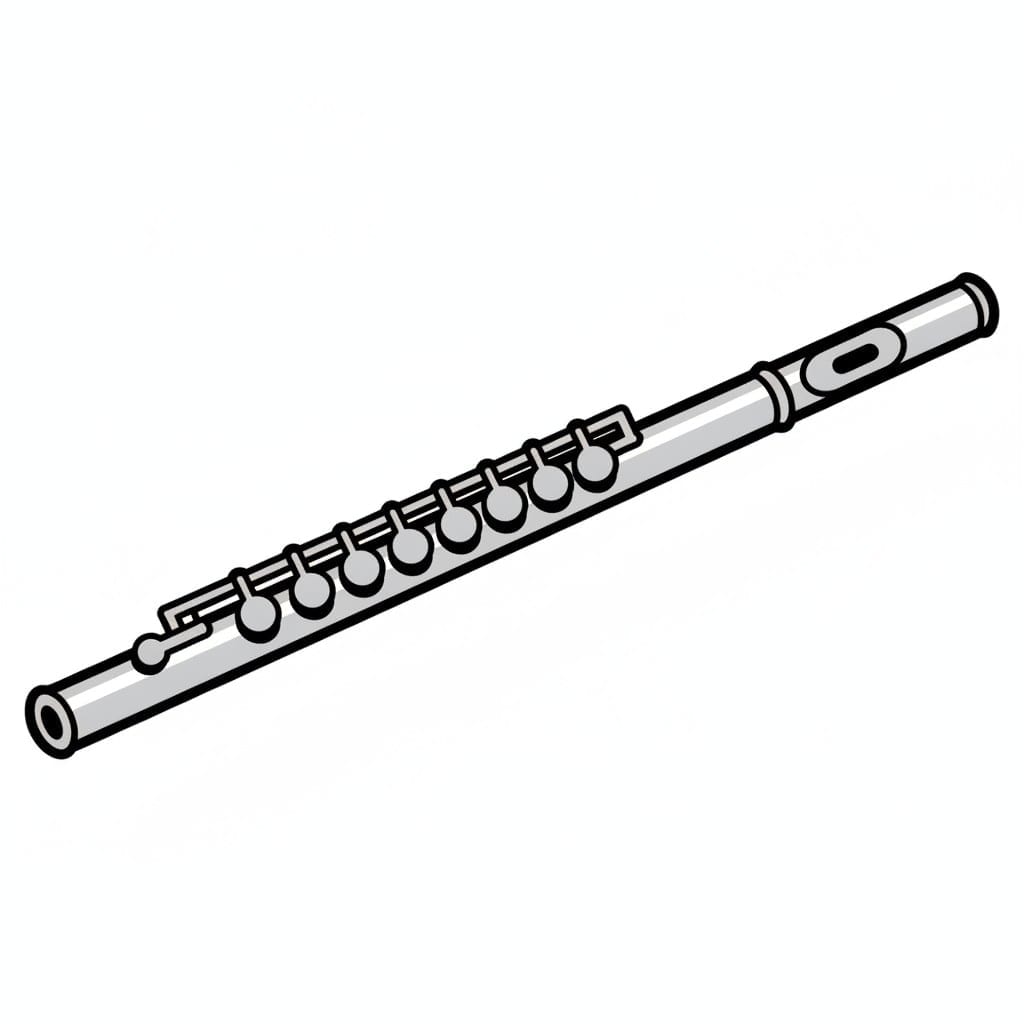
Silver flute
A silver flute lies diagonally across the picture with its keys and mouthpiece clearly visible.
About this visual support
The first squeaky note on a flute scratches the ears, even the ears of the player. For the child who just decided they wanted to play, it is a tender moment: the dream of beautiful music collides with the sound of a wounded duck. A simple please-keep-practicing rarely carries them through it.
A visual schedule splits practice into four concrete legs that can each succeed on their own: breathe in deep through the nose, rest the lips softly on the mouthpiece, blow one long even tone, lift one finger. Seeing calm breathing pictured first makes it clear that the tone is not the starting point, the breath is. That takes a lot of pressure off the result.
A concrete tip: record a short practice clip once a week, not every day. The child can hear that the tone is actually straightening over time, even when today felt sharp in all the wrong ways. In the Routined app the practice cards can be paired with a short timer that marks the end, so the session stops in time, before tired fingers start steering the music.
Use this image in a schedule
Build your own visual schedule with this image and download it as a print-ready PDF. Completely free.

More similar visual supports
Piano
A piano with a bench in front of it.
Guitar
A person sits playing an acoustic guitar in front of a music stand.
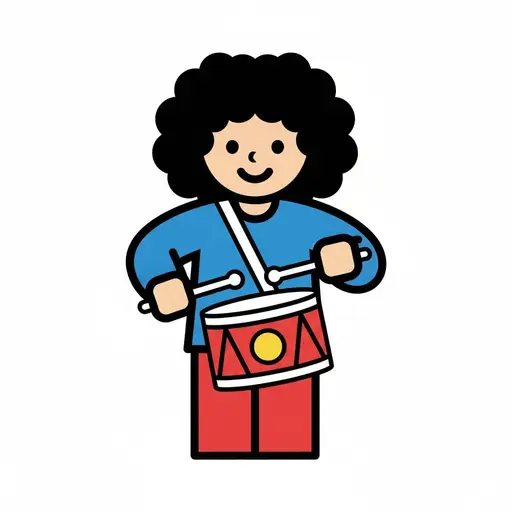
Play the marching drum
A child plays a red and white marching drum with sticks and a shoulder strap.
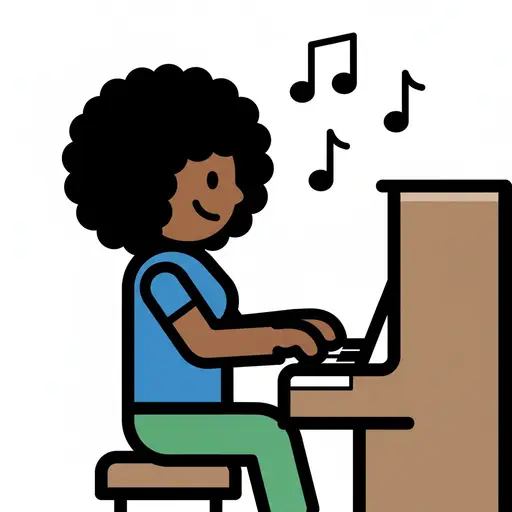
Practice piano
A person sits playing the piano. Musical notes float in the air above the piano.
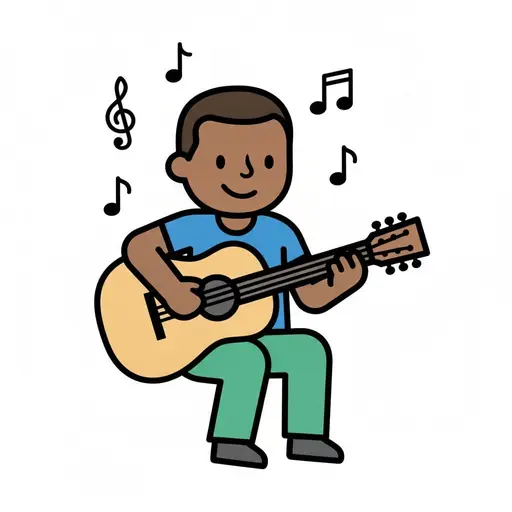
Practise the instrument
A boy sits playing an acoustic guitar with music notes and a treble clef beside.
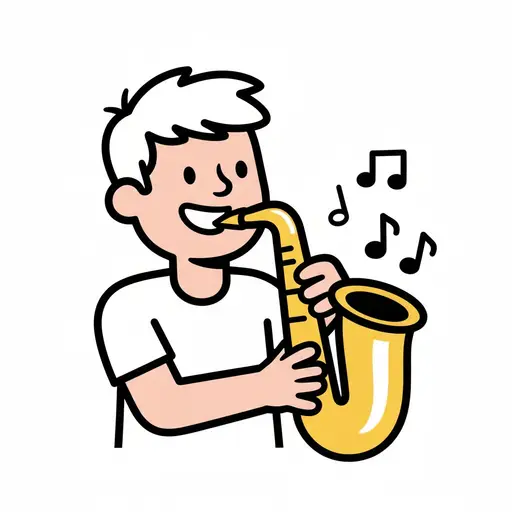
Practise the saxophone
A boy blows into a saxophone while music notes float around him.
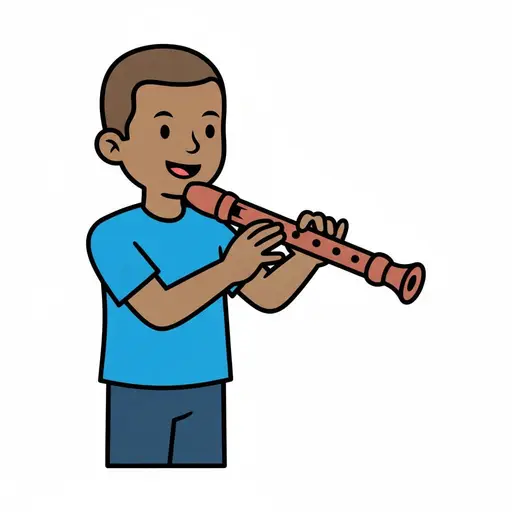
Recorder
A boy plays a red-brown recorder.
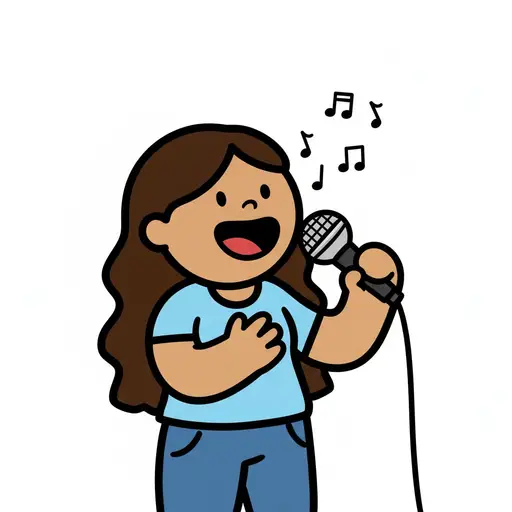
Sing
A person is holding a microphone and singing.
Take the visual supports with you
In Routined you build schedules from these pictures, add timers and voice instructions, and your child follows the day on their own.


* 14-day free trial included for new users.