Ice skate
The blade is thin, the ice is unforgiving and the legs are asked to do something brand new. The pictures below break the first attempt into pieces the body can actually follow.
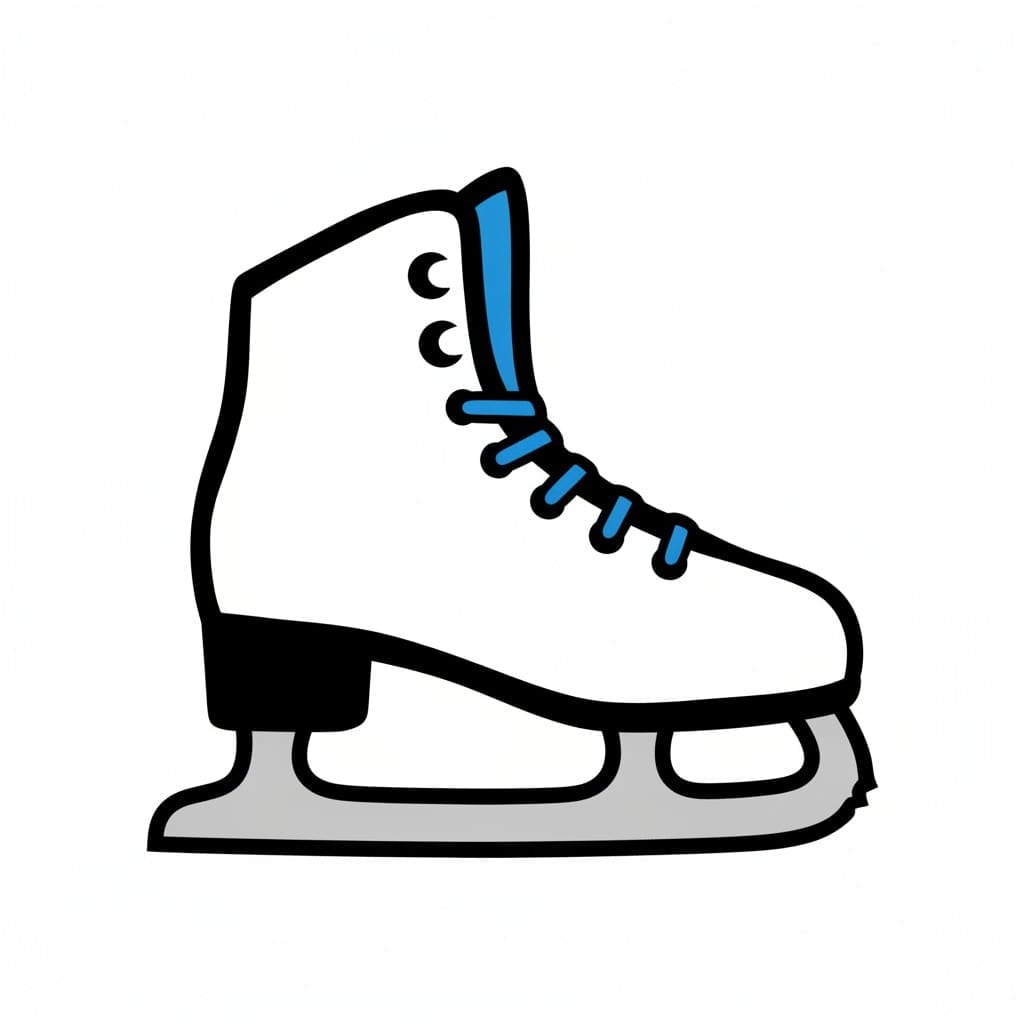
Ice skate
A white ice skate with blue laces and a grey blade.
About this visual support
Learning to skate is more often a head challenge than a leg challenge. The child already knows the fall is coming, and that knowledge locks the hips and shoulders before the body has tried balancing at all. Telling them to bend the knees one more time disappears under the sound of their own heartbeat.
A visual sequence flips the order. Instead of a verbal briefing on cold ice, the child gets to study the steps in a calm room: this is how the boot laces, this is how you push up from the bench, this is the first careful step, and this is what falling and getting back up looks like. When the falling picture is in the plan from the start, it stops being a failure.
A concrete tip: practise the standing-up move at home on a rug with the blade guards on before you leave. The movement is then already in muscle memory when you reach the ice. In the Routined app you can arrange the picture sequence in the order that suits your child and try fourteen days without paying to see whether it works for you.
Use this image in a schedule
Build your own visual schedule with this image and download it as a print-ready PDF. Completely free.

More similar visual supports
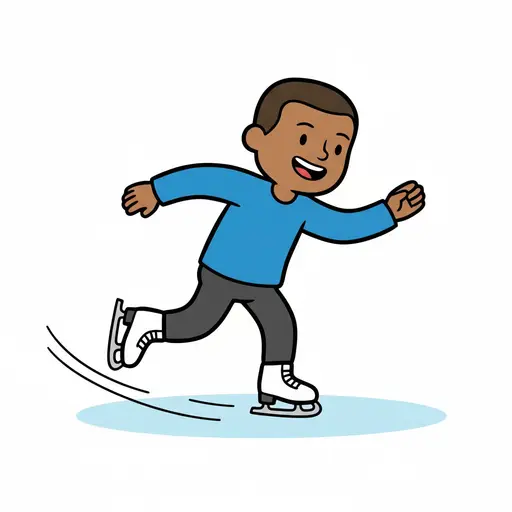
Ice skating
A boy is ice skating on the ice.
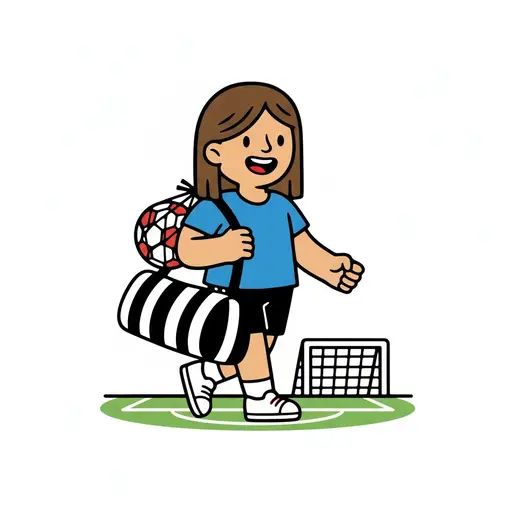
Go to practice
A child with a football and a bag walks across a pitch towards a goal.
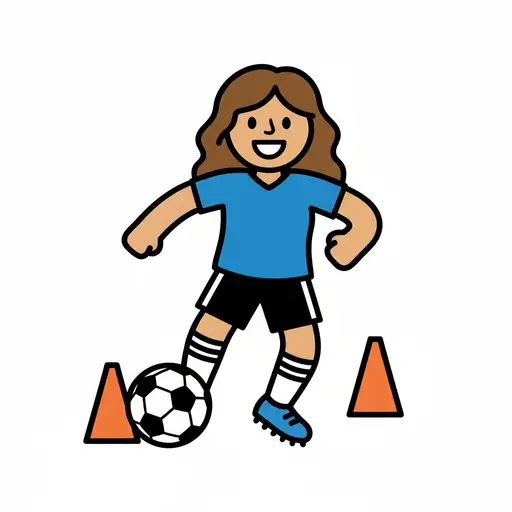
Kick-about
A girl dribbles a soccer ball between two orange cones on a white background.
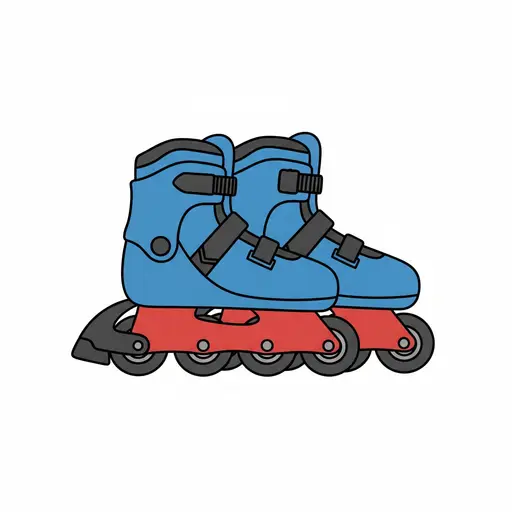
Roller skates
A pair of blue roller skates with red frames and black buckles.
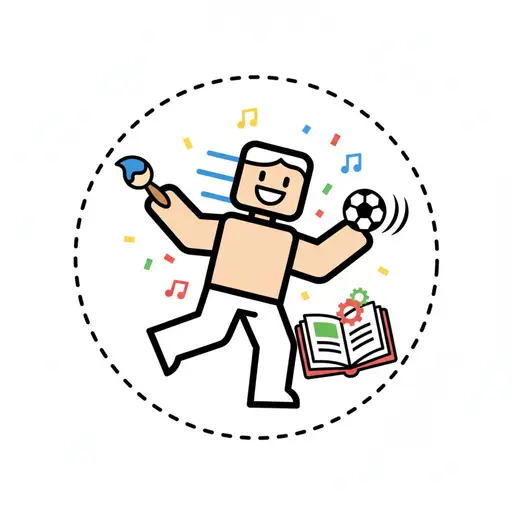
Activity
Inside a dashed circle a girl runs along holding a paintbrush in one hand and a ...

Dress for exercise
A woman putting on her exercise clothes.
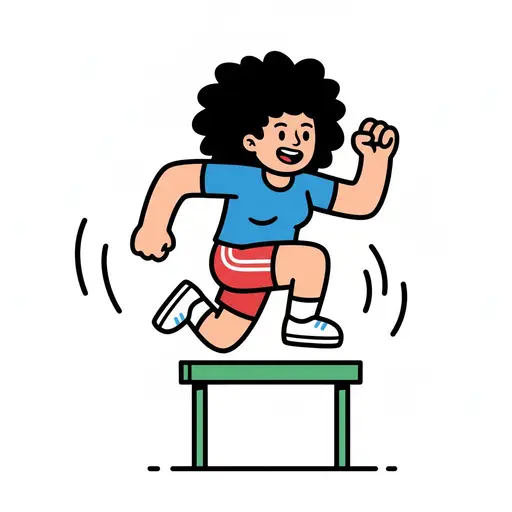
Exercise
Cartoon illustration of a woman in sportswear jumping over a green hurdle.
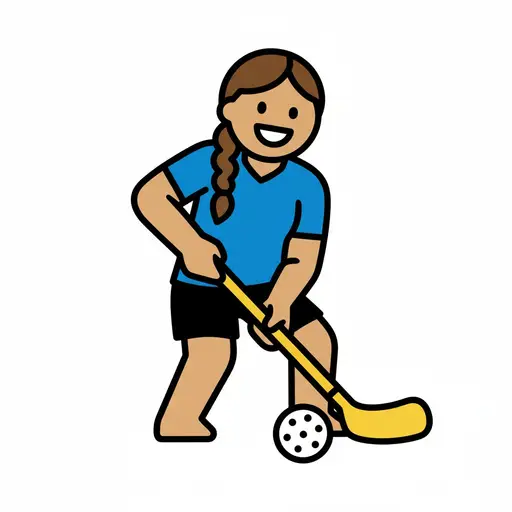
Floorball
A person with braided hair playing floorball with a stick and ball.
Take the visual supports with you
In Routined you build schedules from these pictures, add timers and voice instructions, and your child follows the day on their own.


* 14-day free trial included for new users.