Play outdoors
Outside is never just outside. It is rain pants, other kids at the playground and the question of when we are leaving. The visuals below break the going-out and coming-home into clear steps.
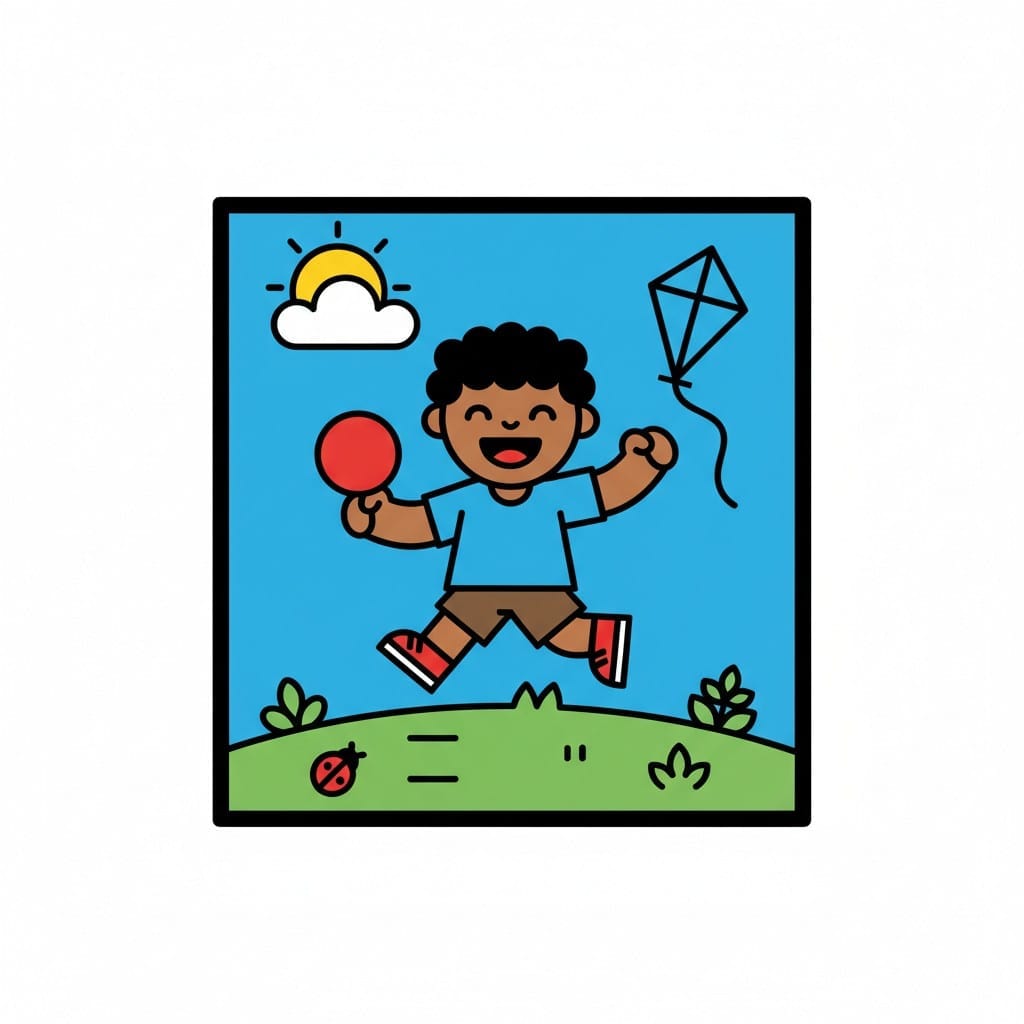 ♂
♂Playing with ball and kite
A happy boy runs outdoors holding a red ball. A kite is visible in the sky. The sun is shining with a cloudy sky.
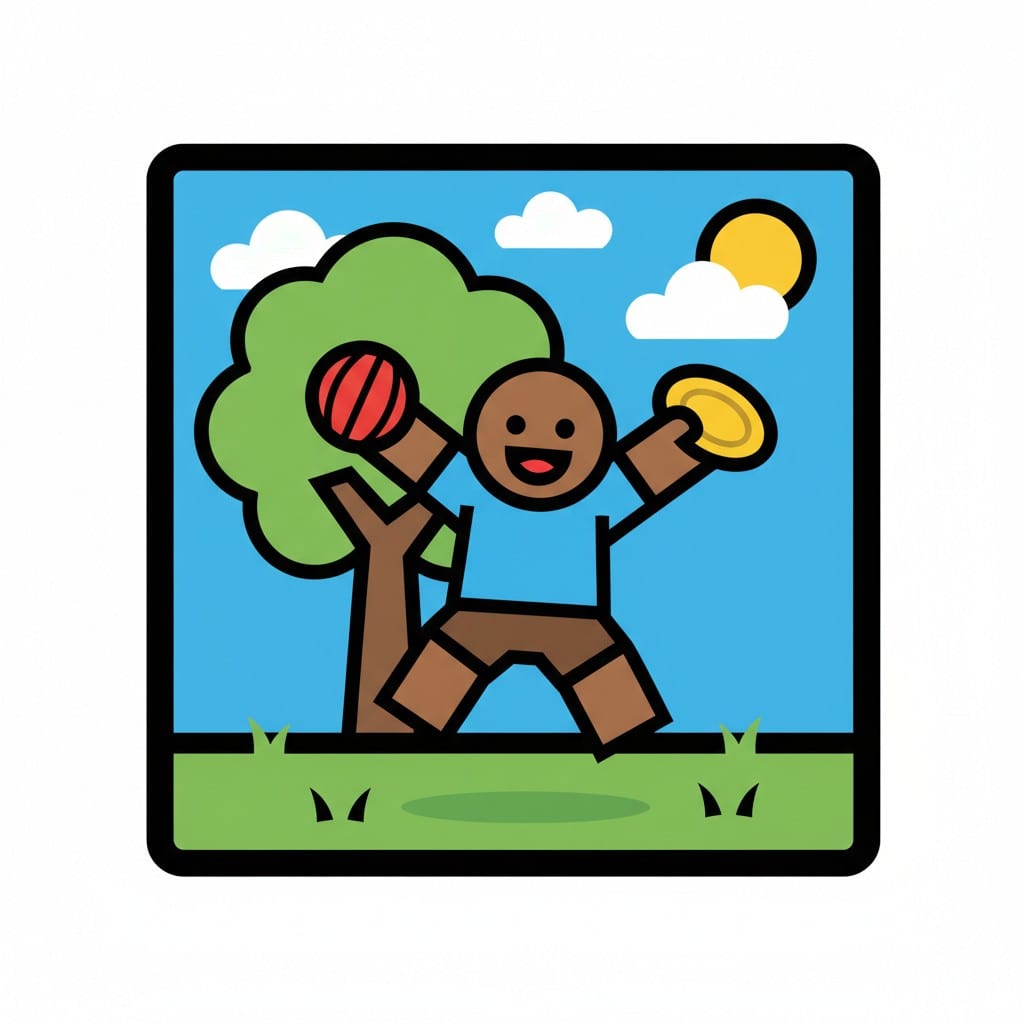 ♂
♂Playing with ball and frisbee
A happy boy plays outdoors with a red ball in one hand and a yellow frisbee in the other. In the background there is a tree, sun, and clouds.
 ♂
♂Playing soccer at playground
A happy boy holds a soccer ball. In the background, there is a playground with a swing set and slide. Sun and clouds in the sky.
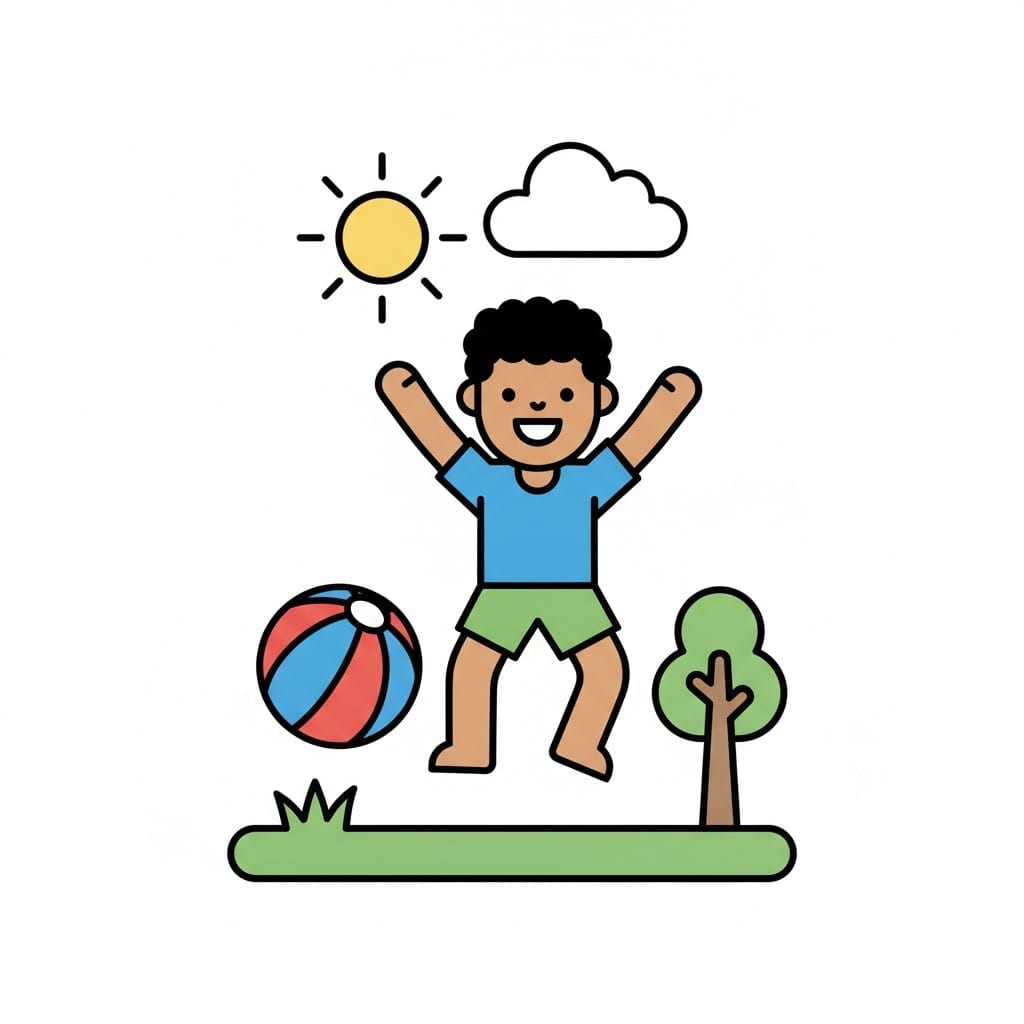 ♂
♂Boy jumping outdoors
A boy leaps with both arms raised on a strip of grass, next to a striped beach ball and a small tree under the sun.
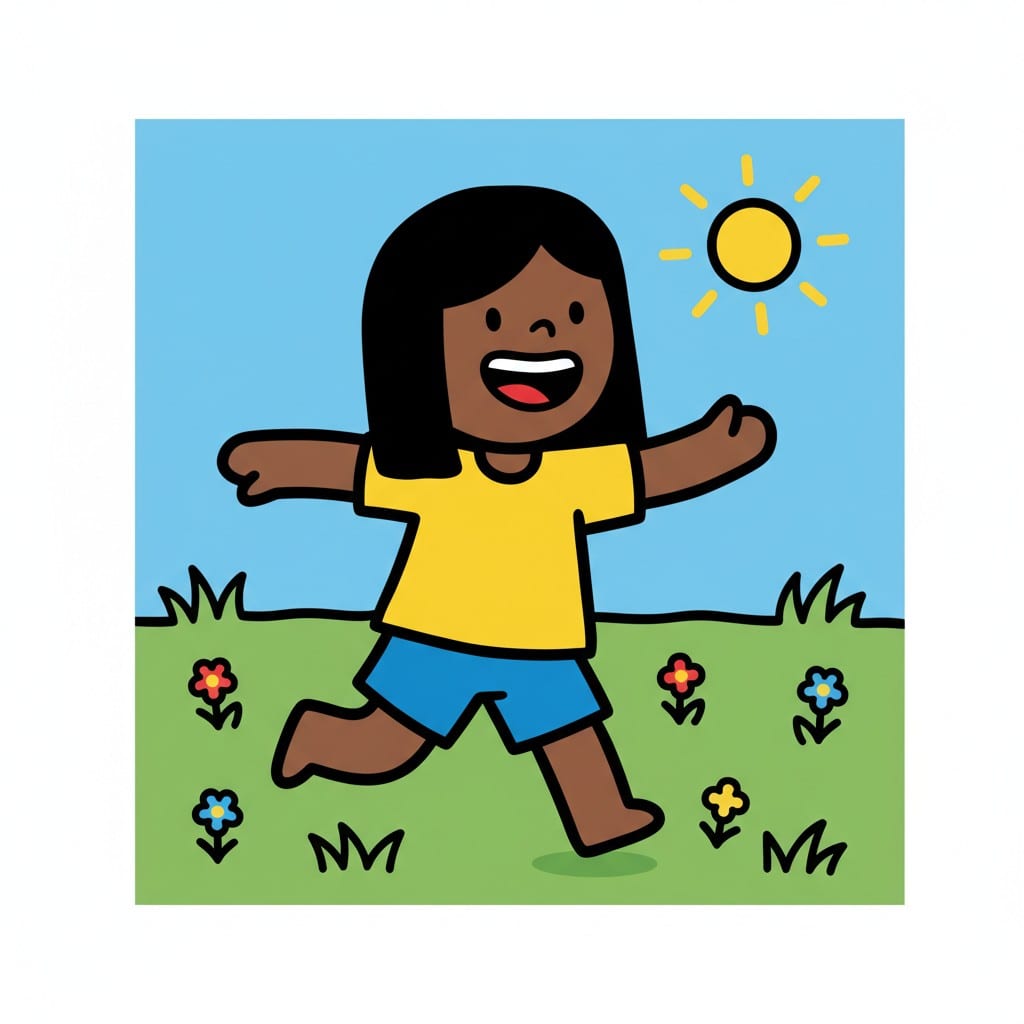 ♀
♀Play outside
A girl running happily outside in a green field with colorful flowers under a blue sky with a yellow sun.
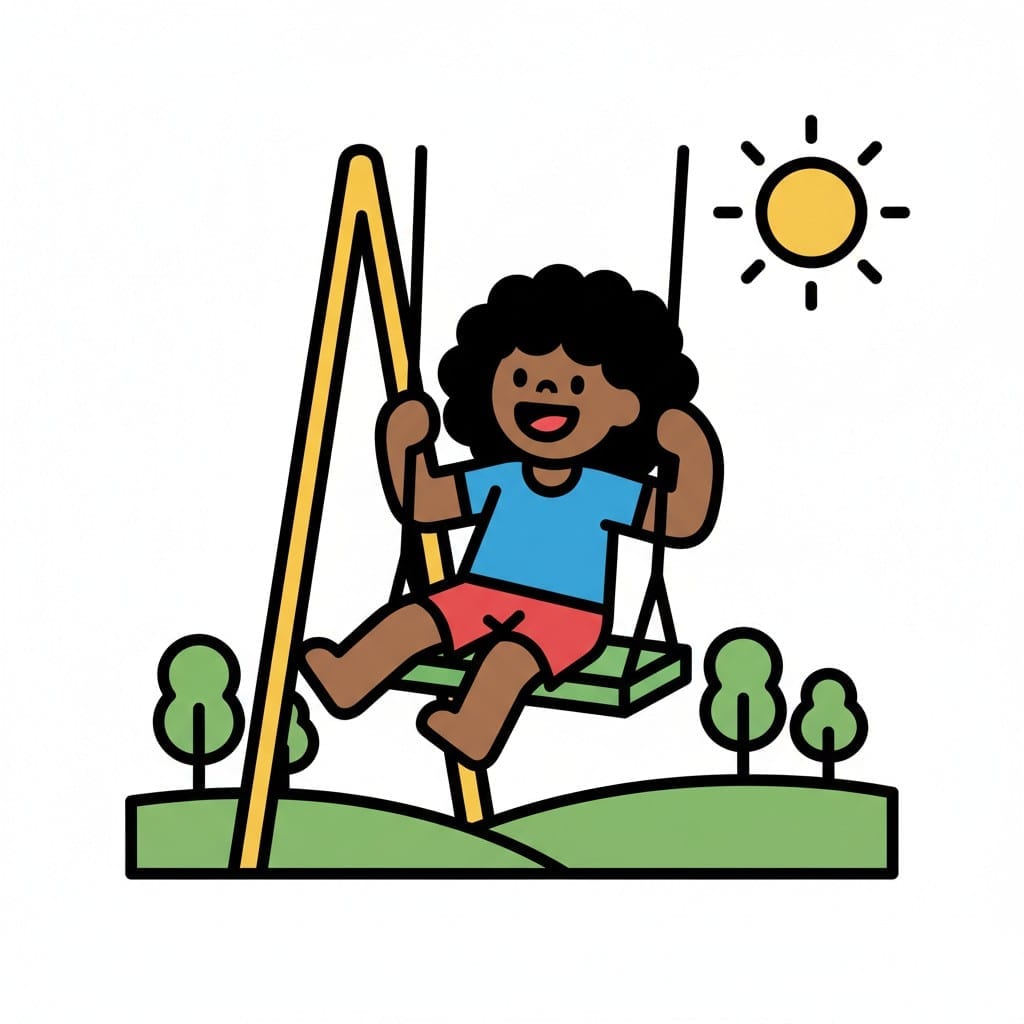 ♀
♀Girl on a swing
A girl sits laughing on a swing surrounded by green hills, small trees and a bright sun.
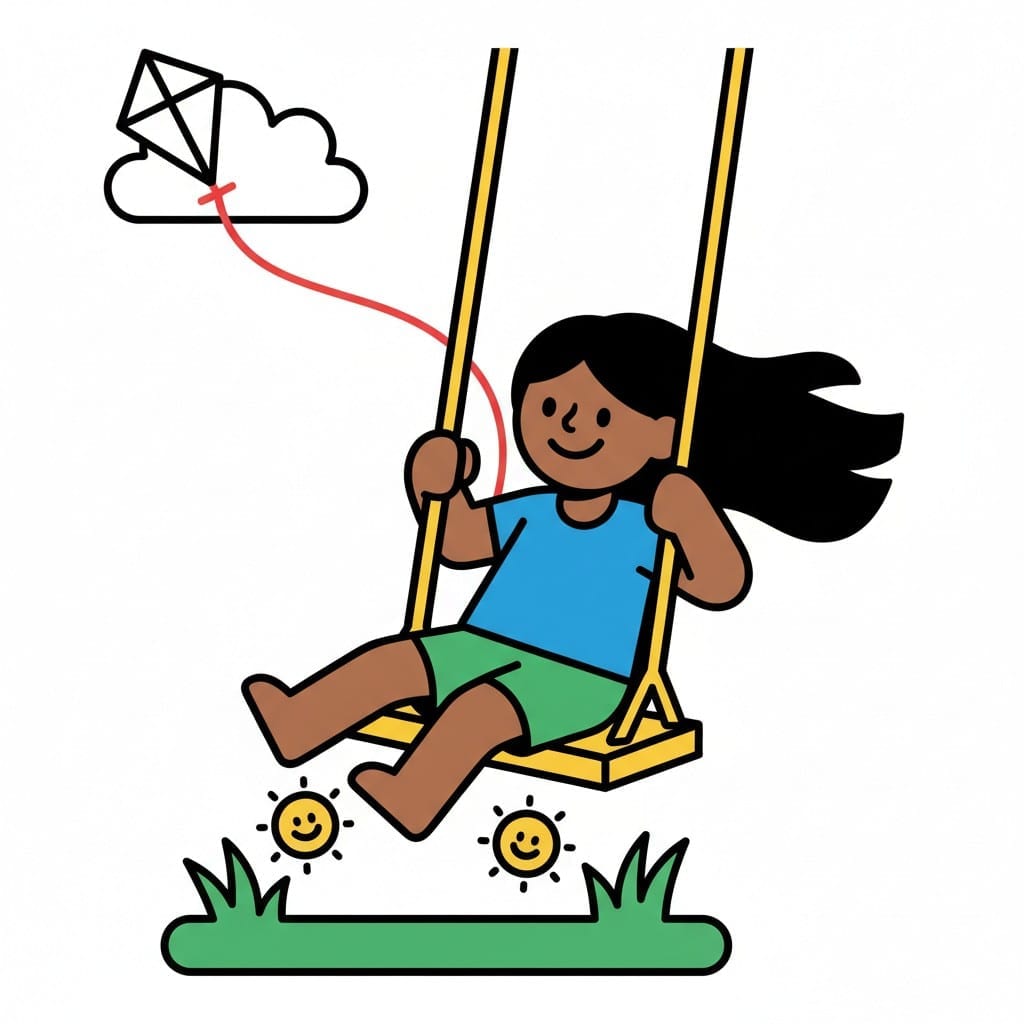 ♀
♀Girl swinging with a kite
A girl swings high with her hair streaming back while a kite flies in the sky above the grass.
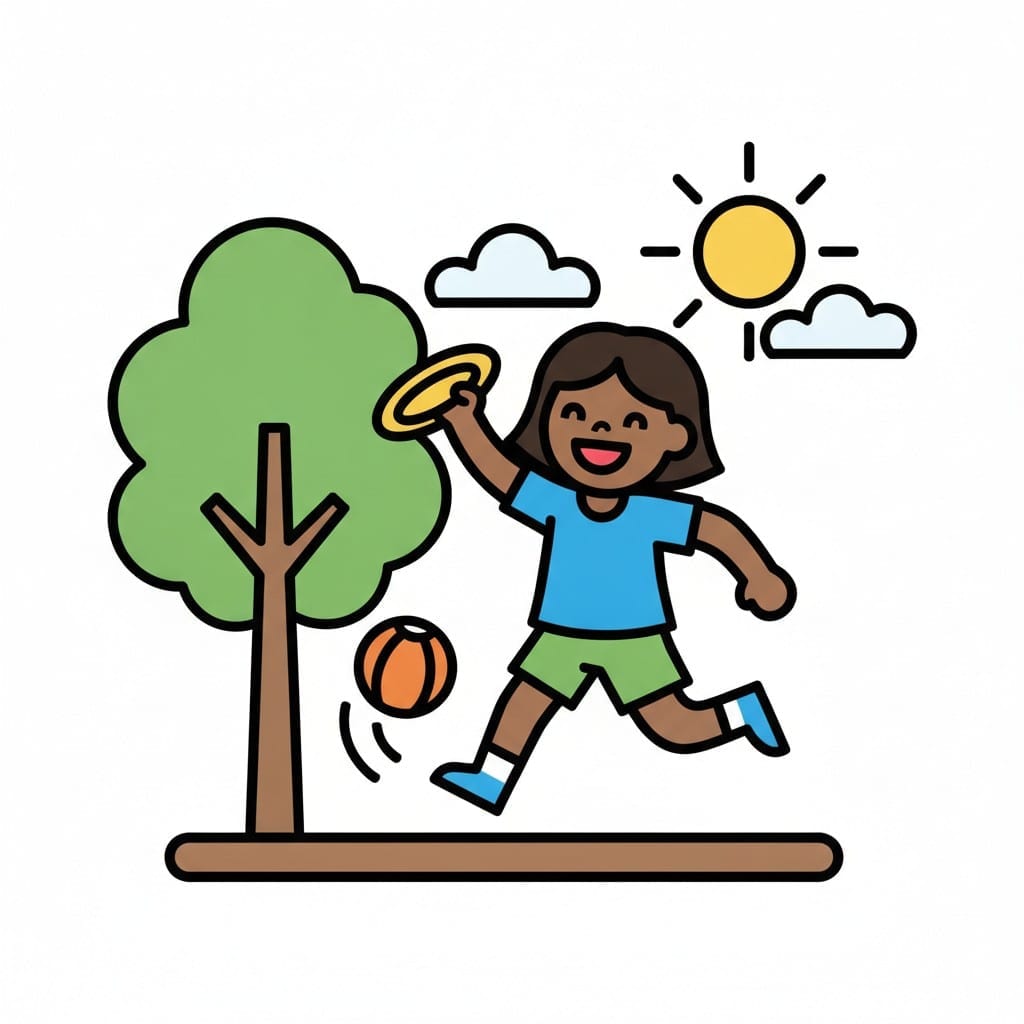 ♀
♀Girl throwing a frisbee in the park
A laughing girl runs and throws a yellow frisbee beside a tree and a bouncing ball, under the sun and clouds.
About this visual support
What looks like one activity is really three: getting out, being out, getting home. The first threshold is set by the clothes, the weather and whether the friends are already there. The second is the goodbye to the swing, the toy that has to stay and the walk back when the legs are already tired. Both cost more than the minutes of actual outdoor play.
When visual support shows the whole arc, the child can prepare for two departures instead of being surprised by one. A picture of the rain boots means they are no longer an unexpected question in the hallway, and a picture of the walk home means the end of play has started in the head the moment it has been pointed at. This is not shortening the play, it is making it bearable at both ends.
A concrete approach: walk through the whole sequence before getting dressed, and tap the home card once more ten minutes before you actually leave. The surprise is already absorbed. To set an actual timer for that last stretch, you can build it in Routined after a 14-day trial.
This image is part of these ready-made schedules
Use this image in a schedule
Build your own visual schedule with this image and download it as a print-ready PDF. Completely free.

More similar visual supports

Activity
Inside a dashed circle a girl runs along holding a paintbrush in one hand and a ...
Do puzzle
A girl with brown hair in a ponytail sits at a table assembling a puzzle with se...
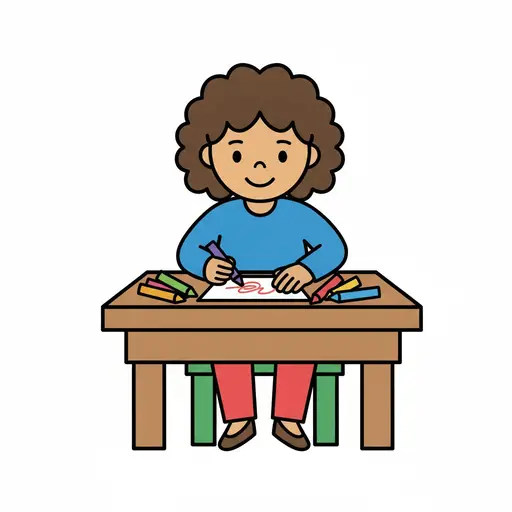
Draw
A child sits at a table drawing on paper with crayons.
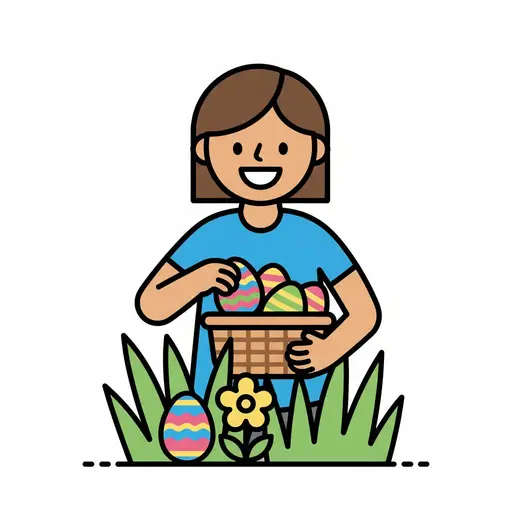
Easter egg hunt
A person collecting Easter eggs in a basket in the grass.
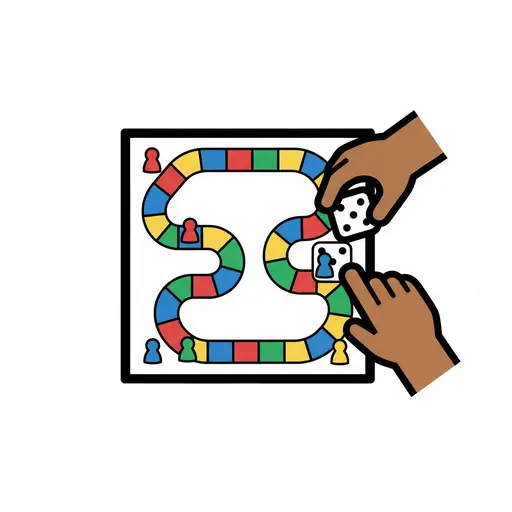
Game
Two hands rolling dice and moving pieces on a colorful board game.
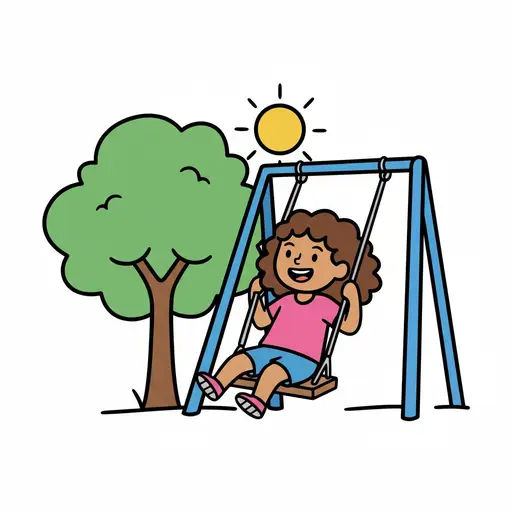
Outdoor Play
A happy girl on a swing in an outdoor setting with a tree and sun.
Play bingo
A person with long, dark hair is playing bingo, holding red bingo balls and spin...
Play time
A laughing boy juggles a red, a blue and a yellow ball while a toy car, blocks a...
Take the visual supports with you
In Routined you build schedules from these pictures, add timers and voice instructions, and your child follows the day on their own.


* 14-day free trial included for new users.