Training Cardigan
The difference between a smooth session and an interrupted one can sit in how the collar feels against the neck and whether the zipper pinches when arms lift. The visual support below walks the child through the fit calmly.
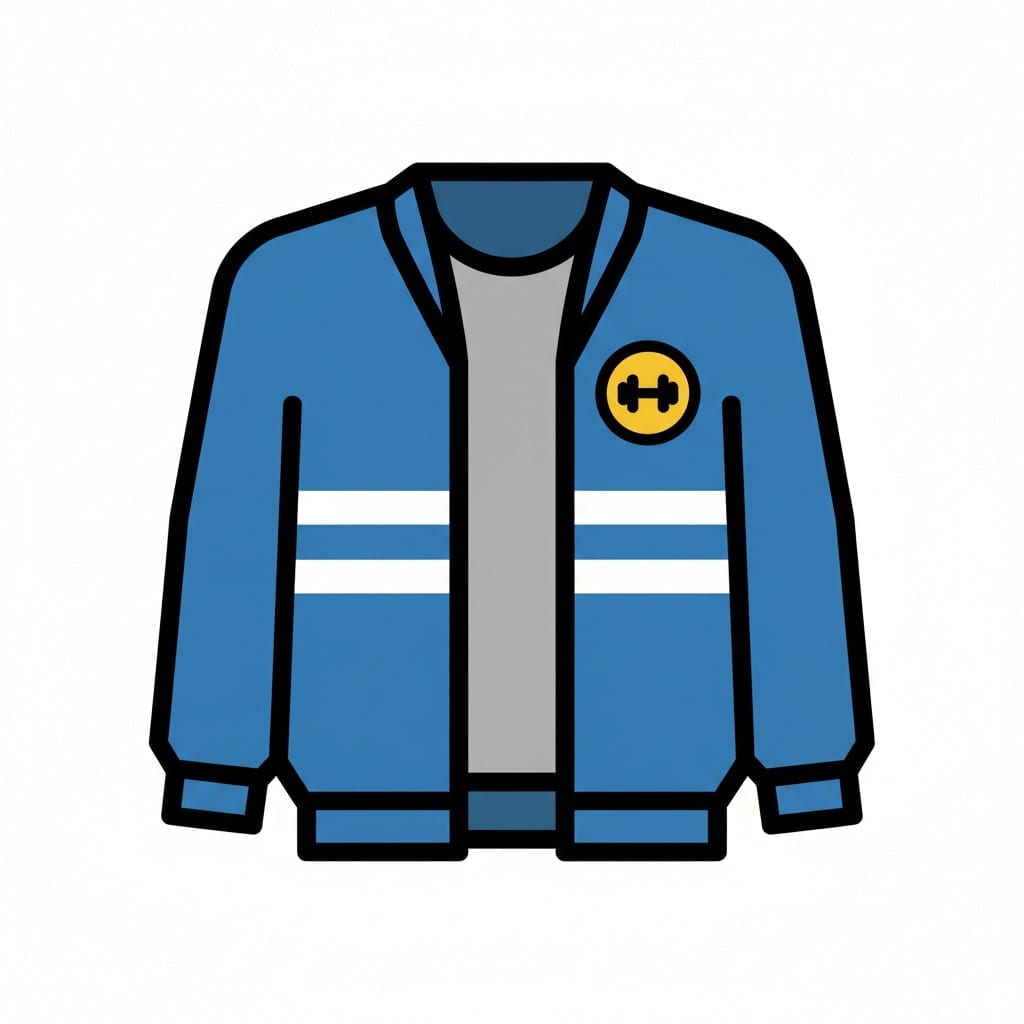
Training jacket with dumbbell icon
A blue training jacket with white stripes on the sleeves and a yellow dumbbell icon on the chest.
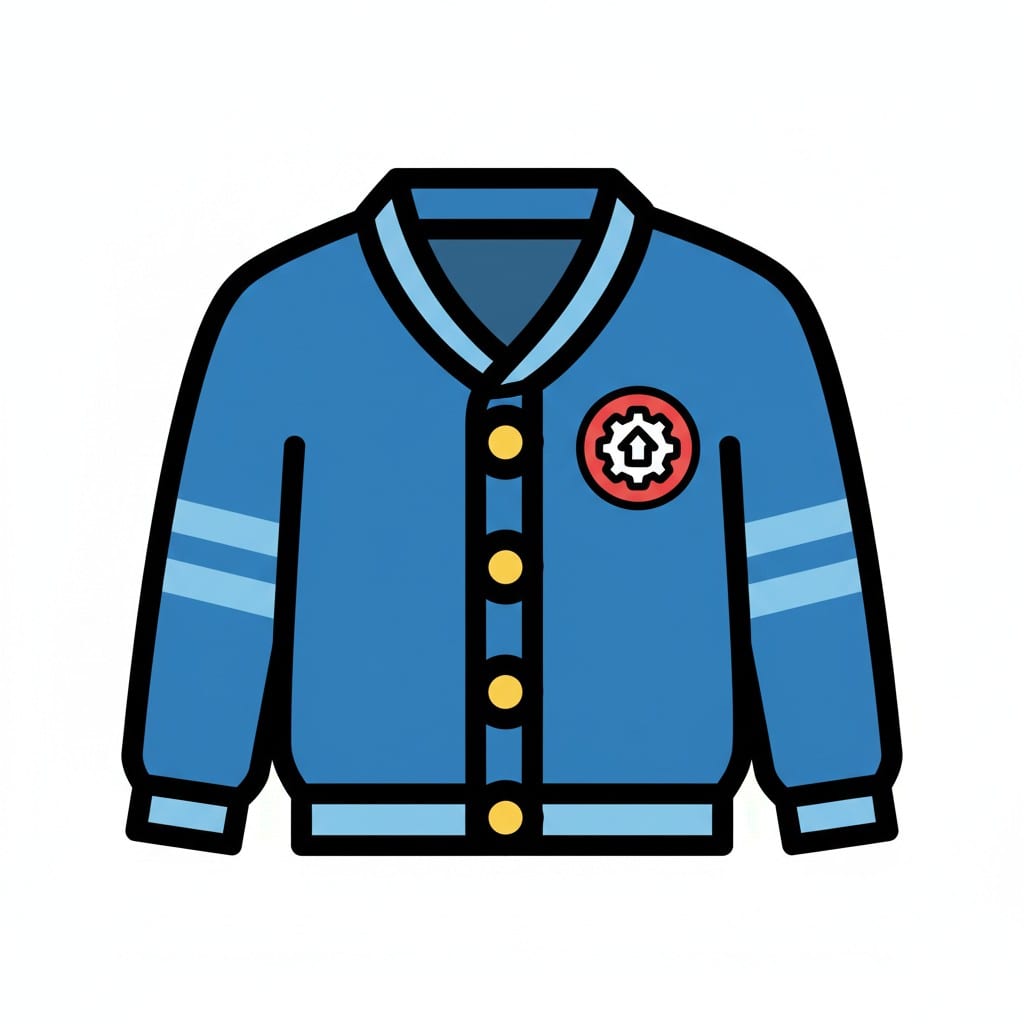
Blue cardigan with buttons and gear icon
A blue cardigan with yellow buttons and a red gear icon with an arrow on the chest.
About this visual support
A training cardigan is not just a garment, it is a string of sensory calls. The neckline may scratch when the head turns, the top tooth of the zipper can press into the dip of the throat, and the surface of the fabric can feel completely different on a sweaty arm than on a dry one. For a child with sensitive skin, one of those details is enough to derail an entire session.
A visual schedule turns the invisible calls into something concrete. By showing the cardigan flat, the collar opened, the zipper half-up, the sleeve turned right and finally the cardigan on, the child gets to meet each part before the garment lands on the body. It is the difference between diving into an unknown fabric and having a moment to calibrate. Naming the parts out loud – collar, zipper, cuff – also helps the child later say what is not working.
A concrete tip: always test the cardigan in the actual movements that the session demands, not standing still in front of the mirror. A zipper that does not pinch with arms by the side may still press when an arm reaches straight up. Inside Routined you can drop the cardigan into a prep sequence as its own card, so the child sees it before stepping out the door.
Use this image in a schedule
Build your own visual schedule with this image and download it as a print-ready PDF. Completely free.

More similar visual supports
Soccer clothes
A blue soccer jersey with the number 7, blue shorts, blue soccer socks, and blac...
Bring gym clothes
A smiling boy holds a stack of clothes and a pair of red gym shoes, with an arro...
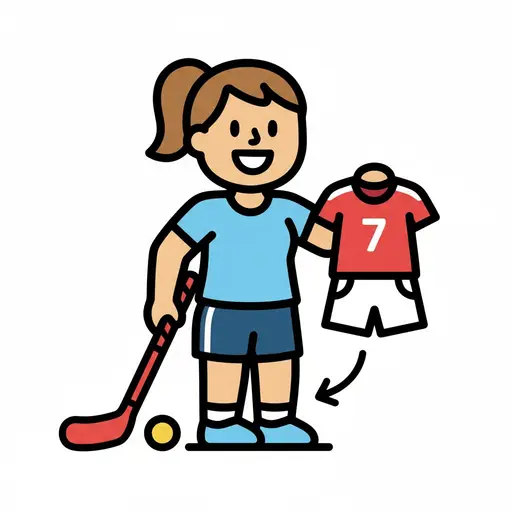
Change for floorball
A person holds a floorball stick and shows their floorball outfit, consisting of...
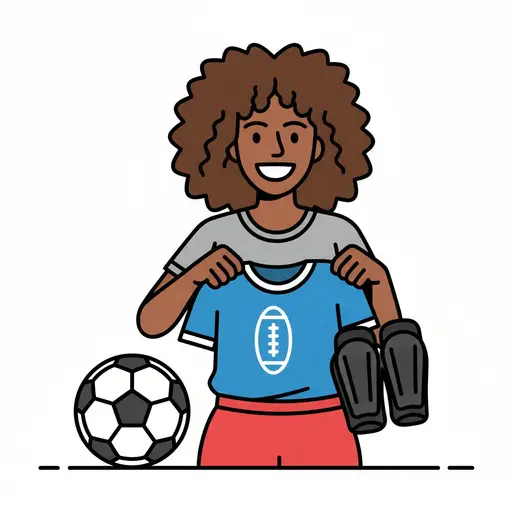
Change for football
A girl holds up a football jersey with a football and shin guards next to her.
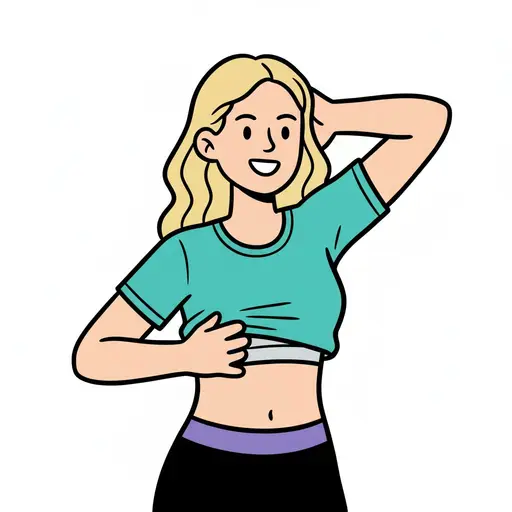
Dress for exercise
A woman putting on her exercise clothes.
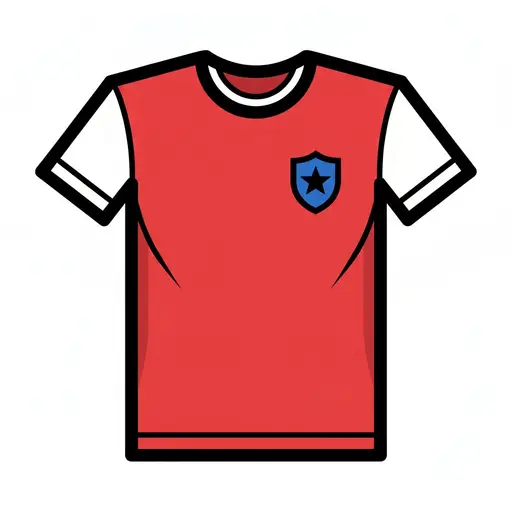
Football shirt
A red football jersey with white sleeves and a club badge on the chest.
Get changed for training
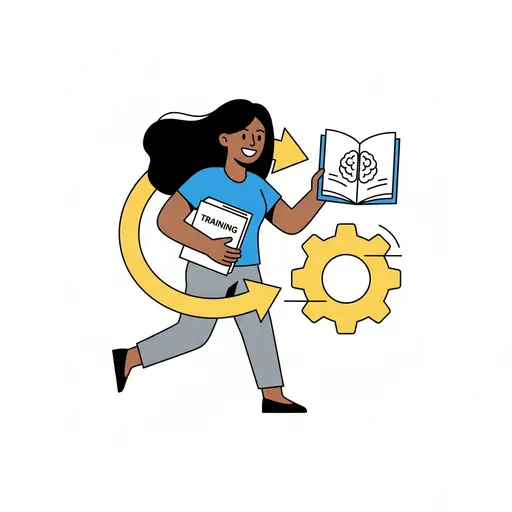
A woman strides forward with a folder labelled Training under her arm and an ope...
Get dressed for exercise
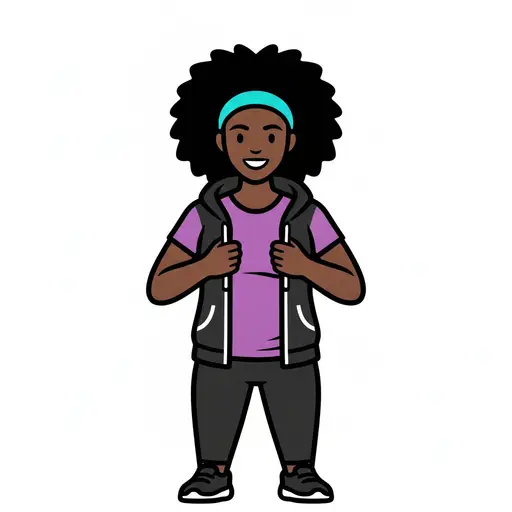
A child stands dressed in leggings, a t-shirt, a vest, a headband and trainers.
Take the visual supports with you
In Routined you build schedules from these pictures, add timers and voice instructions, and your child follows the day on their own.


* 14-day free trial included for new users.