Go inside
A door is a border the body notices before the head has caught up. Outside is movement and sound, inside is walls and different rules, and the switch happens in a single step. The pictures below show what waits on the other side, so the change is no surprise.
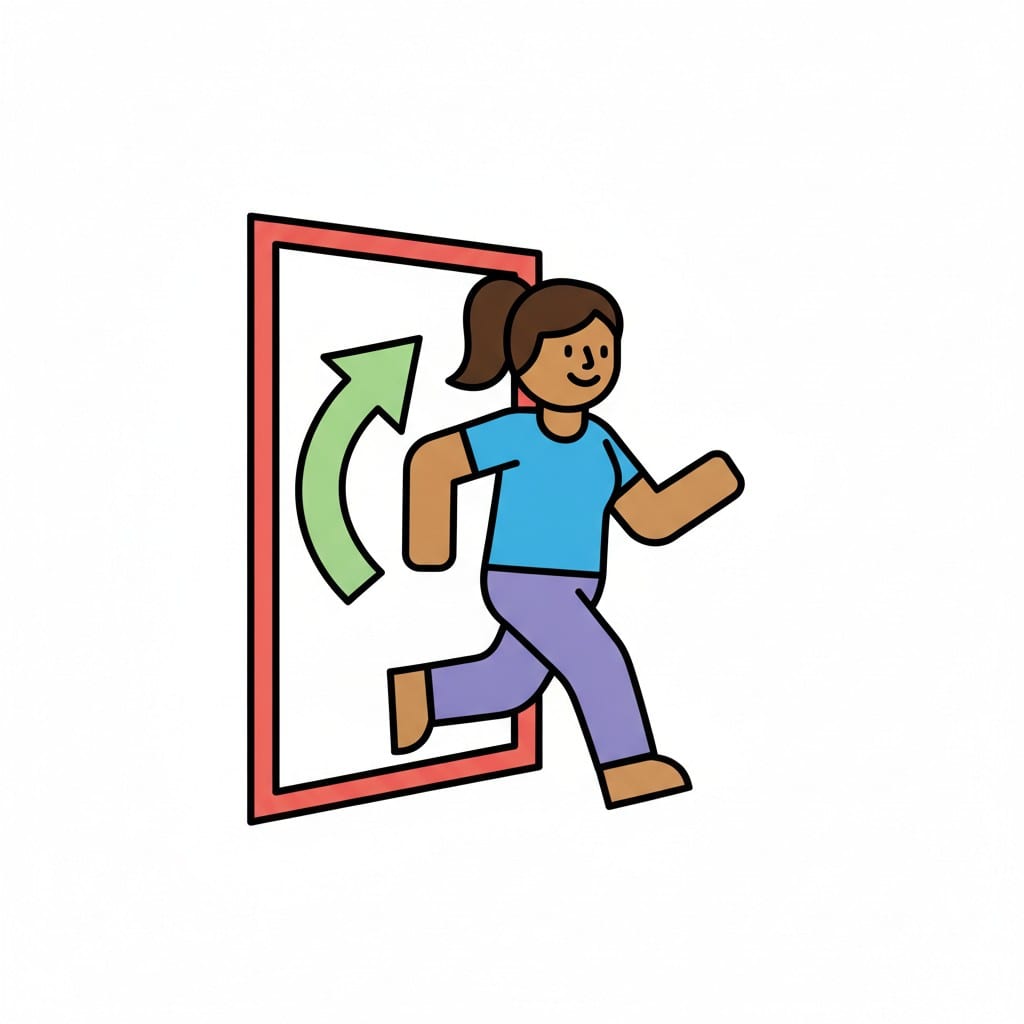 ♀
♀Person stepping through the doorway
A smiling person with a ponytail steps through a red door frame, with a green curved arrow pointing inwards.
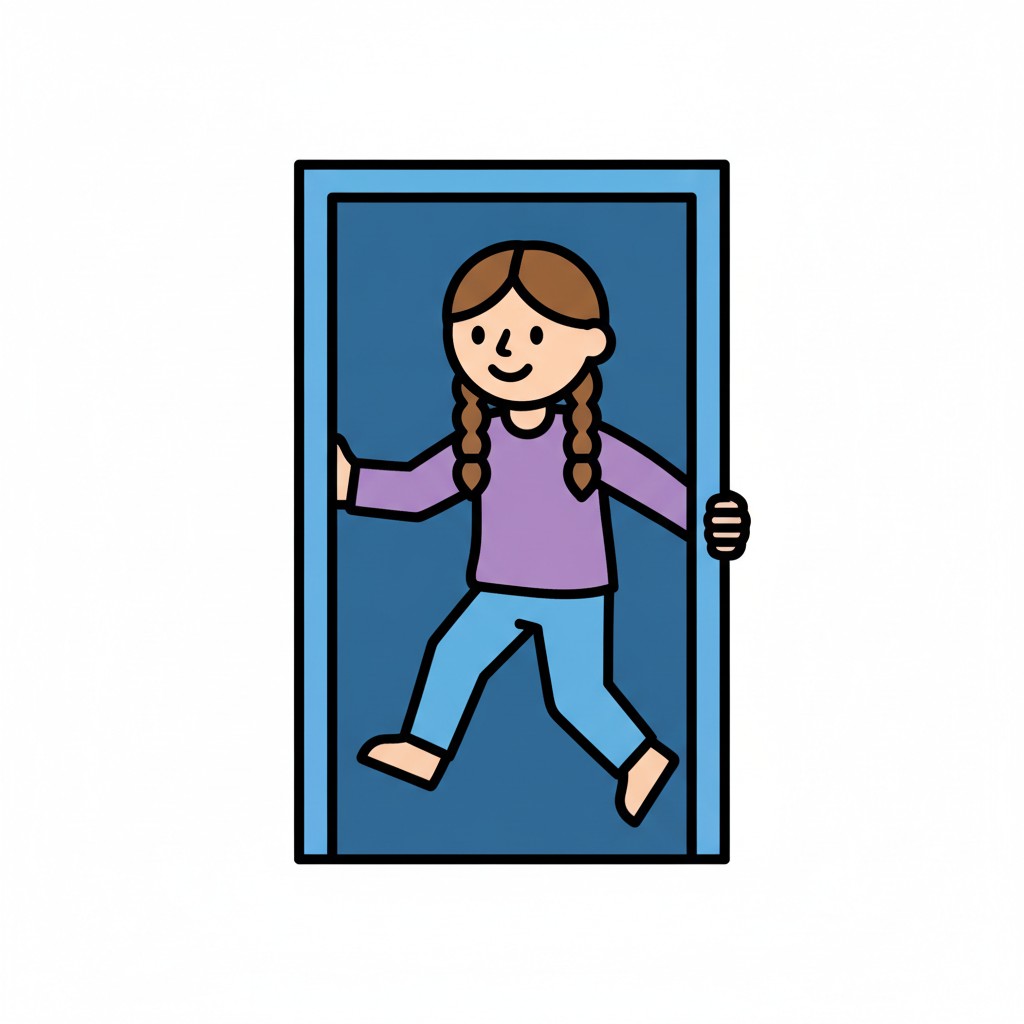 ♀
♀Come in through the door
A person stands in an open doorway on their way in.
About this visual support
Transitions between environments cost more energy than the environments themselves. Outdoors the body can move freely, sounds arrive from a distance and nobody insists on sitting down. Indoors everything tightens at once: walls, sound bouncing back, clothes to remove and an expectation of lower tempo. Stopping on the doorstep is therefore not defiance but a pause between two states.
Visual support shortens that pause by showing what comes next. Three pictures just inside the door, shoes off, jacket on the hook, wash your hands, give the body a task to land in. It is easier to walk towards something concrete than towards an undefined indoors. The row can hang at eye level on the inside of the door, where the gaze lands first anyway.
A concrete tip is to make the first picture the most physical one, kicking off the shoes for instance. Movement first, stillness after, makes the switch gentler. In Routined the homecoming can sit as a short routine with three steps, and the app can be tried for fourteen days at no cost.
Use this image in a schedule
Build your own visual schedule with this image and download it as a print-ready PDF. Completely free.

More similar visual supports
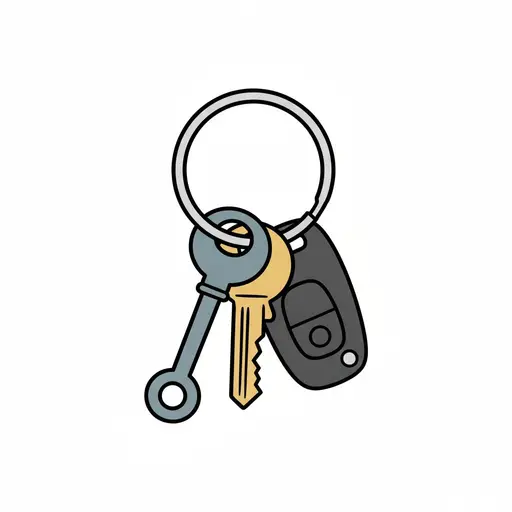
Keys
A key ring with two keys and a car key fob.
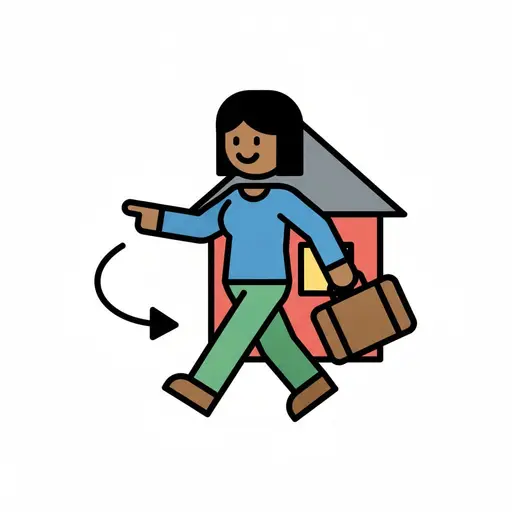
Leave home
An adult walks away from a house with a bag, an arrow pointing away.
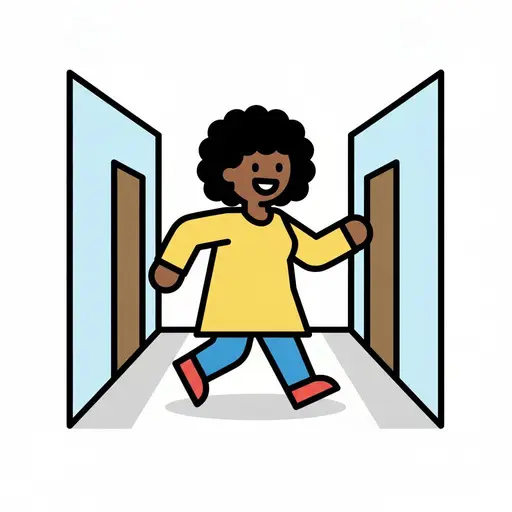
Walk in the hallway
A child walks down a hallway between two open doors.
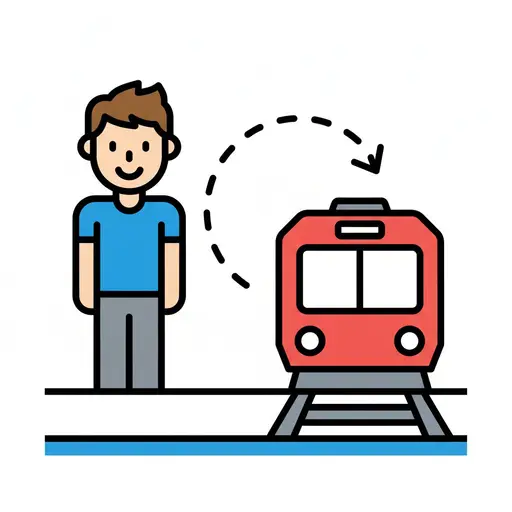
Before the train
A boy stands on the platform while a dashed arrow points toward a red train on t...
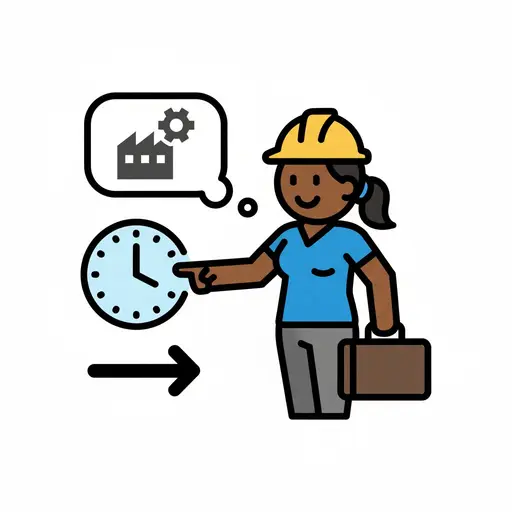
Before work
A woman wearing a yellow hard hat and blue shirt, holding a toolbox and pointing...
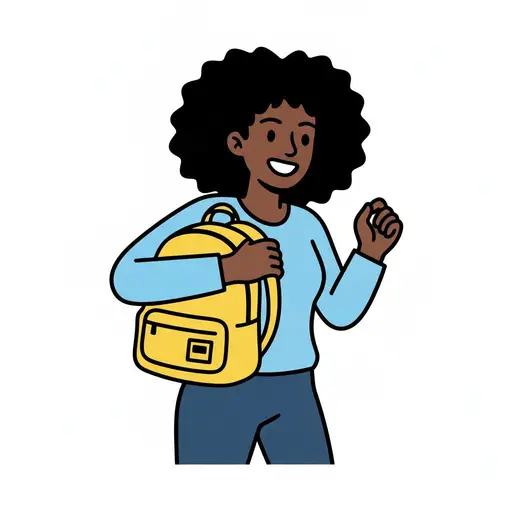
Bring backpack
A smiling girl in a blue top swings a yellow backpack onto her shoulder as she s...
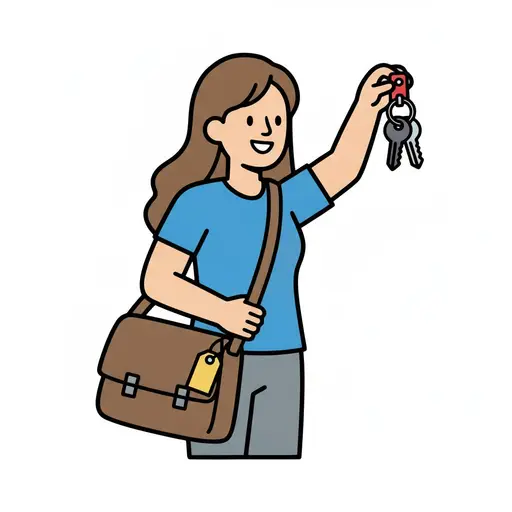
Bring keys
A woman with a shoulder bag holds up a bunch of keys.
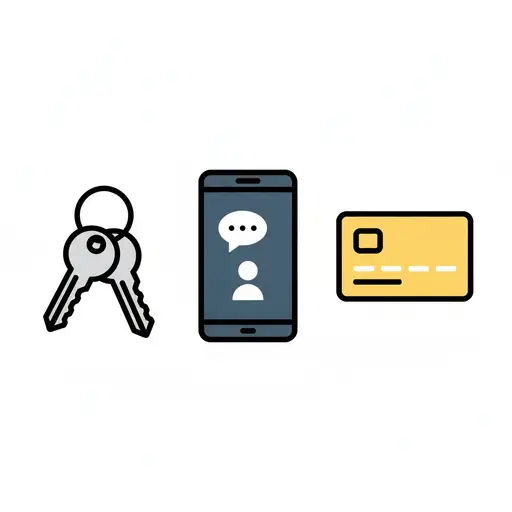
Bring keys and phone
Keys, a phone with a chat icon and a card in a row.
Take the visual supports with you
In Routined you build schedules from these pictures, add timers and voice instructions, and your child follows the day on their own.


* 14-day free trial, then $2.39 a month or $20.99 a year (US pricing). Cancel anytime.