Ride the bus
Strangers elbow to elbow, a sudden beep at the doors and a bus that rolls on whether or not a child has settled. These steps make the trip readable in advance, from waiting at the sign to pressing the stop button.
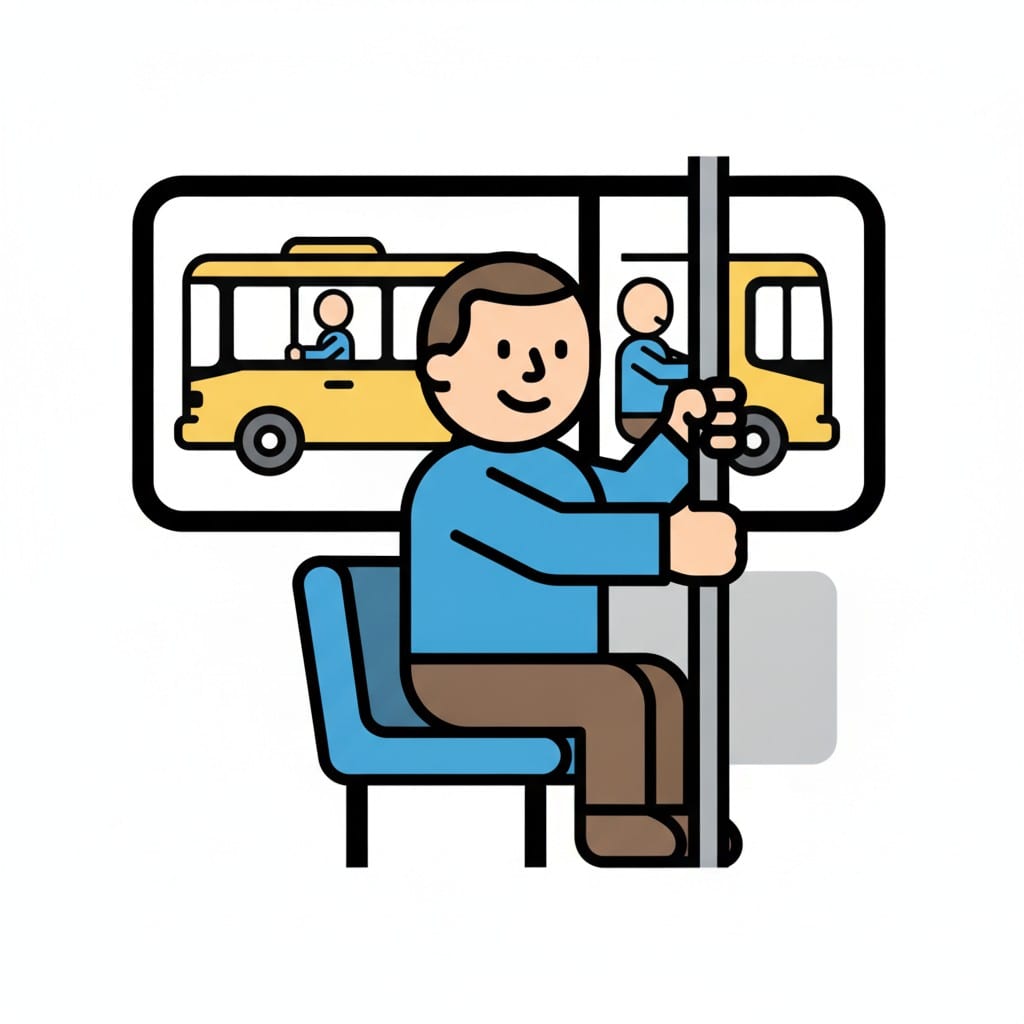 ♂
♂Ride the bus
A child sits on a bus seat holding a pole, with a bus visible through the window.
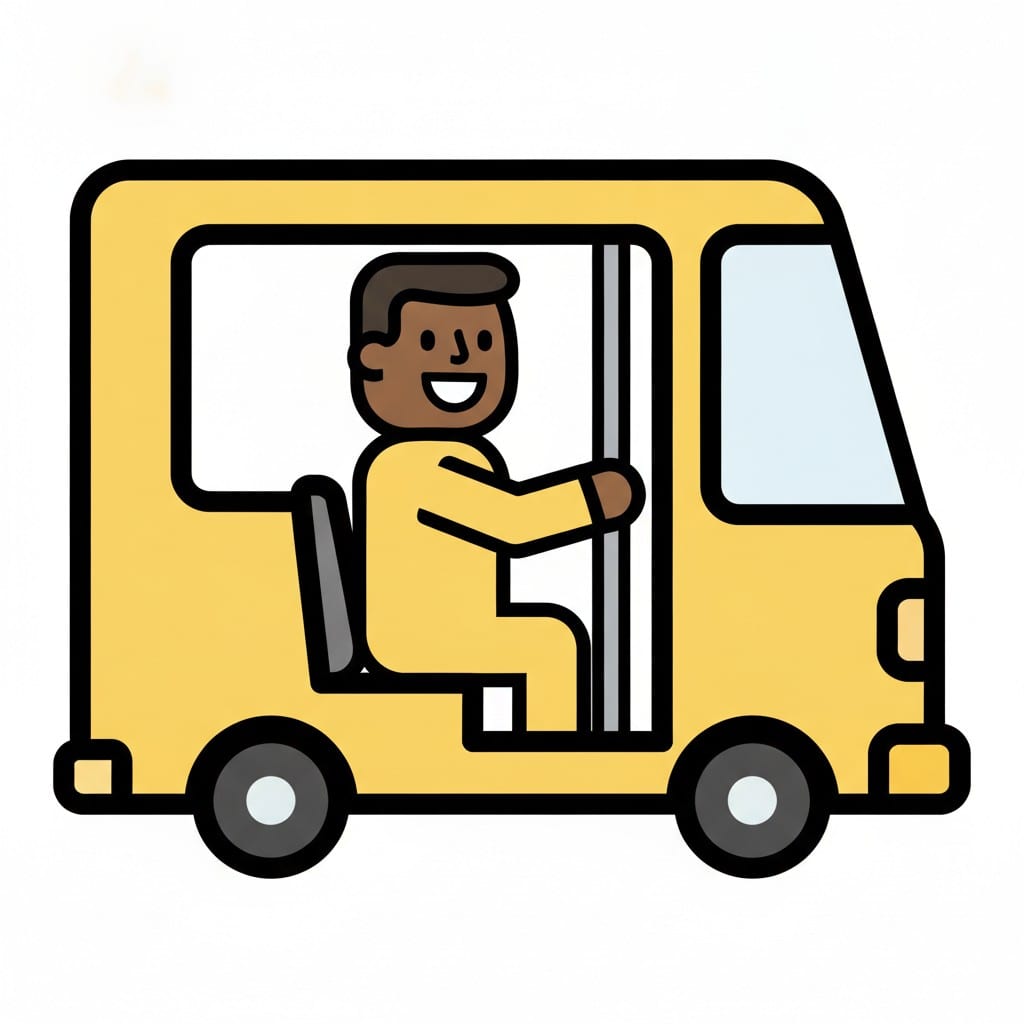 ♂
♂Sit on the bus
A smiling child sits inside a yellow bus by the window holding a pole.
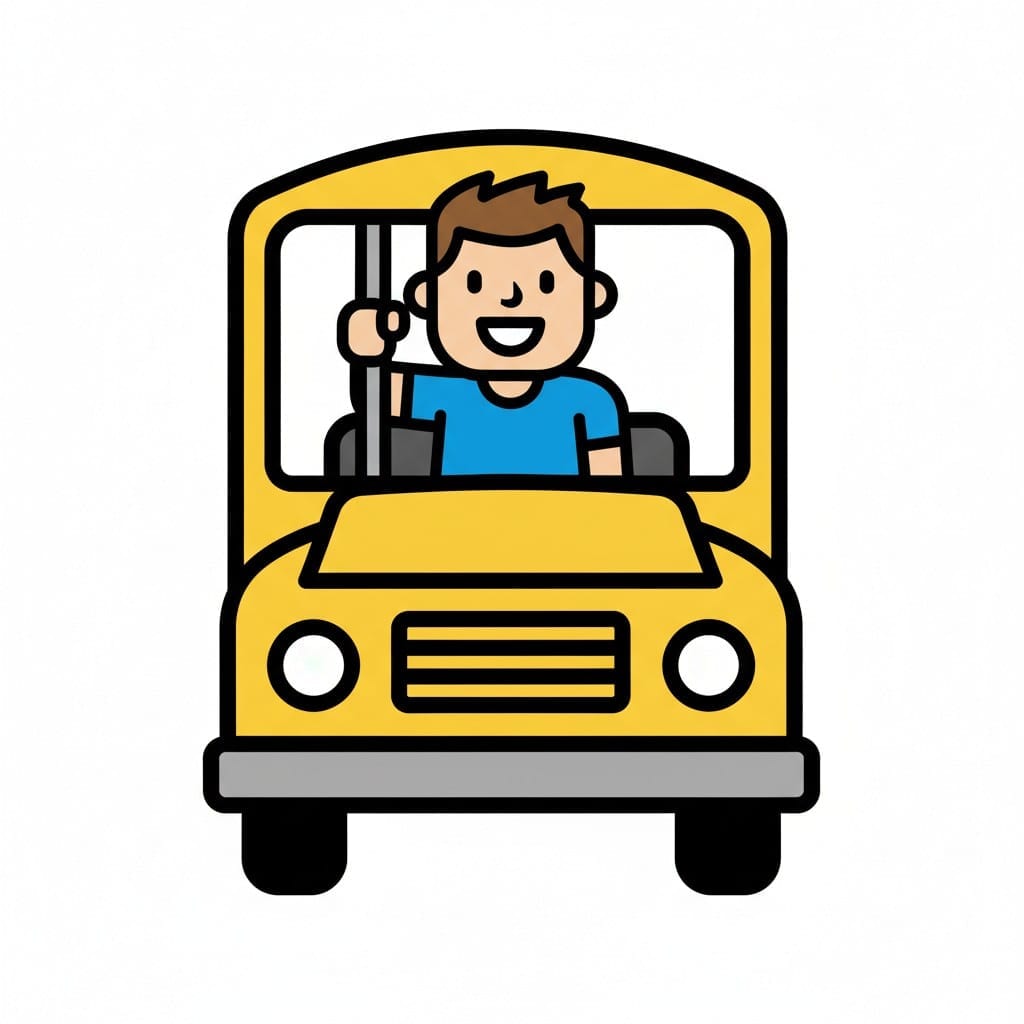 ♂
♂Ride the bus
A smiling child sits at the front of a yellow bus seen from the front.
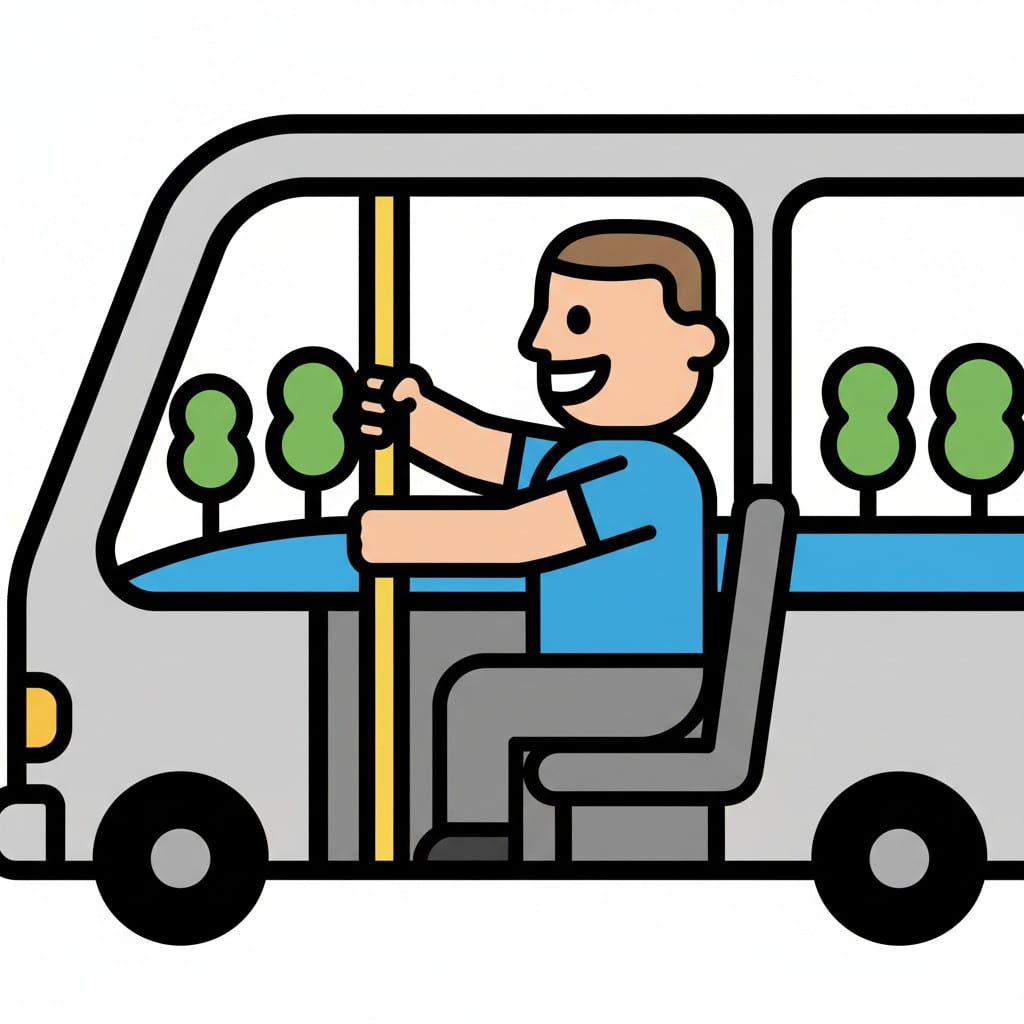 ♂
♂Sit on the bus
A smiling child sits in a seat inside a grey bus holding a pole.
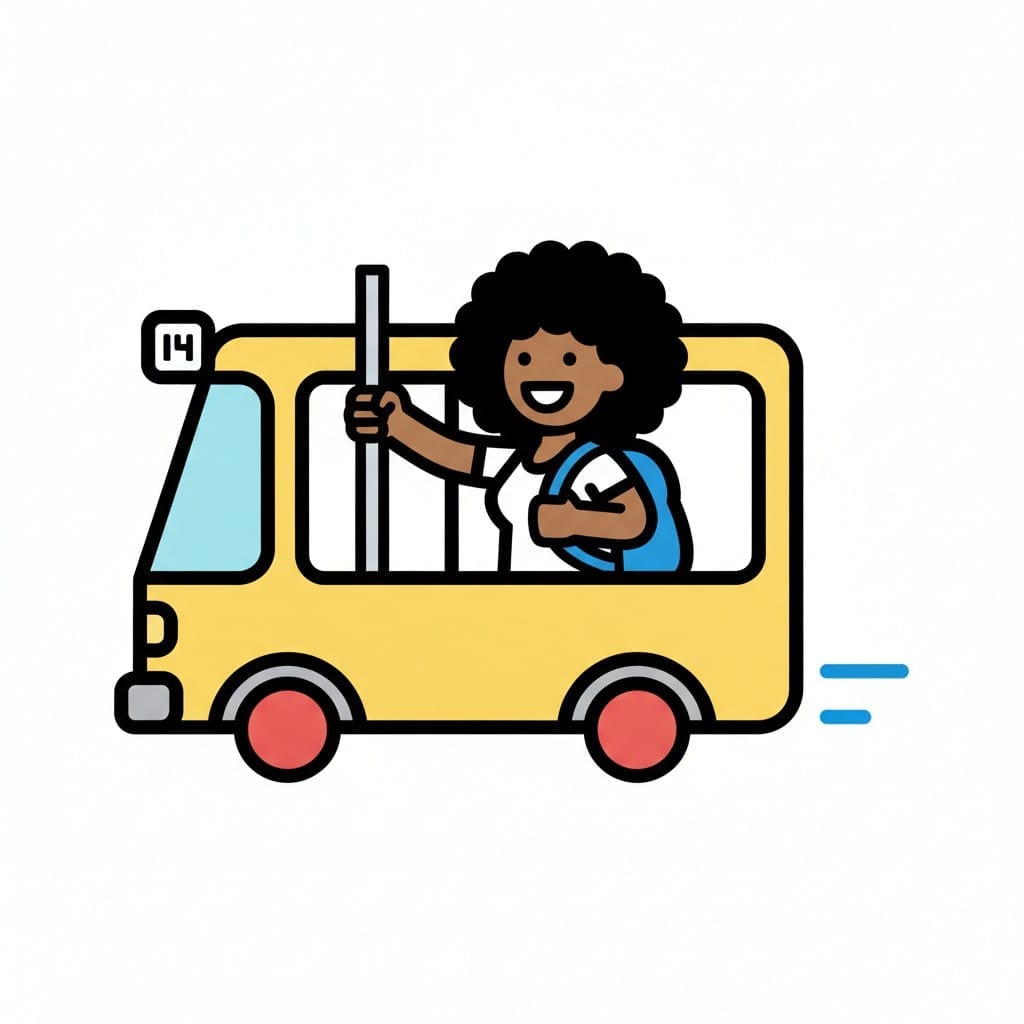 ♀
♀Riding the Bus
A girl with a backpack rides in a yellow bus holding a pole.
About this visual support
The bus is one of the few places where a child sits in the middle of a world they do not steer. Sounds arrive without warning, bodies press in just centimetres away, and the timetable does not care that a child needs a moment longer. For many it becomes the hardest part of the school day, long before the first lesson.
Visual support moves the unpredictable into something a child has already seen. When the steps show how to wait at the stop, board, find a seat, hold on and press the button in time, a child knows the order things come in even when the fellow passengers are new every time.
A concrete tip is to pair the trip with a picture of a set place to sit, near the driver or by the window, so the choice is already made before the crowding starts. For a child who is easily overwhelmed by settings beyond their control, a predictable seat can make all the difference. Put the trip in Routined and the steps travel along in a pocket, even when the signal is poor. The app can be tried free for fourteen days.
Use this image in a schedule
Build your own visual schedule with this image and download it as a print-ready PDF. Completely free.

More similar visual supports
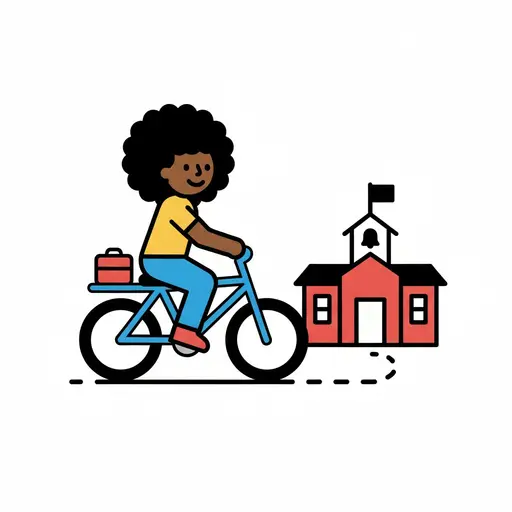
Bike to school
A girl in a yellow top pedals a blue bike with a red bag on the rear rack toward...
Bus
A cartoon illustration of a blue bus with white stripes and black windows.
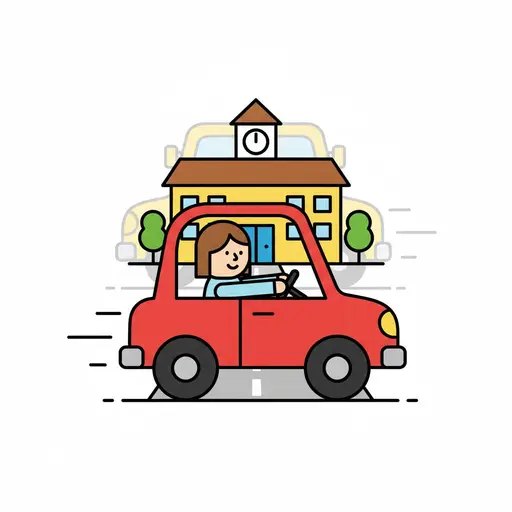
Drive to school
A person drives a car with a school in the background.
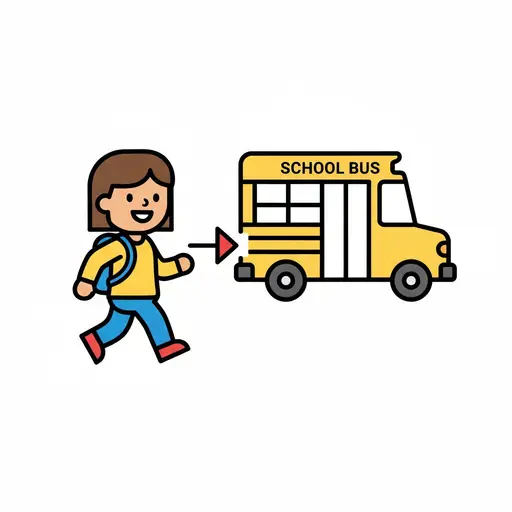
Go to the school bus
A smiling child with a blue backpack walks towards a yellow school bus, with an ...
After the school day
A boy with a backpack holds a red book beside a house, a tree, the sun and a rug...
Afterschool pickup
A woman holds a child by the hand at the school gate, with a school bus behind t...
Backpack
A blue backpack with shoulder straps, a carry handle and an orange zip pocket on...

Bag is ready
A blue bag with book and ball symbols and a green tick showing it is packed.
Take the visual supports with you
In Routined you build schedules from these pictures, add timers and voice instructions, and your child follows the day on their own.


* 14-day free trial included for new users.