Bedwetting and the Evening Routine: A Calm, Practical Guide
Bedwetting is far more common than most families realise, and almost never the child's fault. While it usually resolves with time, a few evening-routine tweaks and a calm, shame-free approach make the wait much easier for everyone.
Bedwetting is far more common than most families realise, and it is almost never the child's fault. It usually resolves on its own with time, as the body matures. In the meantime, a few small evening-routine tweaks and a calm, shame-free approach make the wait far easier for everyone — especially your child.
Why bedwetting happens
Several things combine, and none of them is laziness or bad behaviour. Many children who wet the bed are very deep sleepers who simply do not wake to a full bladder. The bladder may still be maturing, and the body may not yet make enough of the hormone that concentrates urine overnight. It also runs strongly in families — if a parent wet the bed as a child, it is more likely. In other words, it is developmental, not a choice.
Evening-routine tweaks that help
- Spread fluids across the day so your child is well hydrated by daytime, then ease off large drinks in the last hour or two — gentle, not a strict ban.
- Avoid fizzy or caffeine drinks in the evening, as they can irritate the bladder.
- Build in a "double wee": one toilet trip at the start of the bedtime routine and another right before lights out.
Keep all of this gentle and matter-of-fact — just part of the normal routine rather than a big production.
Make night-time and clean-up easy
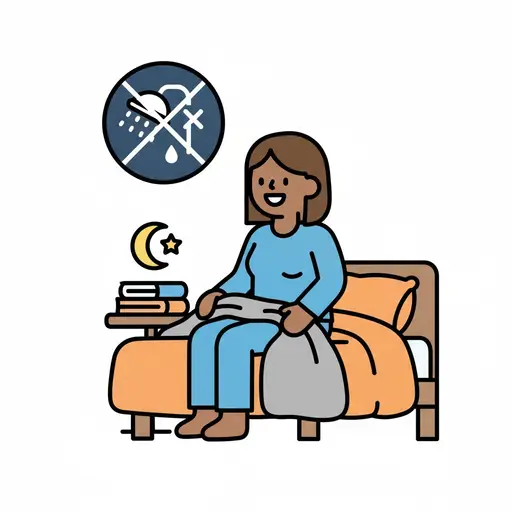
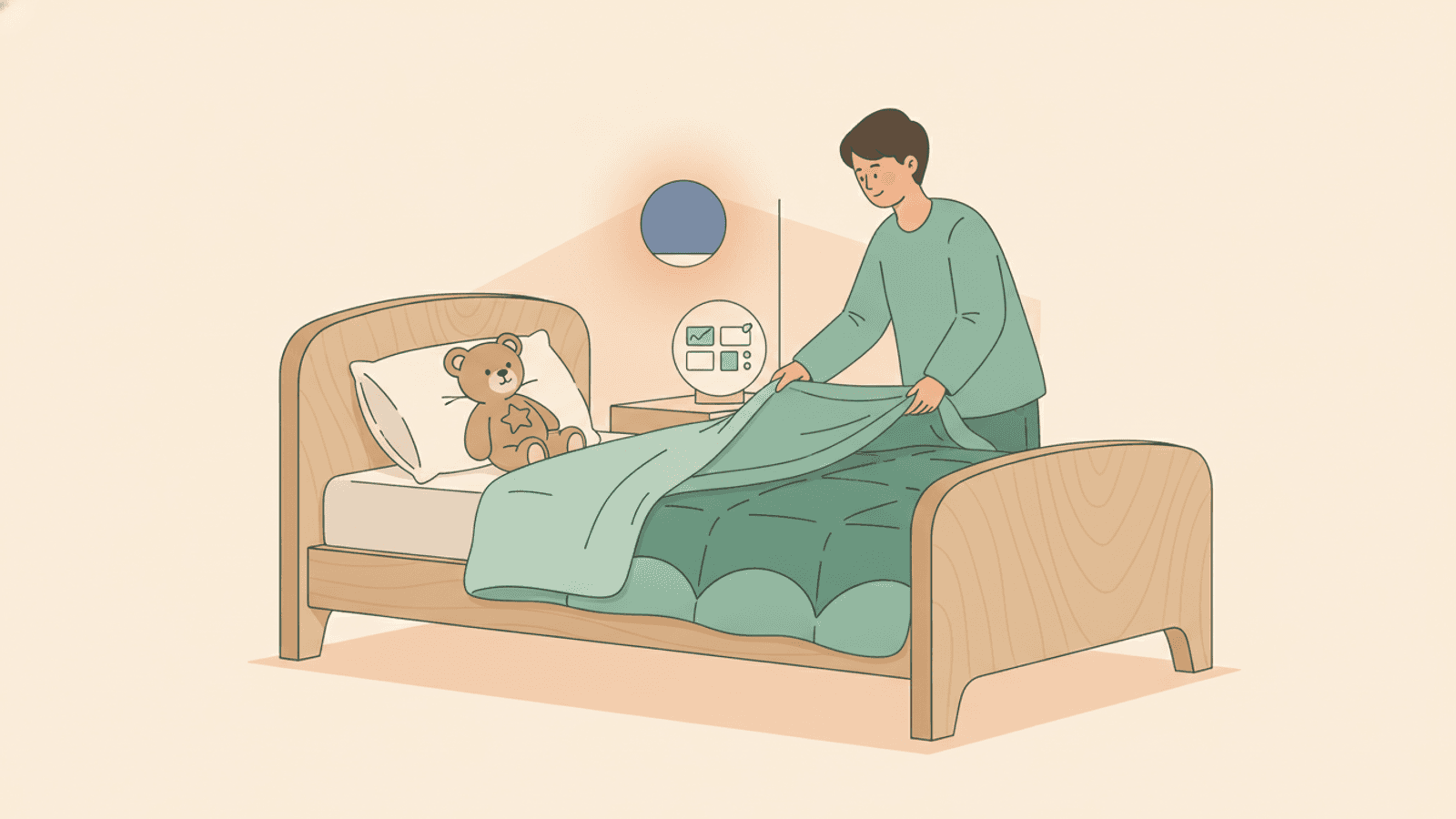
A waterproof mattress protector, a spare set of bedding within reach, and a nightlight with a clear path to the toilet all make wet nights far less stressful. If clean-up is quick and calm at 2 AM, everyone gets back to sleep faster and the whole thing stays low-key.
Protect your child's confidence — the most important part
Never punish, shame or compare. Children genuinely cannot control bedwetting, and they already feel bad about it. Keep your reaction neutral, remind them it is common and will pass, and involve them in the clean-up as a calm routine rather than a punishment. Celebrate dry nights gently, but never let a wet one be treated as a failure.
When to seek help
Bedwetting is considered normal up to and beyond five or six. Talk to your doctor if it suddenly starts again after a long dry spell, comes with daytime wetting, pain or excessive thirst, or if it is really distressing your child — there are effective options, such as bedwetting alarms, that a professional can guide you through. This article is general guidance, not medical advice.
For children with ADHD or autism
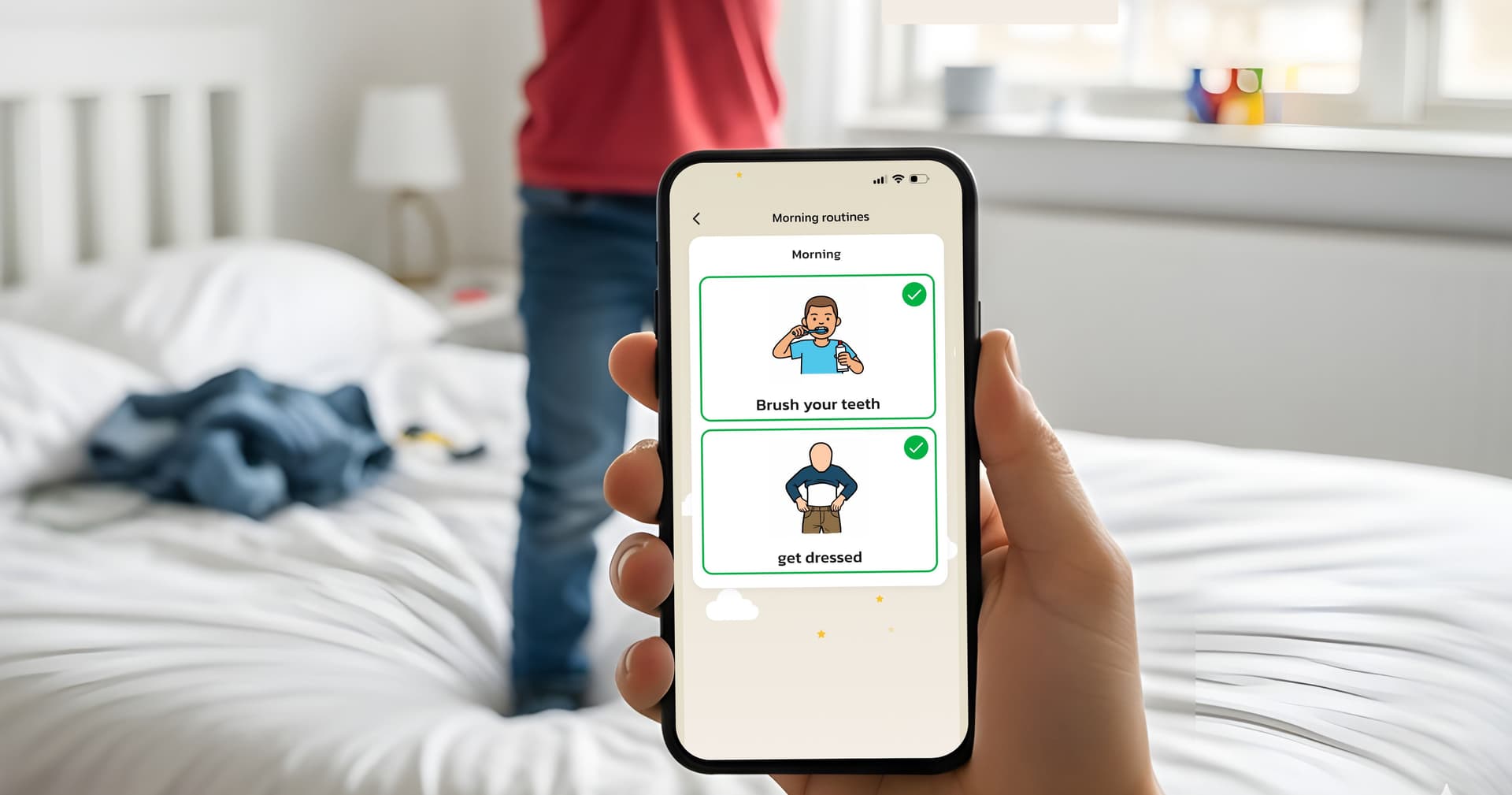
Bedwetting is somewhat more common with ADHD, partly because of very deep sleep and differences in sensing the body's signals. The same calm, shame-free approach applies, with extra patience and visual routine support for the bedtime toilet steps. If it is persistent, mention it to your doctor.
Read more
Frequently asked questions
At what age should bedwetting stop?
It varies a lot and is considered normal up to and beyond five or six. Many children become reliably dry at night later than people expect, and it is usually nothing to worry about on its own.
Should I restrict drinks in the evening?
Ease off large drinks in the last hour or two rather than strictly restricting. Your child should be well hydrated through the day; a gentle taper in the evening, and avoiding fizzy or caffeine drinks, is enough.
Is bedwetting my child's fault or a behaviour problem?
No. It is developmental — deep sleep, a maturing bladder, hormone timing and genetics. Children cannot control it, so punishing or shaming does not help and can make things worse.
How do I handle bedwetting without shaming my child?
Keep your reaction calm and neutral, reassure them it is common and temporary, make clean-up quick and matter-of-fact, and never compare or punish. Protecting their confidence matters more than any quick fix.
When should I see a doctor about bedwetting?
If it restarts after a long dry period, comes with daytime wetting, pain or excessive thirst, or distresses your child, talk to your doctor — there are effective treatments they can guide you through.