School Mornings vs Weekend Mornings: Two Rhythms, Not One
Weekday mornings run on a tight schedule, and then the weekend hits and it is either a free-for-all or you find yourself nagging on a Saturday. Children need rhythm on both, but not the same one. Here is how to run two.

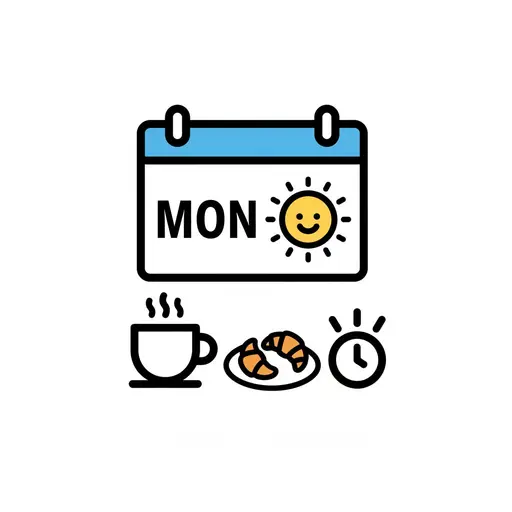
Weekday mornings run on a tight schedule — or you wish they did. Then the weekend arrives and it tips one of two ways: a total free-for-all that leaves everyone frazzled by lunch, or you catch yourself nagging about teeth and getting dressed on a Saturday for no real reason. Children genuinely need rhythm on both kinds of morning. They just do not need the same rhythm.
Why two rhythms beat one
Running full school-morning structure seven days a week is exhausting for everyone, and weekends are supposed to feel different — that difference is part of what makes them restful. But swinging to zero structure backfires too. Long lie-ins shift the body clock, screens rush in to fill the empty time, and Monday becomes a brutal reset. The sweet spot is two distinct rhythms that share one steady anchor.
Keep the anchor steady
The single most important thing to protect across both is the sleep and wake window. When weekend wake time drifts more than about an hour later than school days, you get “social jetlag” — the Monday-morning misery of a body clock that quietly shifted over the weekend. Aim to keep weekend waking within roughly an hour of school days, and breakfast around the same time. That one anchor does most of the work.
Loosen everything else
With the sleep anchor protected, let the rest breathe. No rushing, no packed bag, no clock-watching. Pyjamas can stay on for a while, the order of things can be relaxed, and breakfast can take as long as it takes. This is where a weekend gets to feel like a weekend rather than a slower version of a school day.
Give the weekend its own shape
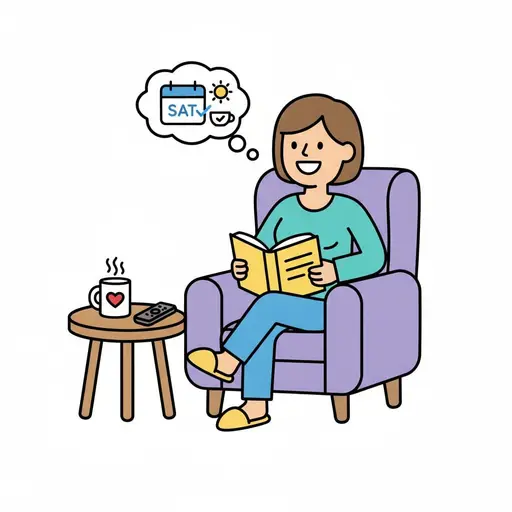
- Build a simple, predictable weekend-morning rhythm — wake, breakfast, then a known “what we do,” such as pancakes, a walk or free play. Security without rigidity.
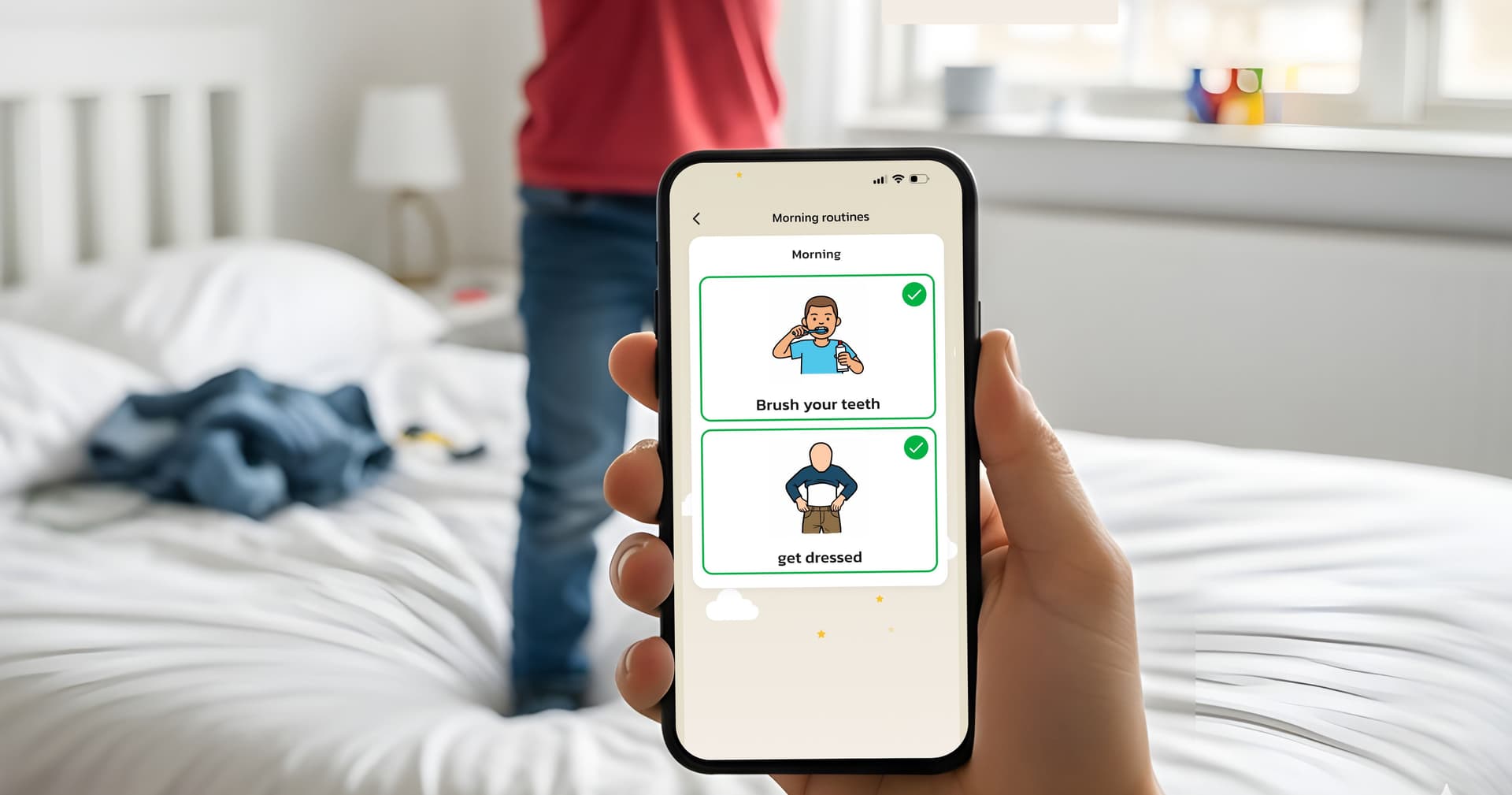
- Use a visual weekend routine that clearly differs from the school one, so children who cling to sameness still get the “this is a different day” signal.
- Protect one calm, slow start — unstructured downtime is good for children and for you.
- Keep screens from becoming the default by having a loose plan for the morning ready.
Smoothing the Monday transition
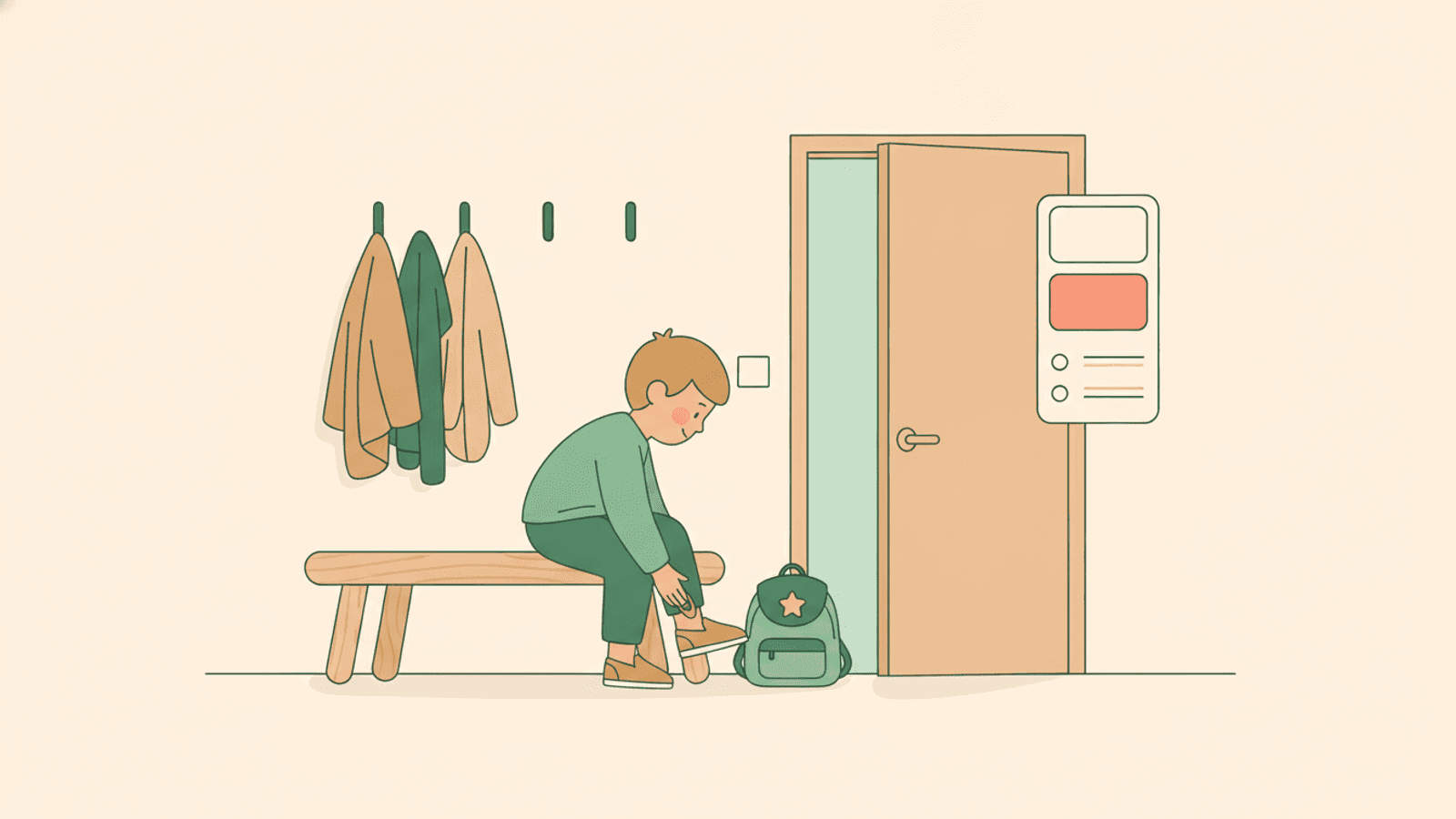
Sunday evening is the bridge between the two rhythms. Keep the normal bedtime and wind-down on Sunday night even if Saturday ran late, and do the school-bag prep on Sunday so Monday morning is not a cold shock. A gentle Sunday-evening heads-up — “tomorrow is a school day” — gives children time to switch gears instead of being ambushed by the alarm.
For children with ADHD or autism
Predictability matters even more here, and a weekend with no plan can be more stressful than restful for a child who needs to know what is coming. Give the weekend its own clear, lighter routine rather than no routine at all, hold the sleep anchor steady, and forewarn the Sunday-to-Monday switch. The aim is a gentler rhythm, not the absence of one.
Read more
Frequently asked questions
Should kids follow the same routine on weekends?
No — a lighter, looser weekend rhythm is healthier than copying the school morning, and also healthier than no routine at all. Keep the sleep and breakfast timing similar, and relax everything else.
Is it bad to let kids sleep in on weekends?
A little extra sleep is fine, but letting wake time drift more than about an hour later than school days shifts the body clock and makes Monday much harder. Aim to keep weekend waking within roughly an hour of weekdays.
What is social jetlag?
It is the jet-lag-like effect of a body clock that shifts later over the weekend because of late nights and lie-ins, then has to snap back for Monday. Keeping wake times fairly steady across the week prevents most of it.
How do I make Monday mornings easier?
Use Sunday evening as the bridge: keep the normal bedtime and wind-down, prepare the school bag on Sunday, and give a calm heads-up that tomorrow is a school day so the switch is expected rather than a shock.
My child does better with weekend structure — is that normal?
Very. Many children, especially those who like predictability, find an unstructured weekend stressful. A clear but lighter weekend routine usually suits them far better than leaving the morning open.