The First–Then Board: The Simplest Visual Support That Works
When a full schedule is too much, two pictures are often enough. The first–then board is the smallest visual support there is — and one of the most powerful for hard transitions.
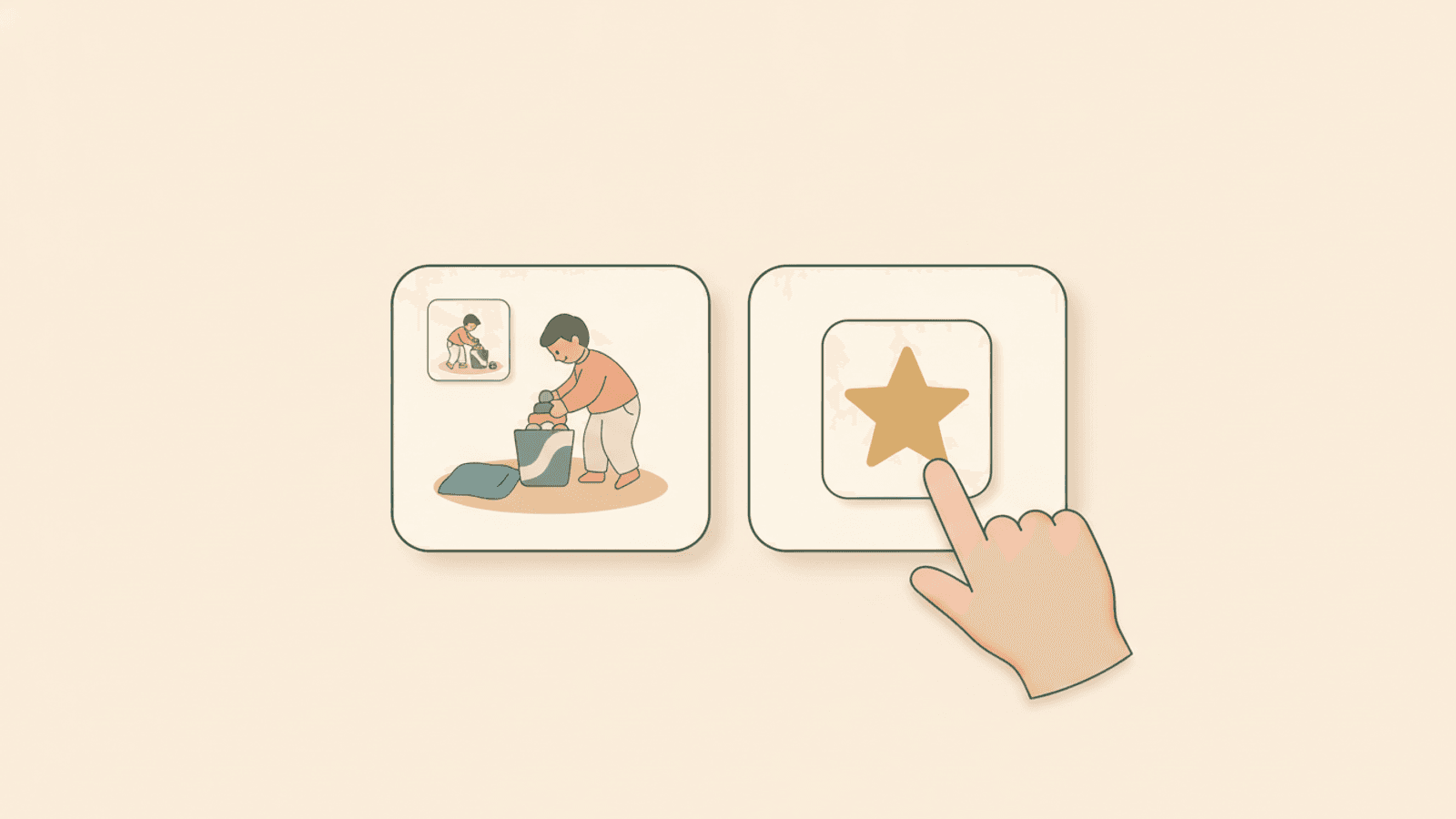
A first-then board is a powerful visual tool that shows a child what activity they need to complete "first," followed by what activity or reward they will receive "then." It simplifies routines into two clear steps, providing predictability and reducing anxiety for children, especially those who thrive on structure. For many families, especially those supporting children with ADHD or autism, the first then board becomes an indispensable key to smoother days and calmer transitions.
What a First–Then Board Is
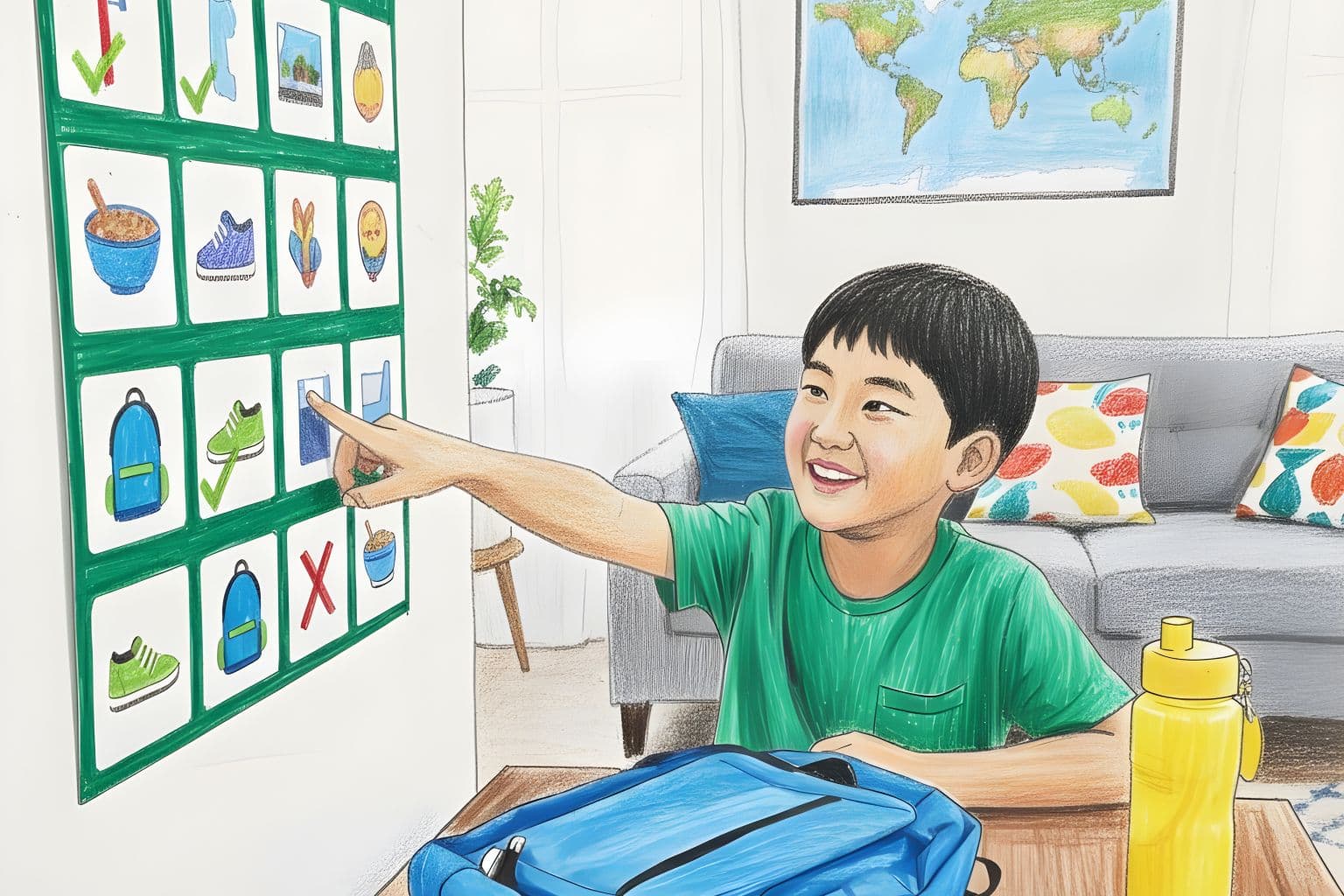
Imagine a simple card or piece of paper divided into two distinct sections, labeled "First" and "Then." In the "First" section, you place a picture or symbol representing an activity your child needs to do – perhaps "tidy up toys" or "do homework." In the "Then" section, you place a picture or symbol of a preferred activity or reward – like "play with blocks" or "read a book together."
The beauty of the first then board lies in its straightforward visual communication. It’s a concrete representation of a sequence of events, making abstract concepts like time and task completion tangible for young children or those who process information visually. It’s a clear, concise way to say, "We'll do this less preferred task, and *then* we get to do something fun."
Why It Works Wonders
The effectiveness of the first then board stems from several psychological and developmental principles:
- Making Demands Concrete: For many children, particularly those with developmental differences, verbal instructions can be fleeting and abstract. A visual cue transforms a spoken request into something they can see, touch, and reference repeatedly. This clarity reduces misunderstandings and provides a tangible goal.
- Showing the Reward is Coming: Knowing that a preferred activity is on the horizon provides powerful motivation. The "then" activity isn't just a distant possibility; it's right there, visually connected to the "first" task. This immediate visual assurance helps children push through less enjoyable activities.
- Lowering Anxiety and Uncertainty: Children thrive on predictability. Not knowing what comes next can be a significant source of anxiety. A first then board eliminates this uncertainty, offering a clear roadmap for the immediate future. This predictability builds trust and reduces meltdowns often associated with transitions or unexpected demands.
- Empowering Independence: While it seems like a guiding tool, the first then board actually fosters independence. Children can check the board themselves, understanding the sequence without constant verbal reminders. This gives them a sense of control and accomplishment.
How to Make One (Simply!)
You don't need fancy materials to create an effective first then board. Simplicity is key!
Here’s how you can make one:
- Paper and Drawings: Grab a piece of paper, divide it in half, and label each side "First" and "Then." Draw simple stick figures or symbols for each activity. For example, a picture of a toothbrush for "brush teeth" and a happy face for "story time."
- Photos: Take photos of your child engaging in specific activities or using relevant objects (e.g., a photo of their toy box for "tidy up," a photo of them eating breakfast for "eat breakfast"). Print them out and laminate them for durability if you like. You can use Velcro dots to easily swap out activities.
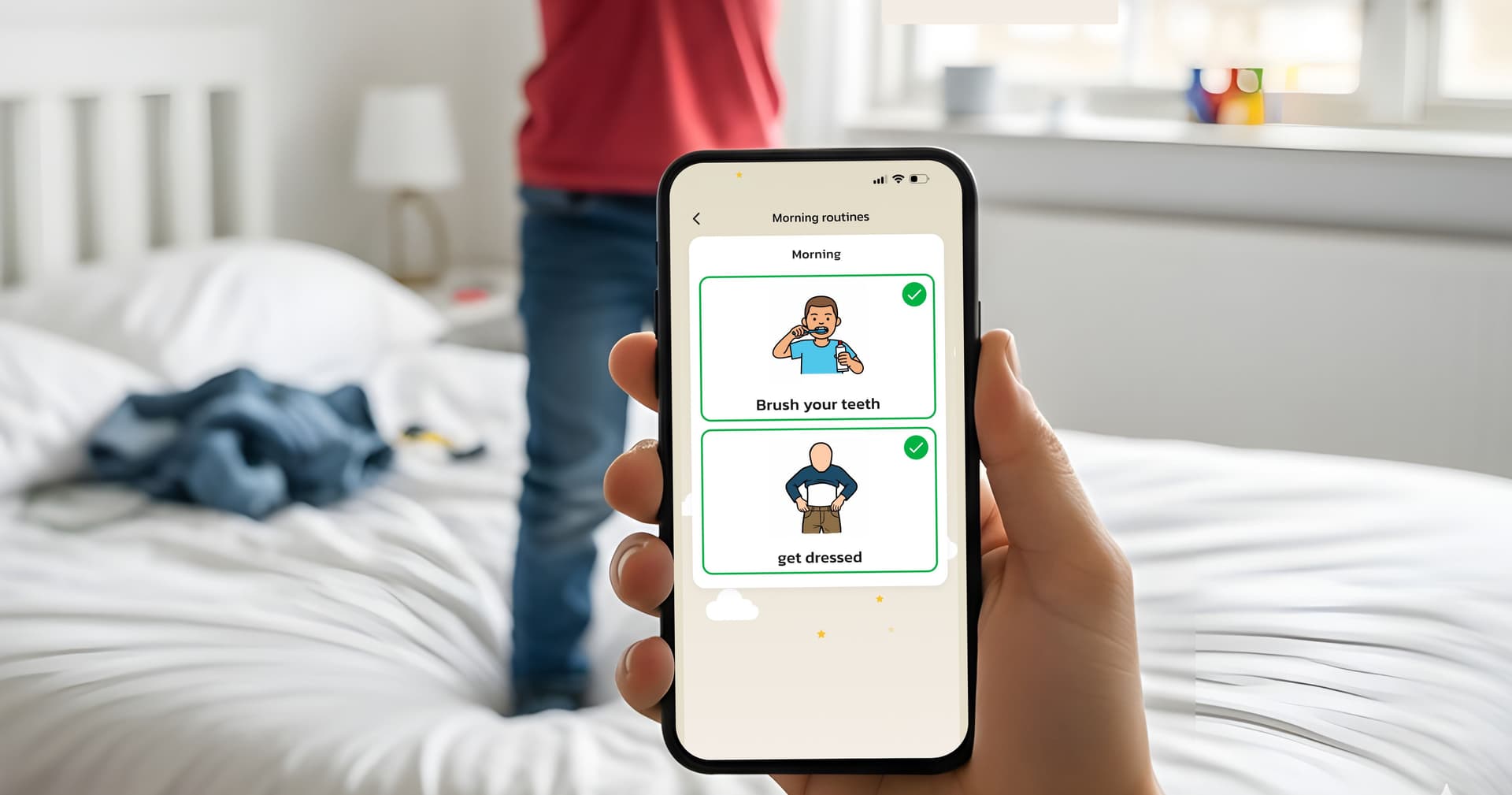
- Digital Options: Many parents find digital tools useful for creating and displaying these boards on a tablet or computer, allowing for easy customization and storage of various visual choices.
Remember to keep it to two steps – one "first" and one "then." The simplicity is what makes it so powerful for initial learning and focused tasks.
Get the Order and the "Then" Right
This part is crucial for success:
- The "First" Task: This should be the task you want your child to complete – something non-preferred but necessary, like putting on shoes, tidying up a small mess, or completing a short school task.
- The "Then" Activity: This MUST be something genuinely motivating for your child. It should be a preferred activity they genuinely look forward to, such as playing a favorite game, having screen time, reading, or getting a special snack. The "then" is the incentive, not a bribe. A bribe is given to stop an undesirable behavior *in the moment*. An incentive, like the "then" on your board, is a planned, predictable reward for completing a task, teaching responsibility and sequence. It helps the child understand that preferred activities are earned through completing necessary tasks.
When to Use It and When to Grow Beyond It
The first then board is particularly effective in specific situations:
- Transitions: Moving from one activity to another can be challenging. Use a first then board to ease the shift, e.g., "First: put on jacket. Then: go to the park."
- Non-Preferred Tasks: When you need your child to complete a task they resist, such as homework, chores, or personal hygiene, the "then" can be a powerful motivator. "First: brush teeth. Then: choose a bedtime story."
- Breaking Down Larger Tasks: For tasks that seem overwhelming, the first then board can help. "First: tidy five toys. Then: play with car set."
As your child becomes more accustomed to the first then board and understands the concept of visual schedules, you might notice them gaining confidence and predictability. This is a wonderful sign that they might be ready to gradually move beyond just two steps.
When your child consistently follows the first then sequence with ease, you can introduce a slightly longer visual schedule, perhaps with three or four steps. This progression allows them to build on their foundational understanding of sequencing and further develop their independence and task completion skills. The first then board is often the perfect stepping stone to more comprehensive daily visual schedules, offering a powerful, accessible starting point for routine building.
The first then board is a simple, yet profoundly effective, tool for nurturing cooperation, reducing anxiety, and building independence in children. By providing clear visual guidance, you’re not just managing behavior; you’re teaching valuable life skills in a supportive and understandable way. Embrace the simplicity, and watch your family routines transform.
Read more
- Visual Supports: The Key to a Calmer Life with Neurodiversity
- From Nagging to Drive: How Positive Reinforcement Works for Children with ADHD and Autism
- Say Goodbye to Nagging – 5 Steps to a Stress-Free Morning
- NDD and Visual Support
Tip: Download our ready-made visual schedule Daily schedule – my day in pictures (free printable PDF), or browse all ready-made visual schedules.
Frequently asked questions
What is a first–then board?
A first-then board is a visual schedule that clearly communicates two steps: what needs to happen "first," followed by what will happen "then." It uses pictures or symbols to represent activities, offering a concrete sequence for children.
At what age can a child use a first–then board?
Children can begin to use a first-then board as soon as they can understand simple picture communication, often starting around 18 months to 2 years old. Its effectiveness can extend well into elementary school years for children who benefit from visual supports and clear routines.
Is a first–then board just bribery?
A first-then board is not bribery; it is a planned incentive system that teaches responsibility and task completion. Bribery is typically reactive, used to stop an undesirable behavior in the moment, whereas the "then" on the board is a predictable reward for completing a pre-agreed task, fostering positive habits.
What should the “then” be?
The “then” should always be a highly motivating and preferred activity for your child. It could be something like playing with a favorite toy, having a special snack, enjoying screen time, or engaging in a cherished family activity. The key is that it's something your child genuinely looks forward to.
When should we move from first–then to a full schedule?
You can consider moving from a first-then board to a fuller schedule when your child consistently understands and follows the two-step sequence with minimal prompting. This typically indicates they are ready for slightly longer sequences, like three or four steps, gradually building their ability to follow more complex visual routines throughout their day.